Counting practice Math Worksheets - Page 4
359 filtered results
-
From - To
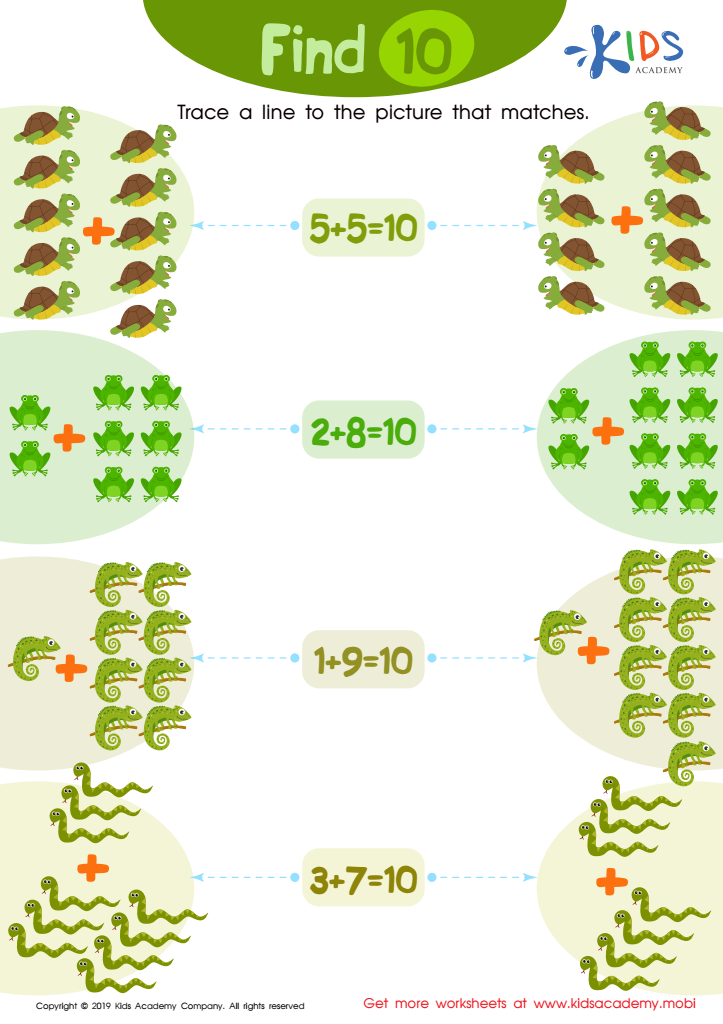
Find 10 Worksheet
 Assign to My Students
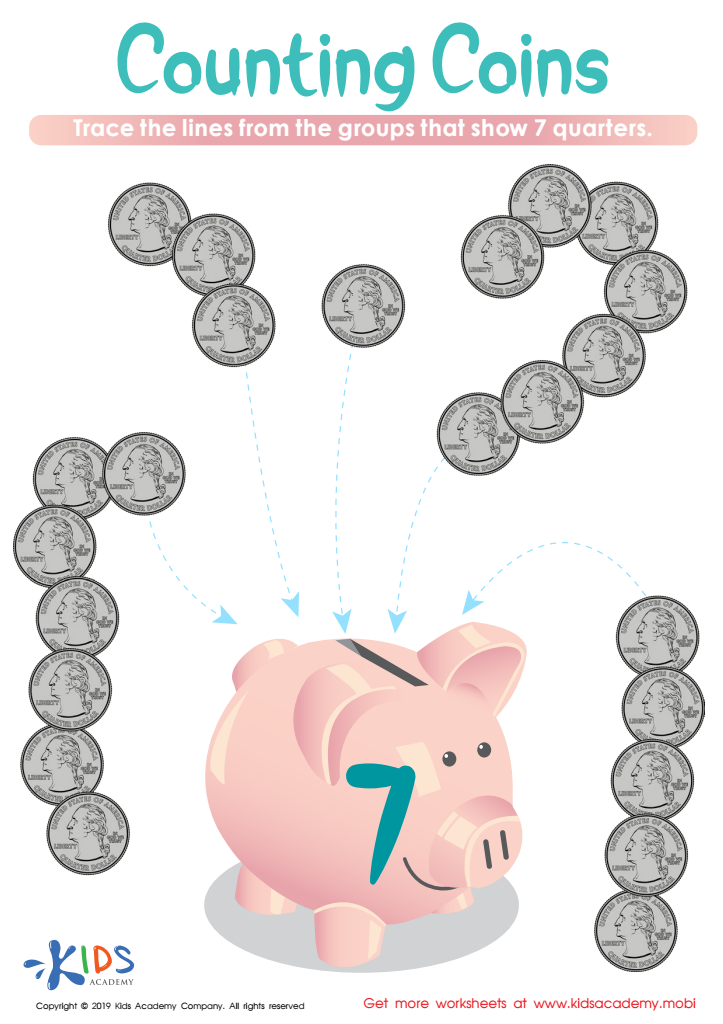
Counting Coins Worksheet
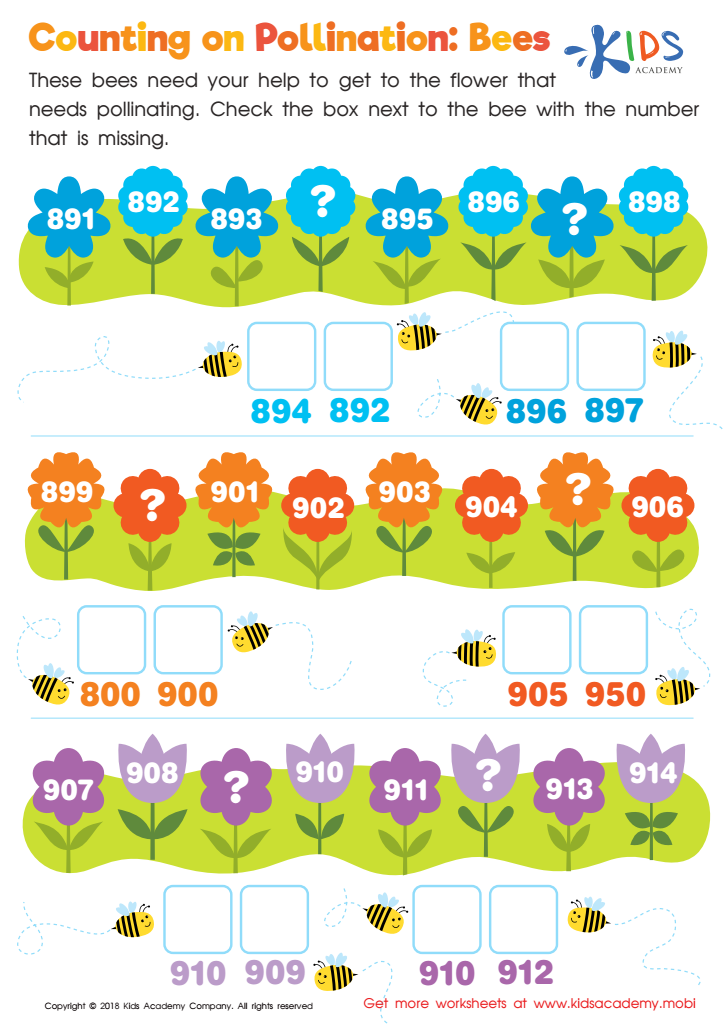
Counting on Pollination: Bees Worksheet
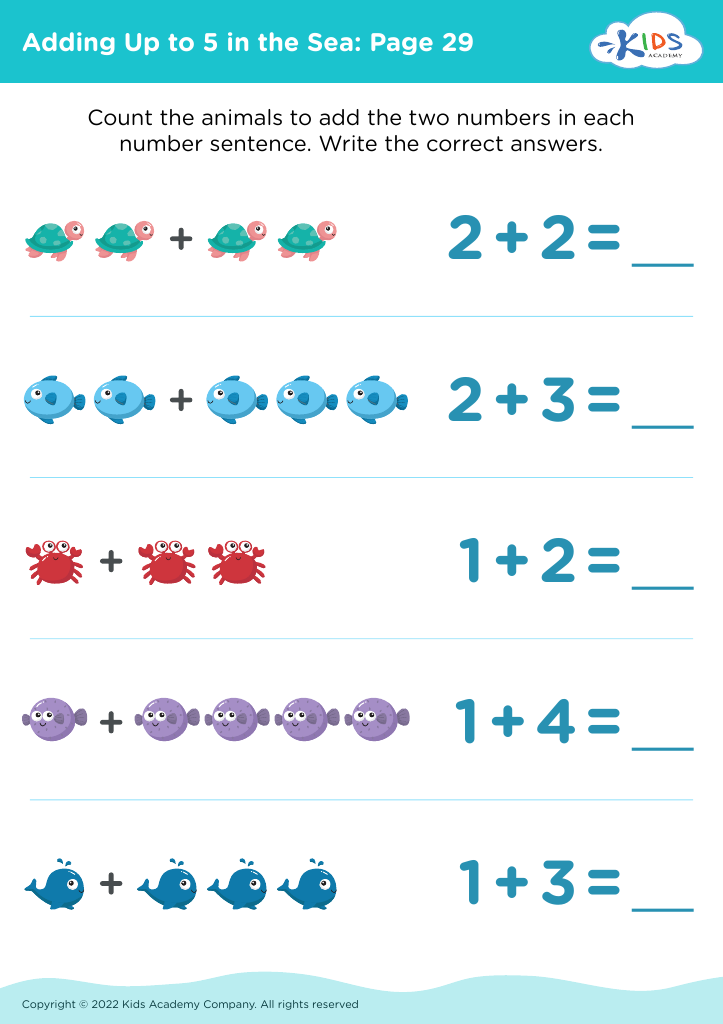
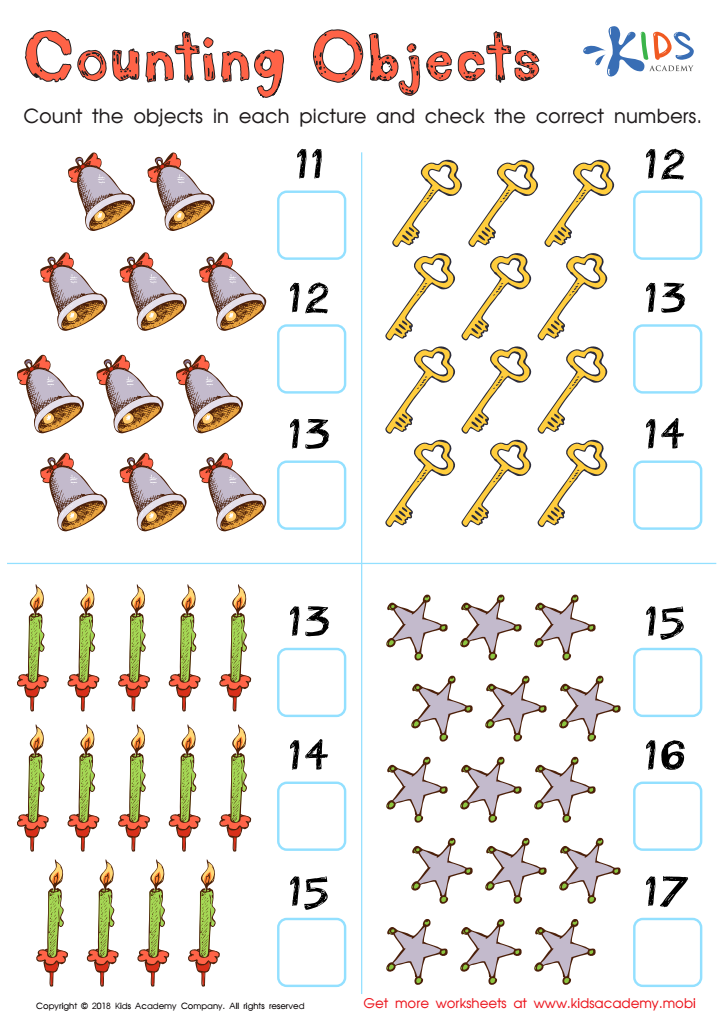
Counting Numbers Worksheet For Kindergarten
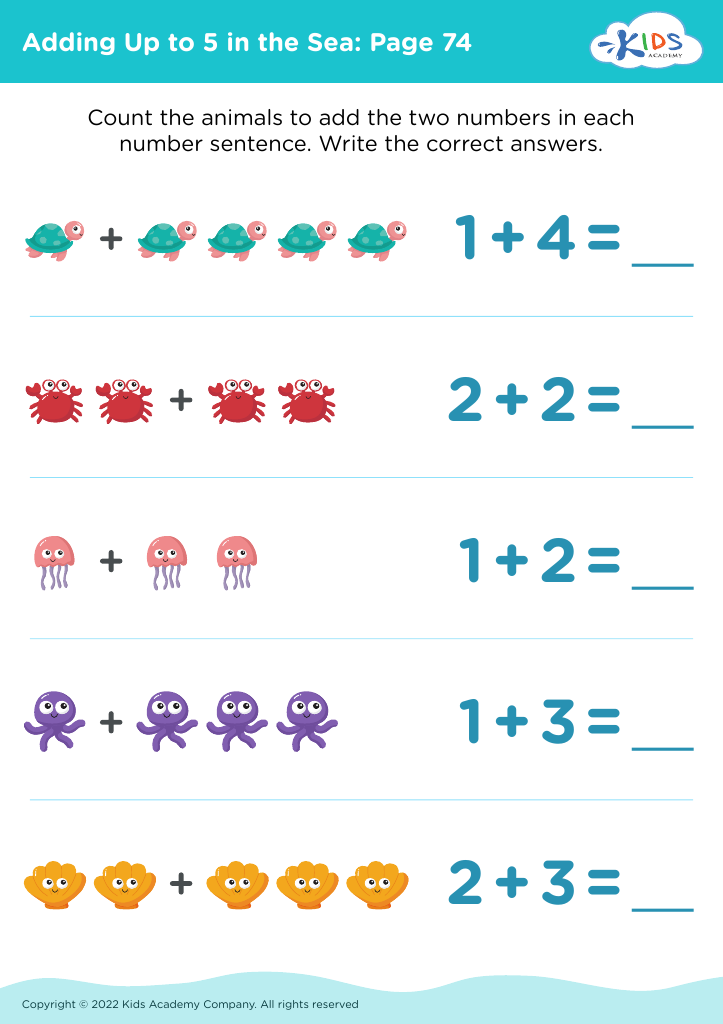
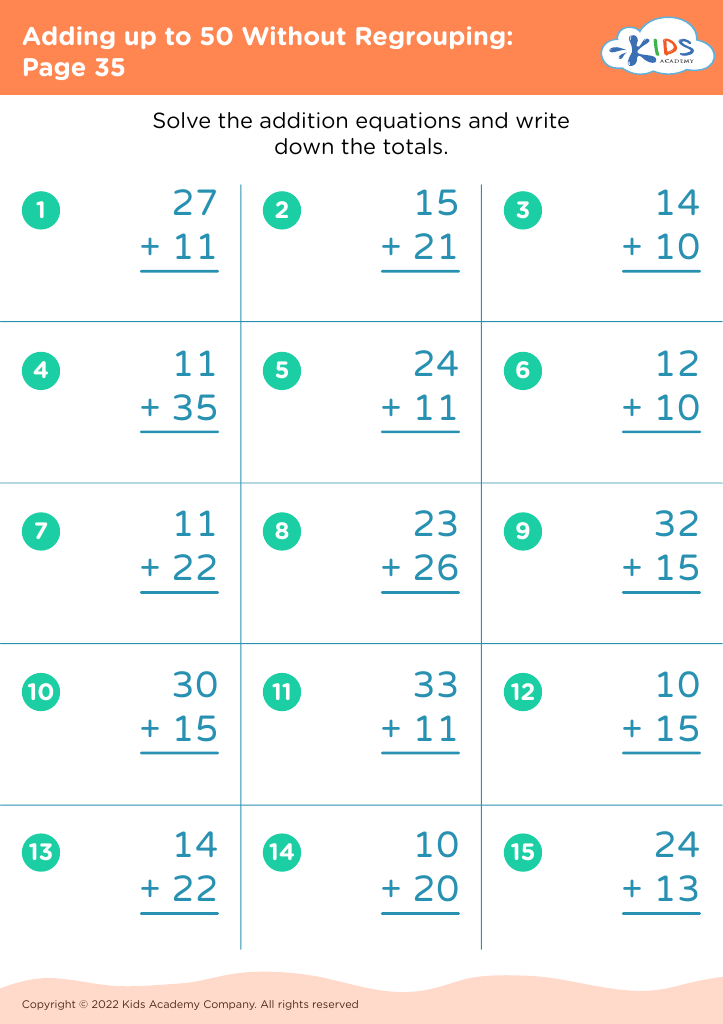
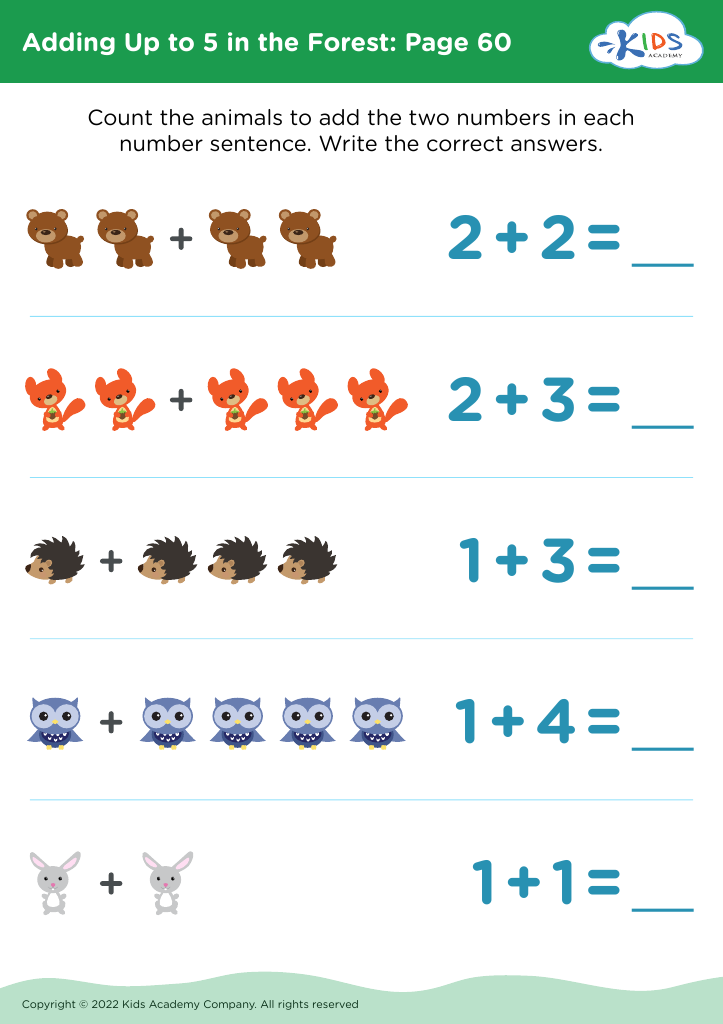
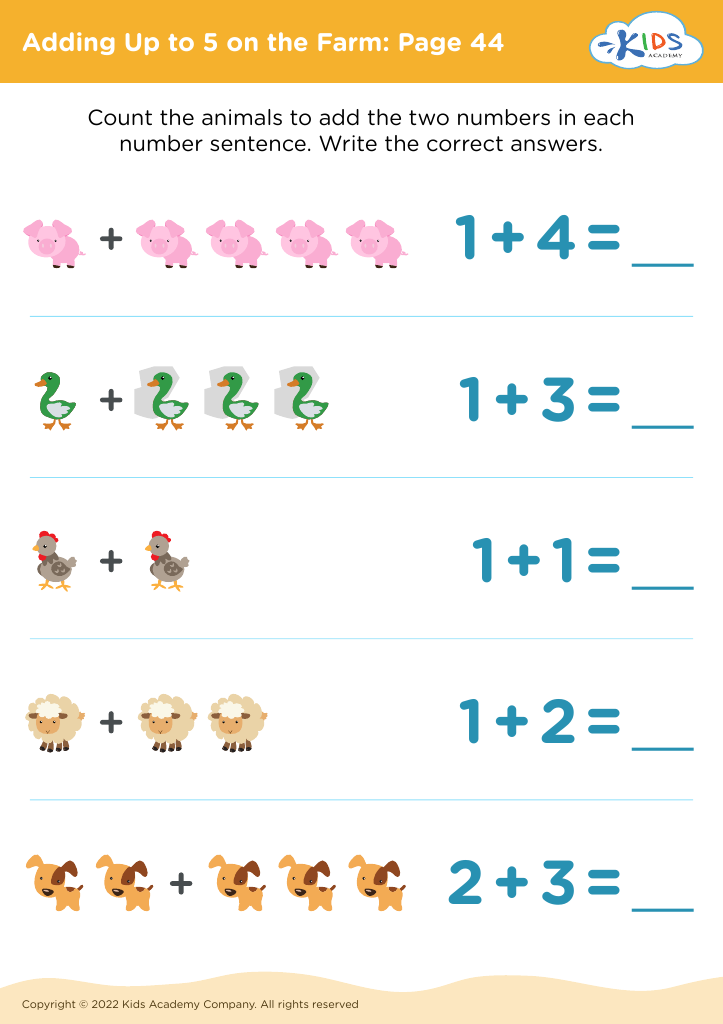
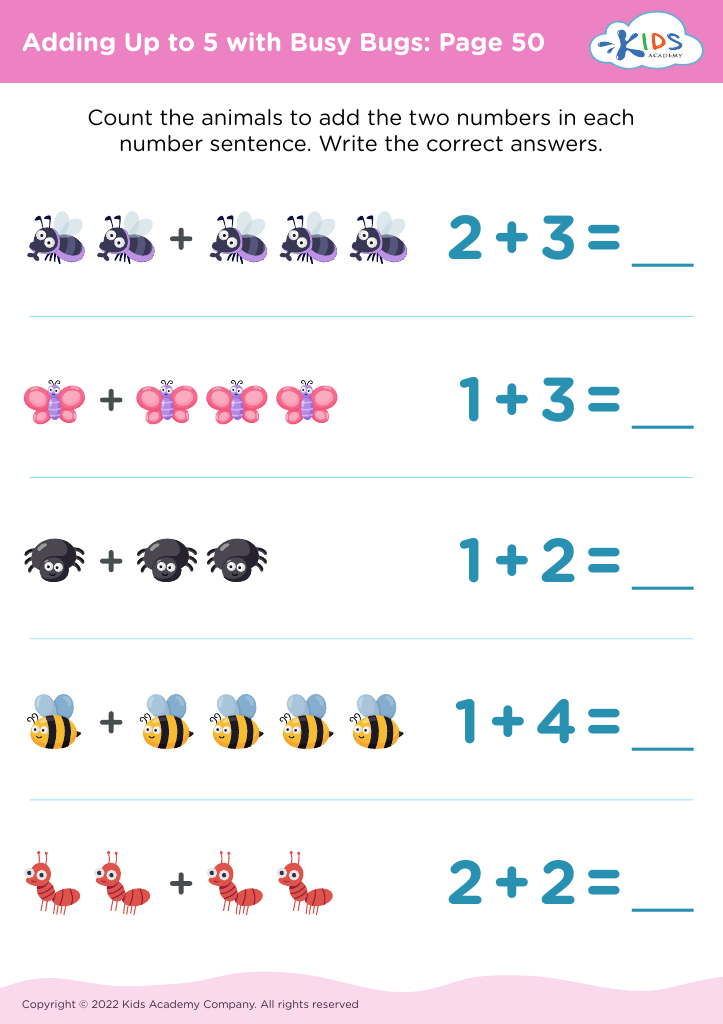
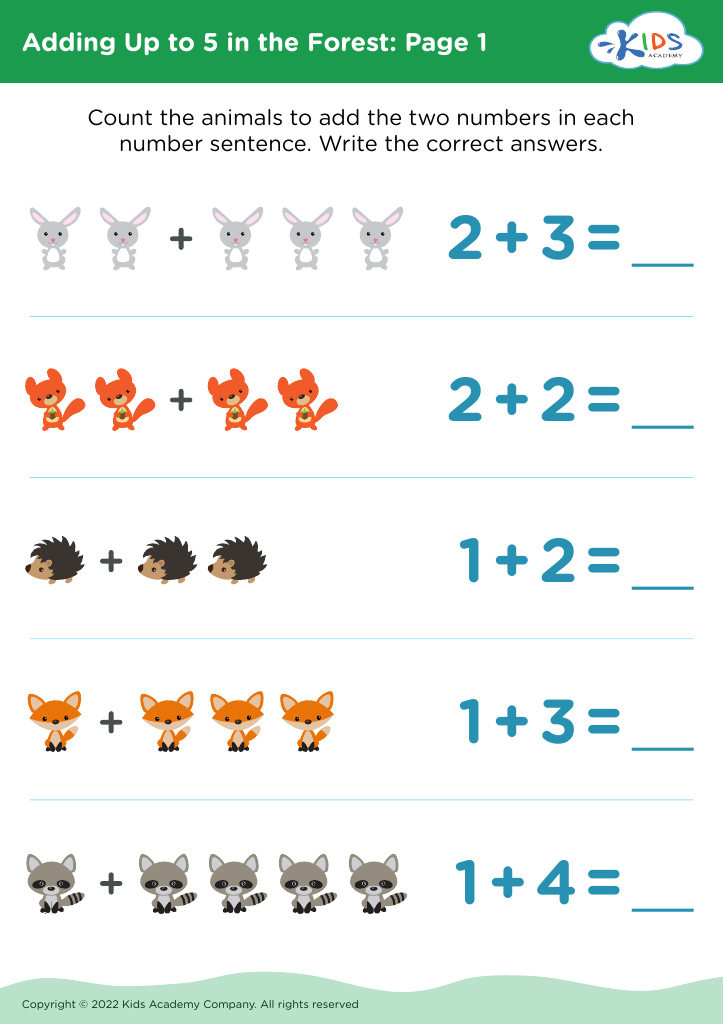
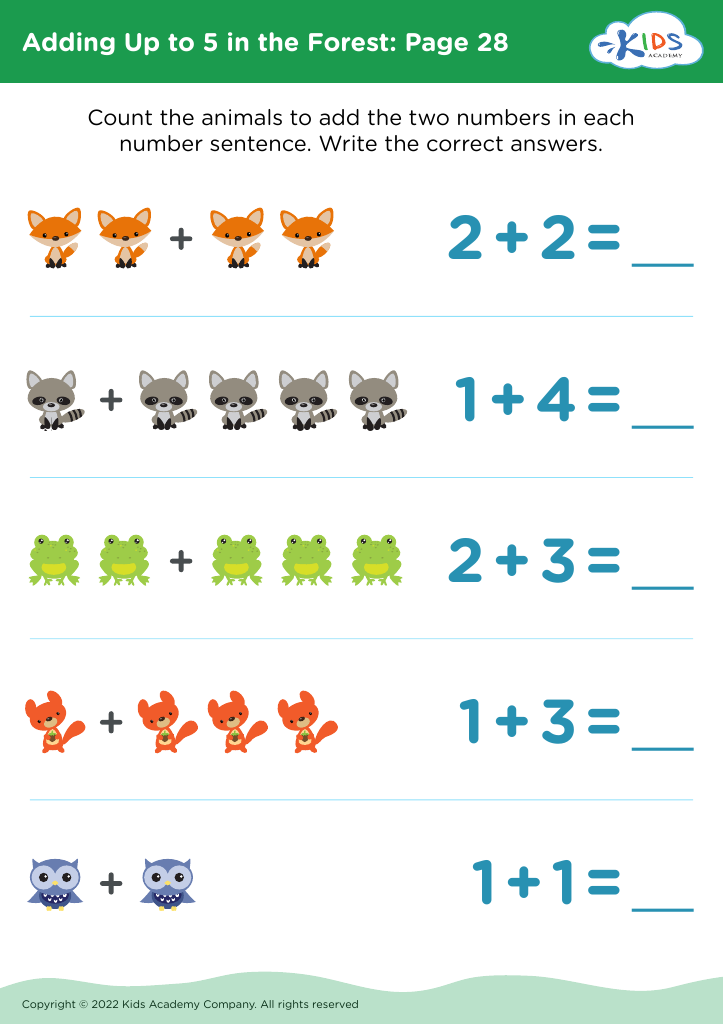
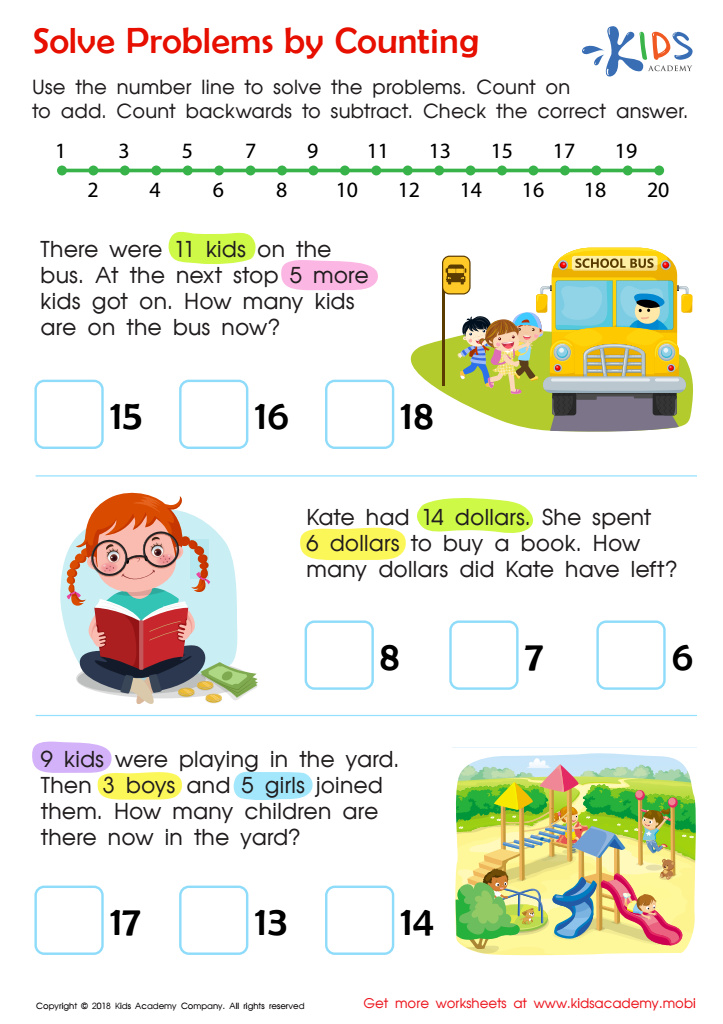
Solve Problems by Counting Worksheet
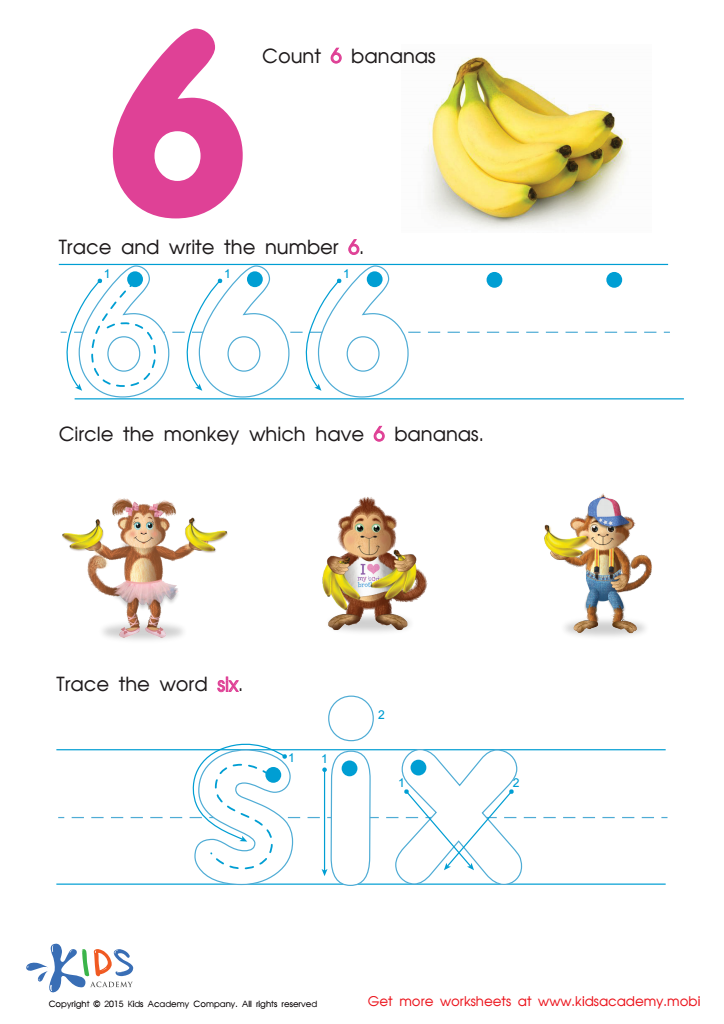
Tracing And Writing Number 6 Worksheet
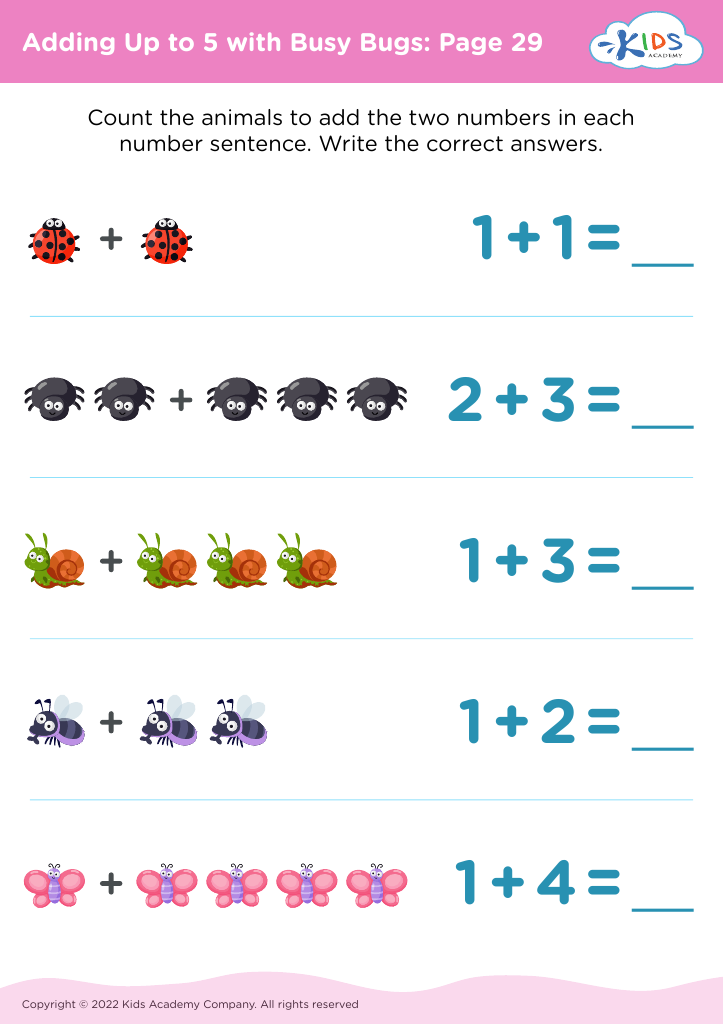
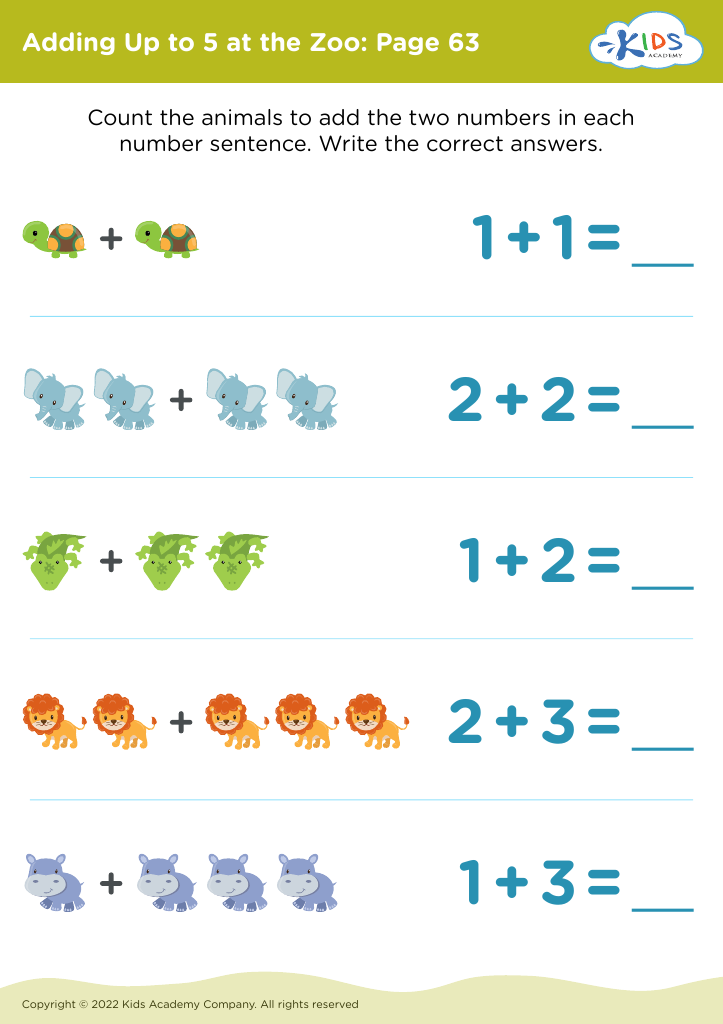
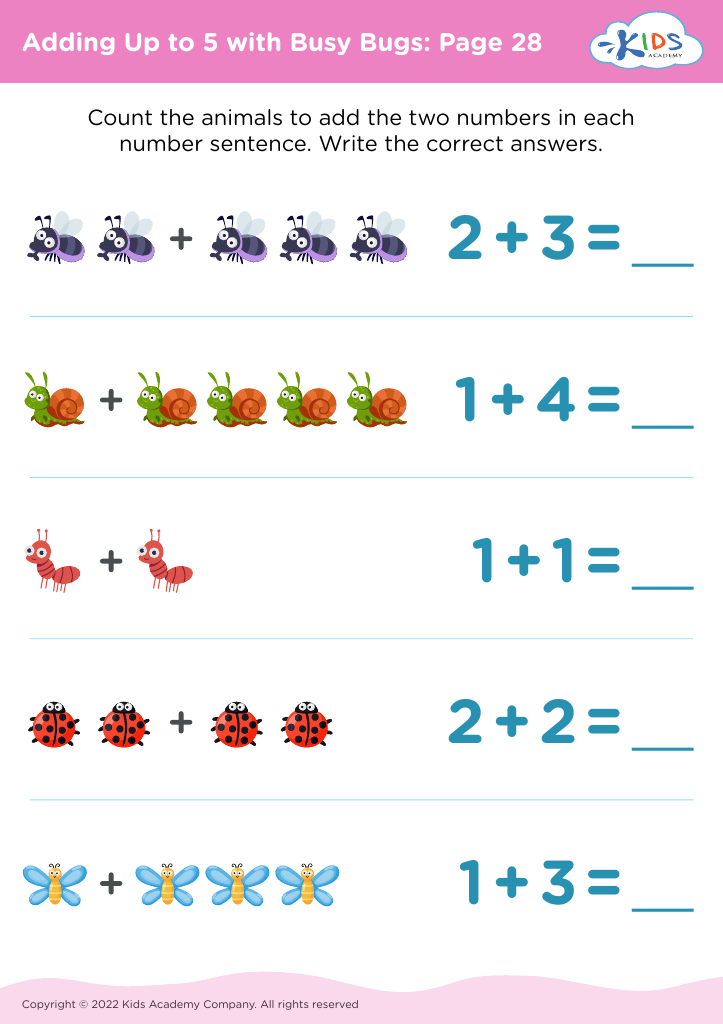
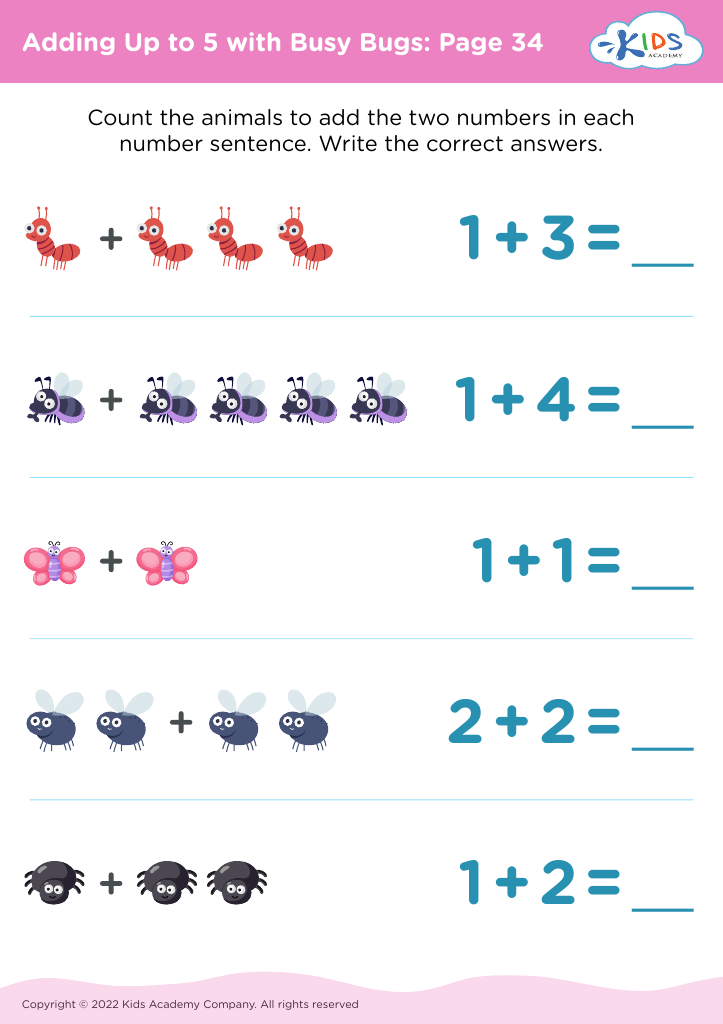
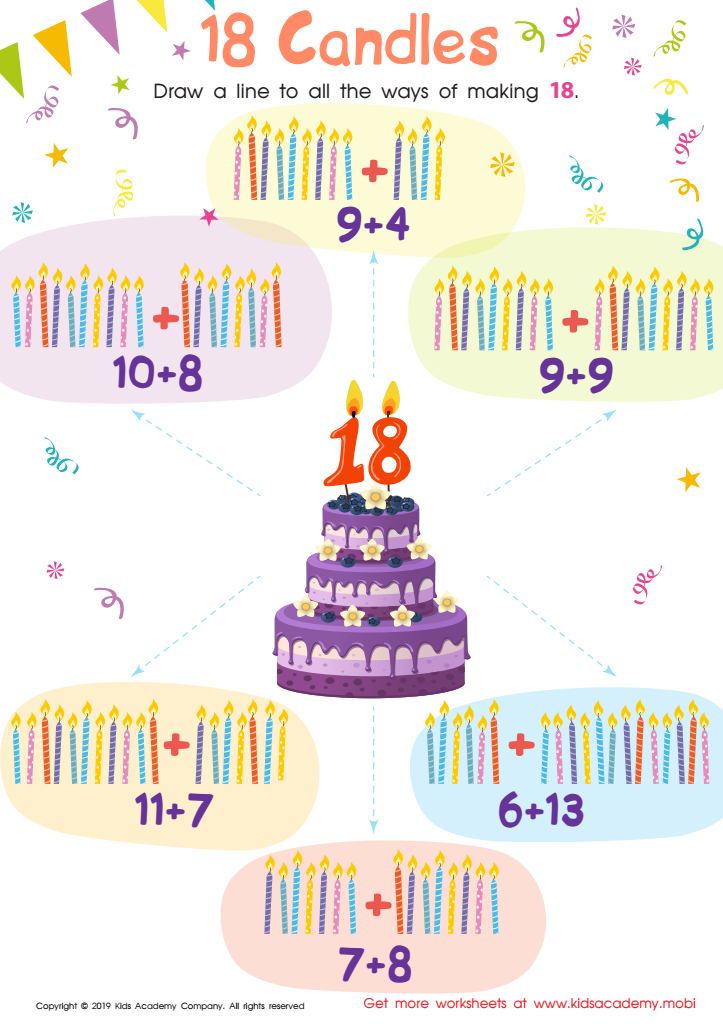
18 Candles Worksheet
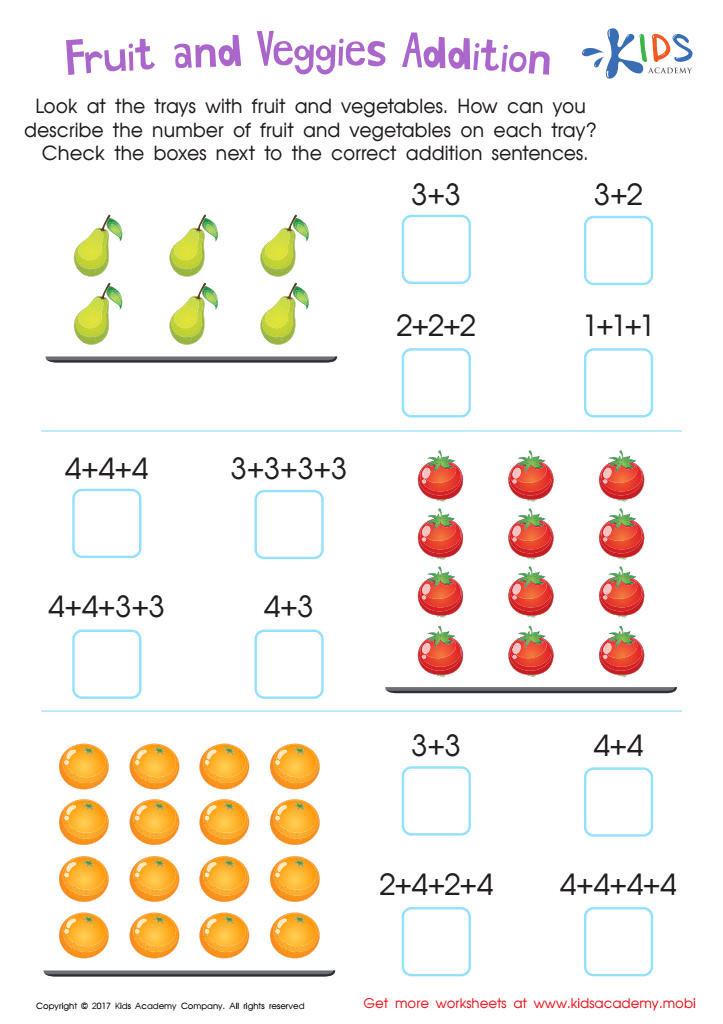
Fruit and Veggies Worksheet
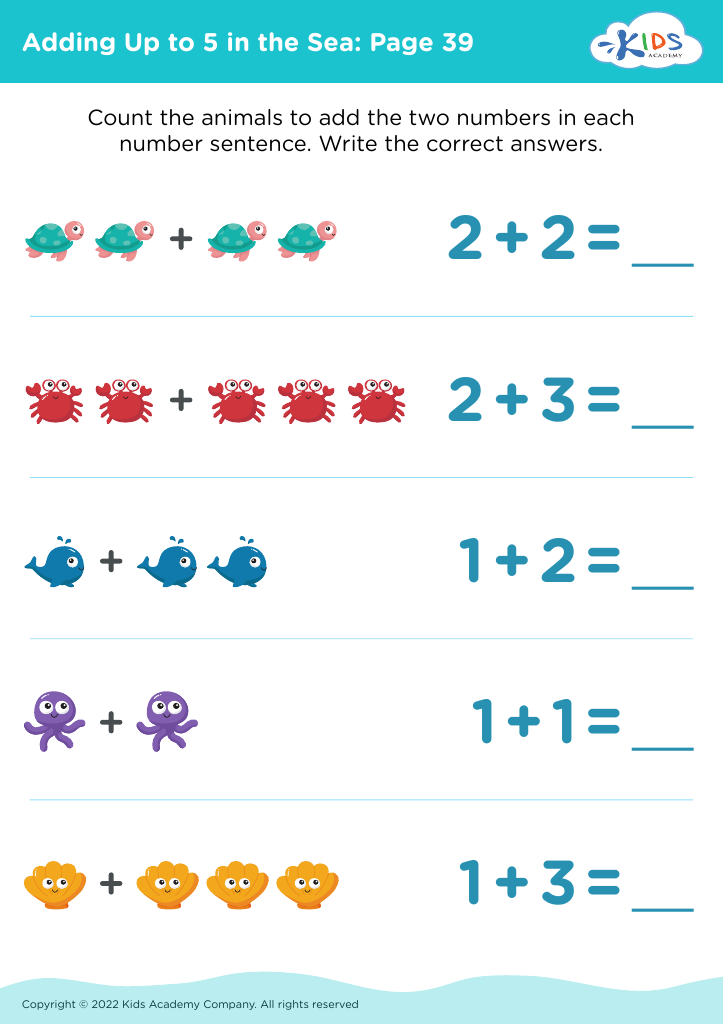
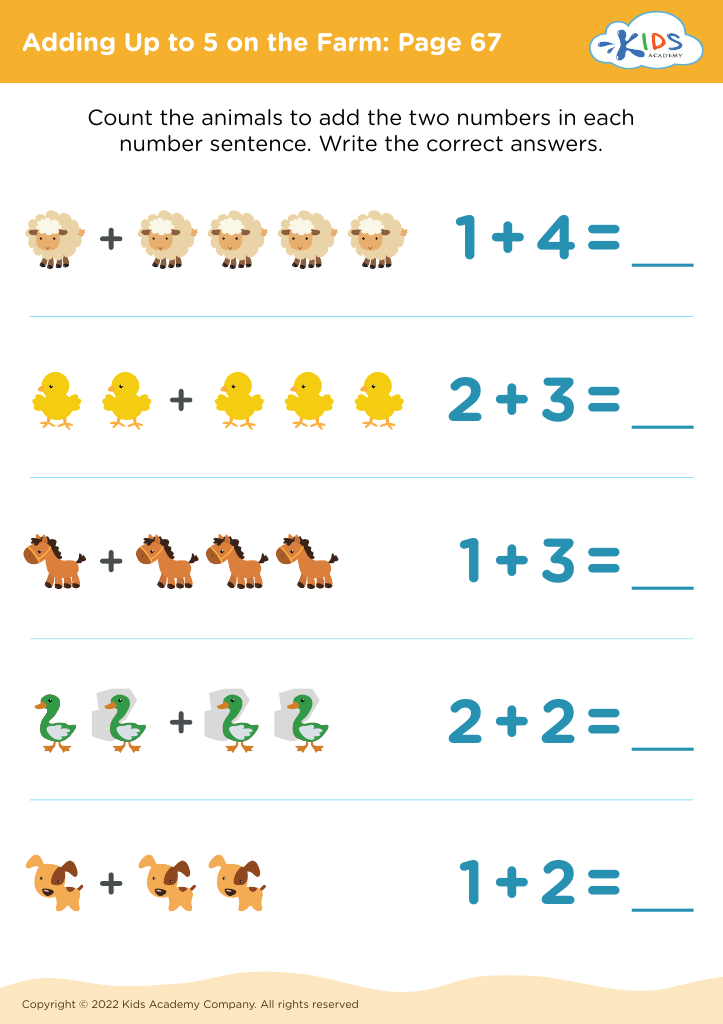



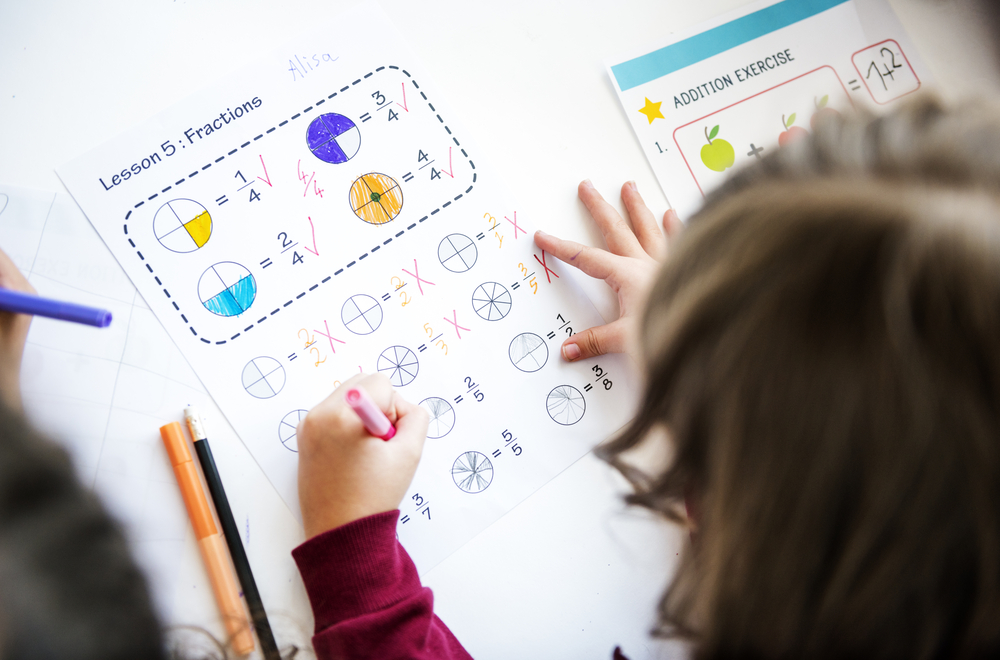




Counting practice is a crucial foundational skill in early mathematics education. Both parents and teachers should prioritize it for several compelling reasons. First, counting is the building block of all other math concepts. It lays the groundwork for understanding number sequences, arithmetic operations, and place value. Young learners who have a solid grasp of counting can more easily transition to more complex tasks such as addition, subtraction, and beyond.
Second, counting practice helps to develop number sense, an intuitive understanding of numbers and their relationships. This is integral for problem-solving and logical thinking. When children count objects, they begin to see patterns, develop an understanding of quantity, and learn to make connections between concepts.
Moreover, counting practice enhances fine motor skills and cognitive development. Activities like counting with fingers, using manipulatives, or drawing representational pictures, improve hand-eye coordination and spatiotemporal reasoning.
Finally, counting activities can be personalized and integrated into daily routines, making math both fun and relevant. Simple tasks like counting toys, snacks, or steps help children see math in their everyday life, fostering a positive attitude towards the subject.
In conclusion, investing time in counting practice sets students up for academic success, making it a beneficial focus for both parents and teachers.








