Developing observational skills Math Worksheets
4 filtered results
-
From - To
Discover the engaging world of math with our Developing Observational Skills Math Worksheets, uniquely crafted to foster keen observation in young learners. Tailored for early graders, these worksheets integrate fun, colorful activities that challenge children to discern patterns, spot differences, and make connections. By honing these crucial skills, students not only improve their mathematical abilities but also enhance their attention to detail and problem-solving strategies. Ideal for both classroom and at-home use, these printables help make learning an adventure. Transform your child's educational journey with Kids Academy and watch their confidence and analytical skills flourish.
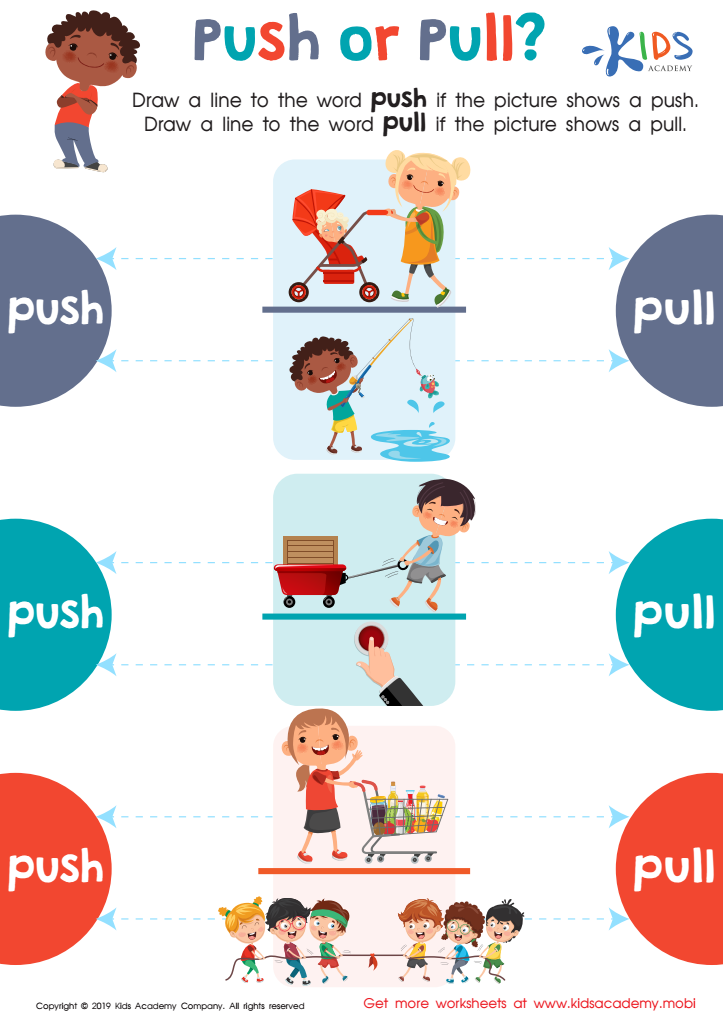
Push or Pull? Worksheet
 Assign to My Students
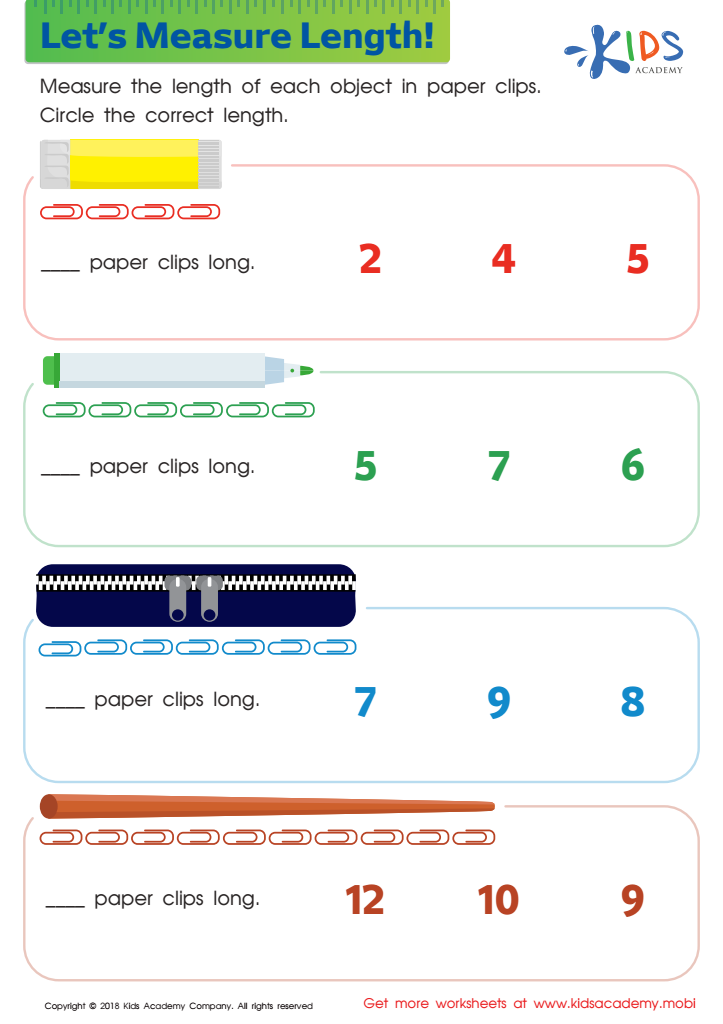
Lets Measure Length Worksheet
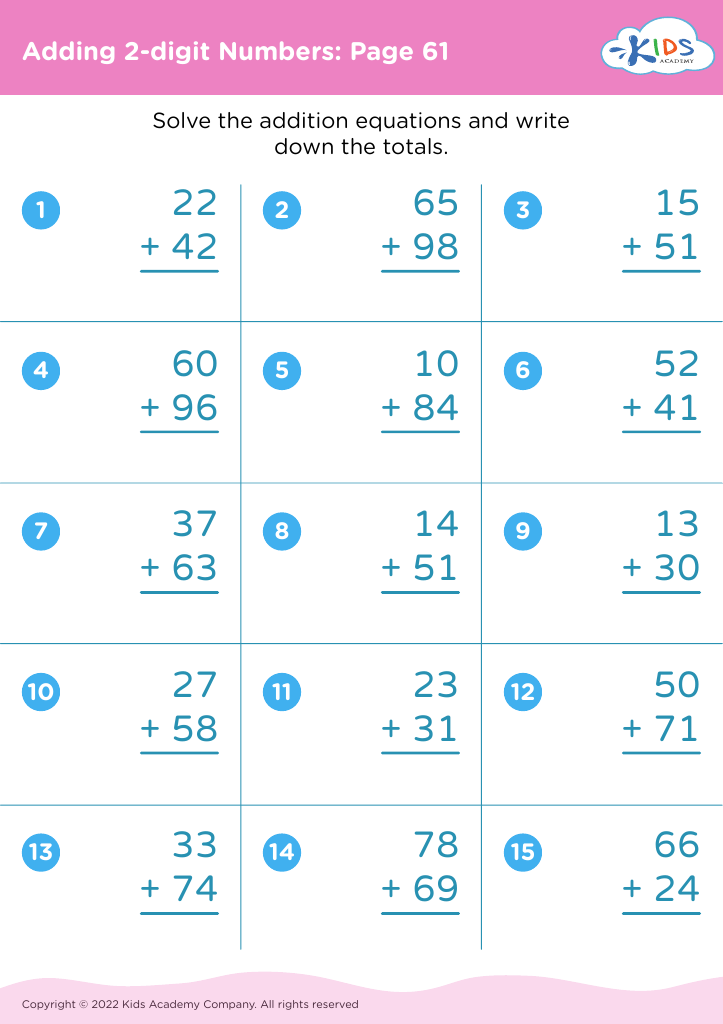
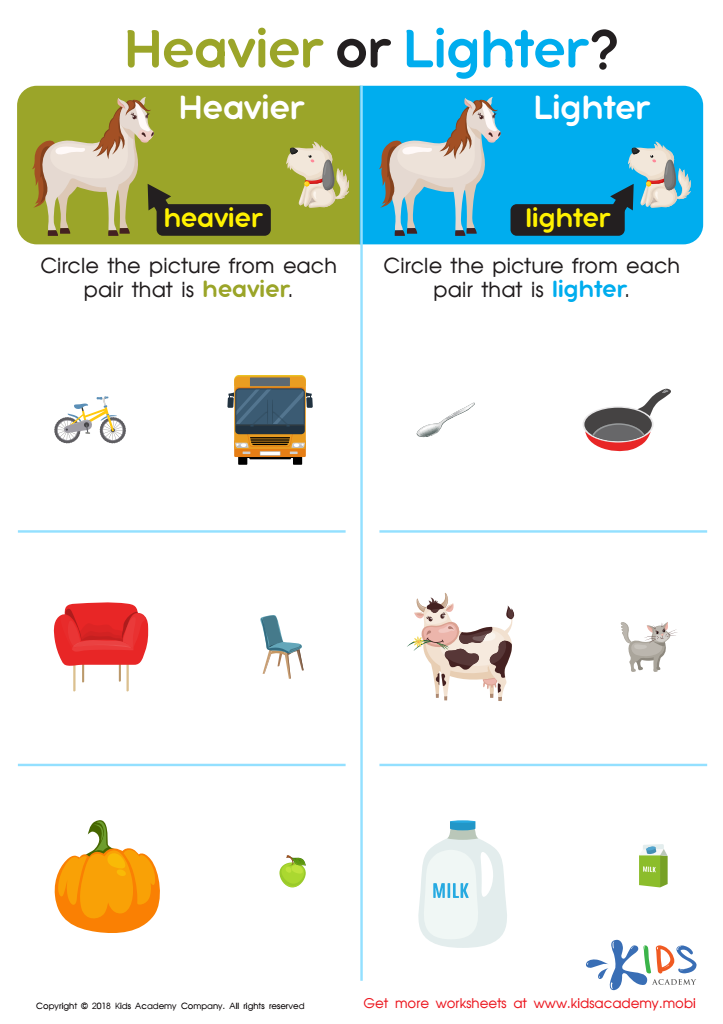
Heavier or Lighter? Worksheet






Developing observational skills in math is vital for children's overall cognitive development and practical daily functioning. Observational skills enable students to recognize patterns, relationships, and inconsistencies, which form the backbone of mathematical thinking. These skills lay the groundwork for more complex problem-solving and analytical tasks in the future.
Math goes beyond memorization; it requires understanding and the ability to see how concepts are interconnected, often observable in real-life scenarios. For instance, children who can notice repeating patterns or spatial relationships can apply this awareness to arithmetic, geometry, and even more abstract algebraic concepts. This foundational competence helps in grasping more complex mathematical ideas, like functions or scientific reasoning, which become essential later on.
Furthermore, strong observational skills contribute to improved attention to detail and critical thinking, qualities that enhance academic performance across all subjects. Noticing small details can lead to greater accuracy in solving math problems and help identify errors when they occur, promoting a habit of checking and reassessment.
For teachers and parents, fostering these skills early on can cultivate a love for learning and confidence in math—subjects often stigmatized as difficult or unapproachable. Utilizing games, discussions, and observational exercises will keep the learning process engaging, encouraging children to become enthusiastic learners who look beyond the surface of problems in all areas of life.








