Enhance fine motor skills Math Worksheets
5 filtered results
-
From - To
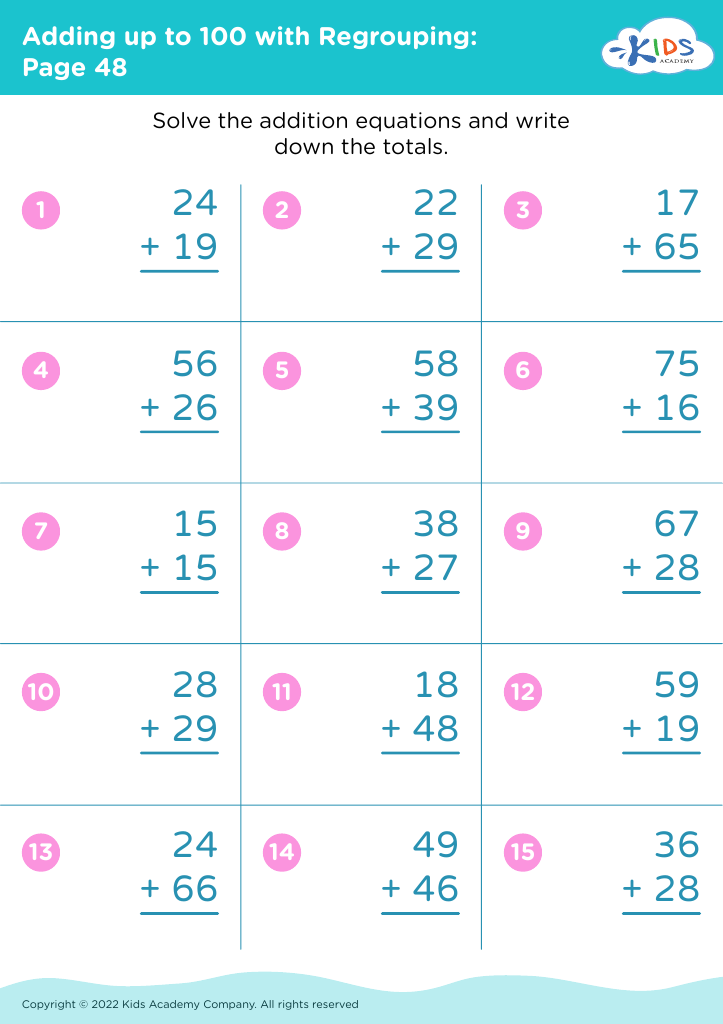
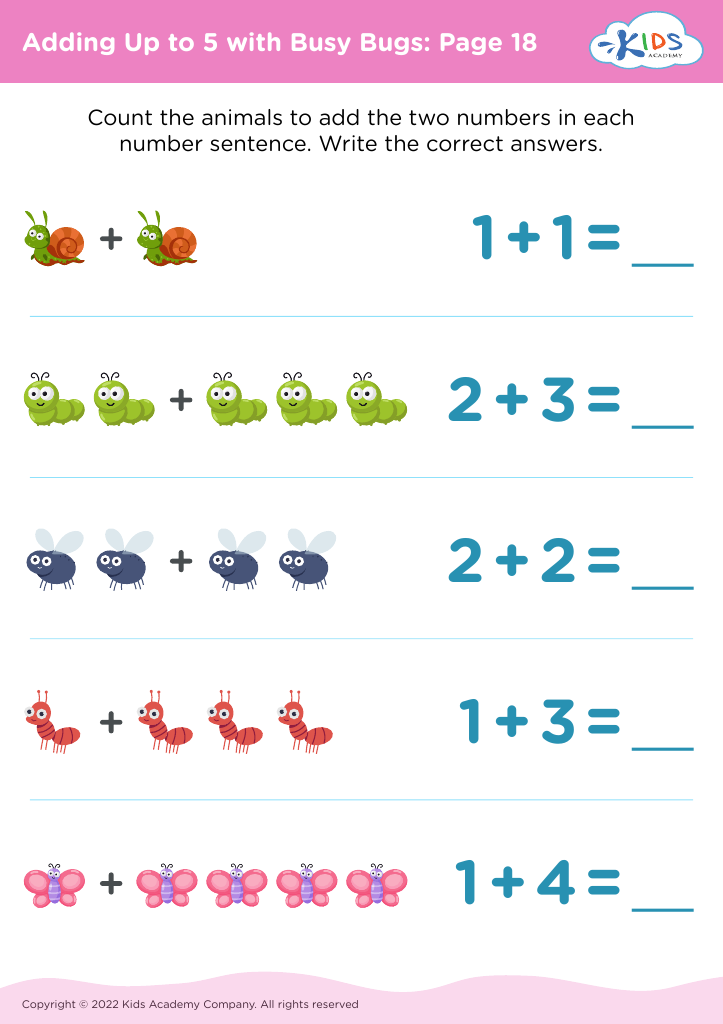
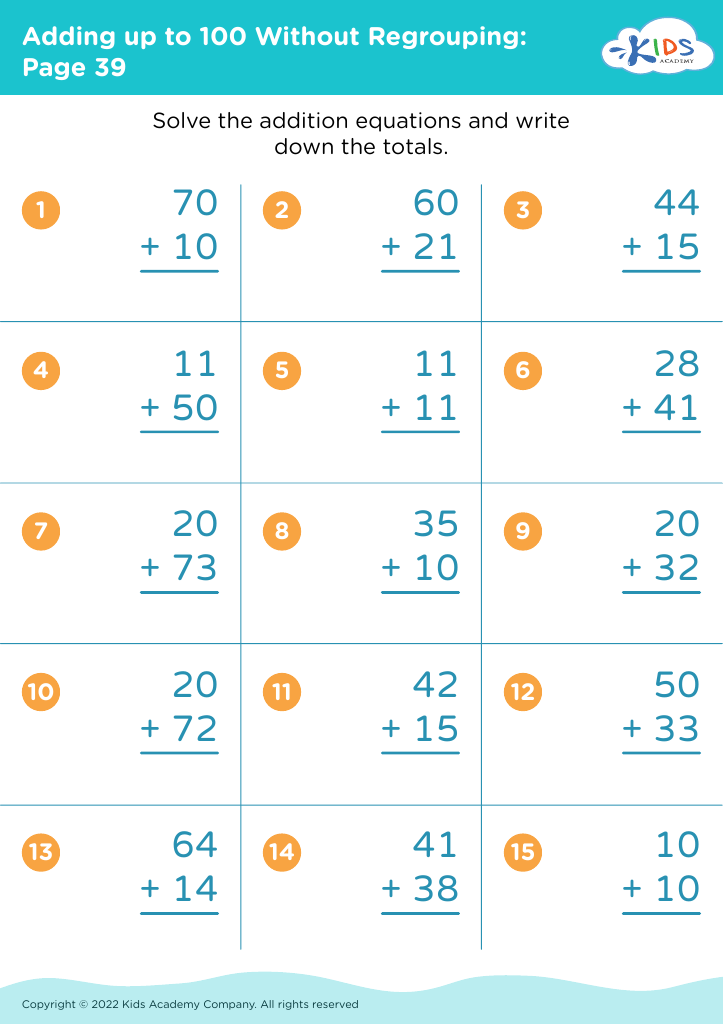
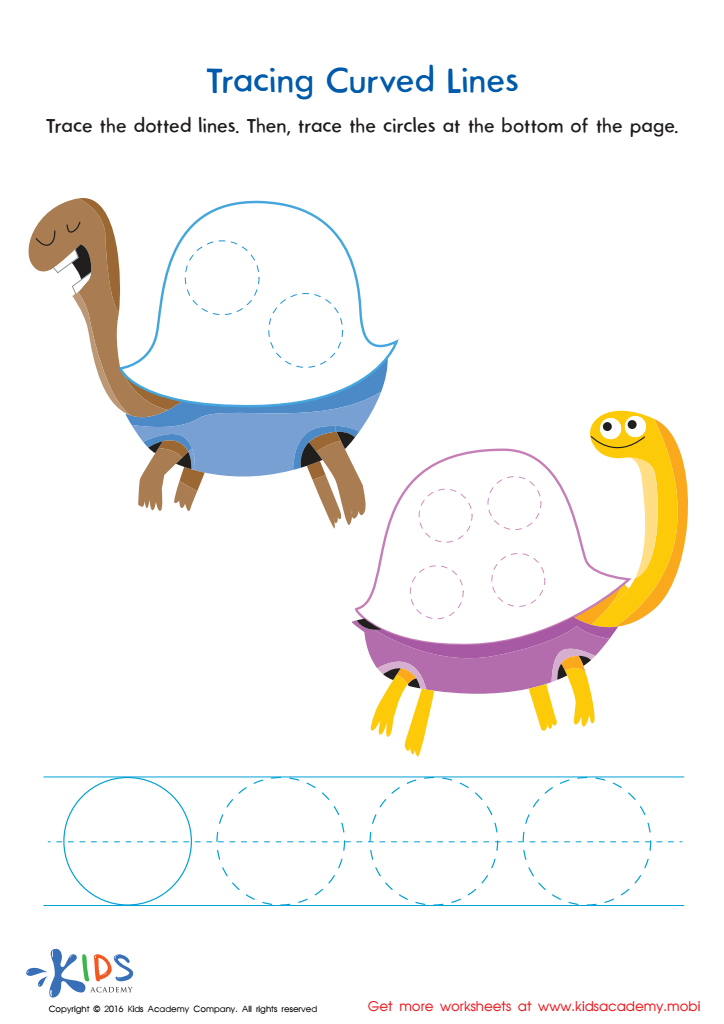
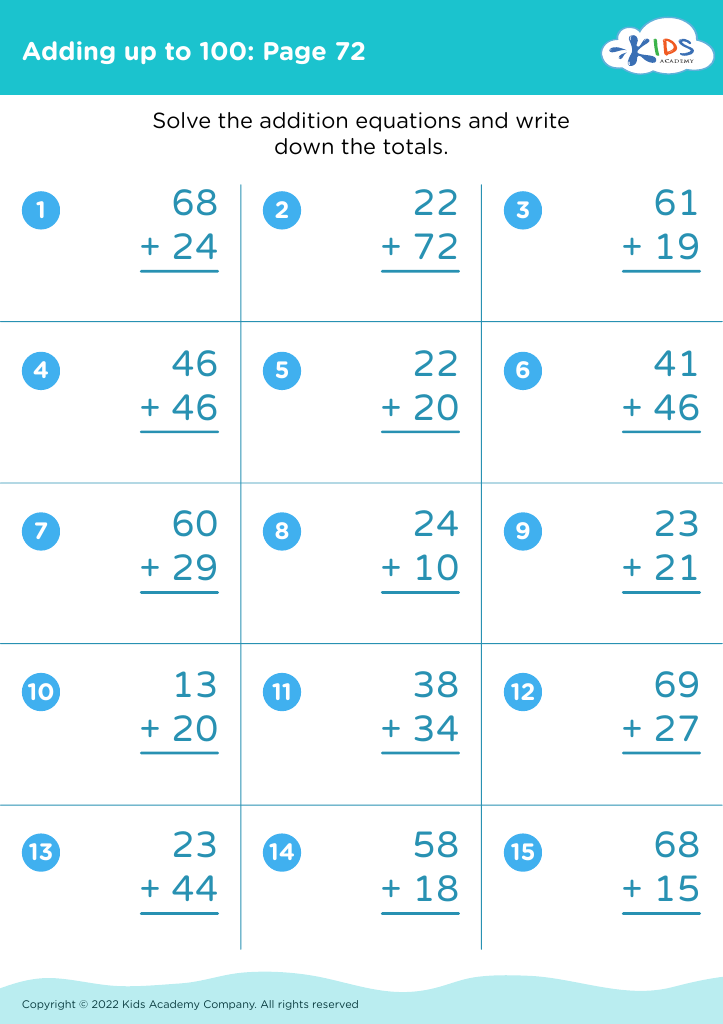
Improve your child's fine motor skills while mastering essential math concepts with our engaging worksheets! Designed for early learners, our "Enhance Fine Motor Skills Math Worksheets" combine fun activities with essential math practices. Each worksheet features creative tasks that encourage children to cut, trace, and manipulate shapes, helping to develop hand-eye coordination and dexterity. From counting objects to solving simple equations, these worksheets make learning interactive and enjoyable. Perfect for at-home practice or classroom use, our resources aim to build confidence in young mathematicians while fostering important motor skills. Download today to support your child's educational journey!
 Assign to My Students



.jpg)




Enhancing fine motor skills in children is crucial for their overall development, especially in learning foundational subjects like math. Fine motor skills, which involve the coordination of small muscles in the hands and fingers, are essential for numerous everyday tasks and academic activities. When children engage in mathematical activities that require fine motor precision—such as writing numbers, using manipulatives, or drawing shapes—they not only strengthen their dexterity but also improve their cognitive functioning.
Research shows that children who have developed strong fine motor skills often demonstrate greater confidence and competence in math tasks. These skills help them properly grasp and manipulate objects, manage tools such as pencils and rulers, and even engage in more intricate tasks like folding paper for geometry lessons. Furthermore, fine motor development supports critical thinking and problem-solving abilities, essential for math proficiency.
For parents and teachers, fostering these skills can lead to improvements in a child's academic performance and self-esteem. By incorporating activities such as counting beads, drawing numbers, or using cutting tools into math lessons, adults can make learning enjoyable and effective. Overall, supporting fine motor skill development in children lays the groundwork for successful learning experiences in math and beyond.








