Improve fine motor skills Math Worksheets
3 filtered results
-
From - To
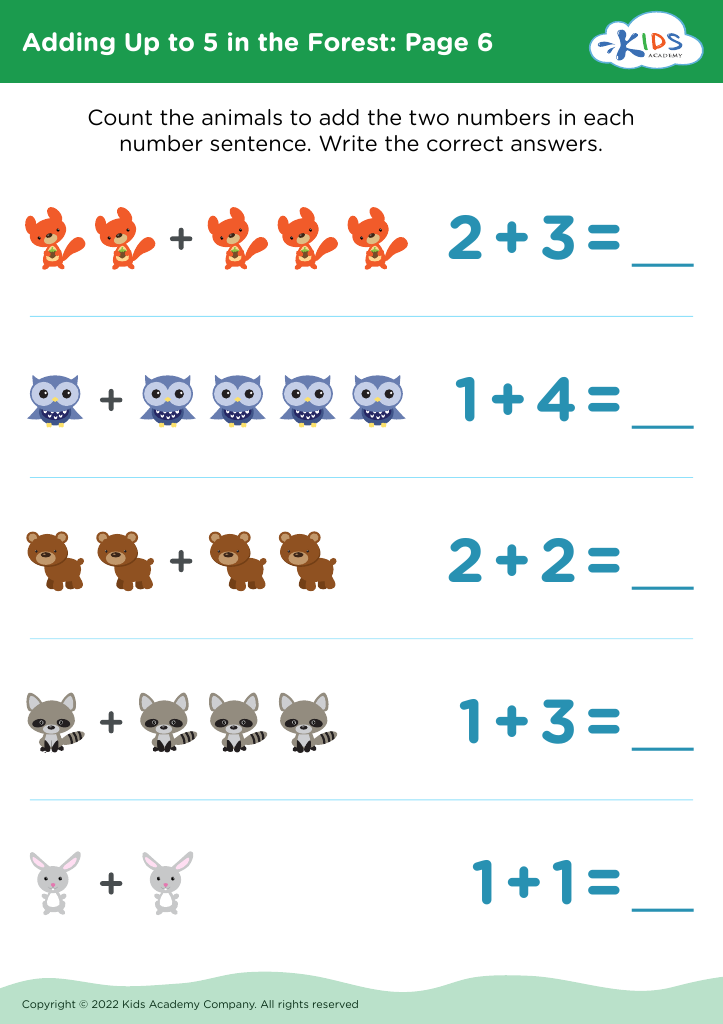
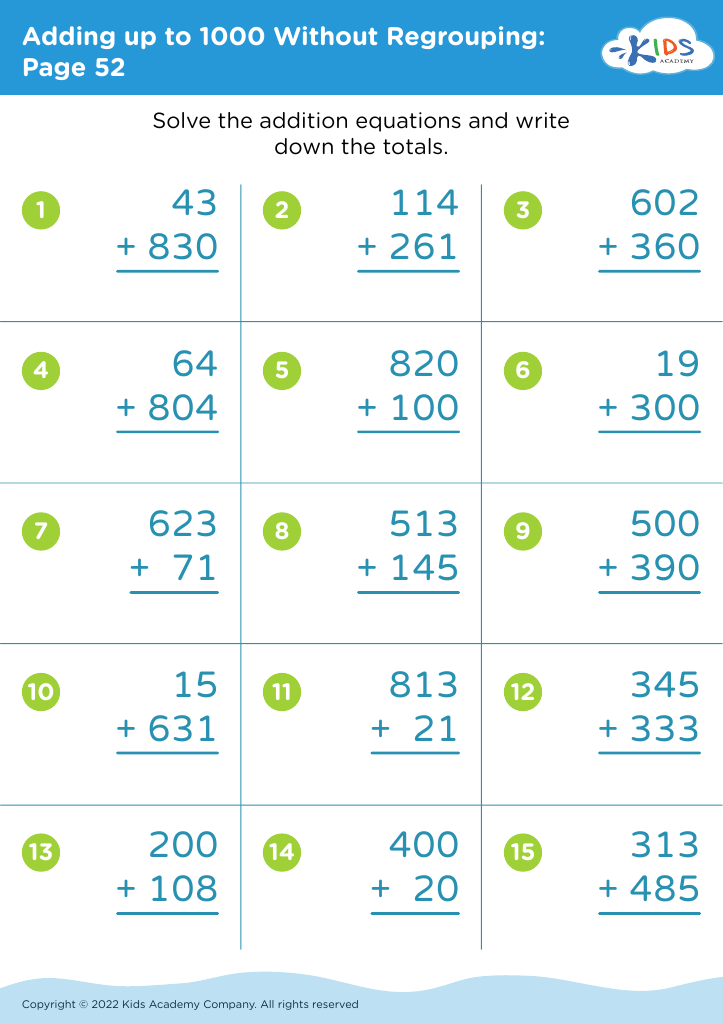
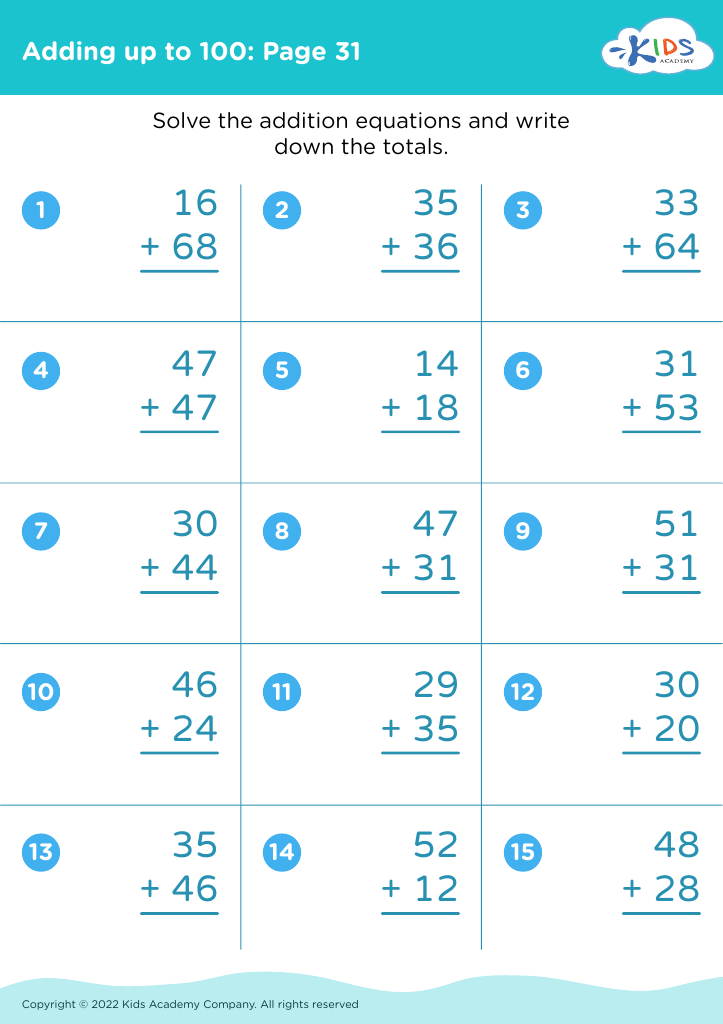
Enhance your child's fine motor skills with our engaging Math Worksheets designed for early learners. These worksheets combine essential math concepts with fun, hands-on activities that promote dexterity and coordination. Each worksheet features innovative exercises, from tracing numbers and shapes to integrating cutting and pasting tasks, all aimed at reinforcing math proficiency while developing fine motor control. Perfect for preschool and kindergarten students, our worksheets are designed to make learning enjoyable and effective. Download, print, and watch your child thrive as they improve their skills and confidence in both math and fine motor abilities. Fun learning starts here!







Improving fine motor skills is crucial for children, as it directly impacts their ability to perform various academic tasks, including math. Fine motor skills involve the coordination of small muscles, particularly in the hands and fingers, which are essential for writing, manipulating tools, and using educational materials. When children master these skills, they are better equipped to engage in hands-on activities, such as using math manipulatives or completing worksheets effectively.
For parents and teachers, fostering fine motor skills contributes to a child’s overall academic confidence and performance. In math, the ability to handle tools like rulers, scissors, and counting objects is vital for understanding geometric concepts, spatial awareness, and basic arithmetic operations. As children become more proficient with their fine motor skills, they can tackle math problems with greater ease, enhancing their learning experience.
Moreover, enjoying activities that strengthen these skills, such as bead stringing, drawing, or playing with clay, can help children develop a positive association with learning. This not only fosters a love for math but also prepares them for more advanced mathematical concepts in the future. Ultimately, investing in fine motor development is an investment in a child's educational success and lifelong learning capabilities.








