
Improving observation Math Worksheets
3 filtered results
Difficulty Level
Grade
Age
-
From - To
Subject
Activity
Standards
Enhance your child's math skills with our "Improving Observation" Math Worksheets! Designed for young learners, these engaging and interactive resources foster keen observation and analytical thinking in math. Our worksheets encourage children to closely examine patterns, relationships, and problem-solving techniques, ensuring a deep understanding of essential math concepts. With vibrant visuals and fun activities, these worksheets not only boost mathematical abilities but also cultivate critical thinking skills essential for academic success. Perfect for classroom settings or home learning, our printable worksheets are a valuable tool for teachers and parents alike. Discover the joy of learning with our "Improving Observation" Math Worksheets today!
Favorites
With answer key
Interactive
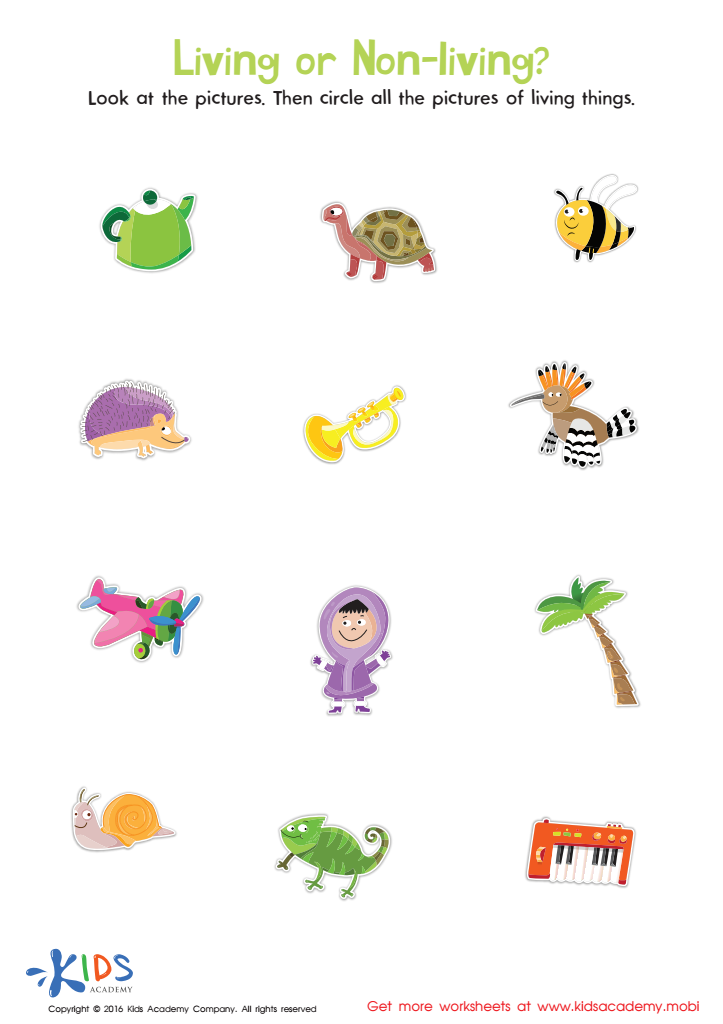
Identifying Living and Non–living Things Sorting Worksheet
Help your child sort living and non-living objects with this cute worksheet. Kids will use problem-solving skills to recognize and categorize the images they see. Matching worksheets available to help their skills soar.
 Assign to My Students
Identifying Living and Non–living Things Sorting Worksheet
Worksheet
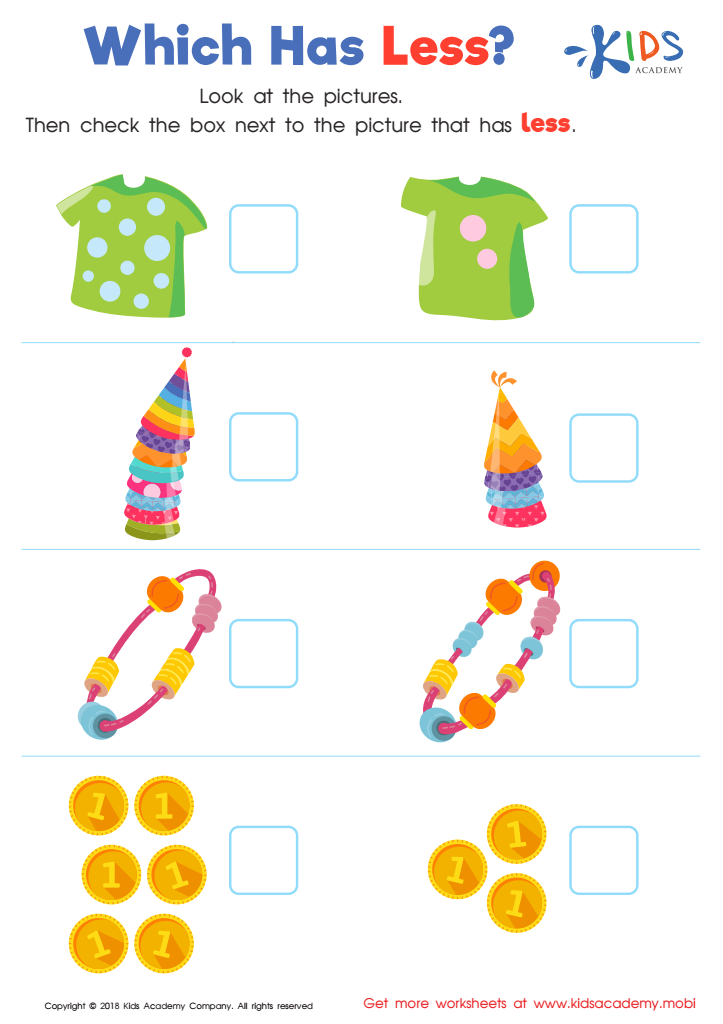
Which Has Less? Worksheet
Kids can develop their number sense by comparing and contrasting objects to identify which has less. This worksheet helps them practice: it's bright and colorful, featuring familiar objects and pictures to count, strengthening basic counting skills. It's the perfect warm-up for comparing and contrasting larger numbers.
Which Has Less? Worksheet
Worksheet
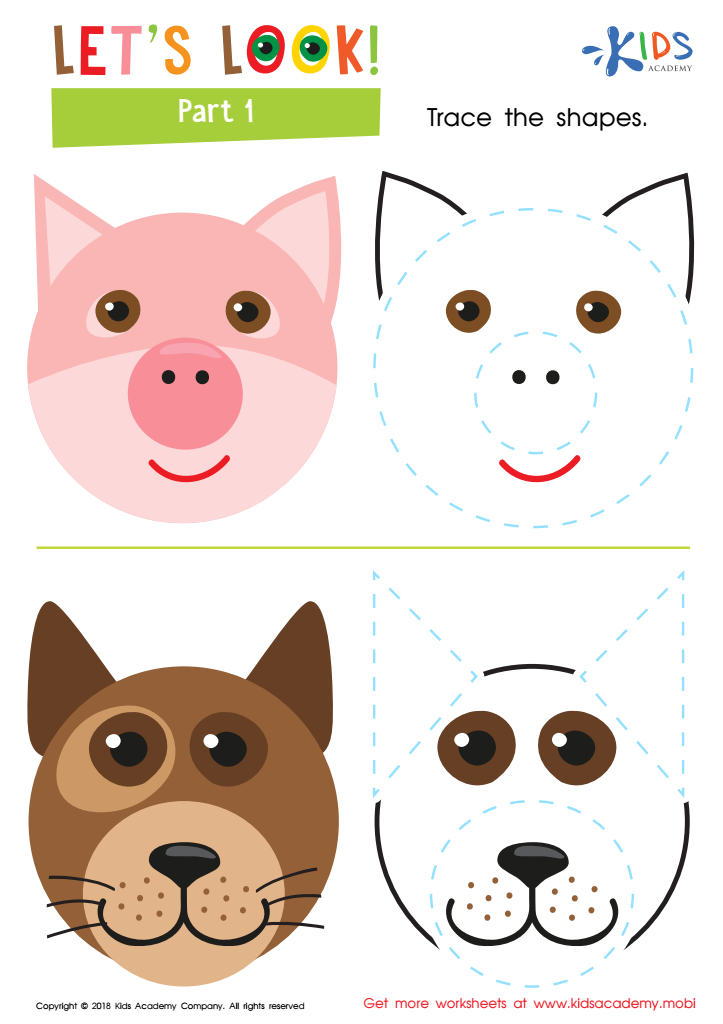
Let's Look! Part 1 Worksheet
If your kids love animals or have a pet at home, they'll get a kick out of this tracing worksheet. It tests their ability to imitate shapes, starting with a pig and followed by a dog. Beside each of these pictures is a space for tracing the shapes. Unleash your child's creativity and see what they come up with!
Let's Look! Part 1 Worksheet
Worksheet
Join Kids Academy for Free
Who is primarily going to use this learning content?



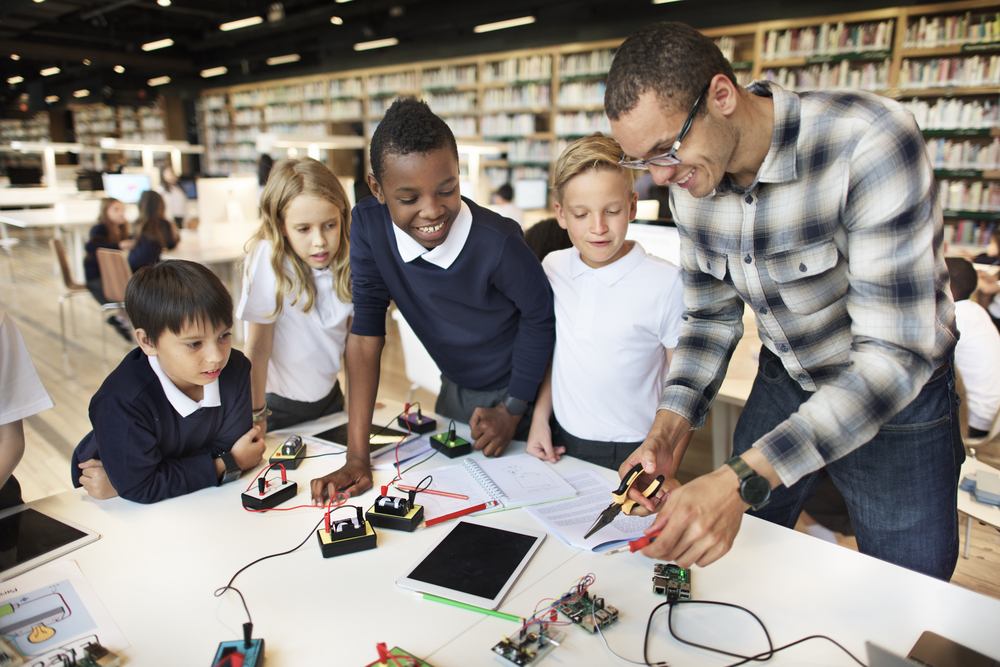




Improving observation in math is crucial for parents and teachers as it enhances a child's understanding and engagement in the subject. Active observation allows adults to identify students' strengths, weaknesses, and behavioral patterns in mathematics, which directly informs targeted instruction and support.
When educators are attuned to students' thought processes, they can tailor their teaching methods to address individual learning needs, fostering a more inclusive educational environment. This personalized approach not only boosts student confidence but also helps in creating positive learning experiences, making math less intimidating and more enjoyable.
For parents, observing how their child approaches math problems can unveil valuable insights into their learning style and interests. Engagement in discussions about math can nurture a child's positive attitude toward the subject and reinforce problem-solving skills in everyday scenarios.
Additionally, strengthening observation skills encourages a collaborative partnership between home and school, promoting continuity in learning. When parents and teachers observe and communicate effectively, progress can be tracked more seamlessly, contributing to better academic outcomes.
In summary, focusing on observational techniques in math education promotes a deeper understanding, tailors instruction, fosters positive attitudes, and encourages collaborative efforts between parents and teachers, paving the way for students' success.








