Learning number patterns Math Worksheets
4 filtered results
-
From - To
Discover the joy of mastering number patterns with our engaging Math Worksheets! Designed for early grade learners, these interactive activities help students recognize and extend numerical sequences through fun exercises. Our collection features a variety of worksheets that introduce essential skills, like counting, skip counting, and identifying odd and even numbers. Each worksheet is crafted to make learning enjoyable while reinforcing foundational math concepts necessary for future success. Perfect for classroom or at-home practice, these worksheets encourage critical thinking and enhance problem-solving skills. Explore our resources to support your child's math journey, ensuring they build confidence and knowledge in number patterns today!
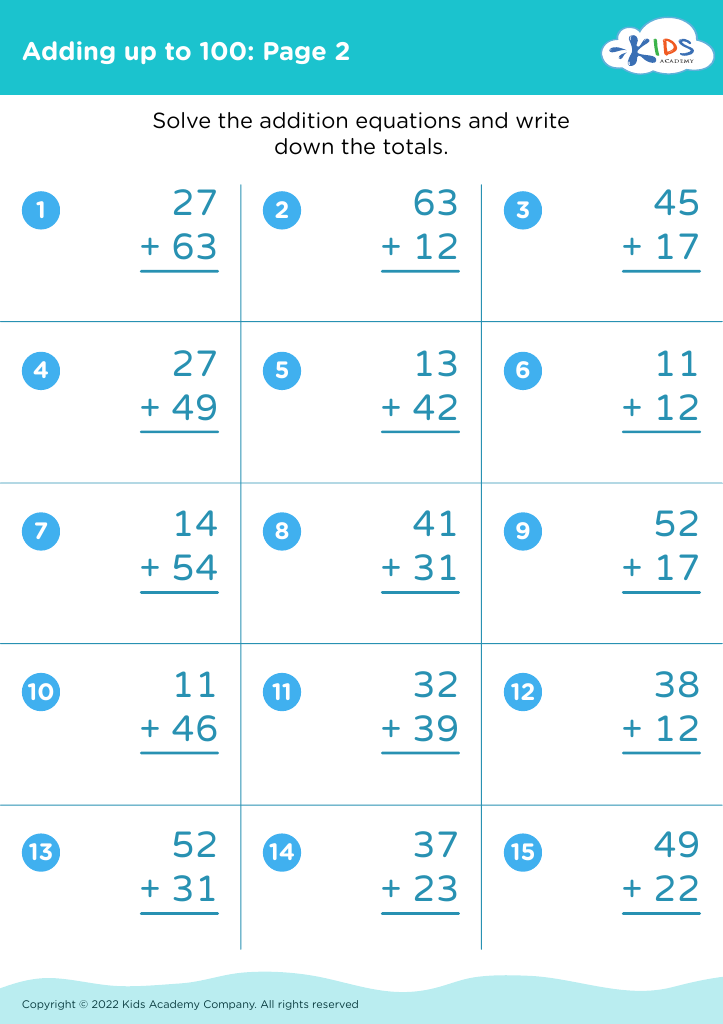
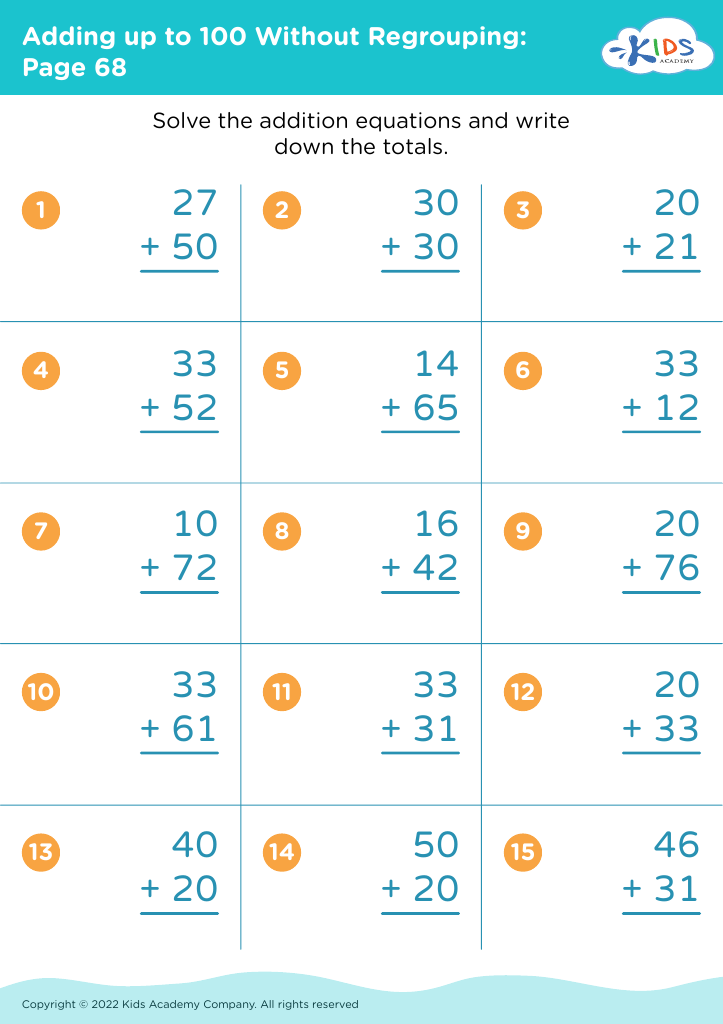
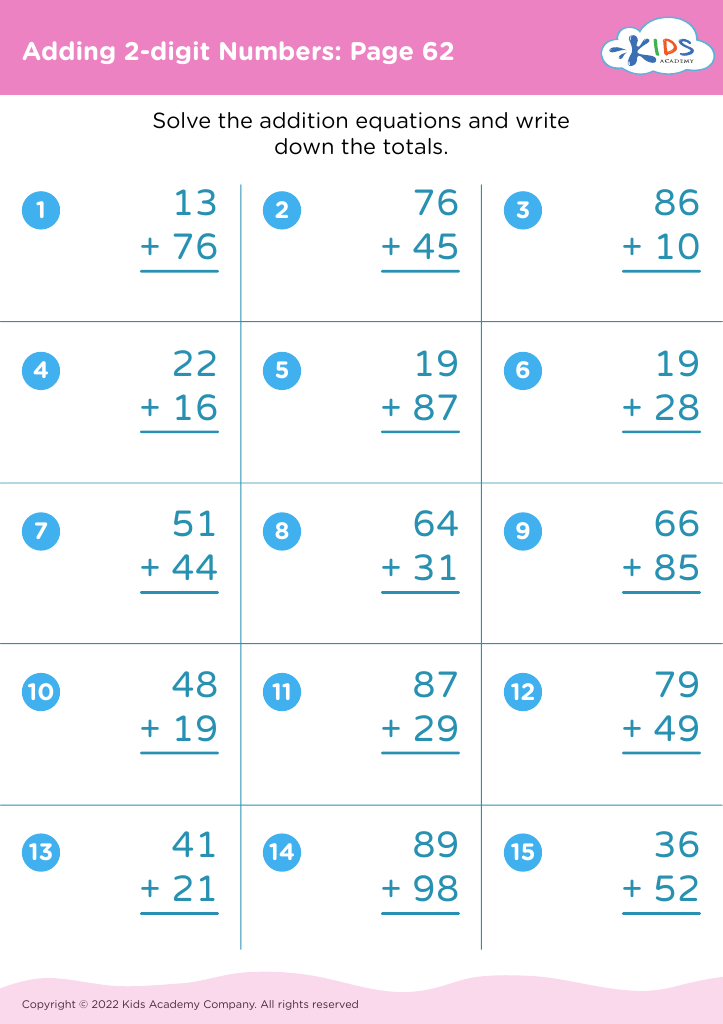
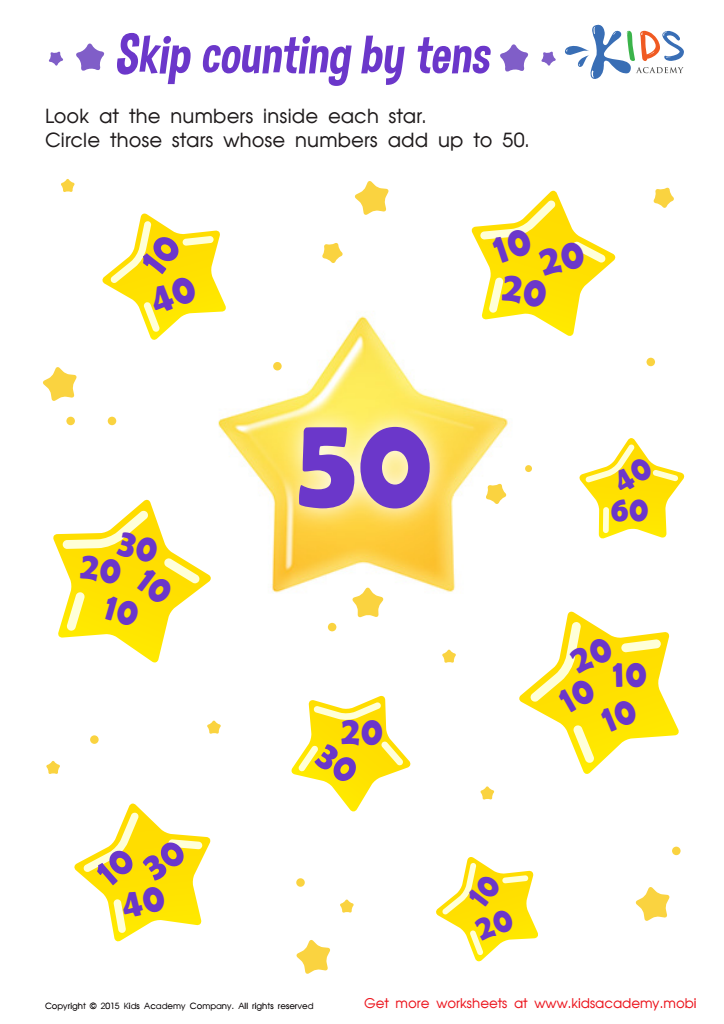
Learn Dozens: Skip Counting by Tens Printable
 Assign to My Students





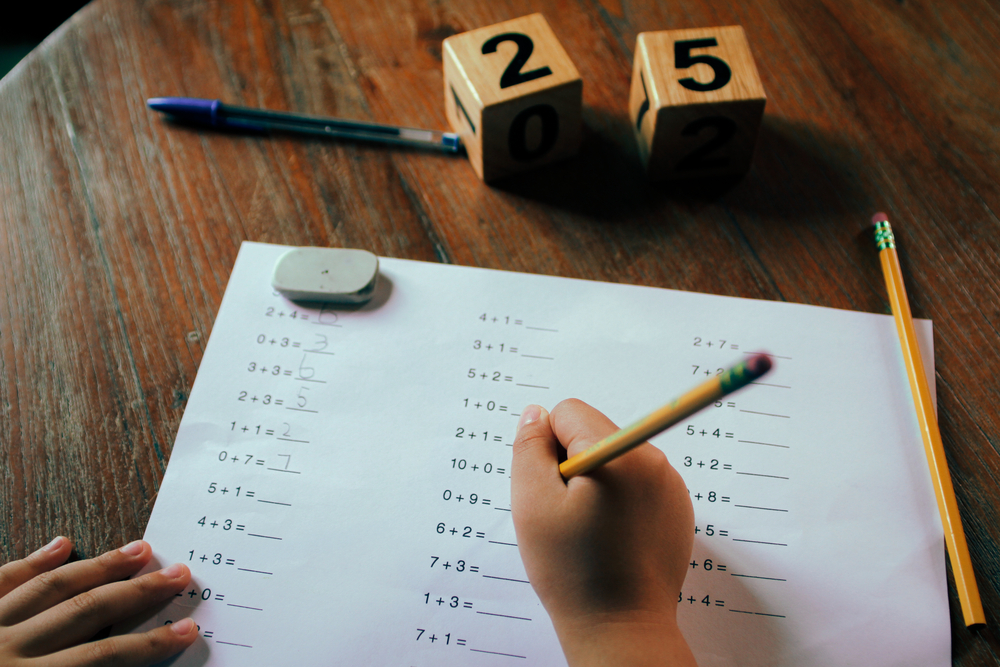


Understanding number patterns is crucial for early learners as they form the foundation for more advanced mathematical concepts. Parents and teachers should prioritize learning about number patterns for several reasons.
Firstly, number patterns enhance problem-solving skills. Recognizing sequences helps children develop logical thinking and analysis, which are essential in mathematics and everyday life. For example, identifying an increasing or decreasing pattern can lead to predictions about future numbers, fostering critical reasoning skills.
Secondly, learning number patterns supports fluency in arithmetic. When children understand how numbers relate to one another through patterns, they can mentally calculate and solve problems more efficiently. This fluency builds confidence in their math abilities.
Moreover, mastery of patterns prepares students for algebraic concepts. Patterns are the foundation of algebra, teaching students to recognize relationships and functions that will be critical in their future studies.
Finally, engaging with number patterns can be fun and interactive, making learning enjoyable. Activities centered around patterns, like games and puzzles, encourage collaboration and social interaction among peers.
In summary, focusing on number patterns not only strengthens foundational math skills but also promotes logical reasoning, confidence, and engagement in learning. It's an essential part of a well-rounded education in mathematics.








