Mathematical reasoning Math Worksheets - Page 2
63 filtered results
-
From - To
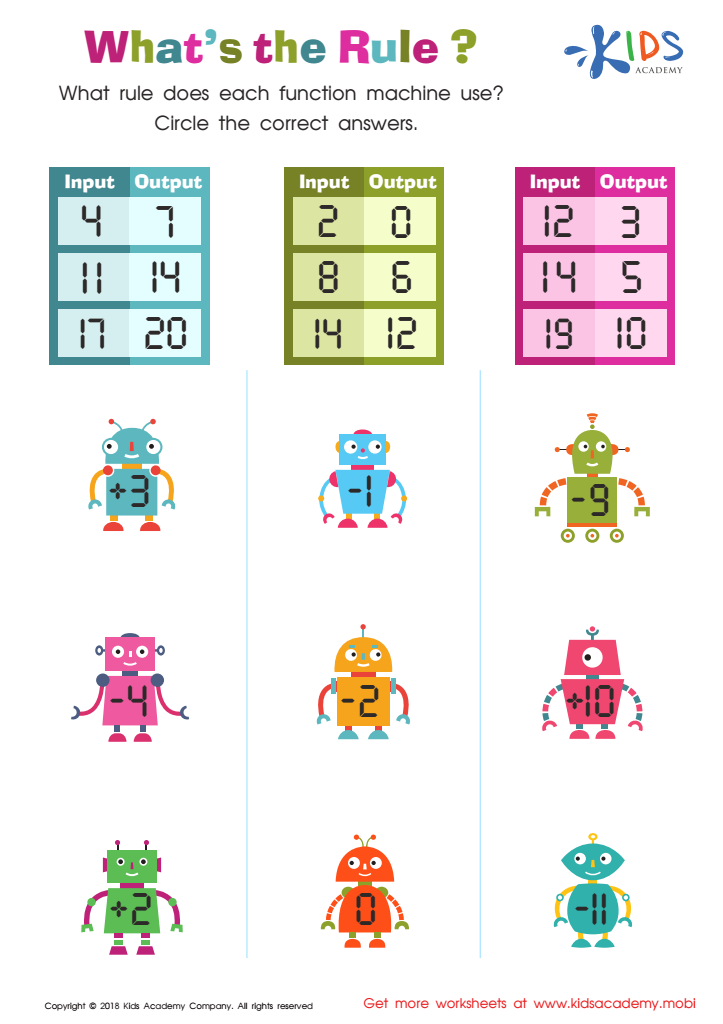
What's the Rule Worksheet
 Assign to My Students
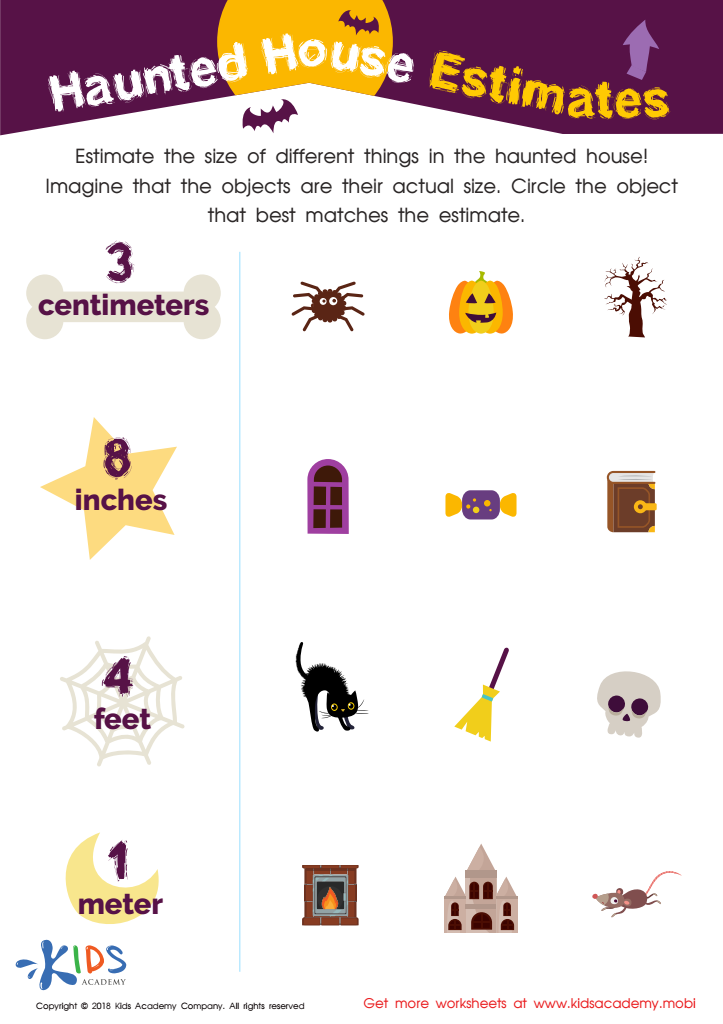
Haunted House Estimates Worksheet
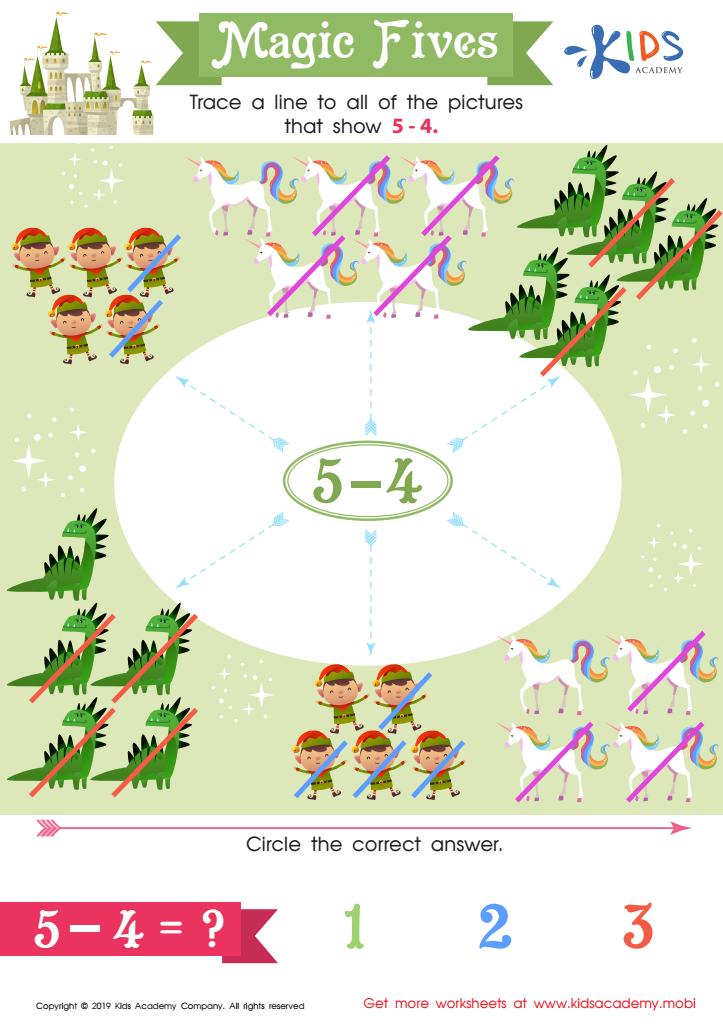
Magic Fives Worksheet
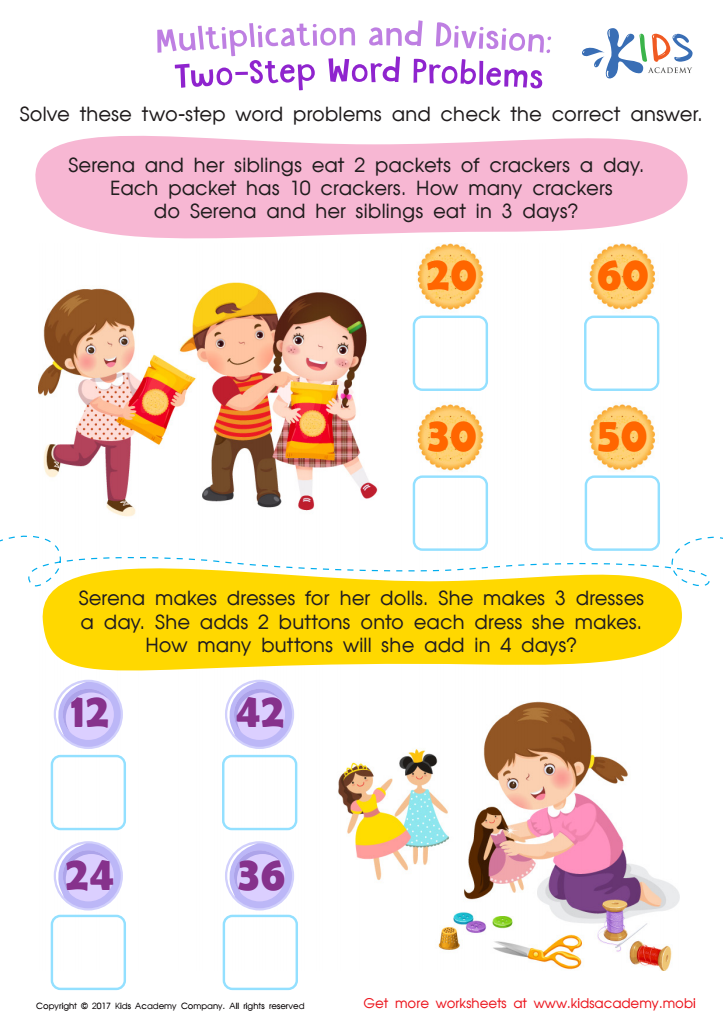
Two Step Word Problems Worksheet
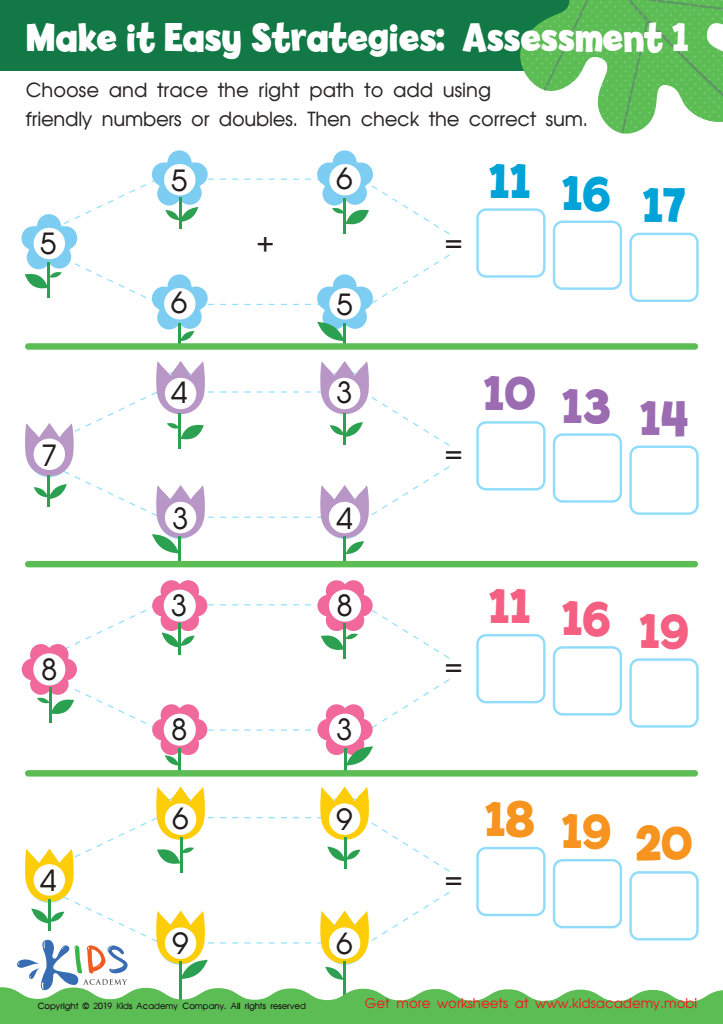
Make it Easy Strategies: Assessment 1 Worksheet
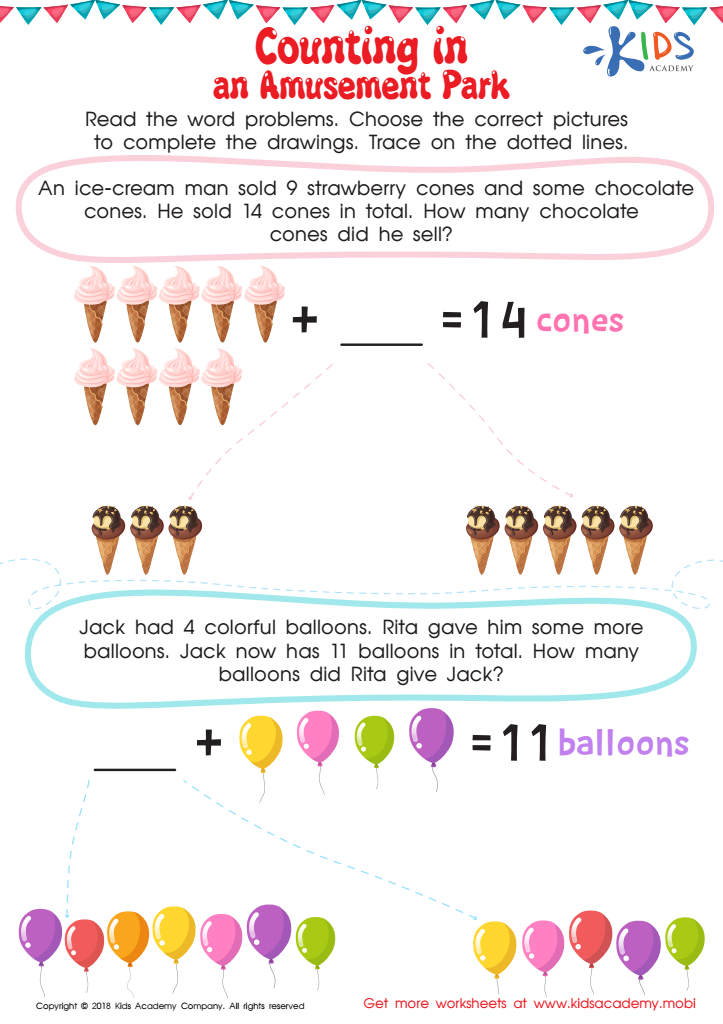
Counting in an Amusement Park Worksheet
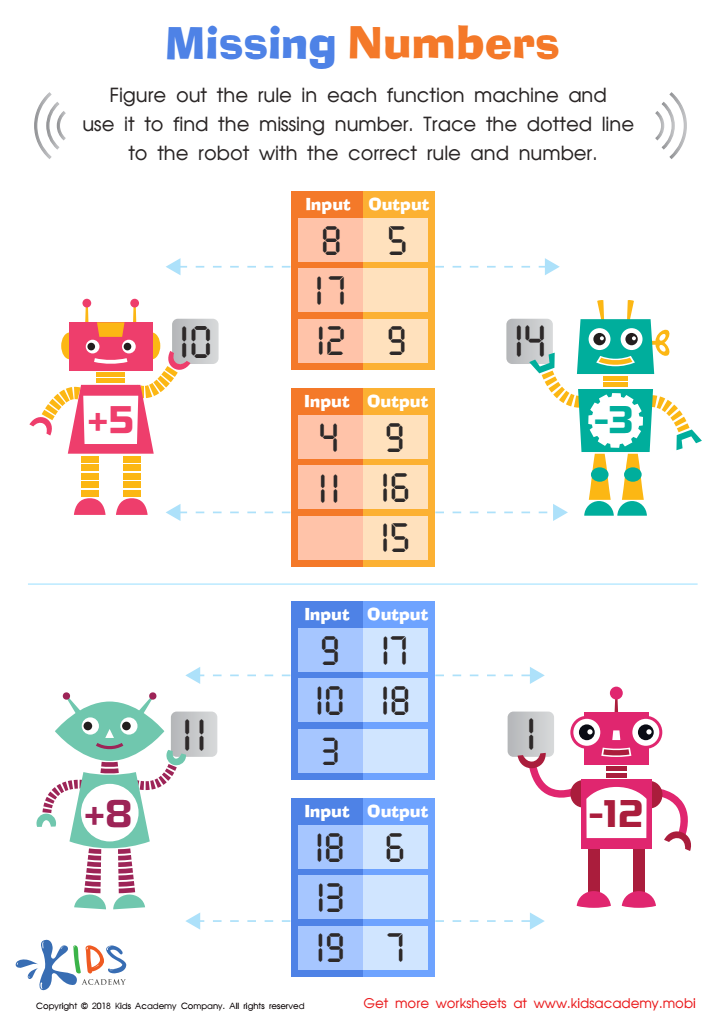
Missing Numbers Worksheet
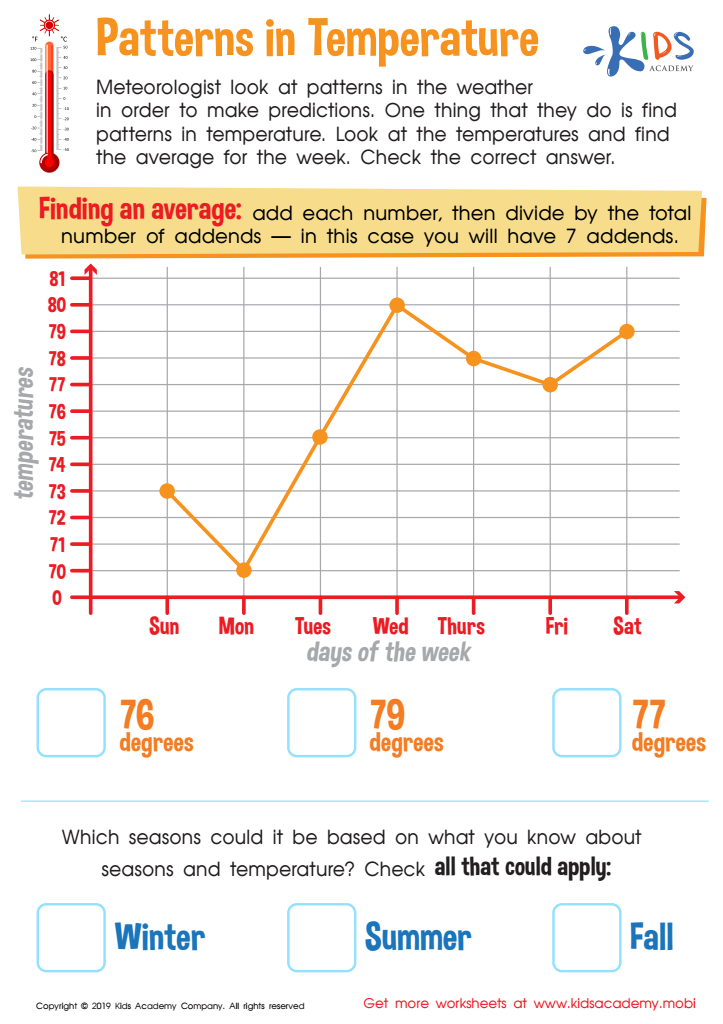
Patterns in Temperature Worksheet
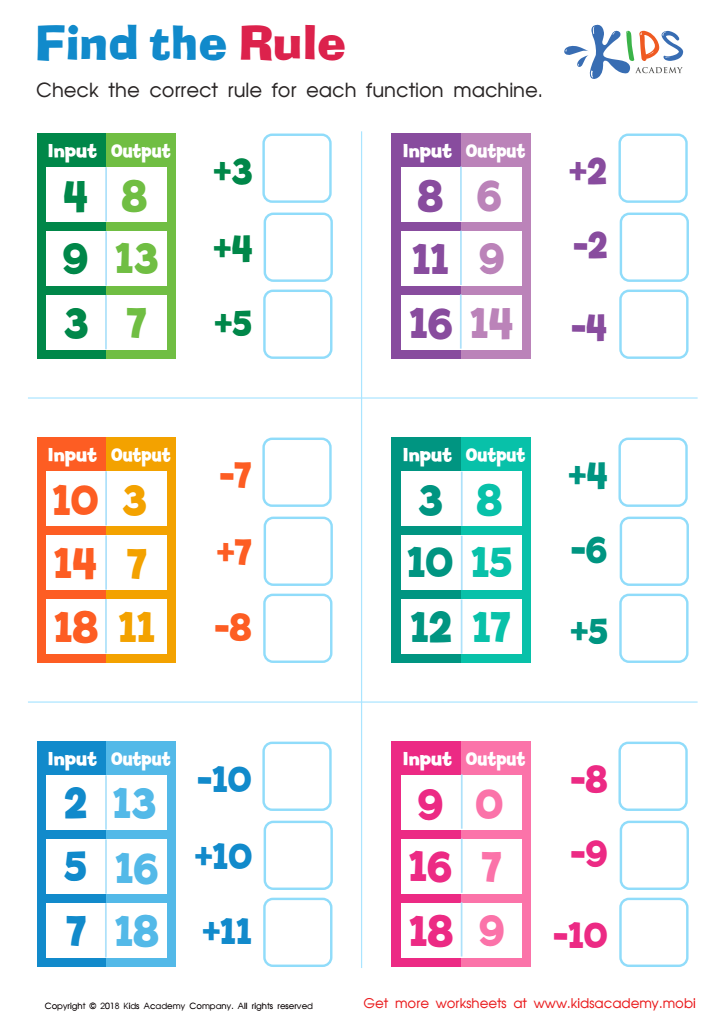
Find the Rule Worksheet
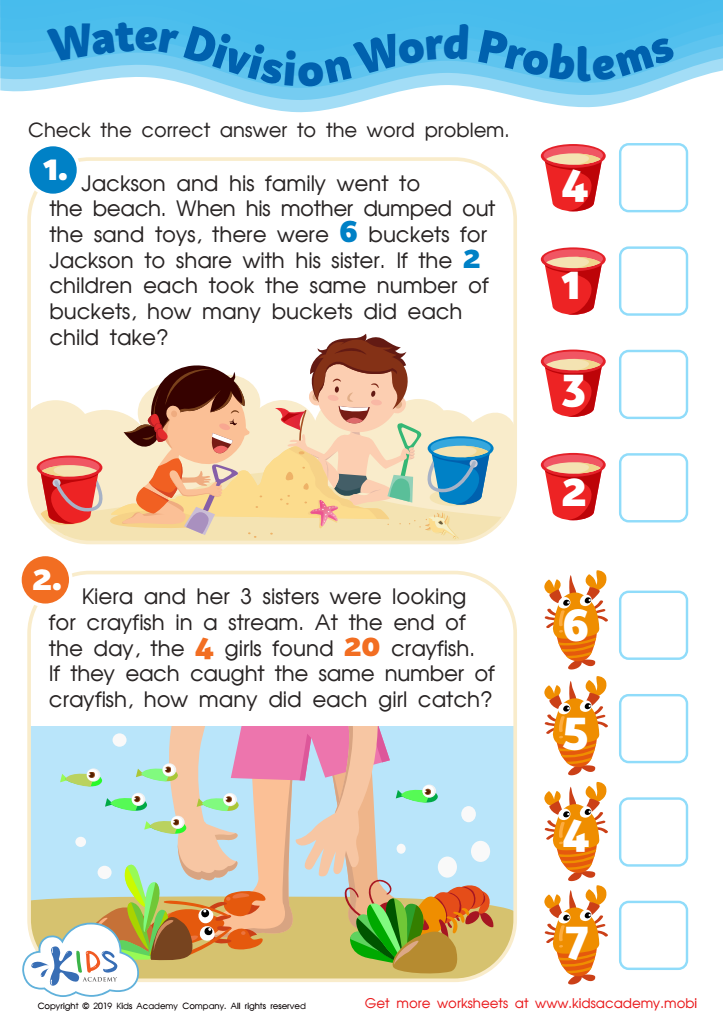
Water Division Word Problems Worksheet
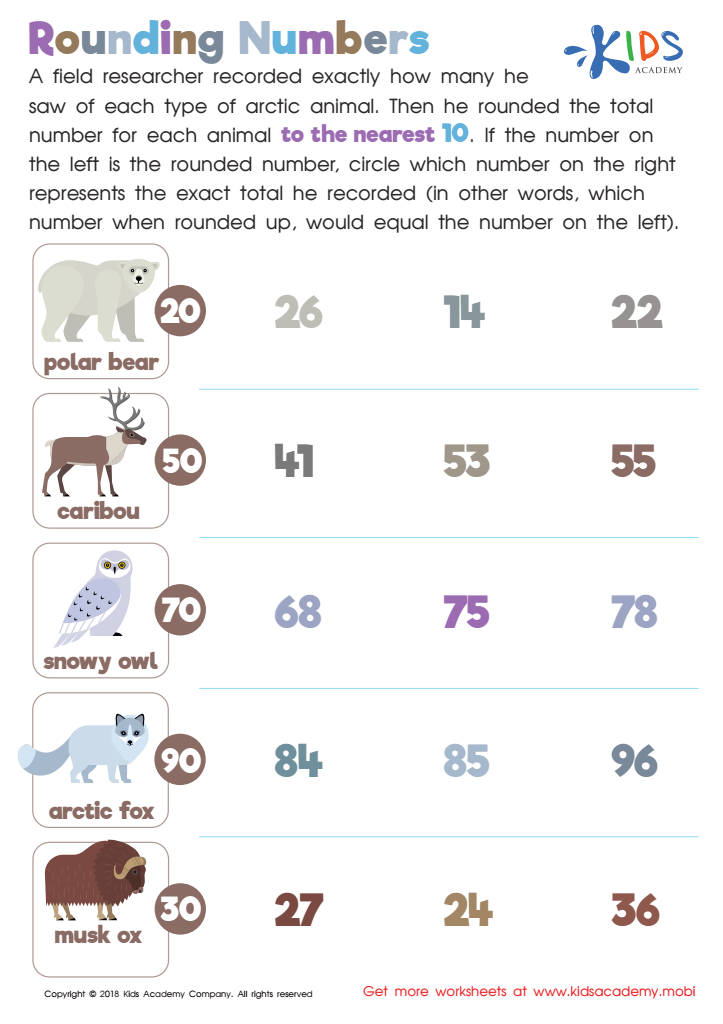
Rounding Numbers Worksheet
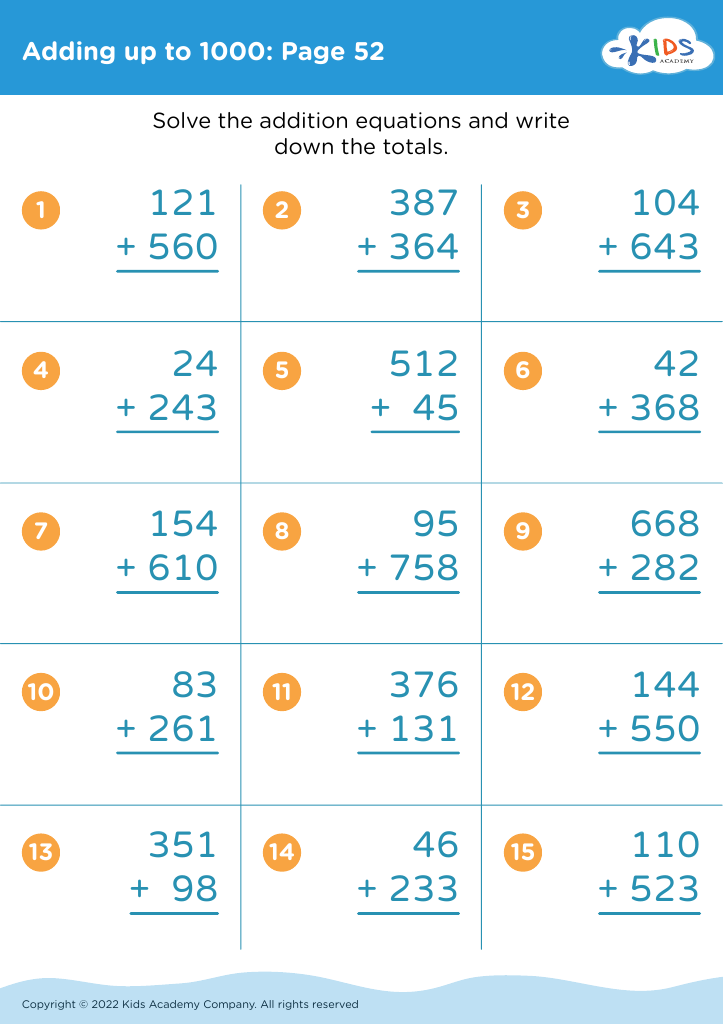
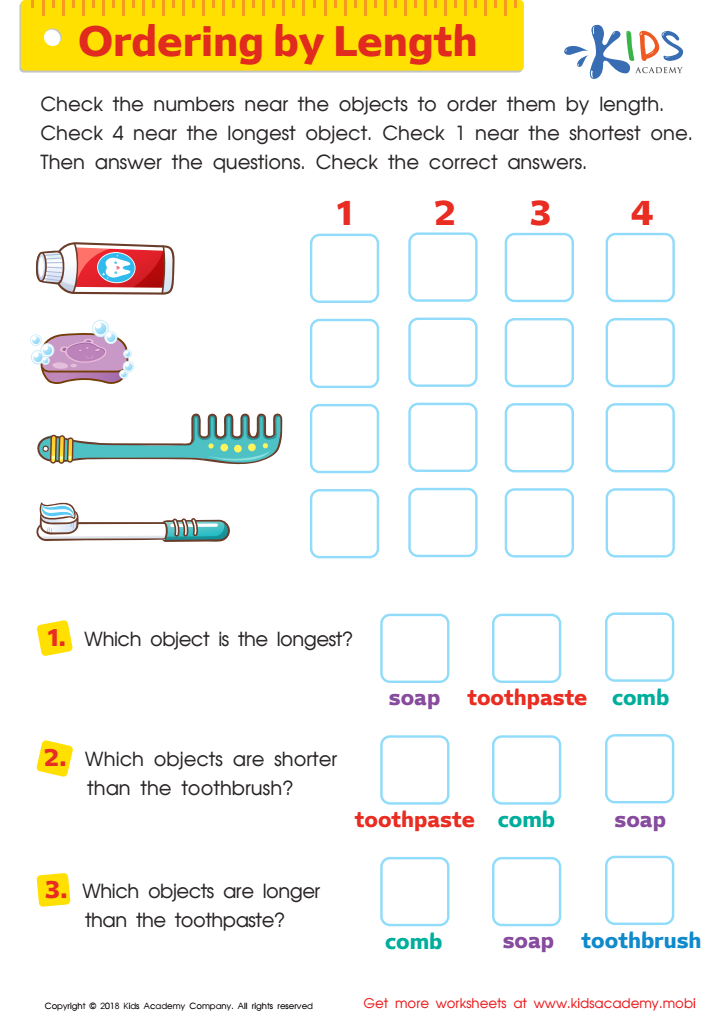
Ordering by Length Worksheet
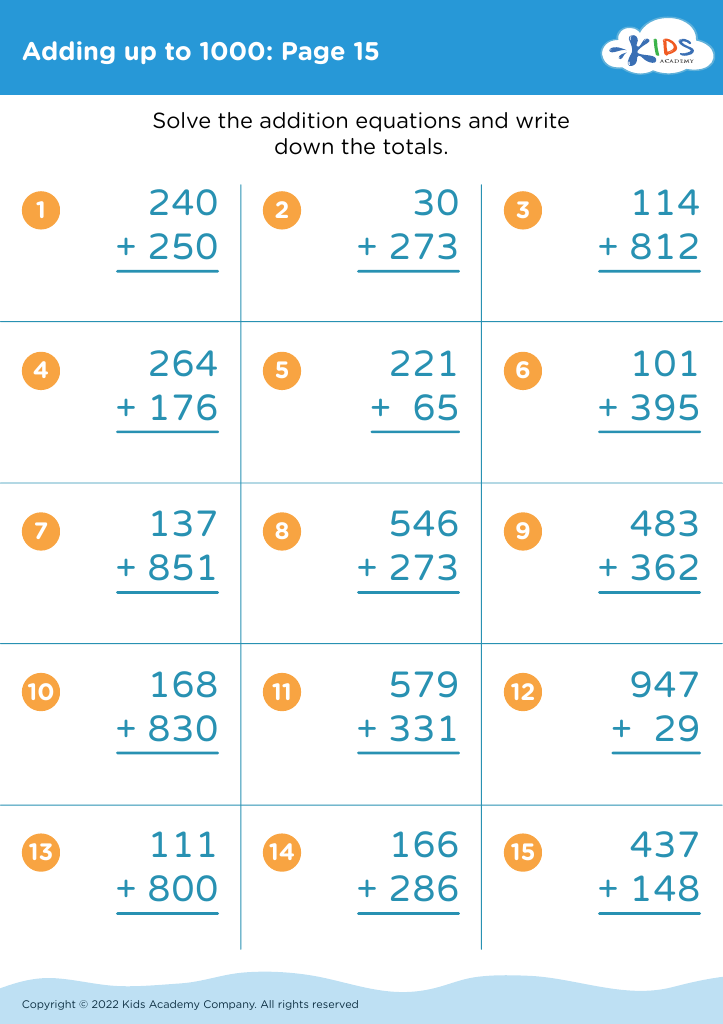
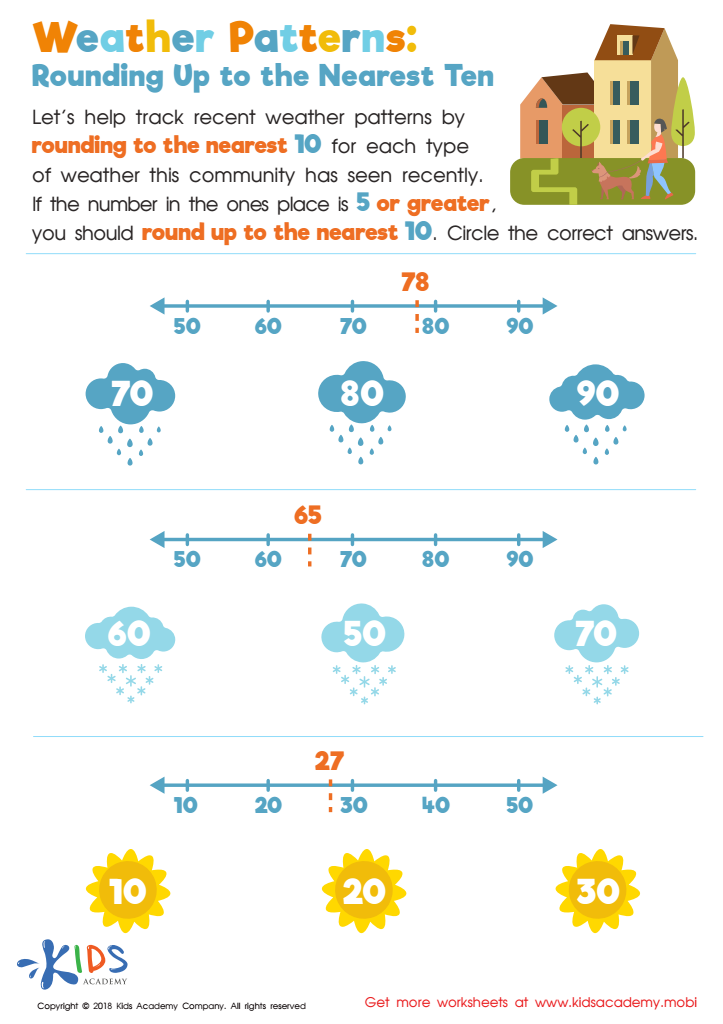
Weather Patterns Worksheet
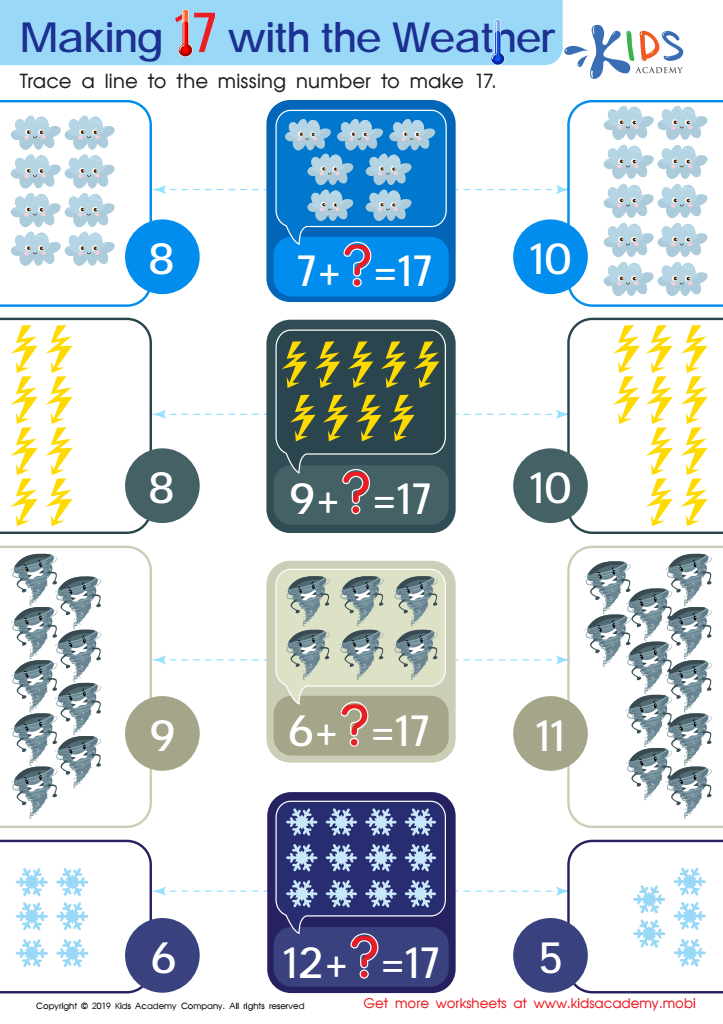
Making 17 with the Weather Worksheet
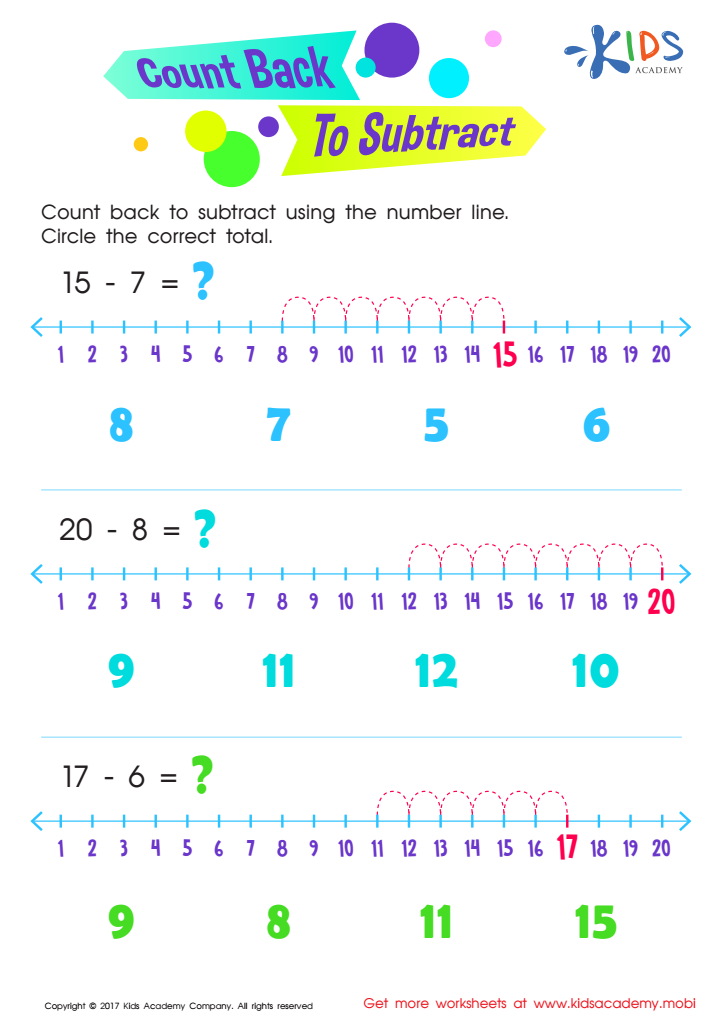
Count Back to Subtract Substraction Worksheet
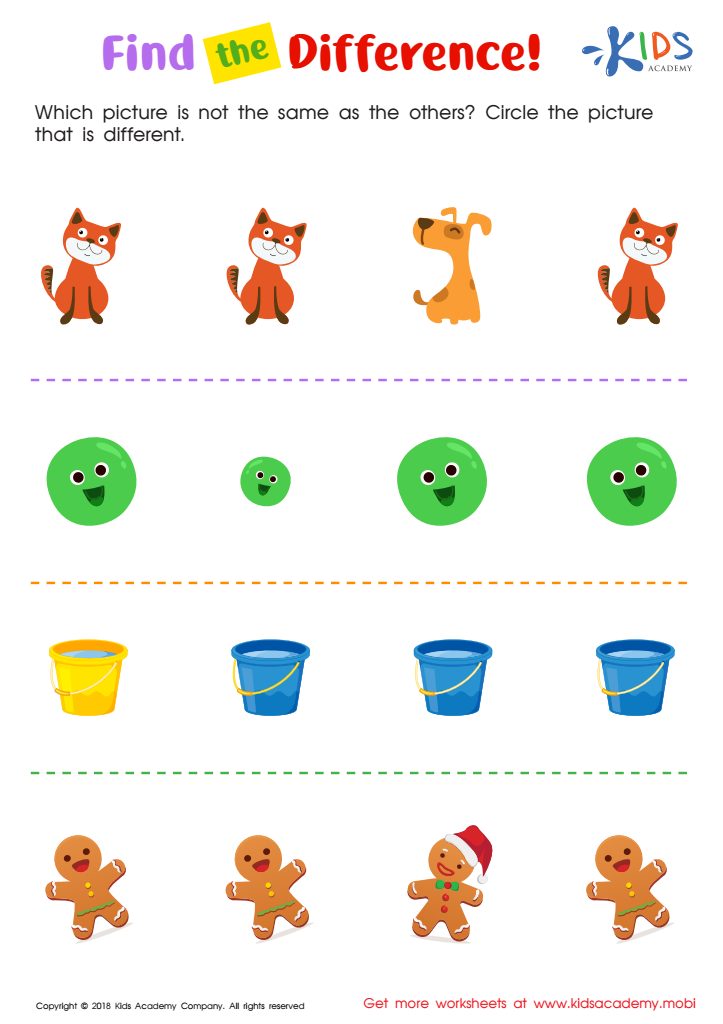
Find the Difference Worksheet
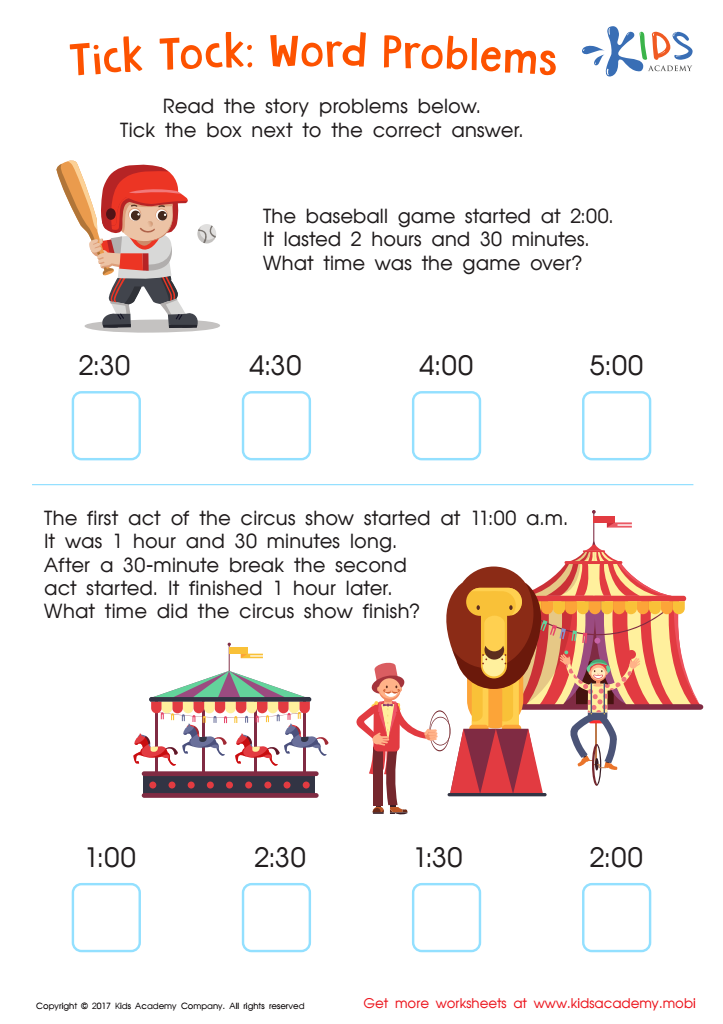
Tick Tock Word Problems Time Worksheet
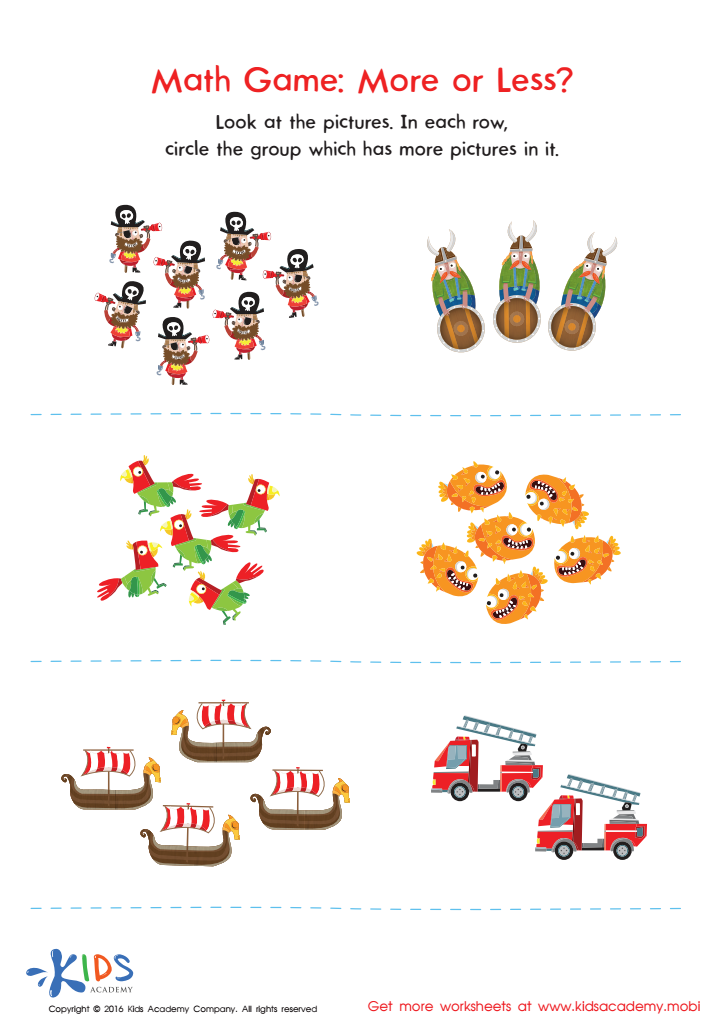
More or Less Worksheet
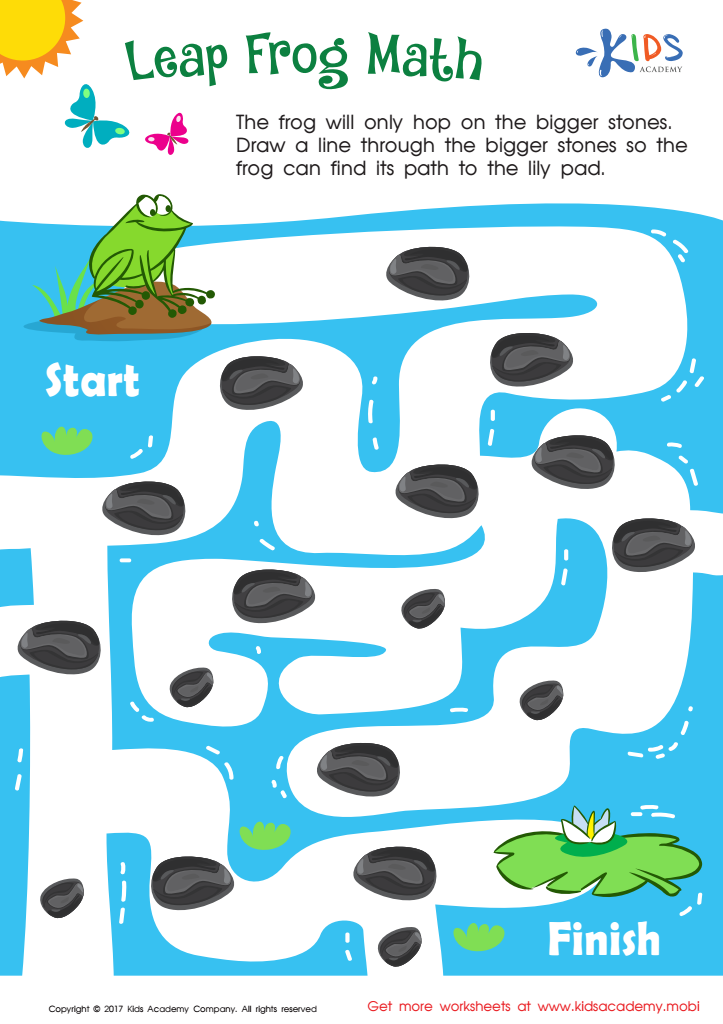
Math Puzzle Worksheet
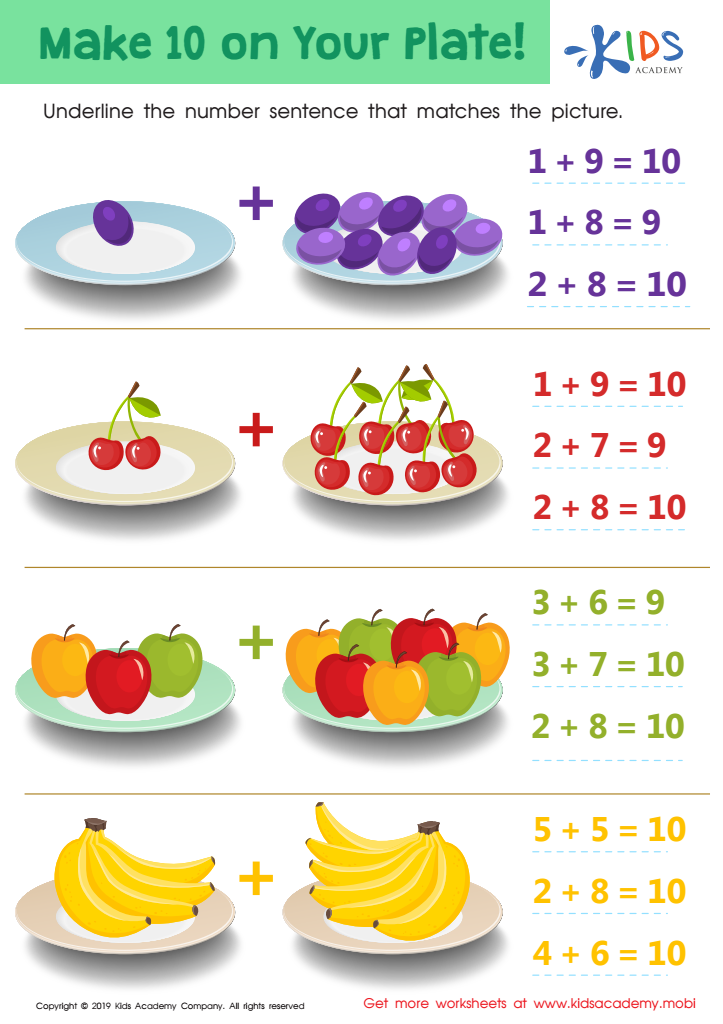
Make 10 on Your Plate! Worksheet







Mathematical reasoning is fundamental to a child’s cognitive development and problem-solving skills, which are crucial both academically and in daily life. Parents and teachers should care about nurturing this skill because it enhances critical thinking abilities. When children practice mathematical reasoning, they learn to approach problems systematically, analyzing each step to arrive at logical conclusions. This logical approach is transferable to other subjects and scenarios, leading to better decision-making capabilities.
Mathematical reasoning goes beyond basic arithmetic to include recognizing patterns, understanding relationships, and applying concepts to different contexts. Such skills are instrumental in fields like science, technology, engineering, and mathematics (STEM), which are increasingly central in our modern and future economy. By fostering these skills early on, we prepare students not only for academic success but also for adaptability in a rapidly changing world.
Moreover, developing mathematical reasoning can build confidence and independence. When children understand the "why" behind mathematical concepts rather than just memorizing procedures, they become more engaged and motivated learners. They are better equipped to tackle complex problems and less likely to experience math anxiety. Early support in this area builds a strong foundation for lifelong learning and critical thinking, making it essential for both parents and educators to prioritize.








