Mental arithmetic Math Worksheets
6 filtered results
-
From - To
Unlock the power of mental math with our engaging Mental Arithmetic Math Worksheets! Designed for early learners, these worksheets help students develop essential mathematical skills through fun and challenging exercises. With a focus on enhancing calculation speed and accuracy, our resources include a variety of problems that encourage children to practice math mentally, fostering critical thinking and confidence. From addition and subtraction to multiplication and division, our worksheets cater to different learning levels, making them perfect for both classroom use and home study. Use these printable tools to boost your child’s arithmetic abilities and inspire a lifelong love for math!
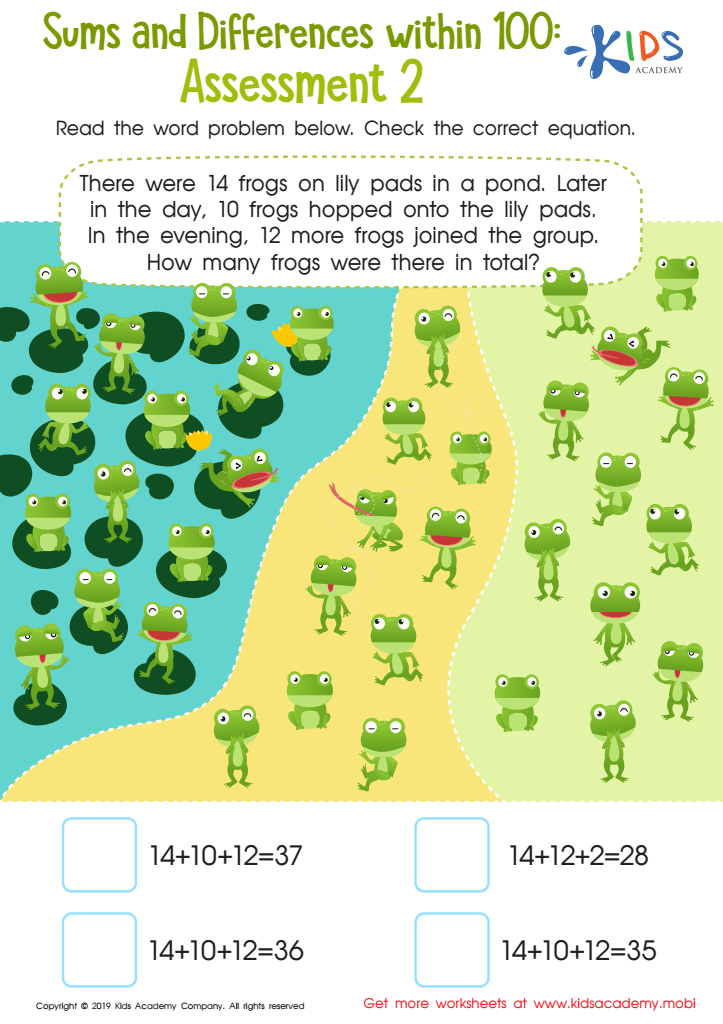
Sums and Differences Within 1 - Assessment 2 Worksheet
 Assign to My Students
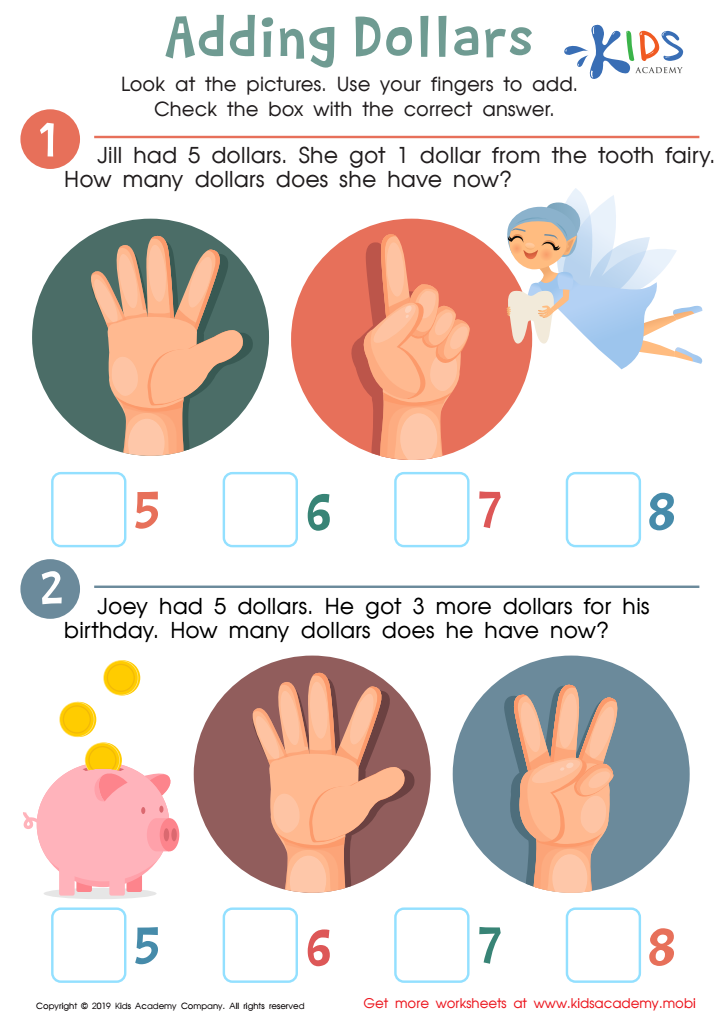
Tooth Fairy Addition Worksheet
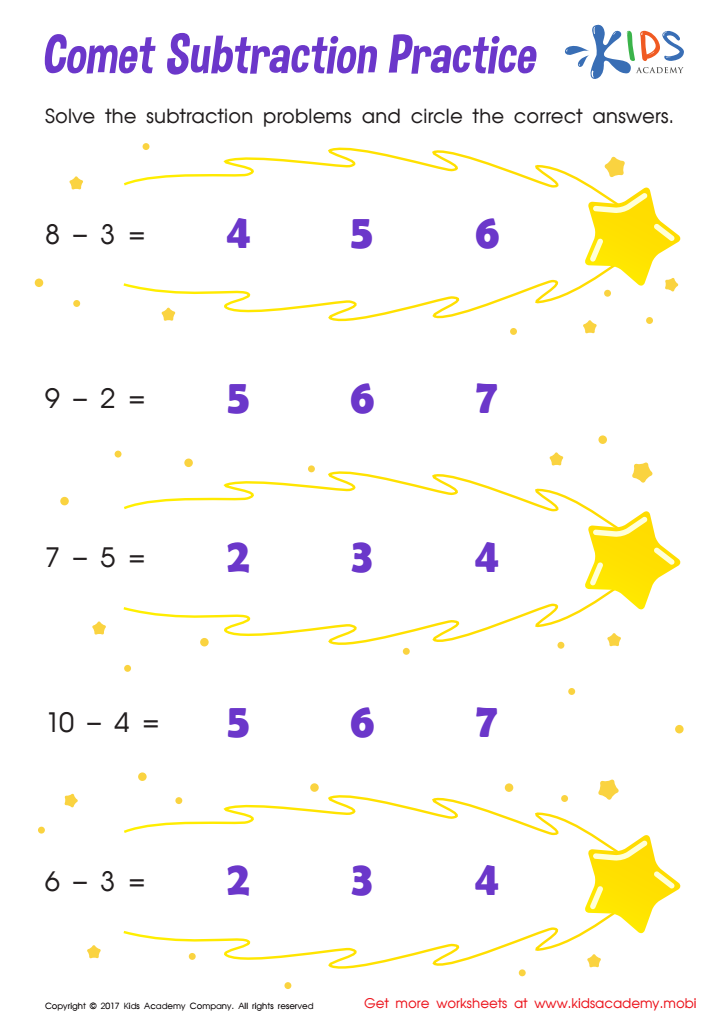
Comet Subtraction Practice Substraction Worksheet
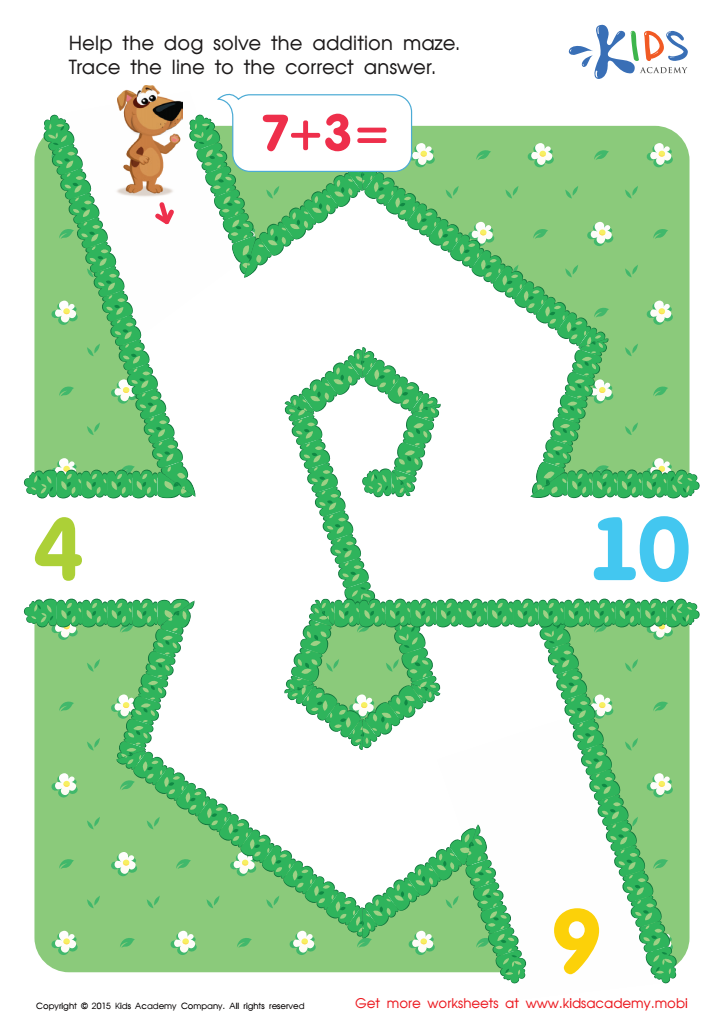
Seven Plus Three Worksheet
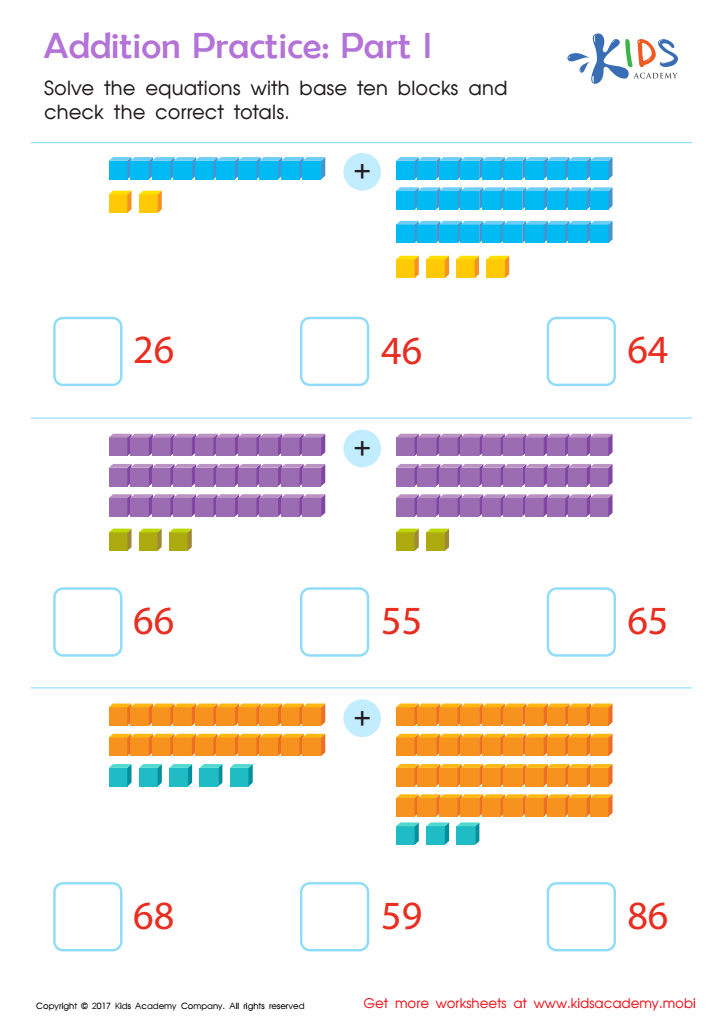
Addition Practice Sheet: Part 1
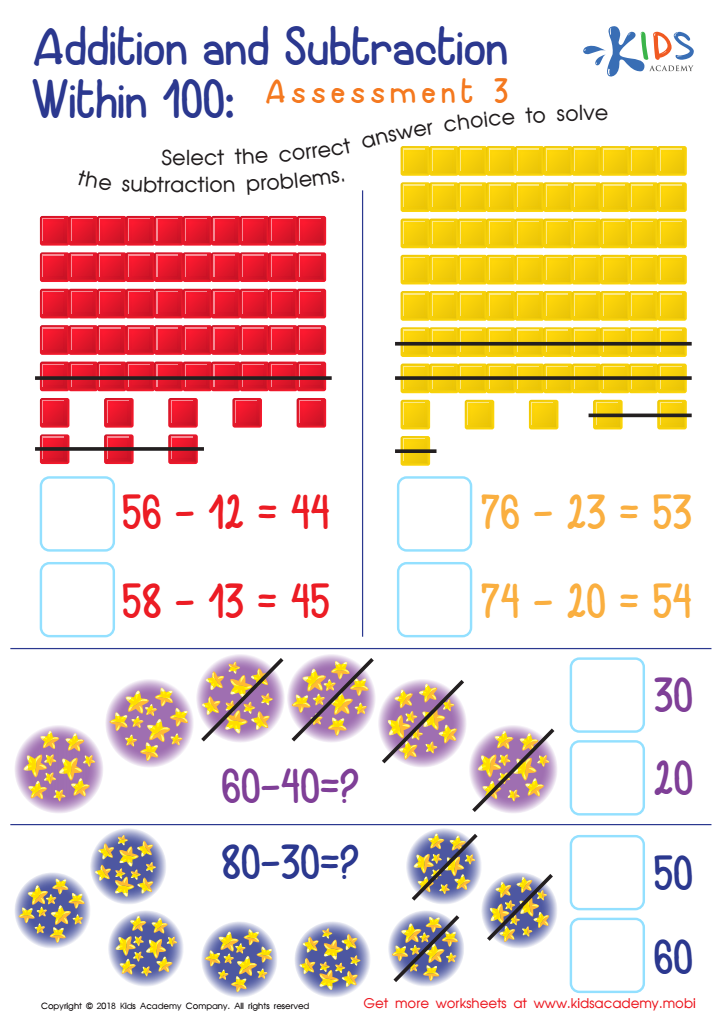
Addition and Subtraction Within 1: Assessment 3 Worksheet








Parents and teachers should prioritize mental arithmetic for several vital reasons. First, mental math enhances a child's numerical fluency, enabling them to perform calculations quickly and accurately without relying on calculators. This skill not only builds confidence in their mathematical abilities but also cultivates critical thinking and problem-solving skills.
Additionally, mental arithmetic encourages a deeper understanding of number relationships and concepts, fostering a smoother transition into more complex mathematical topics. It helps develop children's cognitive skills, such as memory and concentration, as they learn to visualize numbers and manipulate them mentally.
Furthermore, proficiency in mental arithmetic lays the groundwork for real-world applications of math, such as budgeting, cooking, or shopping, making it highly relevant in daily life.
Lastly, fostering a positive attitude toward mathematics from an early age can diminish math anxiety, making children more willing to tackle future mathematical challenges. By supporting mental arithmetic, parents and teachers create a robust foundation for lifelong learning and curiosity in mathematics, equipping children with essential skills that will benefit them in various aspects of life. Ultimately, promoting mental arithmetic contributes to a well-rounded education and prepares students for successful futures.








