Number comparison Math Worksheets
14 filtered results
-
From - To
Our "Number Comparison Math Worksheets" are expertly designed to help young learners build essential math skills. By featuring engaging activities that compare numbers, children can develop a strong understanding of greater than, less than, and equal to concepts. These worksheets are perfect for reinforcing classroom learning through fun exercises that hone critical thinking and number sense. Ideal for students in early grades, they cater to various levels of difficulty to challenge and motivate kids. Whether at home or in school, our worksheets provide an invaluable resource for making math intriguing and accessible to young mathematicians. Explore and enhance your child’s math journey today!
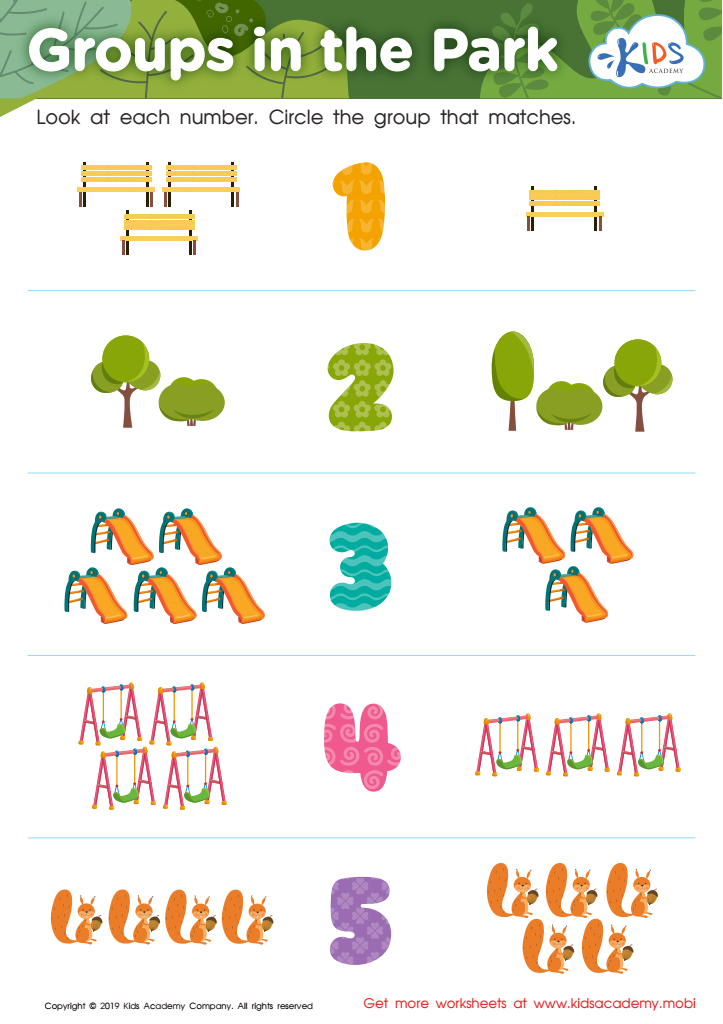
Groups in the Park Worksheet
 Assign to My Students
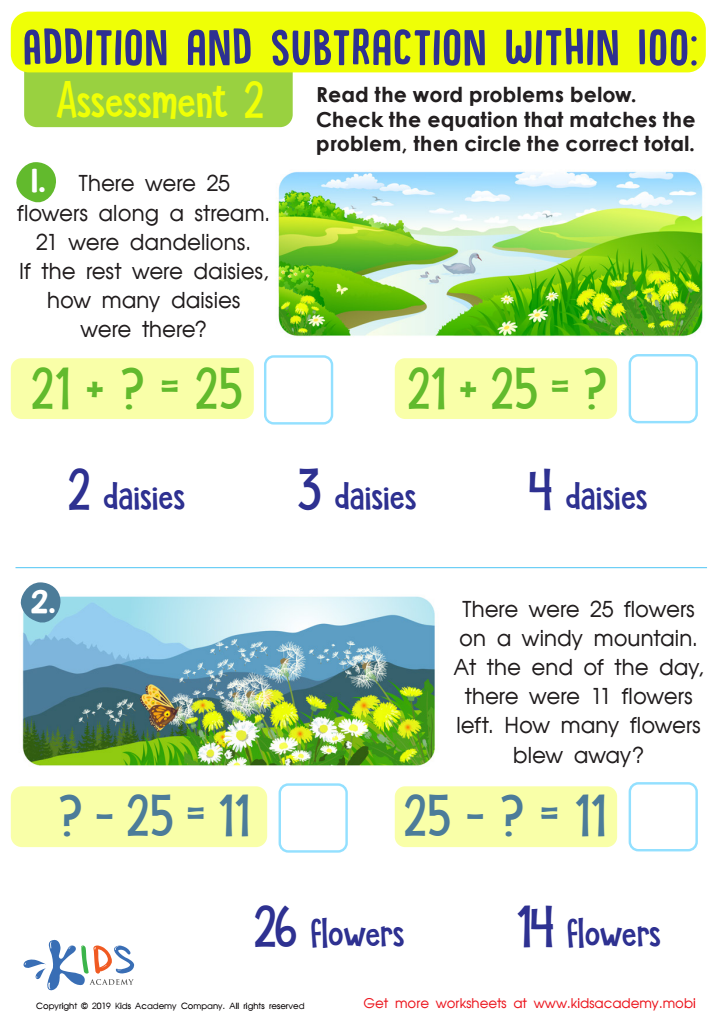
Assessment 2 Math Worksheet
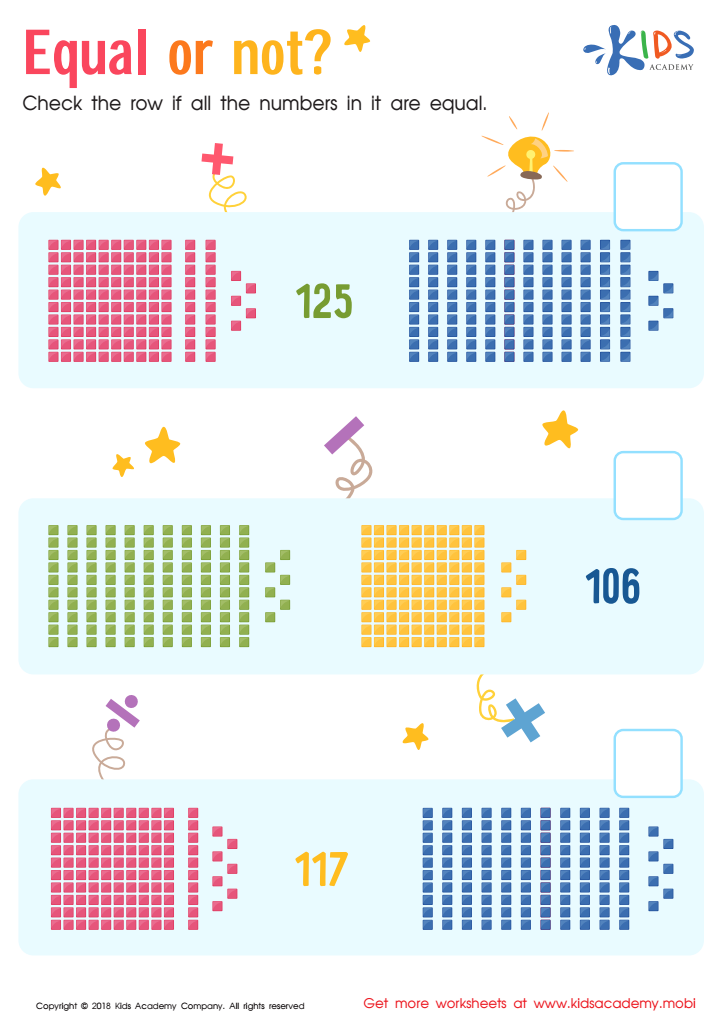
Equal or not Worksheet
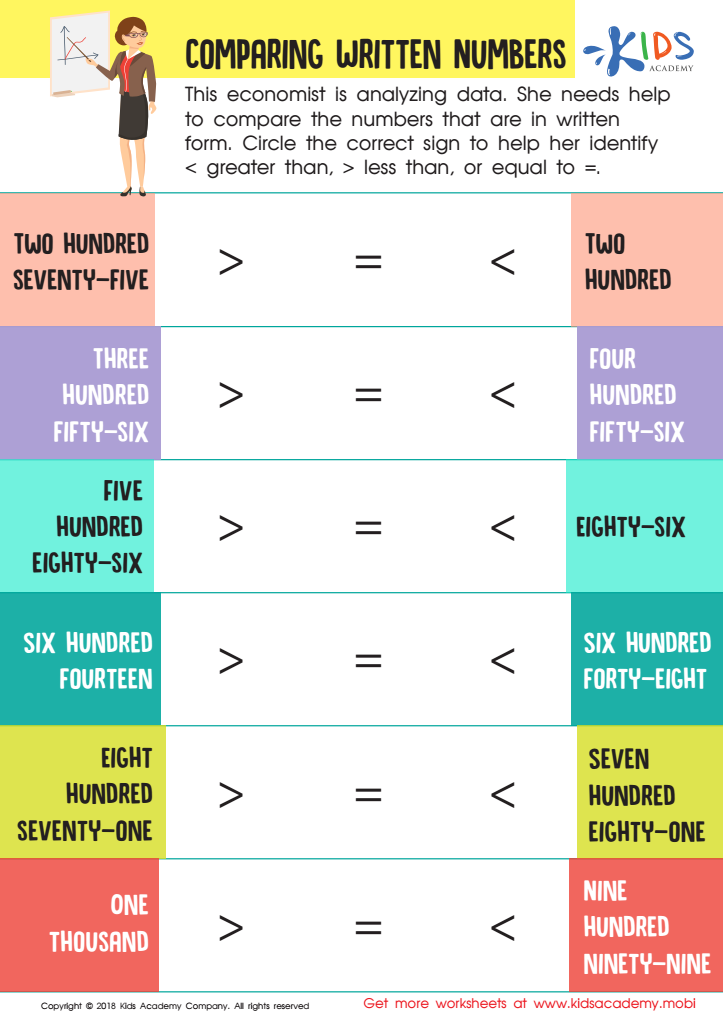
Comparing Written Numbers Worksheet
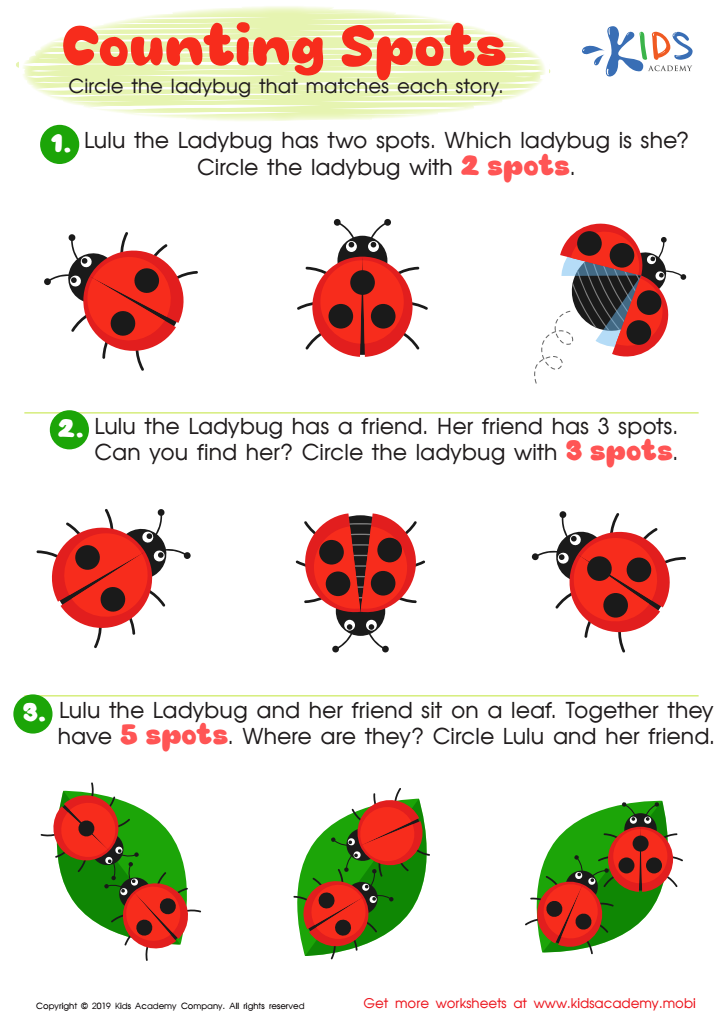
Counting Spots Worksheet
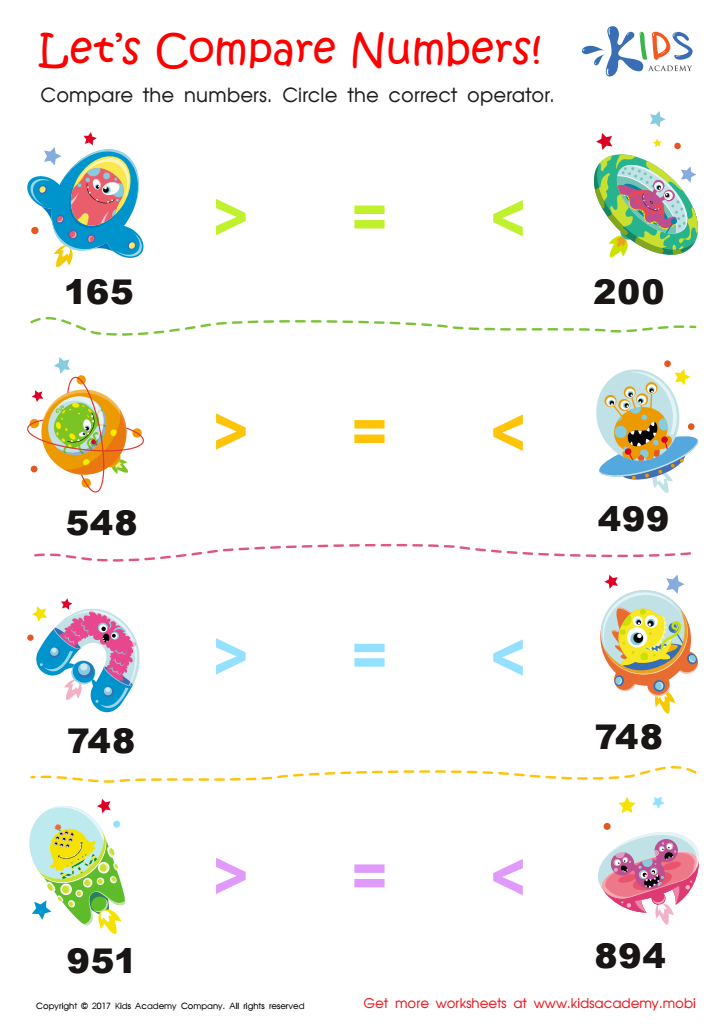
Comparing Numbers Worksheet for 2nd Grade
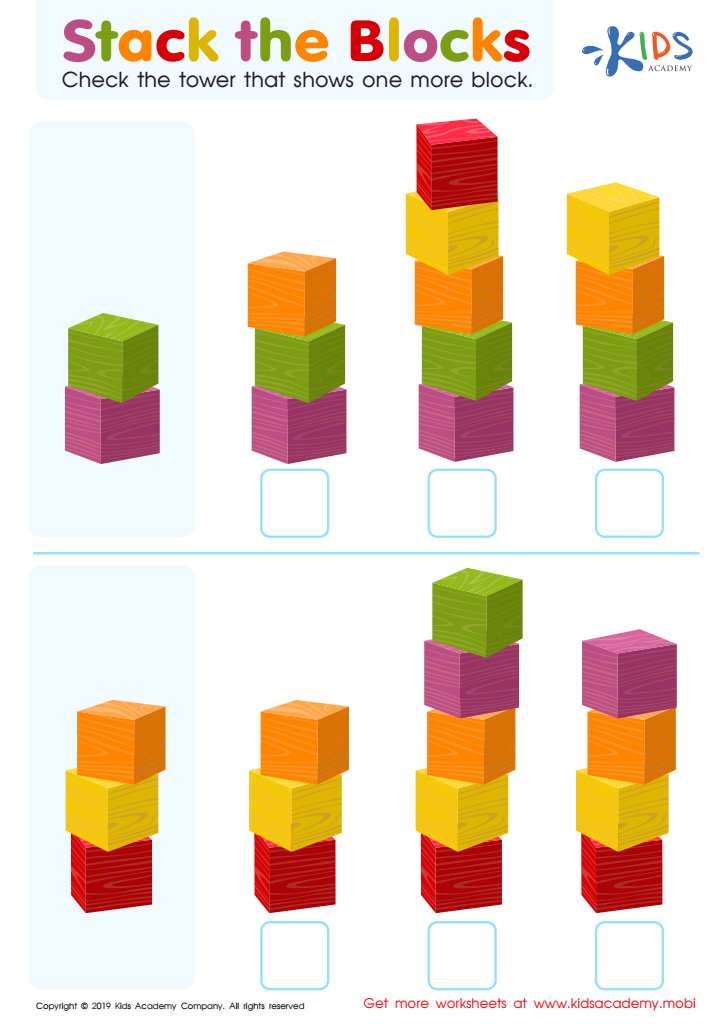
Stack the Blocks Worksheet
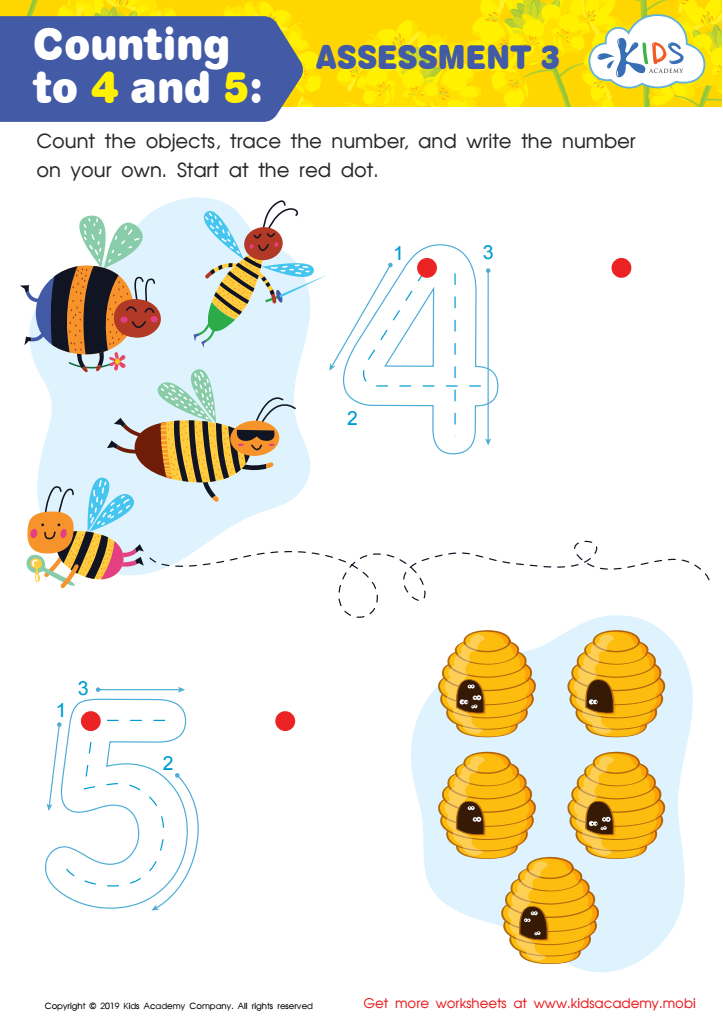
Counting to 4 and 5: Assessment 3 Worksheet
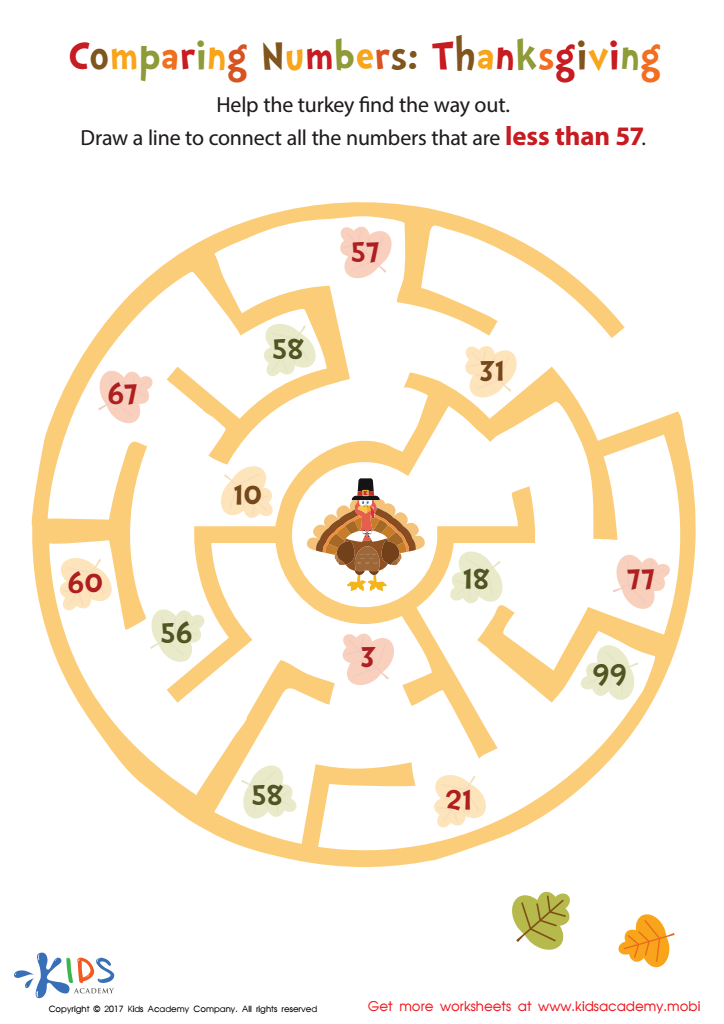
Comparing Numbers Printable
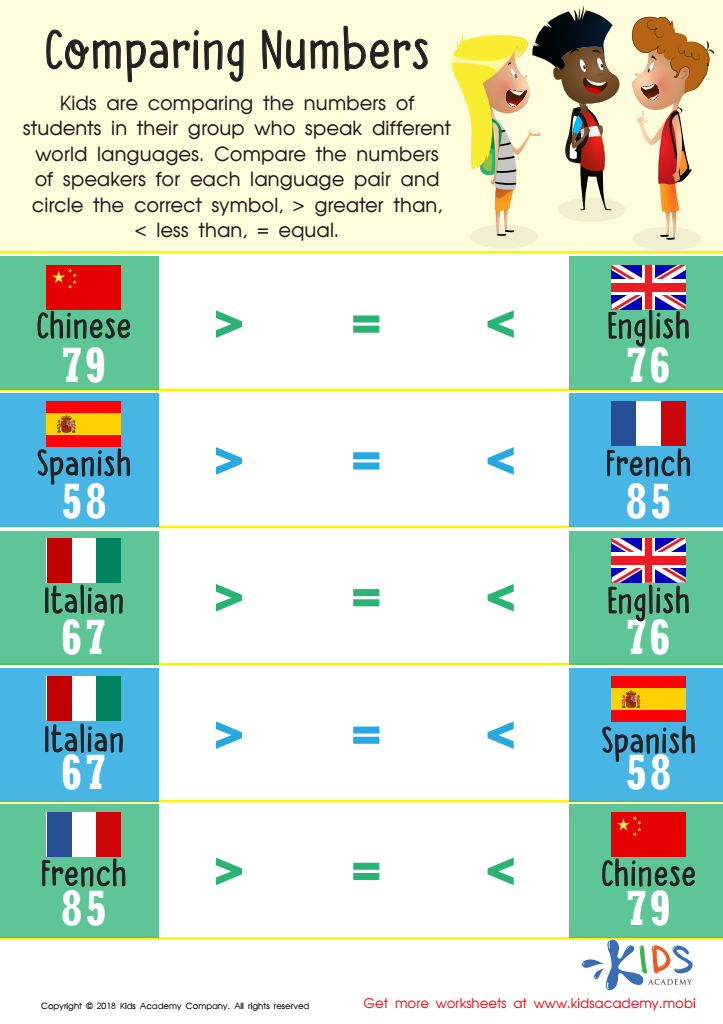
Comparing Numbers Worksheet for 1st Grade
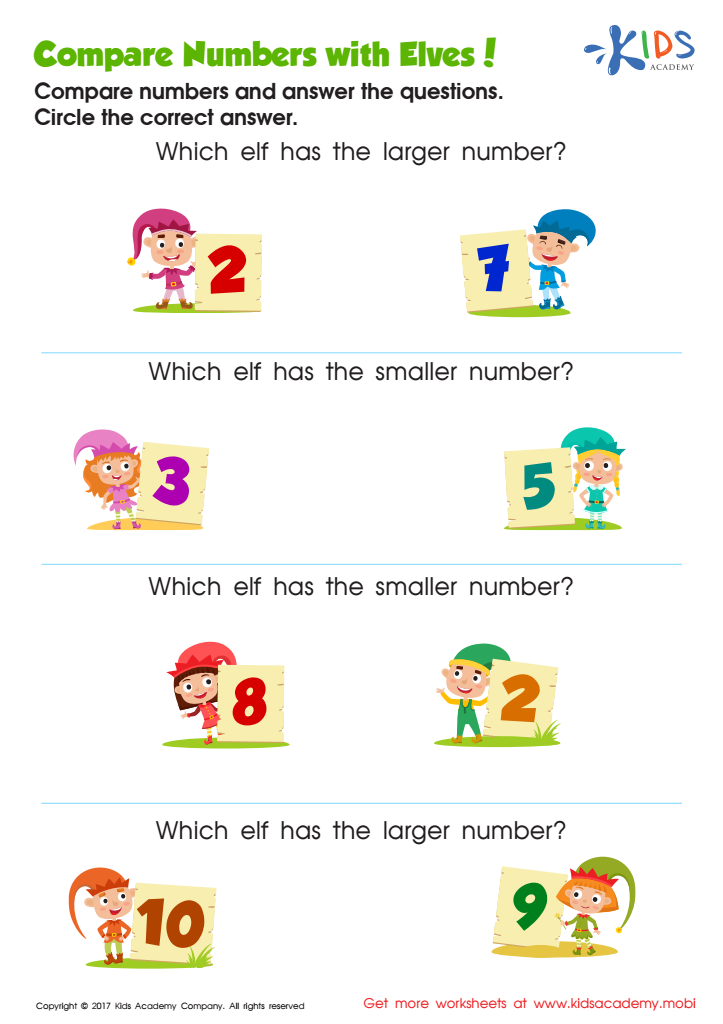
Comparing Numbers Worksheet for Kindergarten
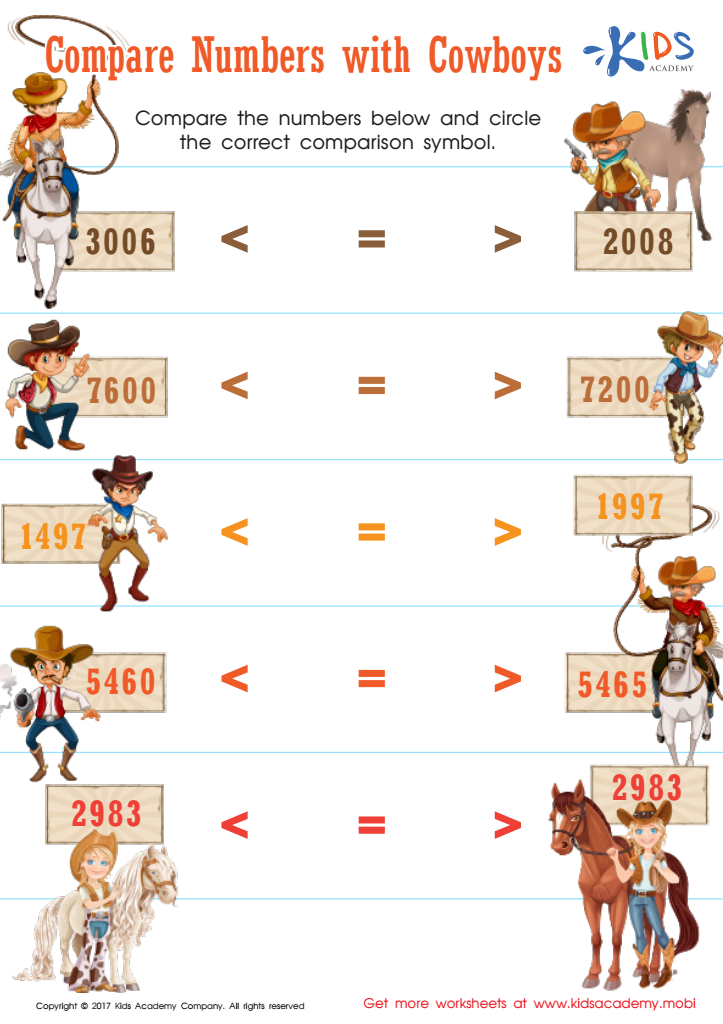
Compare Numbers Worksheet for 3rd Grade
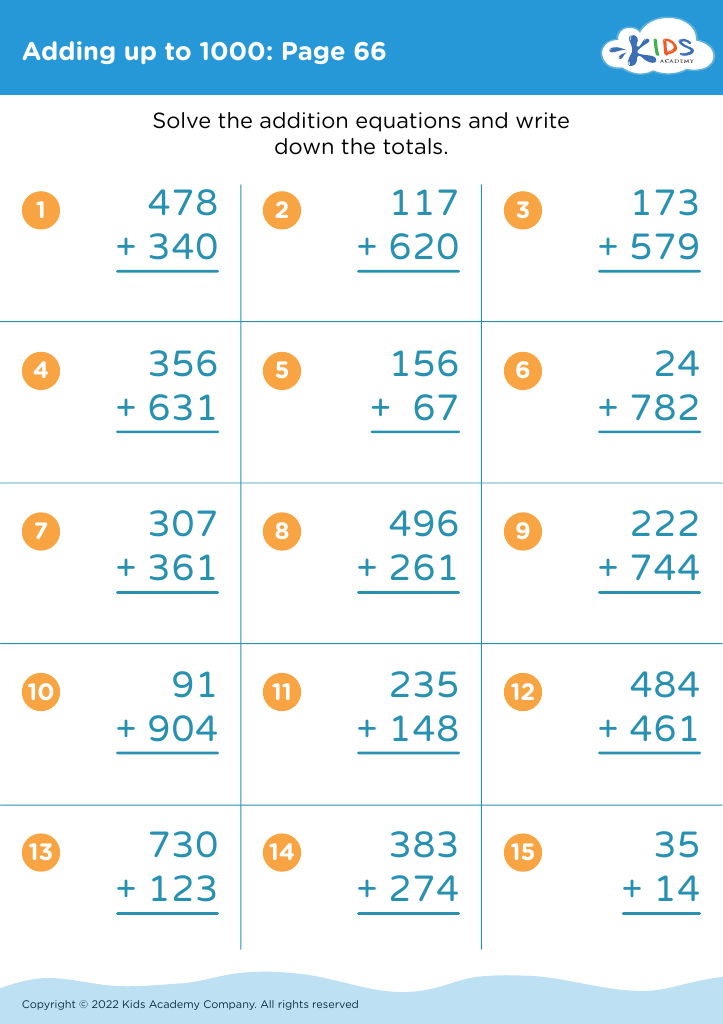




.jpg)


Number comparison is a foundational math skill that plays a critical role in a child's cognitive development and overall academic success. Understanding number comparison involves recognizing which numbers are greater, smaller, or equal, which leads to a deeper grasp of more complex mathematical concepts like addition, subtraction, and place value.
When parents and teachers emphasize number comparison, they nurture a child's ability to think logically and make informed decisions based on quantitative information. This skill is not confined to math class; it extends to daily life situations, such as comparing prices while shopping, estimating time, or even splitting portions of food equally. Developing strong number comparison skills early fosters numeracy, a key competency for success in today's information-rich world.
Children who excel in number comparison are likely to find advanced math concepts less intimidating and more manageable. This comfort with mathematics can boost their confidence and academic performance in other subjects as well, particularly those that require analytical thinking like science and technology. Moreover, early mastery of number comparison helps prevent math anxiety, paving the way for a positive educational experience.
Hence, parents and teachers should invest time and resources into activities that encourage number comparison, such as games, exercises, and real-life problem-solving tasks, laying a solid groundwork for a lifetime of learning and critical thinking.








