Practice division Math Worksheets
3 filtered results
-
From - To
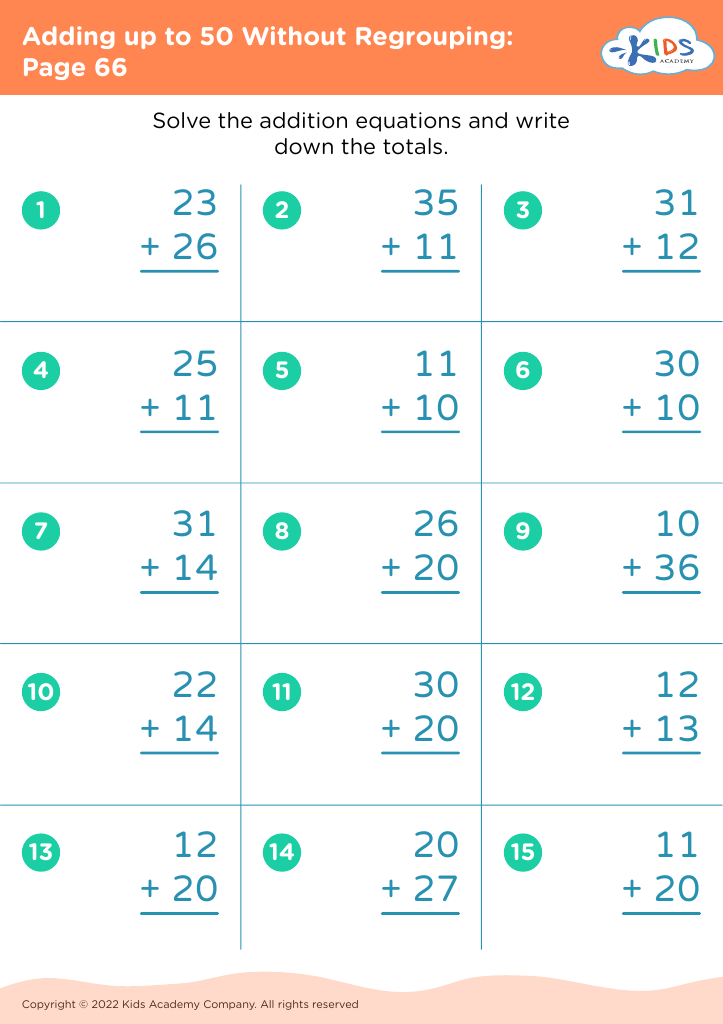
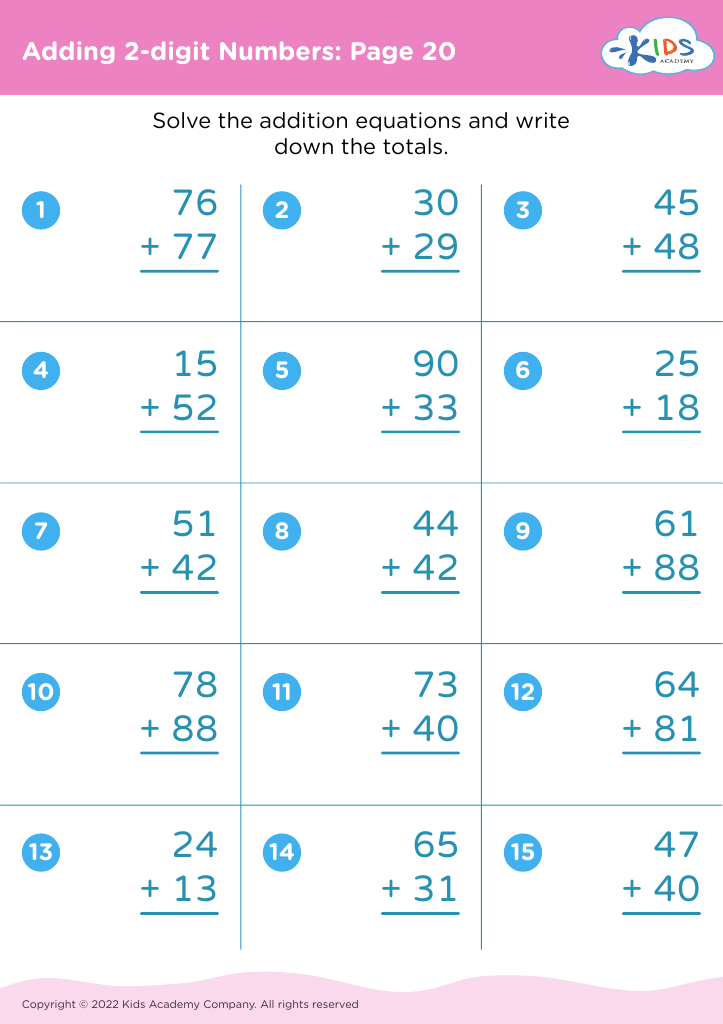
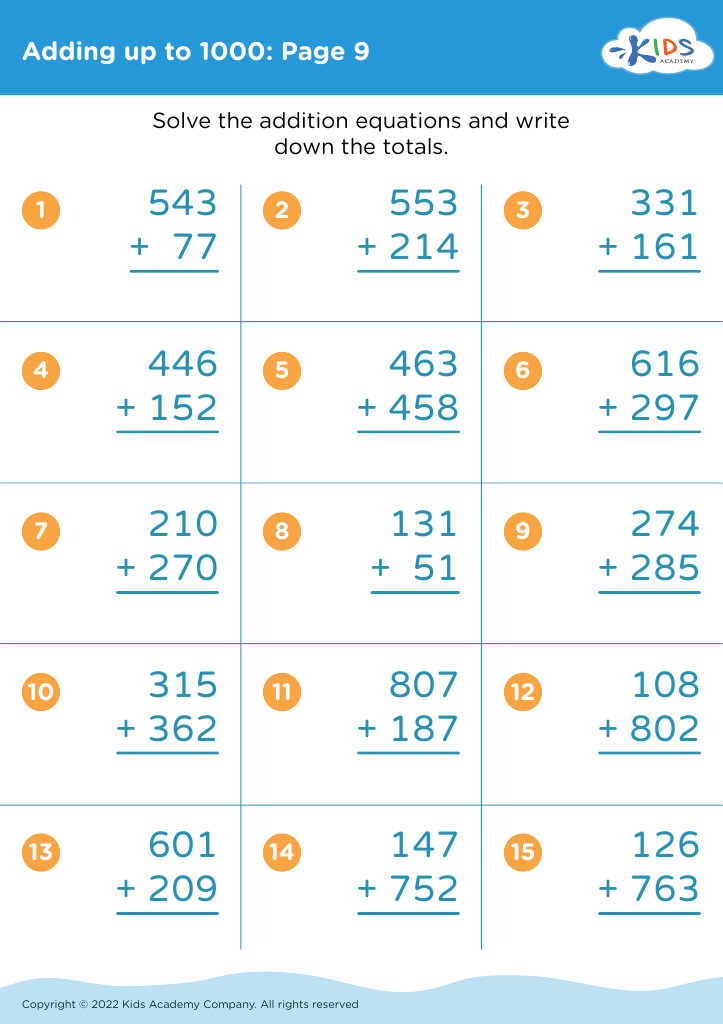
Enhance your child's math skills with our engaging Practice Division Math Worksheets from Kids Academy! Designed for young learners, these worksheets offer a fun and interactive way to master division. Each worksheet combines colorful visuals and well-structured problems, ensuring students understand the basics while building confidence in their abilities. Tailored for different skill levels, our collection includes simple problems for beginners and more challenging ones for advanced learners. Perfect for both classroom and at-home practice, these worksheets are an excellent resource to reinforce division concepts. Help your child achieve math success with Kids Academy's exceptional division practice materials!






Parents and teachers should prioritize practice in division math because it equips children with essential problem-solving skills crucial for their academic and everyday lives. Division is a fundamental mathematical operation that lays the groundwork for more advanced topics such as fractions, percentages, and algebra. By practicing division, students develop a strong number sense, improve their mental math abilities, and enhance their logical reasoning.
Engaging in division exercises also helps children cultivate patience and perseverance, as they learn to approach problems methodically and avoid being discouraged by initial difficulties. Consistent practice bolsters confidence, transforming math from a potential source of anxiety into an enjoyable challenge.
From a real-world perspective, proficiency in division is indispensable. It allows individuals to perform tasks like dividing a bill among friends, understanding proportions in recipes, and managing budgets effectively. These are not just numerical skills but life skills that foster independence and practical decision-making.
Furthermore, practice in division stimulates the brain, encouraging cognitive development and improving memory retention. For teachers, integrating division practice can create a well-rounded curriculum, while for parents, facilitating practice at home bridges learning between school and life, ensuring a holistic approach to their child’s education. In summary, prioritizing division practice is an investment in a child’s academic success and practical life readiness.








