Recognition skills Math Worksheets
3 filtered results
-
From - To
Enhance your child’s math learning experience with our Recognition Skills Math Worksheets! These engaging and interactive worksheets are designed to help young learners develop essential recognition skills essential for mathematics, such as identifying numbers, patterns, and shapes. Ideal for preschool and early grade students, our worksheets promote critical thinking and analytical abilities through fun exercises that capture their interest. With varied activities, kids will enjoy strengthening their foundational math skills while boosting their confidence. Discover the joy of learning with our thoughtfully crafted printables that make math enjoyable and accessible for every child! Start your journey towards math mastery today!
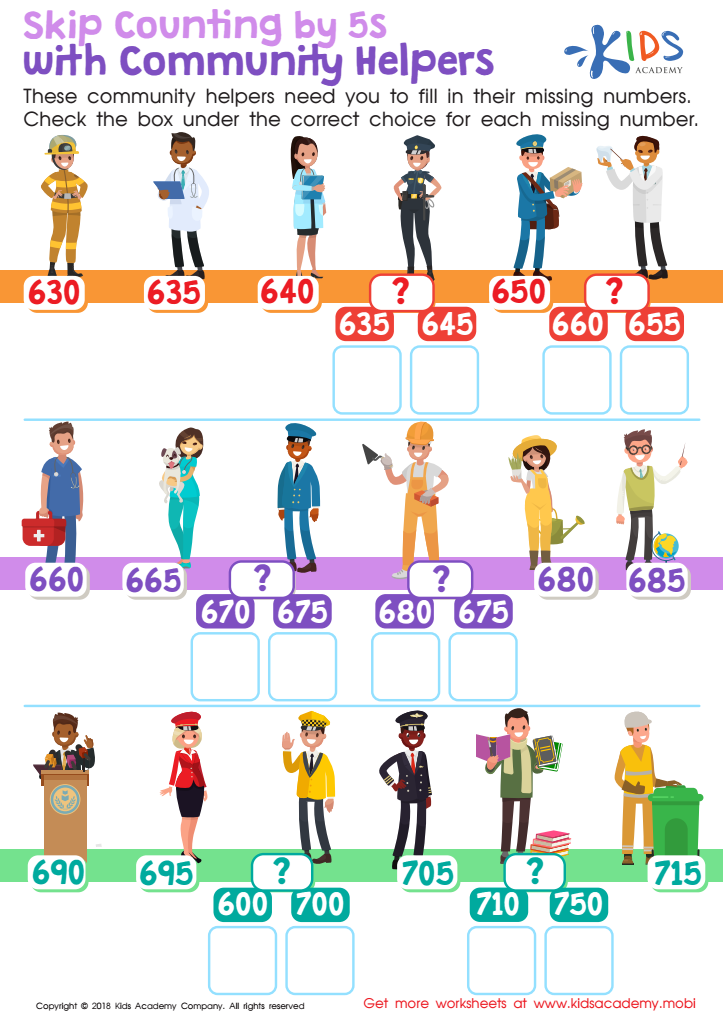
Skip Counting by 5s With Community Helpers Worksheet
 Assign to My Students
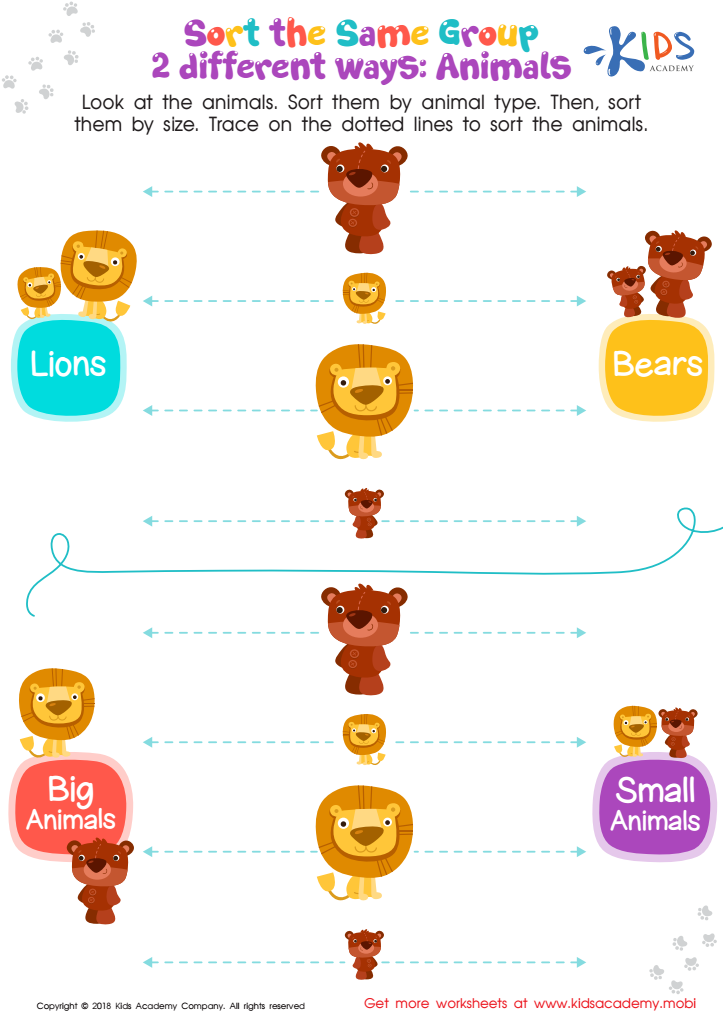
Sort the Same Group 2 Different Ways: Animals Worksheet


.jpg)




Recognition skills in math are foundational for early learners and crucial for their academic success. These skills involve the ability to identify patterns, shapes, numbers, and mathematical symbols effectively. For parents and teachers, fostering these skills is essential because they serve as building blocks for more complex mathematical concepts. When children learn to recognize numbers and understand their relationships early on, they become more confident in their problem-solving abilities.
Additionally, strong recognition skills facilitate better comprehension of everyday math situations. For instance, when children can recognize the importance of numbers in a grocery store or the shapes of objects around them, they are better equipped to apply math in real life. This contextual understanding reinforces their learning and helps develop critical thinking.
Furthermore, emphasizing recognition skills can make math fun and engaging, encouraging a positive attitude toward the subject. Children who are confident in their recognition abilities are more likely to participate in math-related activities, leading to a deeper interest and a greater understanding of mathematical concepts.
In summary, parents and teachers should prioritize recognition skills to ensure that children build a strong foundation for future mathematical learning, facilitate real-world applications, and cultivate a lasting enthusiasm for math.








