
Recognize shapes Math Worksheets
9 filtered results
Difficulty Level
Grade
Age
-
From - To
Subject
Activity
Standards
Welcome to our "Recognize Shapes Math Worksheets" page! Designed for young learners, these engaging worksheets help children explore and identify various shapes, including circles, squares, triangles, and more. Our interactive activities bolster shape recognition, encourage critical thinking, and promote fine motor skills through tracing, coloring, and matching exercises. With visually appealing illustrations and clear instructions, these worksheets make learning fun and accessible. Perfect for preschool and early elementary students, our resources support standard learning objectives while fostering a love for mathematics. Download now to inspire creativity and build a strong foundation in shape recognition that will benefit your child for years to come!
Favorites
With answer key
Interactive
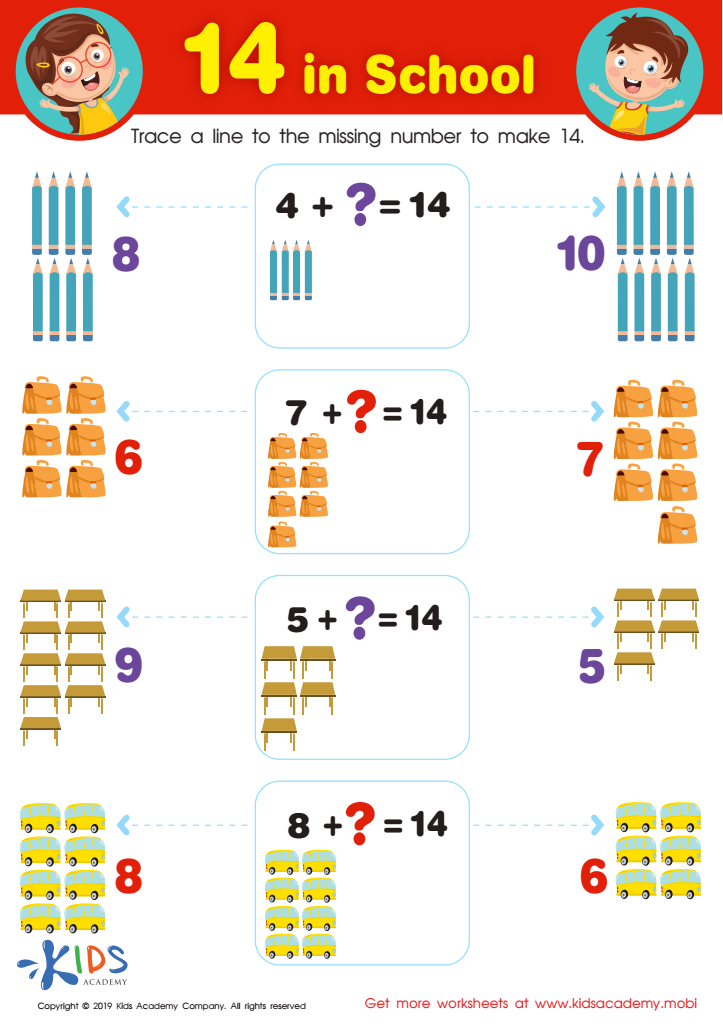
14 in School Worksheet
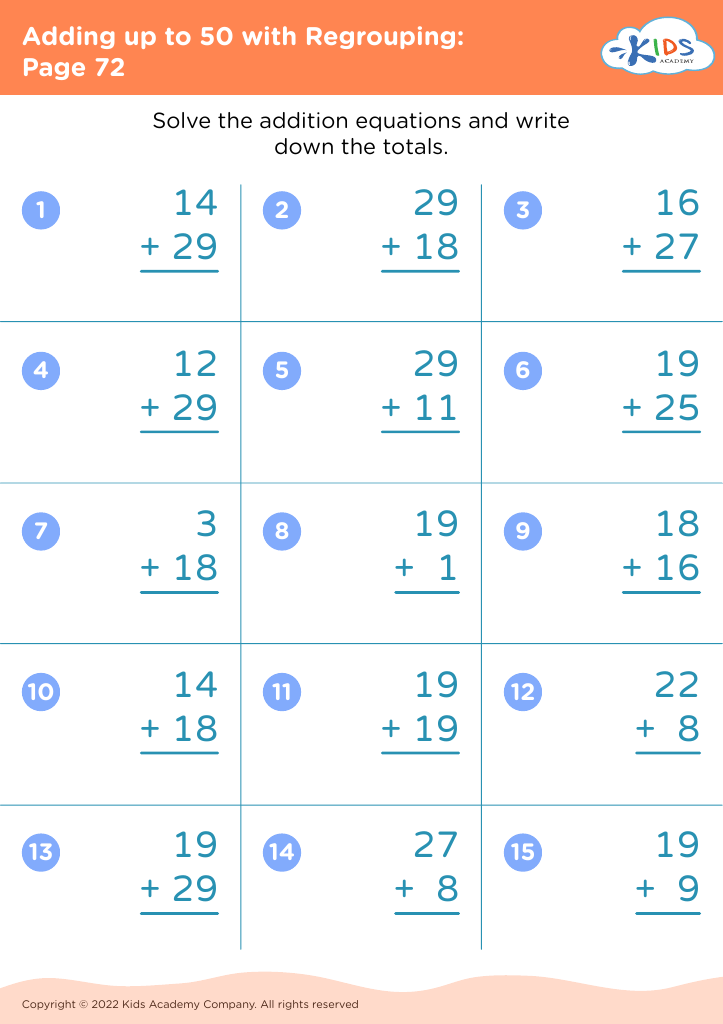
Remind your kids that adding different sets of numbers can give the same total (e.g. 2+3=5, 4+1=5). Ask them for more examples. Afterwards, work through the exercise. Help them count the objects and trace a line to the missing number that makes the total 14.
 Assign to My Students
14 in School Worksheet
Worksheet
Join Kids Academy for Free
Who is primarily going to use this learning content?




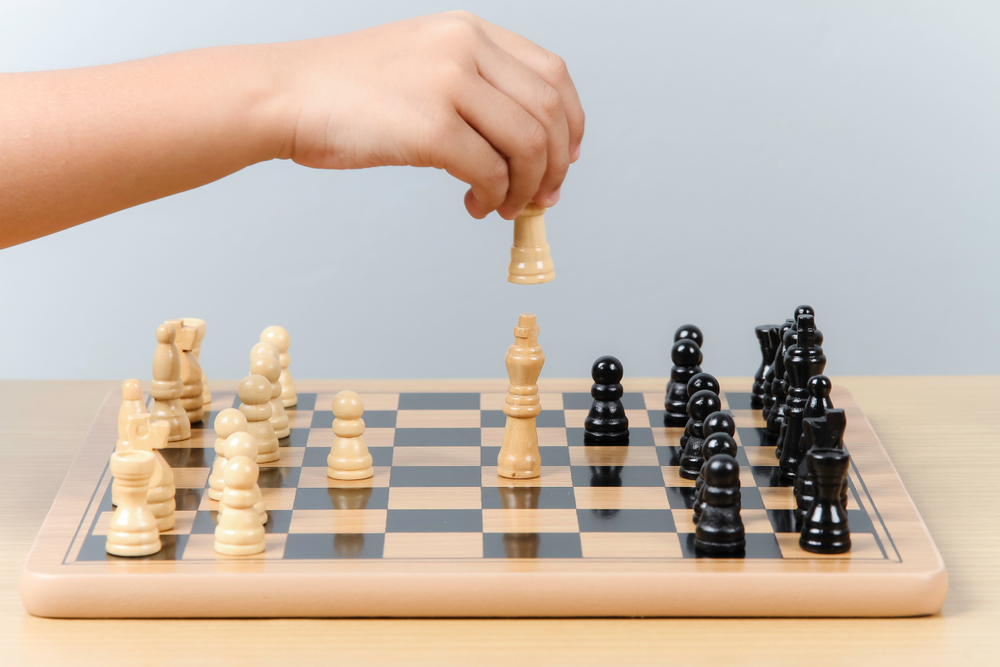


Recognizing shapes is fundamental to early childhood math education, and both parents and teachers play a crucial role in fostering this skill. Understanding shapes is more than just memorizing circles, squares, and triangles; it's a gateway to developing critical thinking and spatial awareness. Shapes are foundational in various math concepts such as geometry, measurement, and problem-solving.
When children learn to recognize shapes, they enhance their ability to categorize and create relationships between objects, which lays the groundwork for future learning in math and science. Moreover, shape recognition fosters cognitive development, as it engages children in pattern recognition and reasoning.
Parents and teachers can integrate shape recognition into everyday activities—like identifying shapes in the environment or using toys and art projects. Engaging in these practices fosters a deeper interest in math and helps build a strong educational foundation.
Additionally, incorporating fun and playful learning strategies can make shape recognition a delightful experience, thereby encouraging a positive attitude towards math. Ultimately, the early recognition of shapes not only supports academic success but also equips children with essential life skills, making it a priority for both educators and caregivers.








