
Understand sequences Math Worksheets
5 filtered results
Difficulty Level
Grade
Age
-
From - To
Subject
Activity
Standards
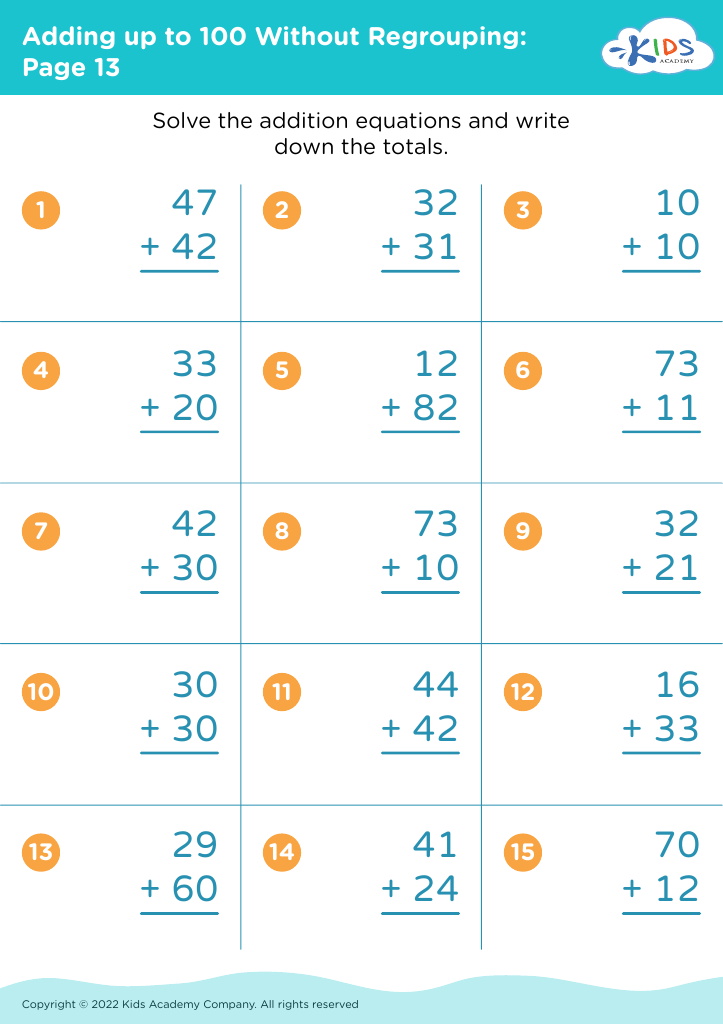
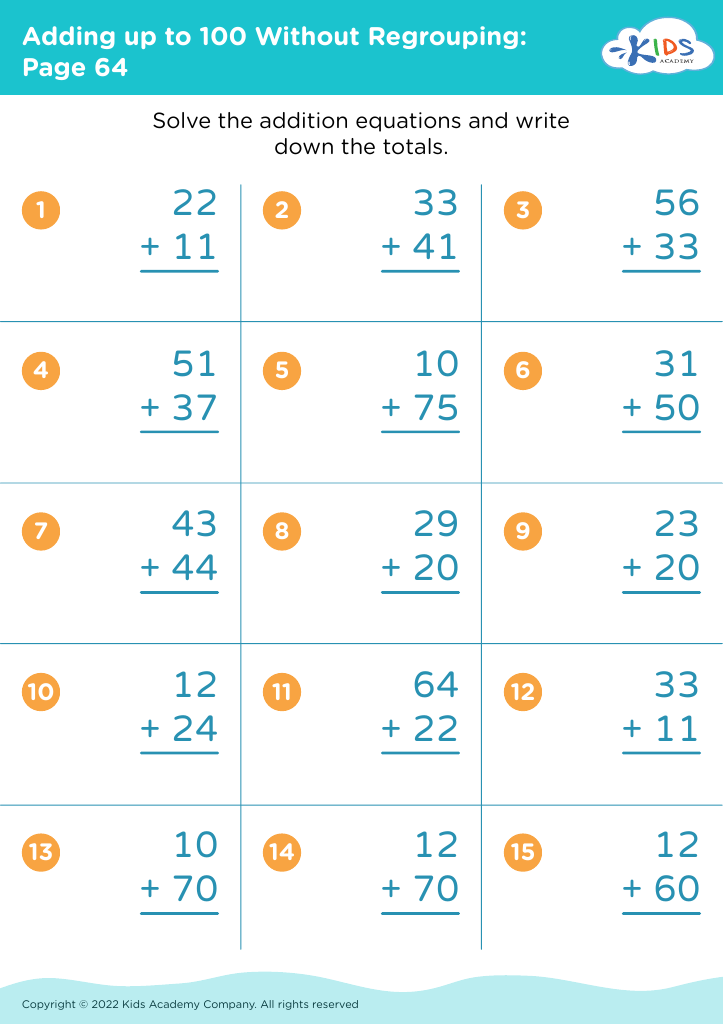
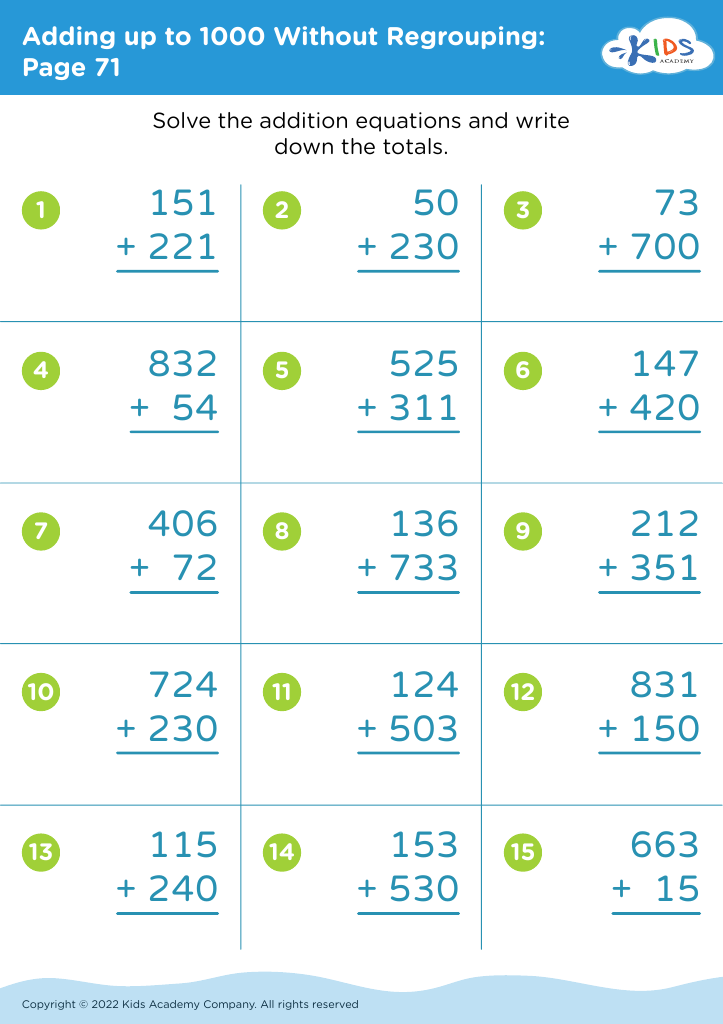
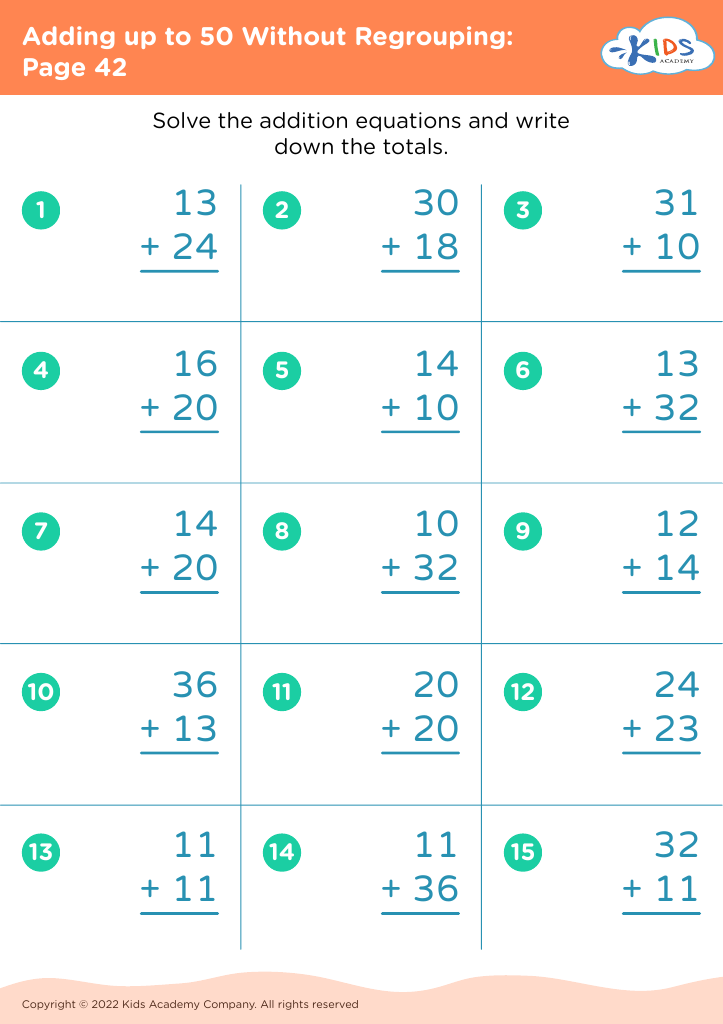
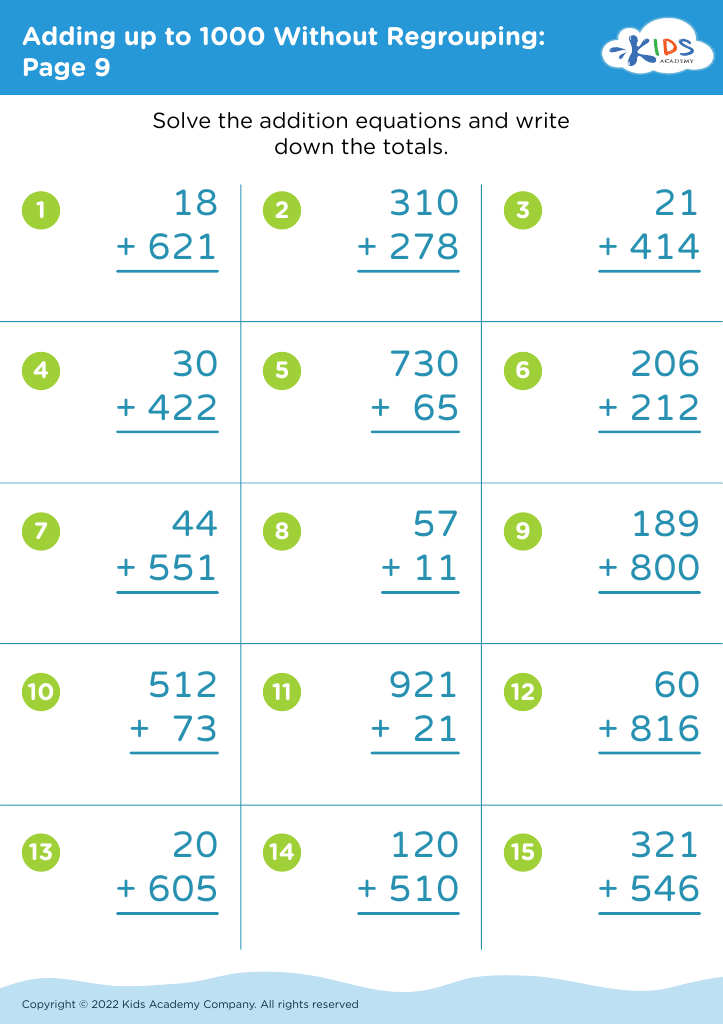
Enhance your child's math skills with our "Understand Sequences" Math Worksheets! Designed for early learners, these worksheets provide engaging activities that help students recognize, create, and extend numerical and visual sequences. With colorful illustrations and step-by-step instructions, your child will develop critical thinking and problem-solving abilities while having fun. Our worksheet collection caters to various learning styles, ensuring that every child can grasp the concept of sequences effectively. Perfect for classroom use or home learning, these printable resources will build a strong foundation in math, making learning enjoyable. Get started today and watch your child excel in understanding sequences!
Favorites
With answer key
Interactive
Join Kids Academy for Free
Who is primarily going to use this learning content?







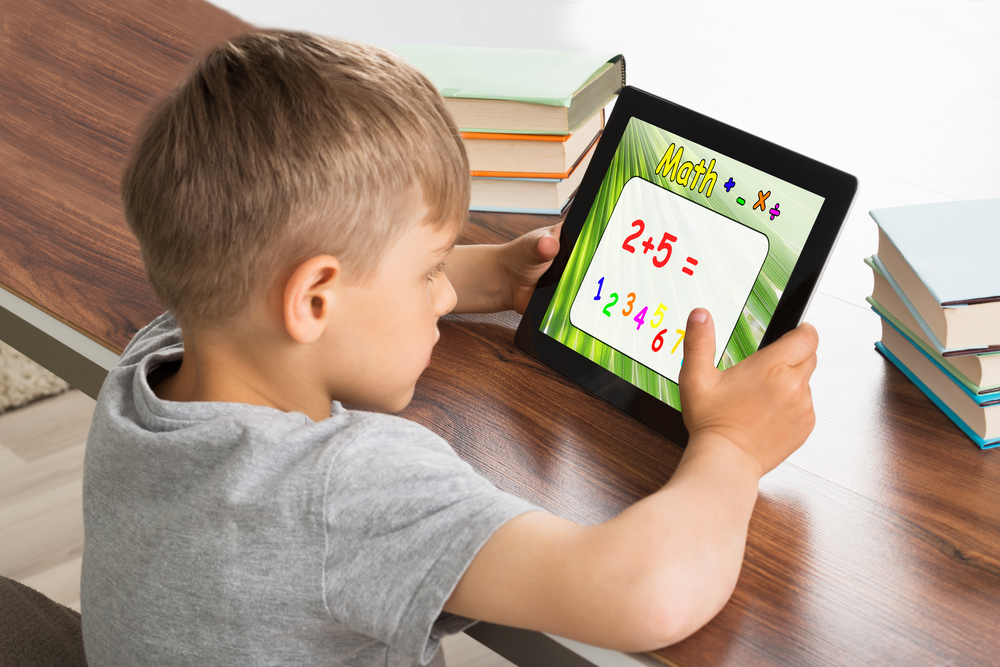
Understanding sequences in math is crucial for students' overall comprehension and problem-solving skills, making it important for both parents and teachers. Sequences–whether numerical, geometric, or algebraic–form the foundation for advanced mathematical concepts, including functions, series, and patterns. Familiarity with sequences enhances critical thinking and analytical abilities, fostering a deeper connection to mathematics.
For parents, a strong grasp of sequences prepares children for advancing academic challenges and everyday applications, such as budgeting, scheduling, or identifying patterns in nature. Supporting learners in this area boosts their confidence and enthusiasm for mathematics, setting the stage for a positive attitude toward future learning.
For teachers, successfully teaching sequences aids in assessing students' individual progress and misconceptions regarding mathematical concepts. Encouraging discussions around sequences can promote interactive and engaging classroom environments, reinforcing peer collaboration and collective problem-solving.
Overall, comprehension of sequences cultivates essential skills that extend beyond the classroom, nurturing logical reasoning and pattern recognition critical in various real-world contexts. Parents and educators who emphasize sequence understanding ultimately support children in developing resilience and adaptability in their academic pursuits and everyday lives.








