Understanding more/less concept Math Worksheets
3 filtered results
-
From - To
Our "Understanding More/Less Concept" Math Worksheets offer a fun and engaging way for young learners to grasp essential math skills. These worksheets are designed to help kids build a solid foundation in comparing quantities, aiding development in critical thinking and number sense. Perfect for early grade students, each worksheet features colorful illustrations and practical exercises to determine which group has more or less. By practicing with these worksheets, children will confidently learn to make basic comparisons, paving the way for future mathematical success. Easy to download and print, these resources are a must-have for every young mathematician!
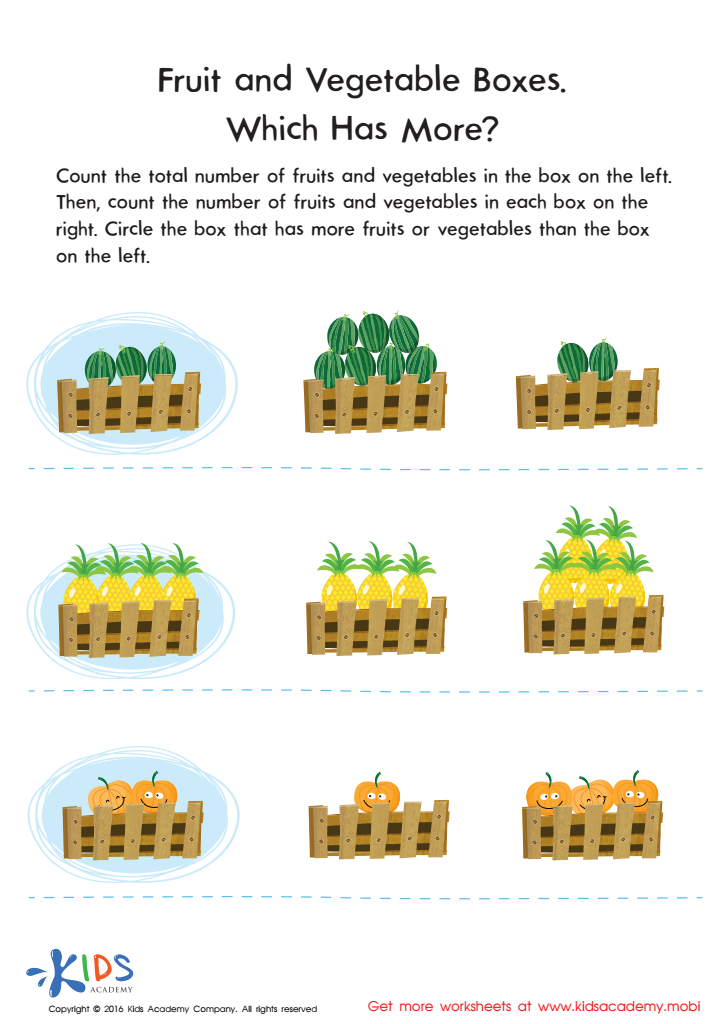
Which Has More? Size Worksheet
 Assign to My Students
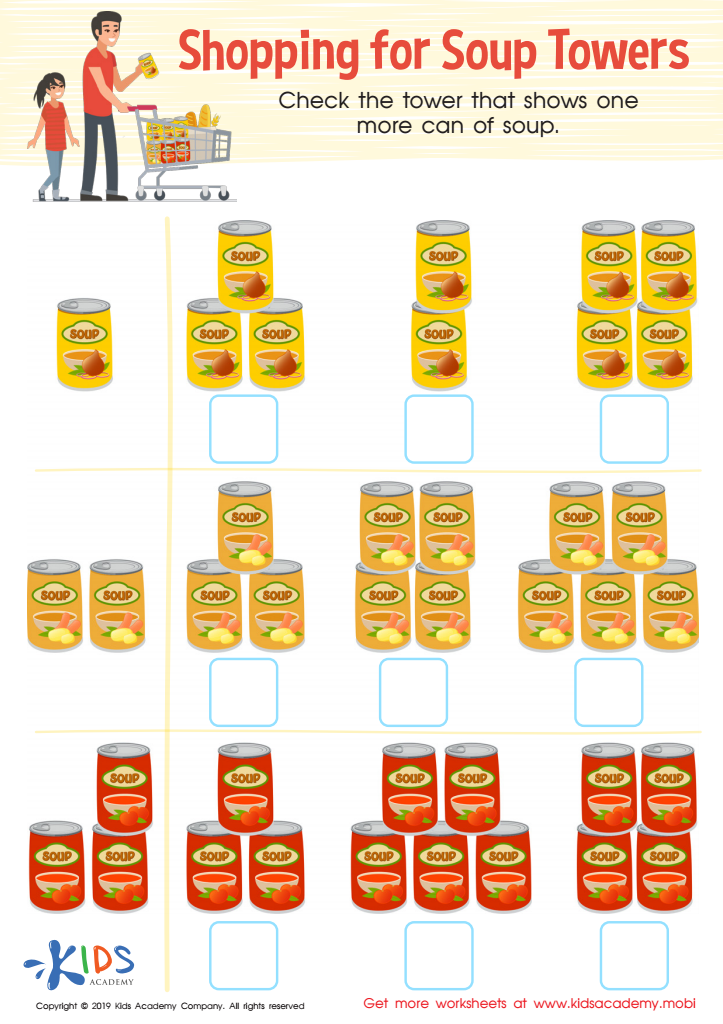
Soup Towers Worksheet
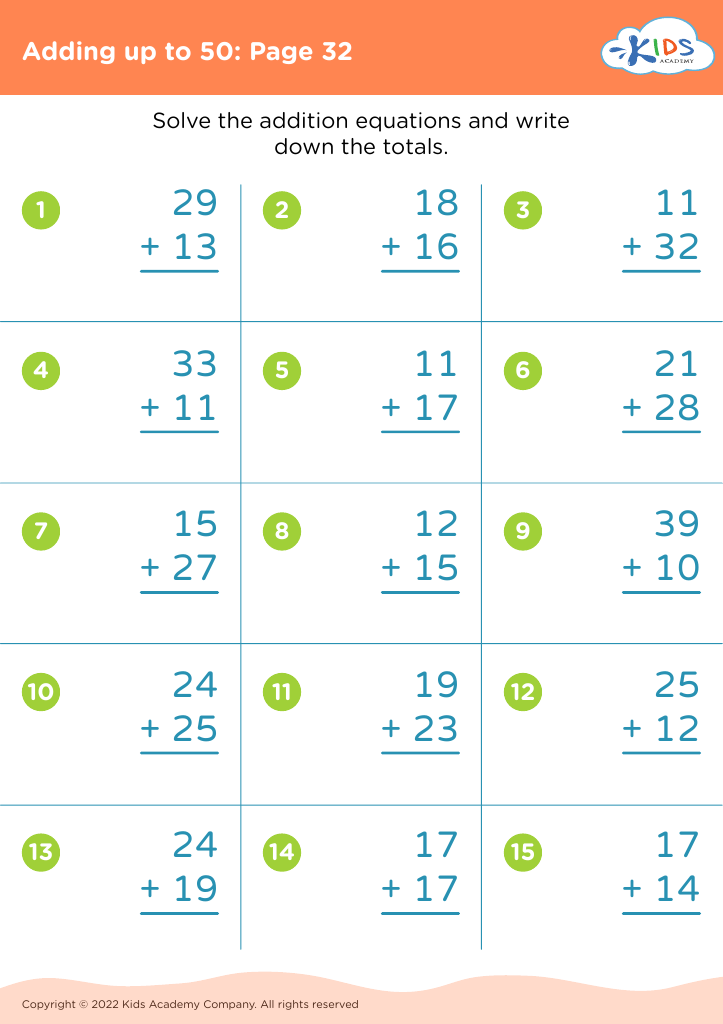







Understanding the concept of more and less is fundamental in a child's early mathematical development and plays a significant role in their everyday life. Both parents and teachers should prioritize ensuring that children grasp this concept well because it forms the basis for future mathematical learning, including addition, subtraction, and number comparison.
Firstly, knowing more and less helps children develop number sense, which is the foundation of math fluency. This understanding enables children to estimate, compare quantities, and understand the value of numbers. For instance, deciding whether to take more apples or fewer helps children apply practical math in daily situations.
Secondly, early proficiency in these basic concepts often leads to greater confidence in tackling more complex math problems. Encouragement from parents and teachers in mastering more and less fosters a positive attitude toward math, reducing anxiety and building resilience in learning.
Engaging in activities that emphasize these concepts, like comparing groups of objects or using interactive games, can make learning fun and meaningful. Ultimately, by focusing on the more and less concept, parents and teachers lay the groundwork for mathematical success, ensuring children build strong analytical and problem-solving skills that extend beyond the classroom.








