Understanding number value Math Worksheets
4 filtered results
-
From - To
Discover our "Understanding Number Value" math worksheets designed to help young learners grasp the concept of number values in a fun, engaging way. These worksheets offer varied exercises that simplify complex topics like place value, comparing numbers, and reading numerical values. Perfect for early grades, our resources serve as effective practice tools, reinforcing essential math skills through colorful illustrations and interactive tasks. Ideal for classroom or home use, these worksheets ensure your child builds a strong foundation in mathematics. Dive into interactive learning and boost your child's confidence in understanding number values today! Explore our collection and watch them thrive!
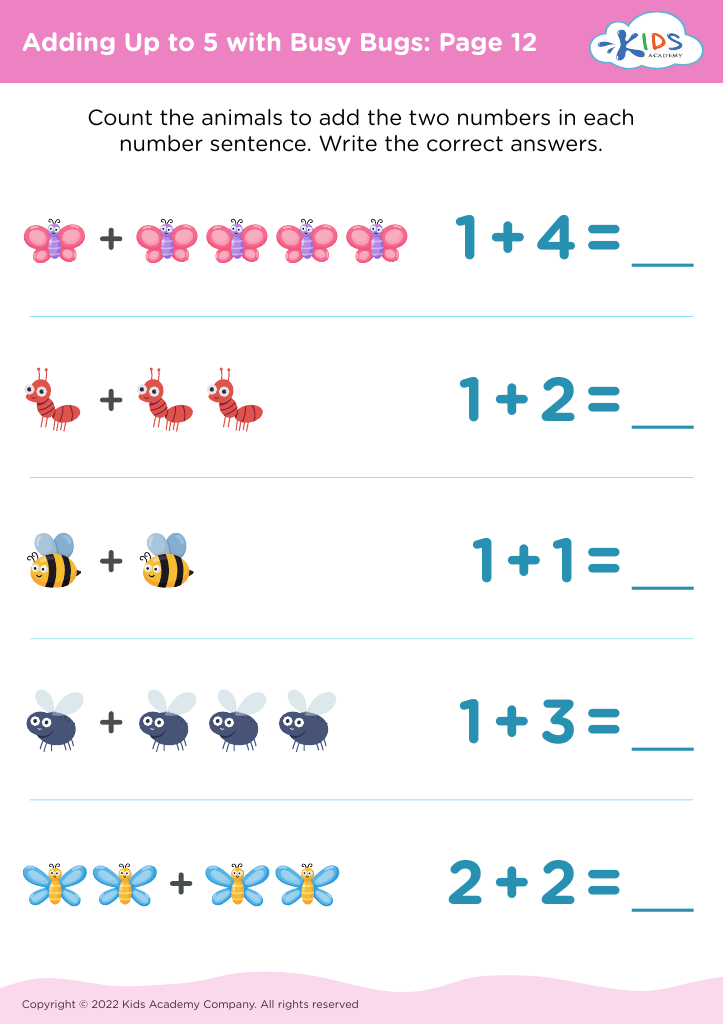
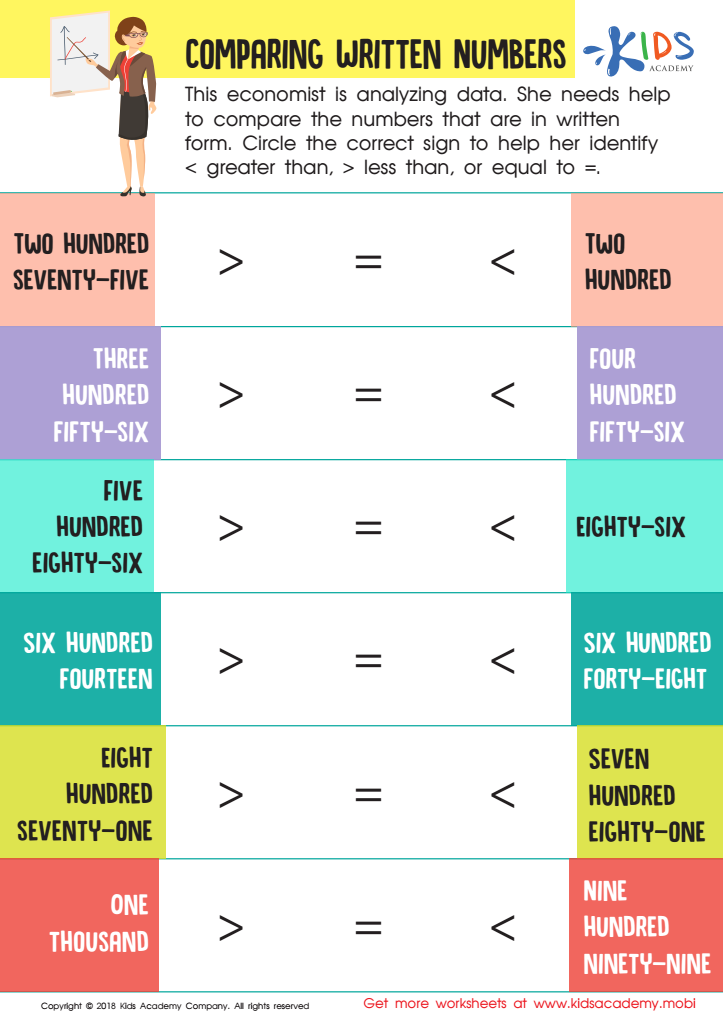
Comparing Written Numbers Worksheet
 Assign to My Students
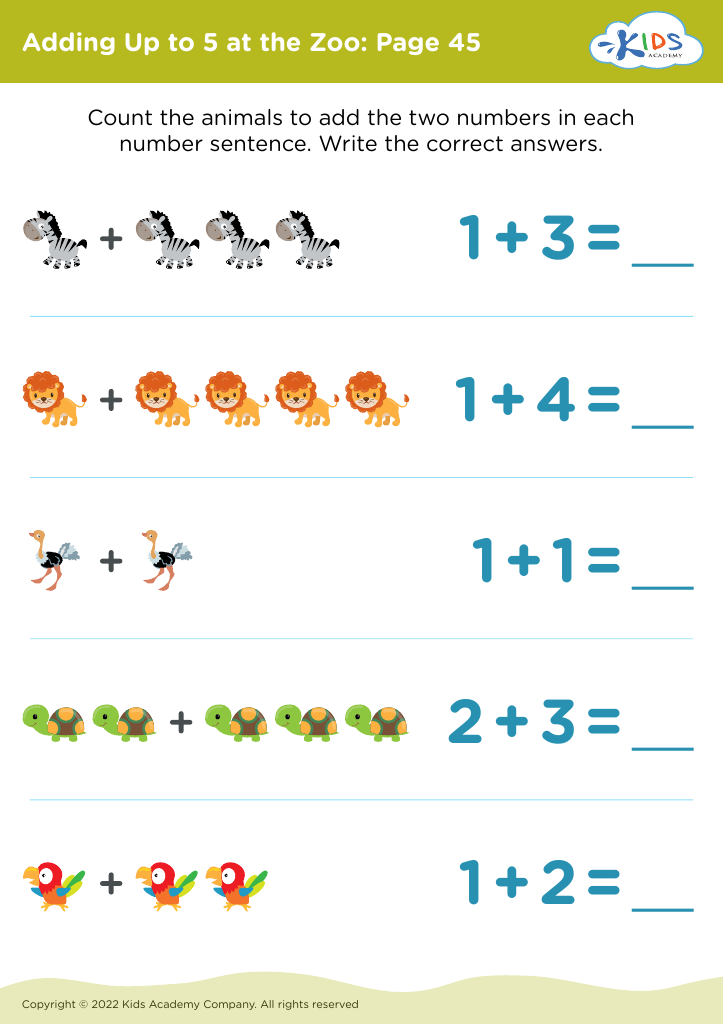
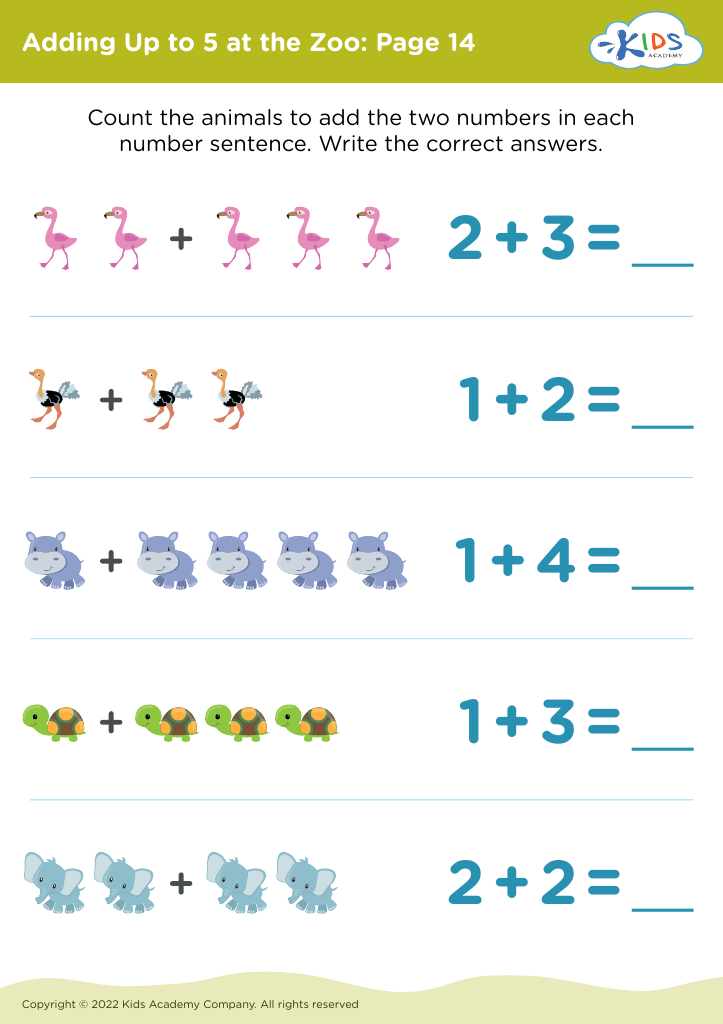








Understanding number value is crucial for children’s mathematical development and applied knowledge. Parents and teachers should prioritize this understanding because firm foundational skills in number value set the stage for all advanced mathematical concepts. By grasping number value, students learn to recognize the importance of place value, which is essential when performing operations such as addition, subtraction, multiplication, and division.
When children understand that, for example, the '2' in the number 20 represents two tens, they can confidently manipulate numbers and develop the necessary skills for higher-level math, such as more complex equations and real-life problem-solving scenarios.
Additionally, a strong comprehension of number value nurtures critical thinking and fosters a positive attitude towards math. It helps children make real-world connections, such as budgeting or measuring—essential skills in everyday life.
Furthermore, when parents and educators engage actively in enhancing number value understanding, they cultivate a supportive learning environment that encourages curiosity and perseverance. Lastly, recognizing its importance helps in identifying students who may struggle with foundational concepts early on, allowing for appropriate interventions to bolster their learning journey in mathematics. Overall, understanding number value equips students with the tools they need to succeed academically and personally.








