Understanding sequencing Math Worksheets
11 filtered results
-
From - To
Explore the importance of sequencing with our engaging math worksheets! Designed specifically for young learners, these worksheets help children develop critical thinking and logical reasoning skills. Students will practice arranging numbers and patterns in the correct order, fostering their comprehension of sequences in mathematics. Our fun and interactive activities reinforce understanding through hands-on learning experiences. Ideal for classroom or home use, these worksheets cater to various skill levels, ensuring every child has the opportunity to excel. Download our free downloadable resources and encourage your child to navigate the world of numbers with confidence through the foundational skill of sequencing!
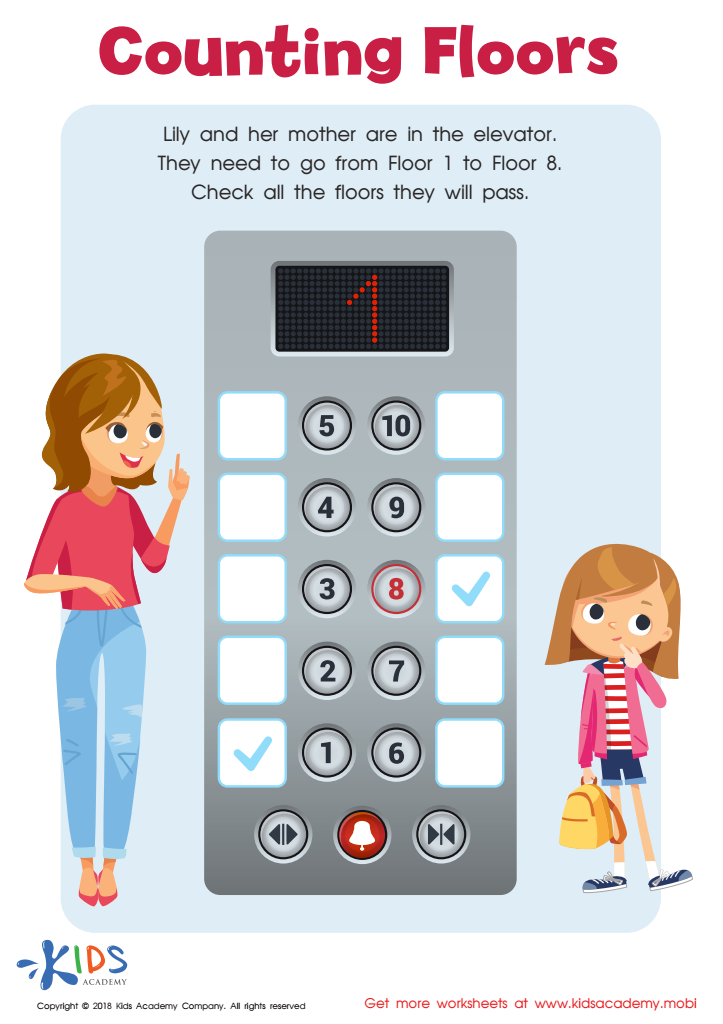
Counting Floors Worksheet
 Assign to My Students
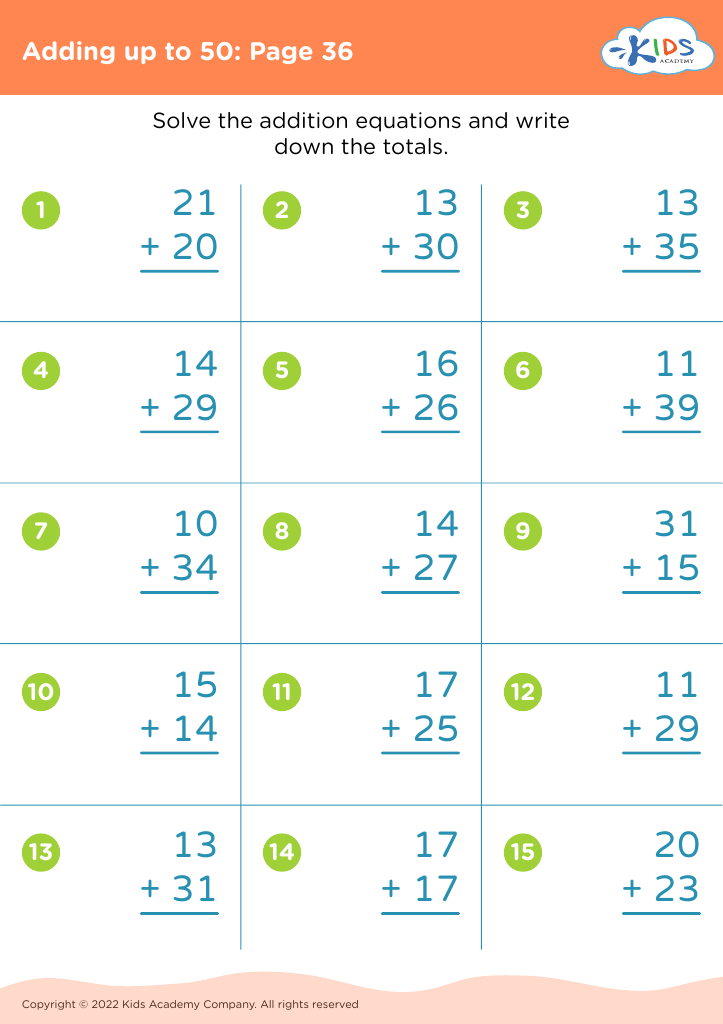
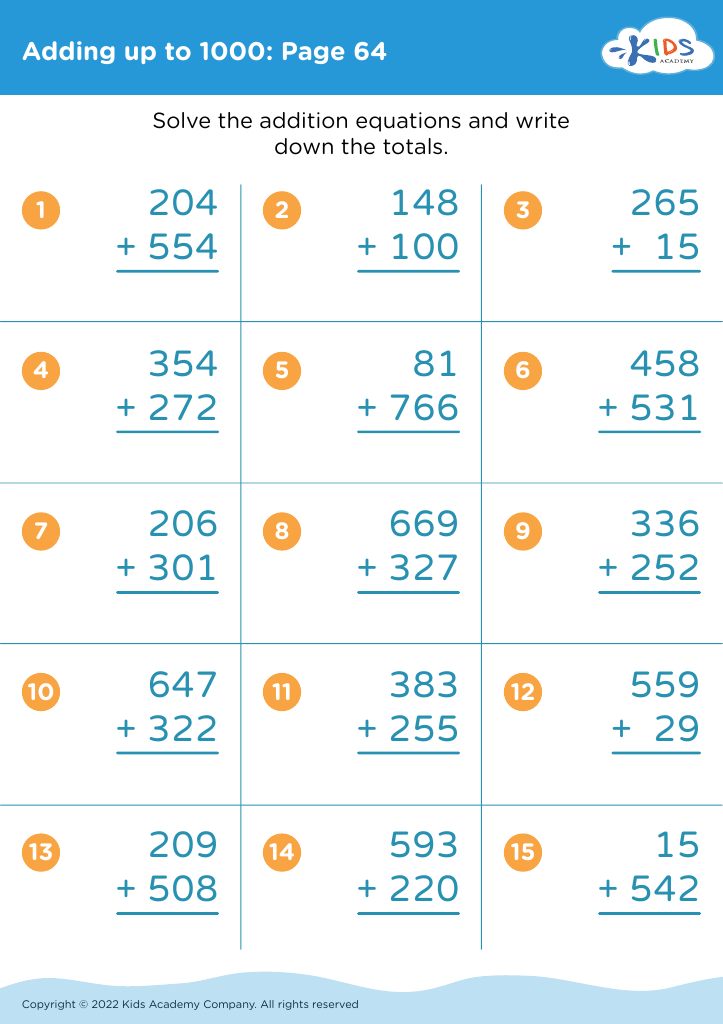
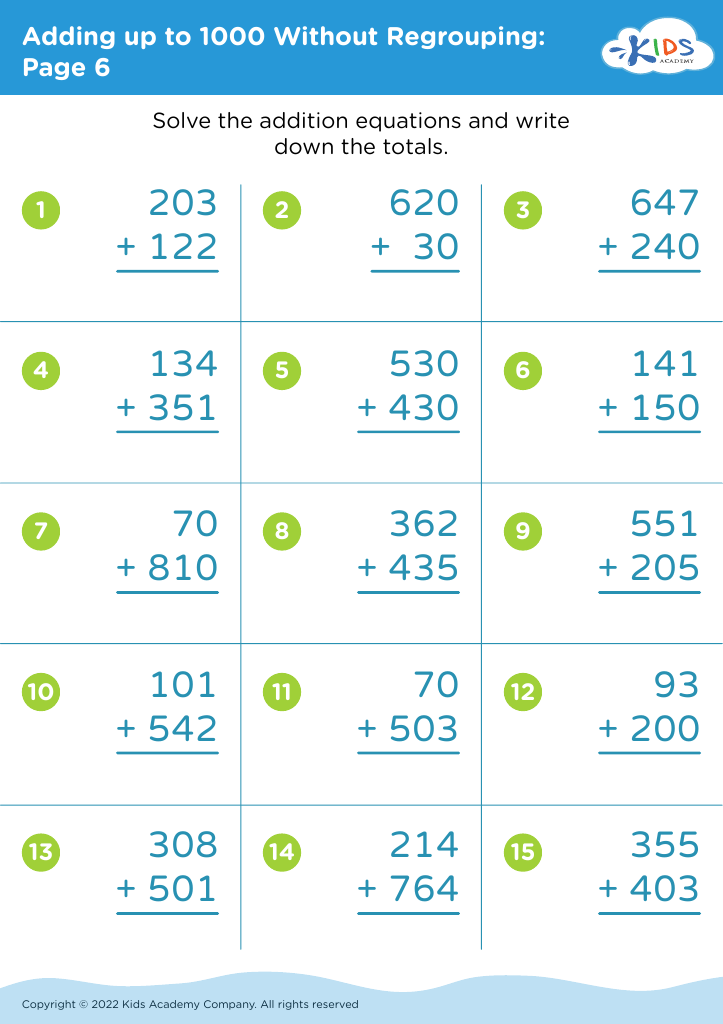

One More Jumps In Worksheet
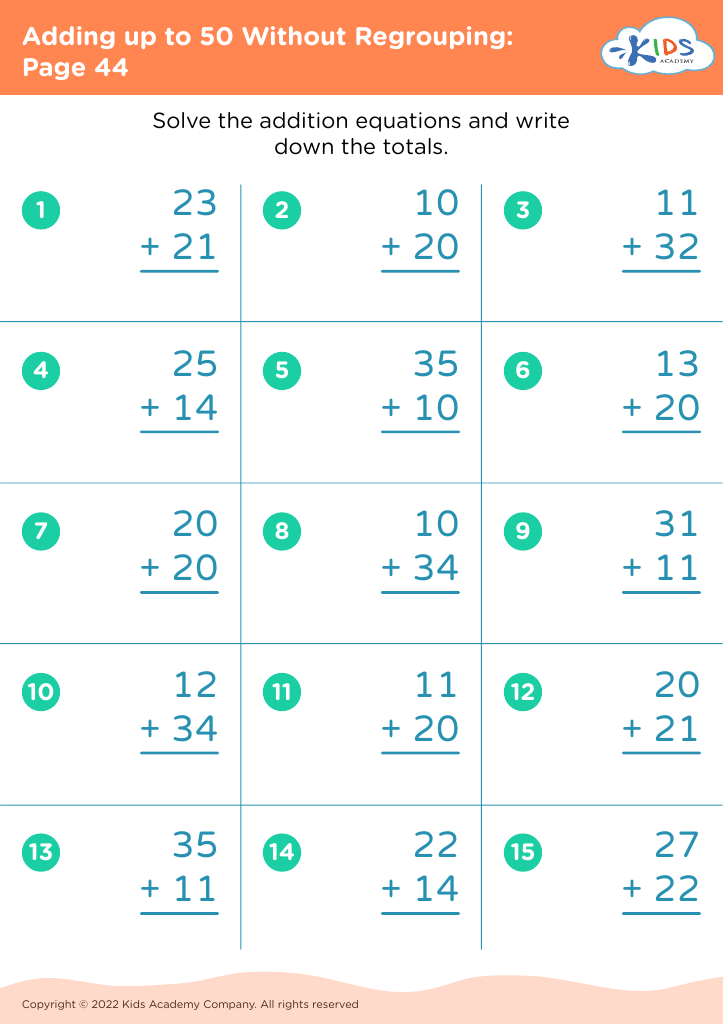
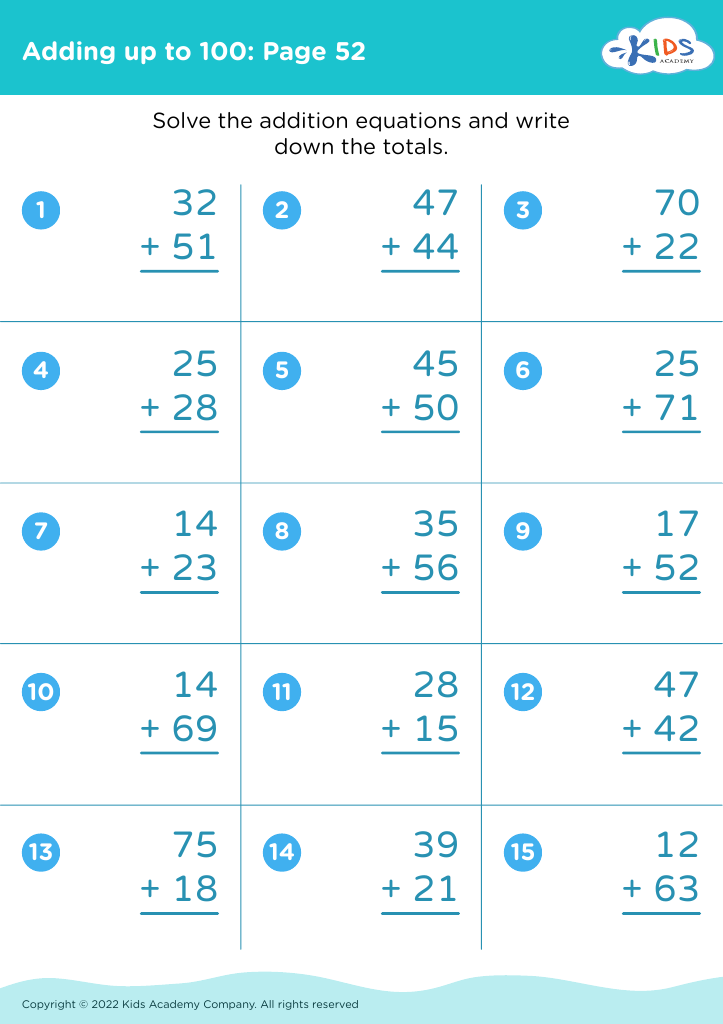
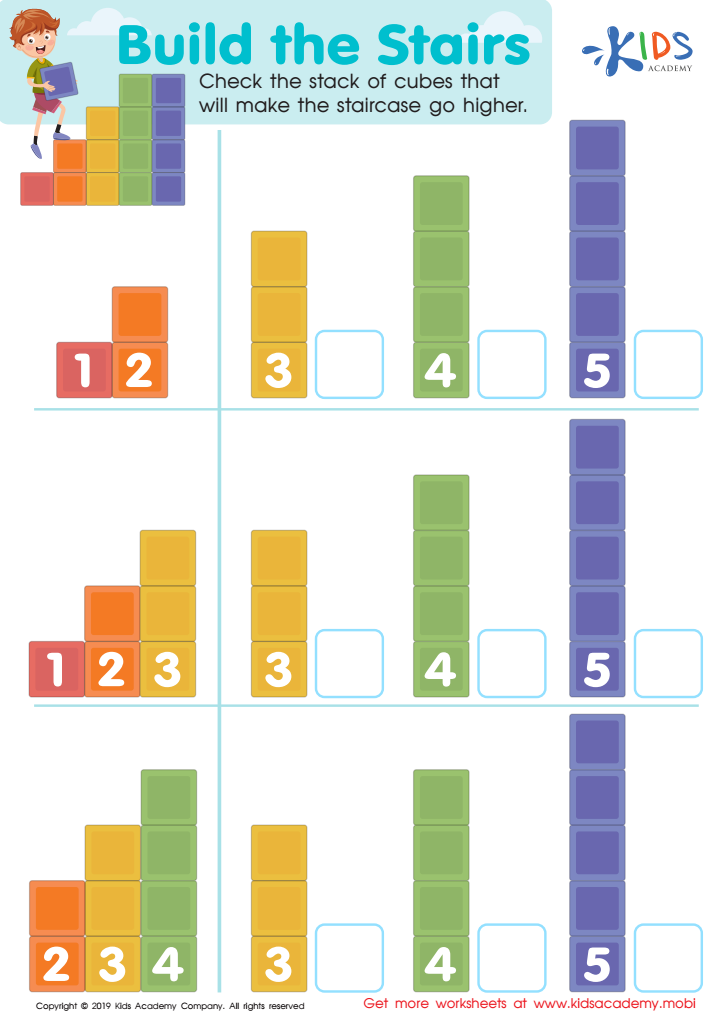
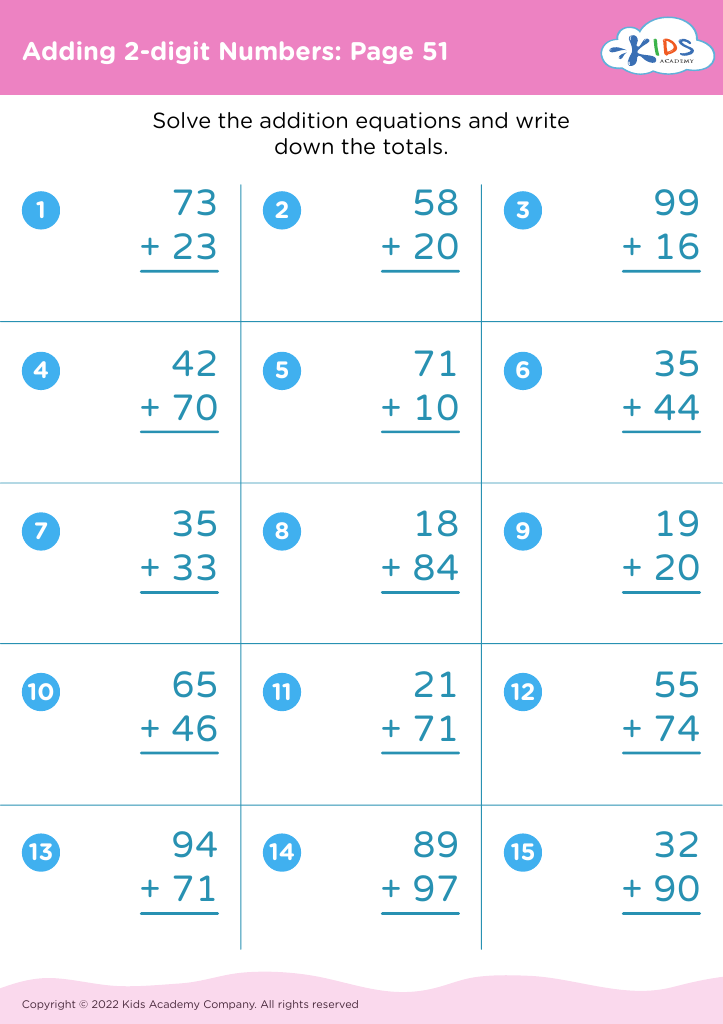
Build the Stairs Worksheet
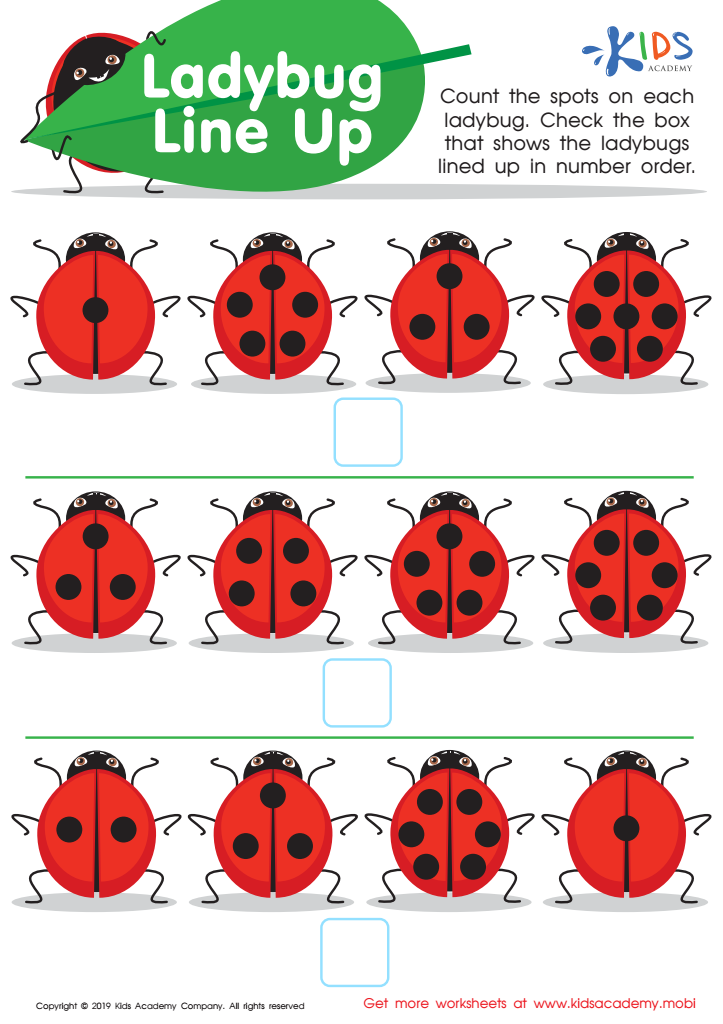
Ladybug Line Up Worksheet
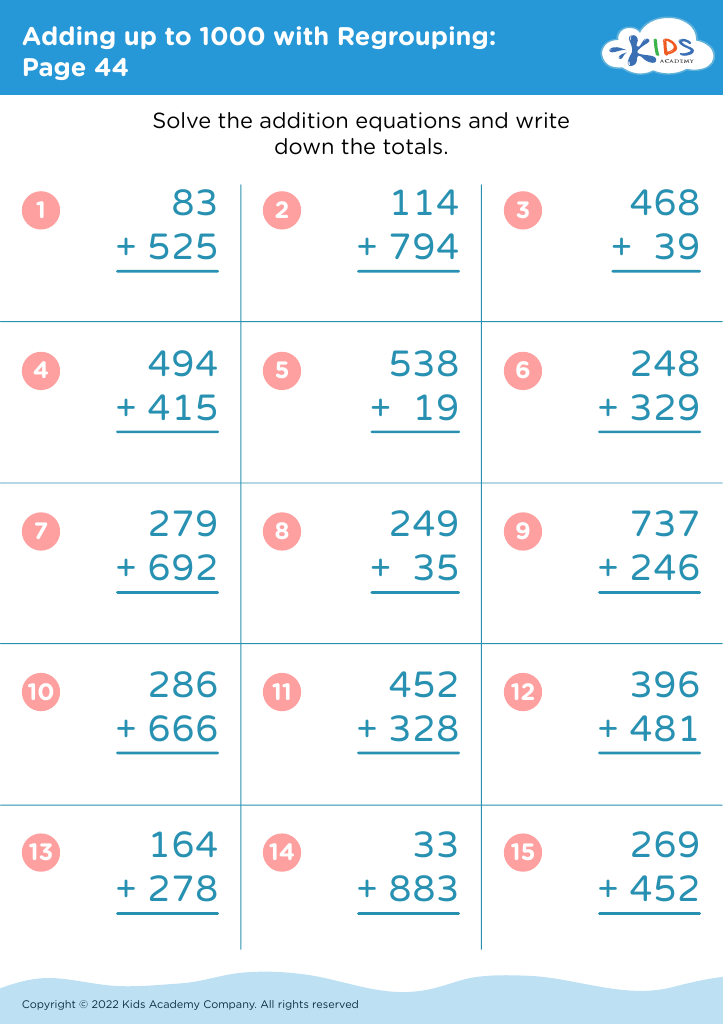




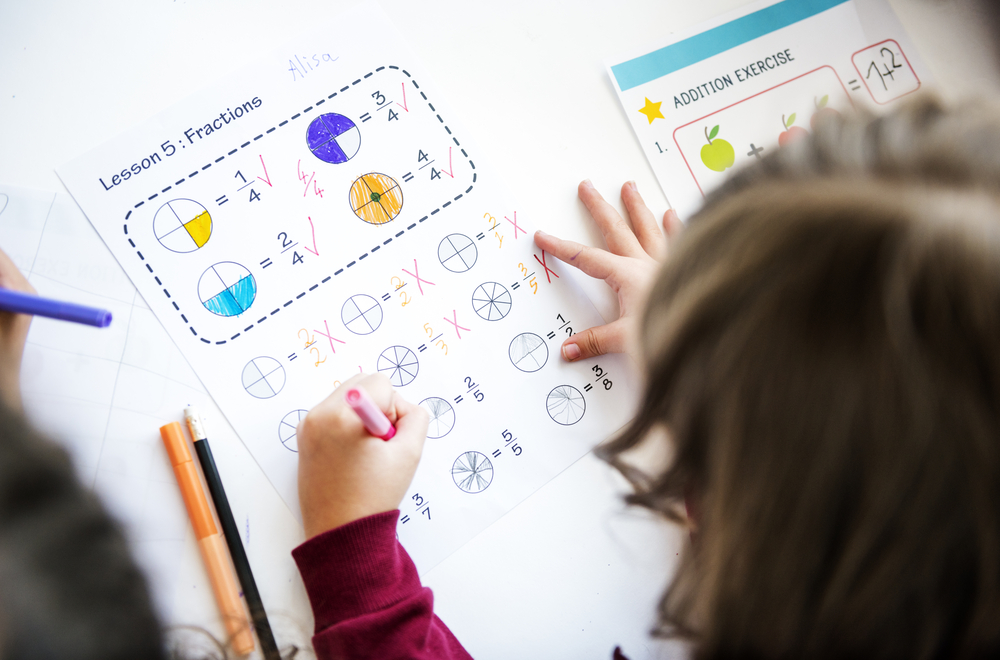



Understanding sequencing in math is crucial for both parents and teachers because it forms the foundation for more complex mathematical concepts and problem-solving skills. Sequencing helps children learn to organize numbers and operations in a logical order, which is essential for understanding functions, patterns, and relationships in mathematics.
When children grasp sequencing, they can tackle tasks such as addition and subtraction with greater confidence, moving gradually from one step to the next. This logical progression is vital when they encounter word problems or multi-step equations. Additionally, a solid understanding of sequencing aids in developing critical thinking and reasoning skills, which are invaluable not only in math but across all subjects.
Moreover, sequencing enhances literacy in mathematics, enabling students to follow instructions or comprehend mathematical stories more effectively. For parents, being aware of their child's mastery in sequencing can guide support at home, fostering a positive attitude toward math and encouraging exploration.
By prioritizing sequencing, educators can create structured lessons that build cumulative knowledge, ensuring that students are well-prepared for advanced topics. In summary, an emphasis on understanding sequencing in math is critical for fostering a child's overall cognitive development and success in lifelong learning.








