Understanding symmetry Math Worksheets - Page 2
30 filtered results
-
From - To
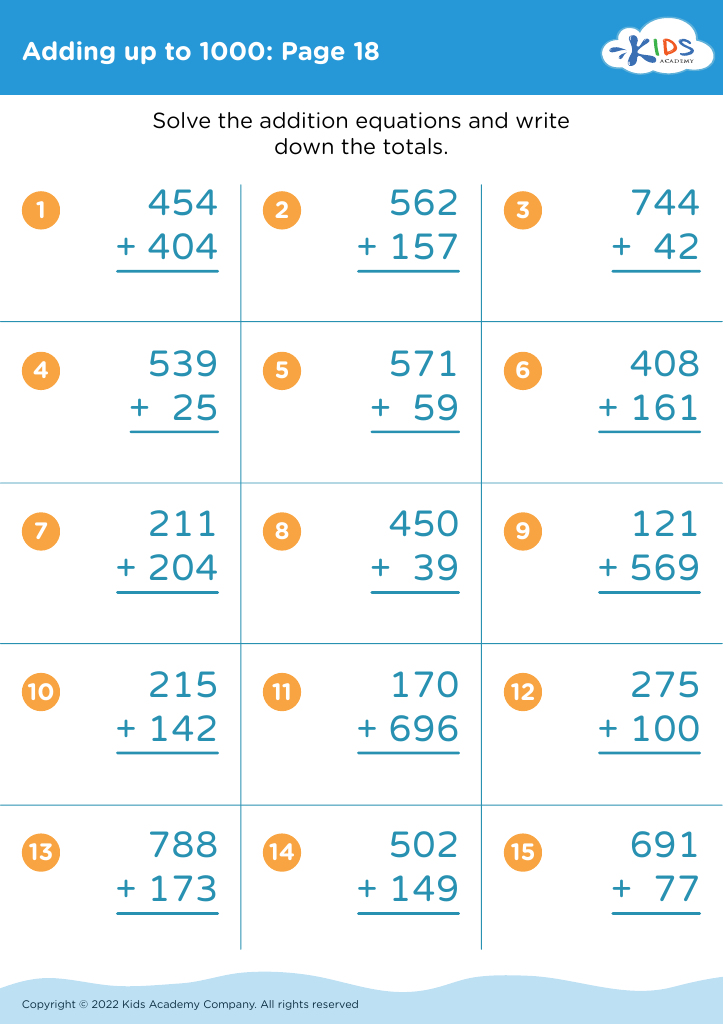
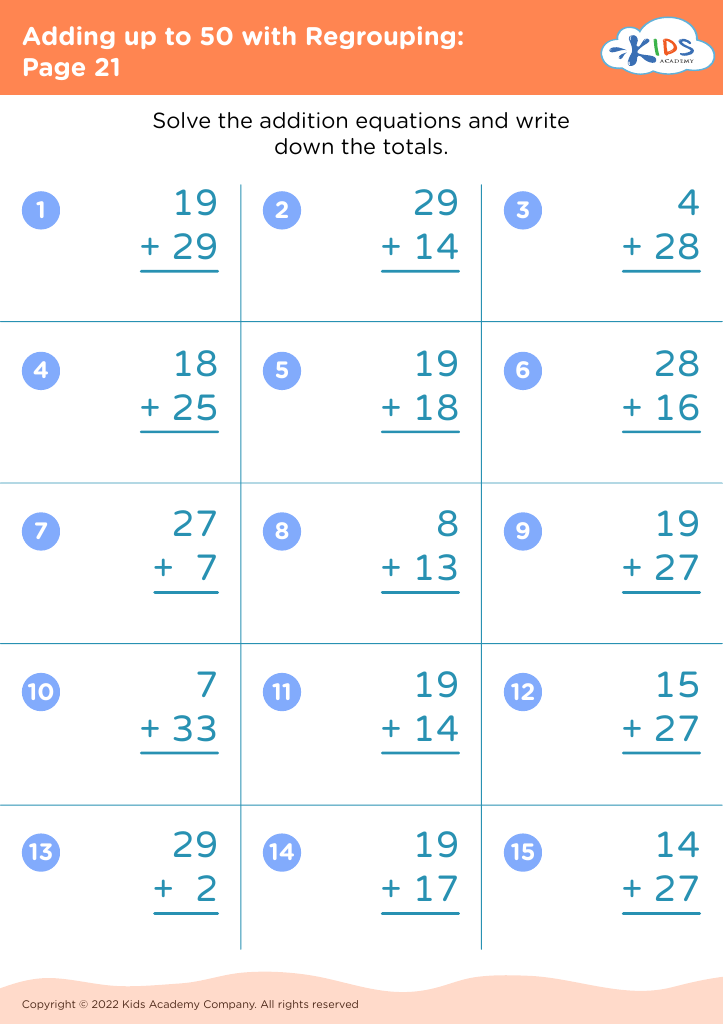
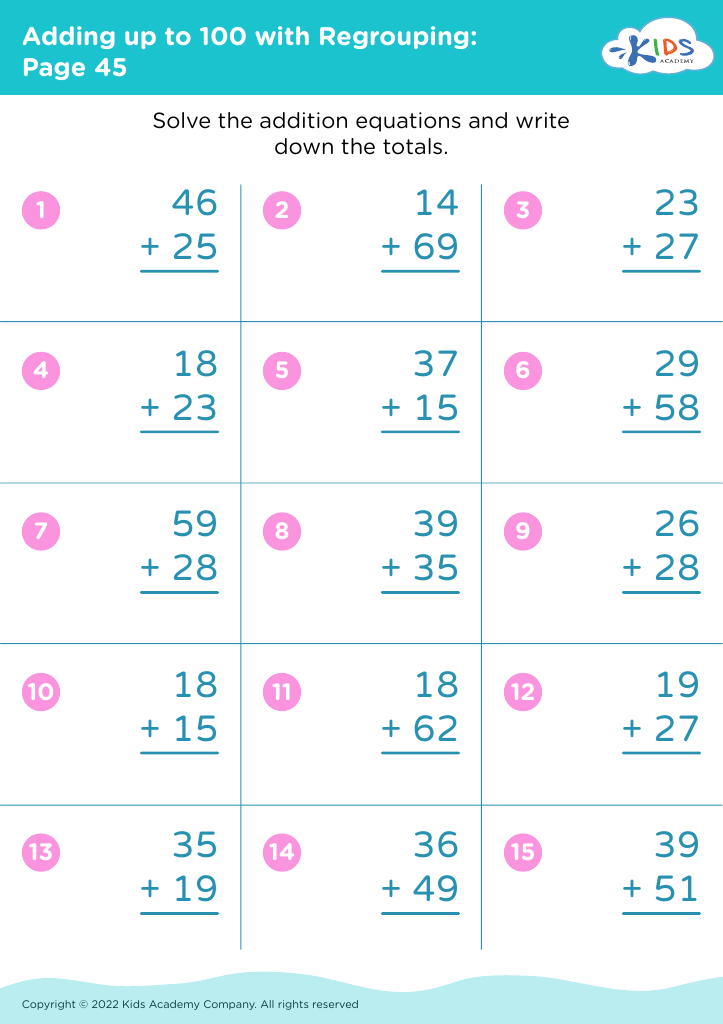
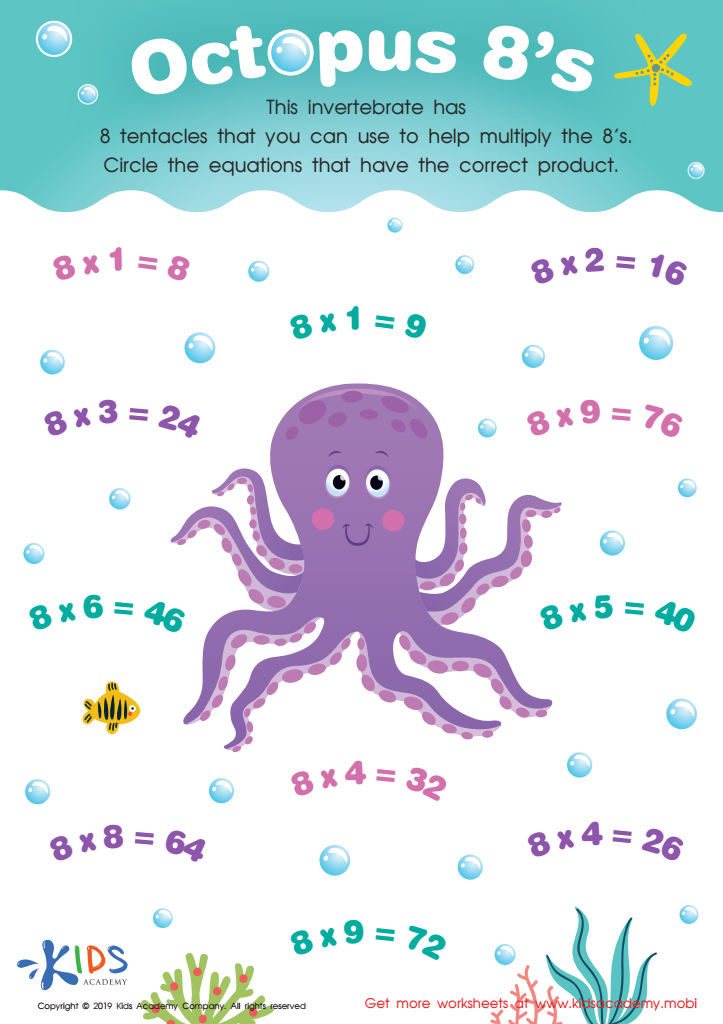
Octopus 8’s Worksheet
 Assign to My Students





.jpg)


Understanding symmetry in math is crucial for young learners as it forms the foundation for many advanced mathematical concepts and real-world applications. Symmetry helps children develop crucial spatial reasoning skills, which are essential for solving a variety of mathematical problems. Recognizing and creating symmetrical patterns enhance a child's ability to identify and understand shapes, patterns, and geometric properties, all of which are vital components in their math education.
Moreover, a solid understanding of symmetry fosters creativity and problem-solving skills. Children learn to see connections and relationships, making it easier for them to grasp more complex concepts later on, like fractions and algebra. Symmetry is prevalent in nature, art, architecture, and design, which makes learning about it both practical and engaging. When students see mathematical concepts reflected in the world around them, it promotes a deeper appreciation and interest in the subject.
For parents and teachers, encouraging the study of symmetry can make math more interactive and enjoyable. By integrating symmetry-related activities, such as drawing, cutting shapes, and exploring nature, adults can help demystify mathematics, showing children that math is not just about numbers but also about structure and beauty. This holistic approach can foster a lifelong appreciation and curiosity for learning in general.








