Visual perception Math Worksheets
57 filtered results
-
From - To
Unlock your child's potential with our Visual Perception Math Worksheets designed for grades K-3. These engaging worksheets blend fun and learning to enhance kids' visual-spatial reasoning, pattern recognition, and problem-solving skills. Each worksheet features vibrant illustrations and interactive activities that help young learners develop a solid foundation in math. From shape-matching to counting exercises, our expertly crafted materials cater to various learning styles, providing targeted practice that strengthens fundamental math concepts. Perfect for classroom use or at-home practice, these worksheets make math an enjoyable adventure for kids, fostering a lifelong love for learning. Discover the difference today!
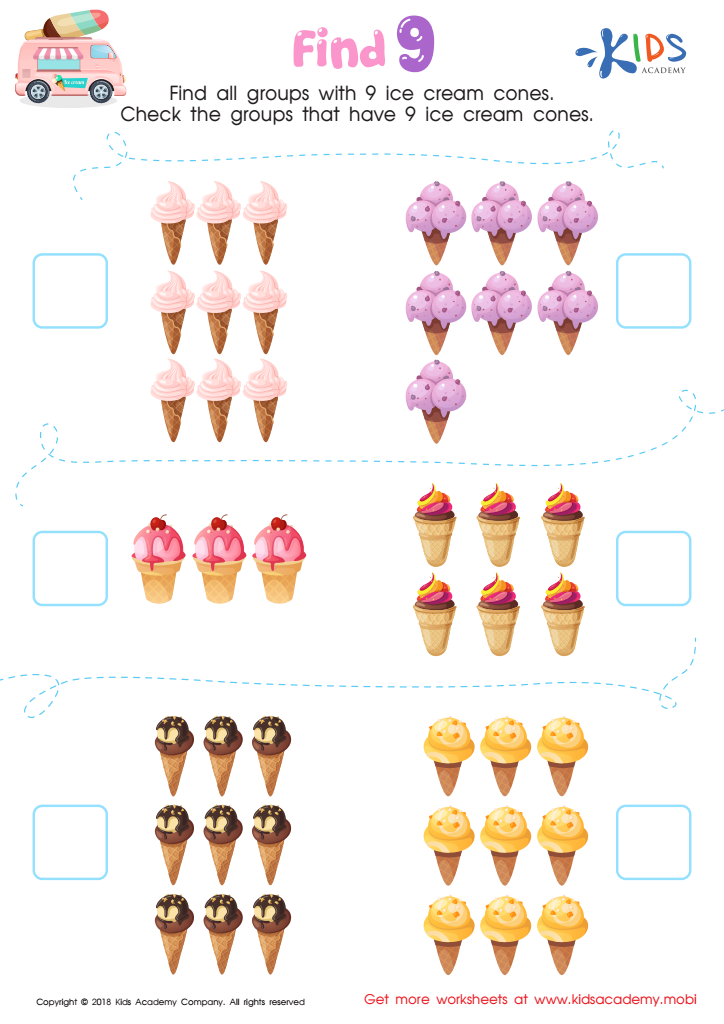
Find 9 Worksheet
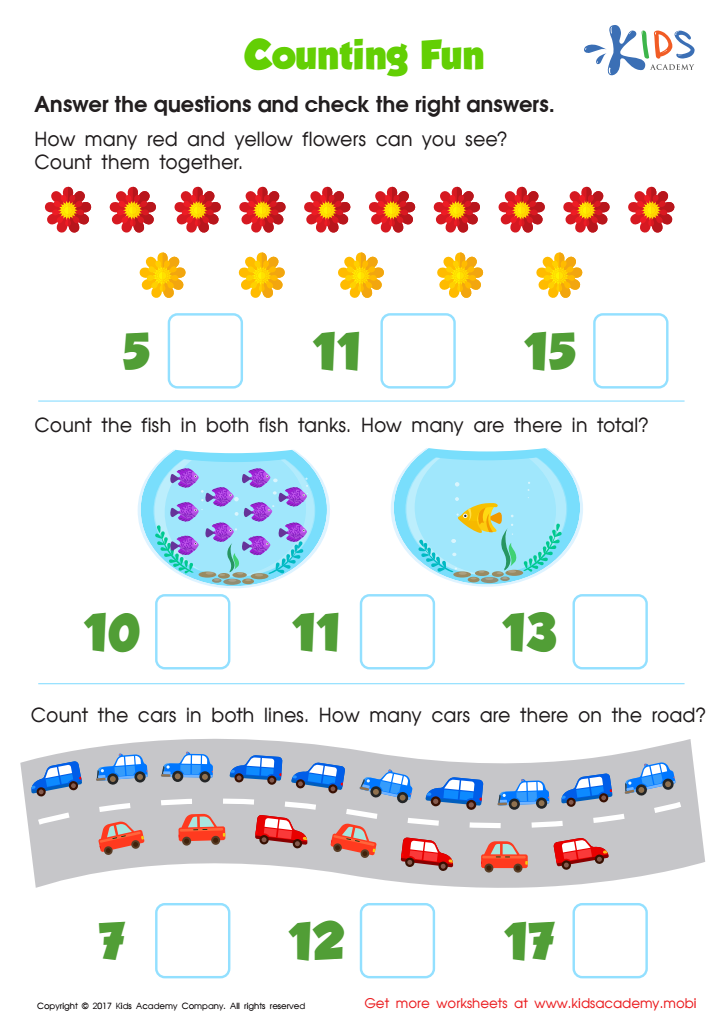
Counting Fun Worksheet
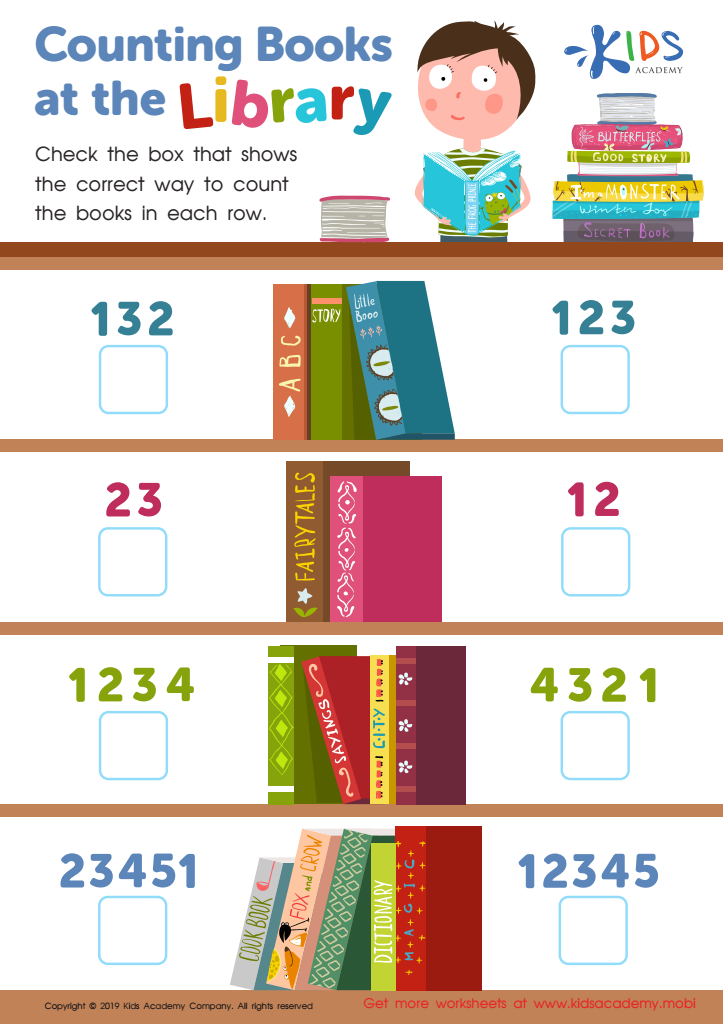
Counting Books at the Library Worksheet
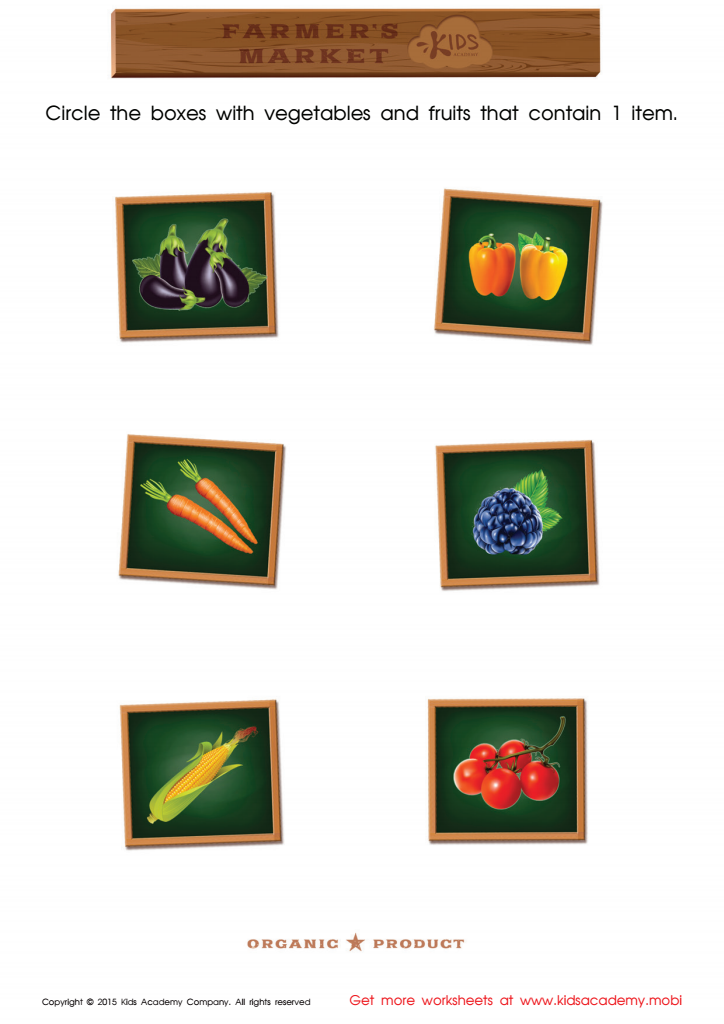
Count and Match Boxes with Vegetables
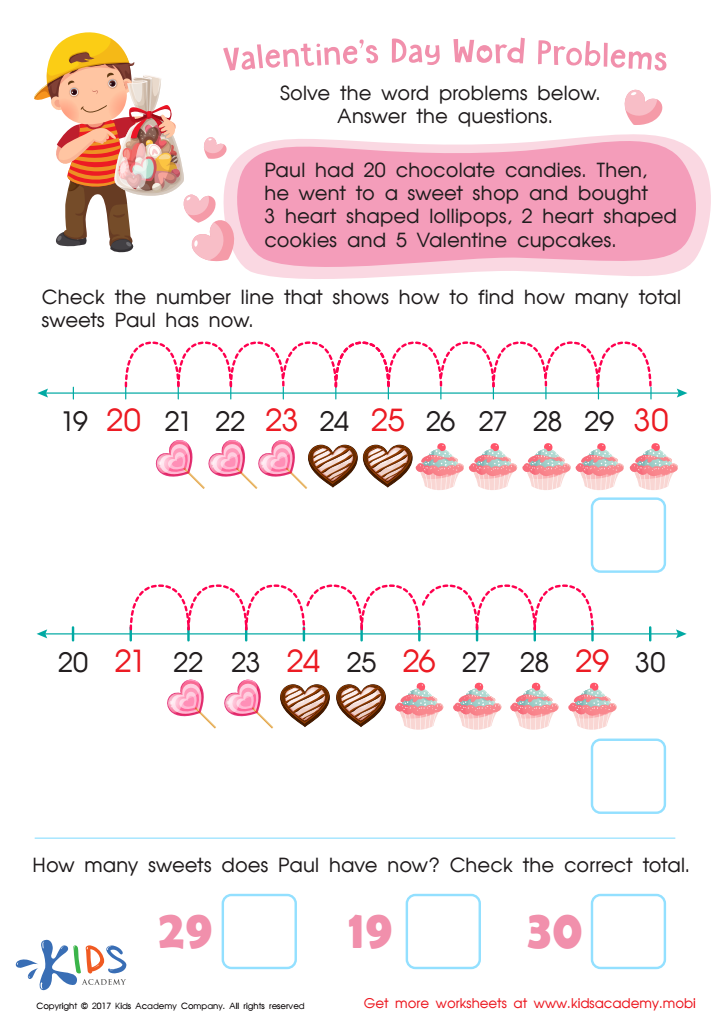
Valentines Day 2 Printable
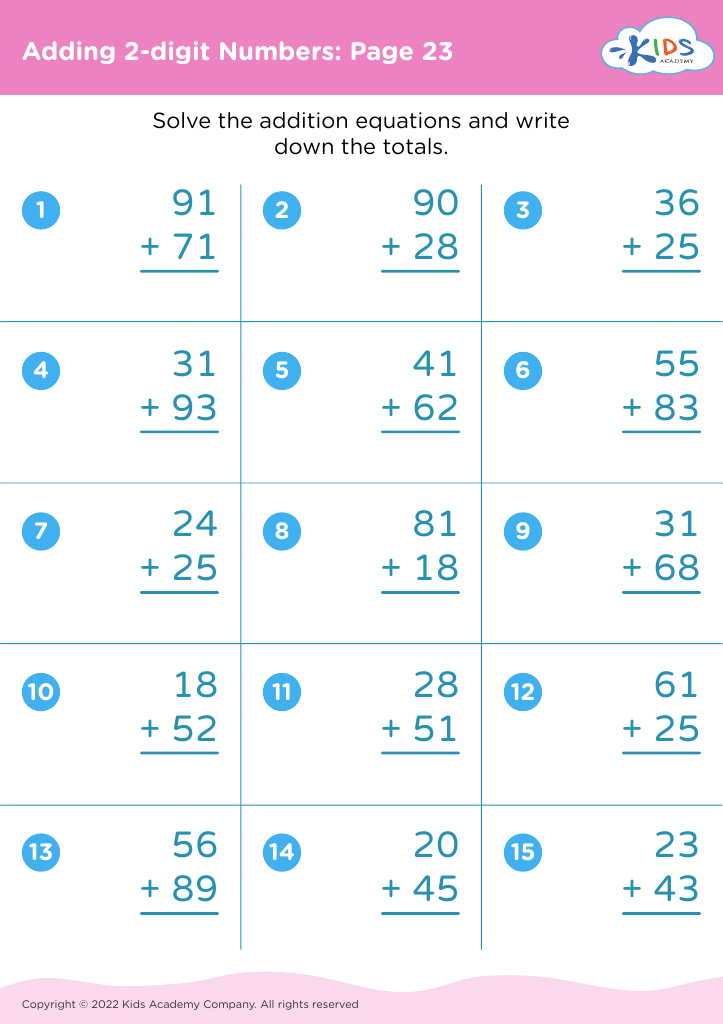
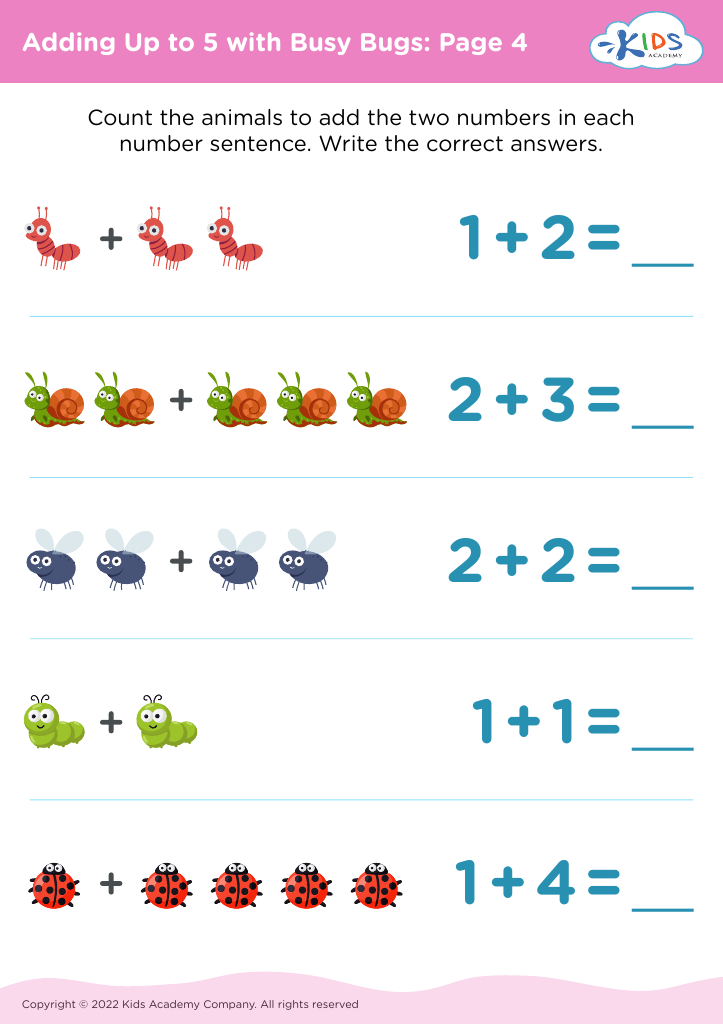
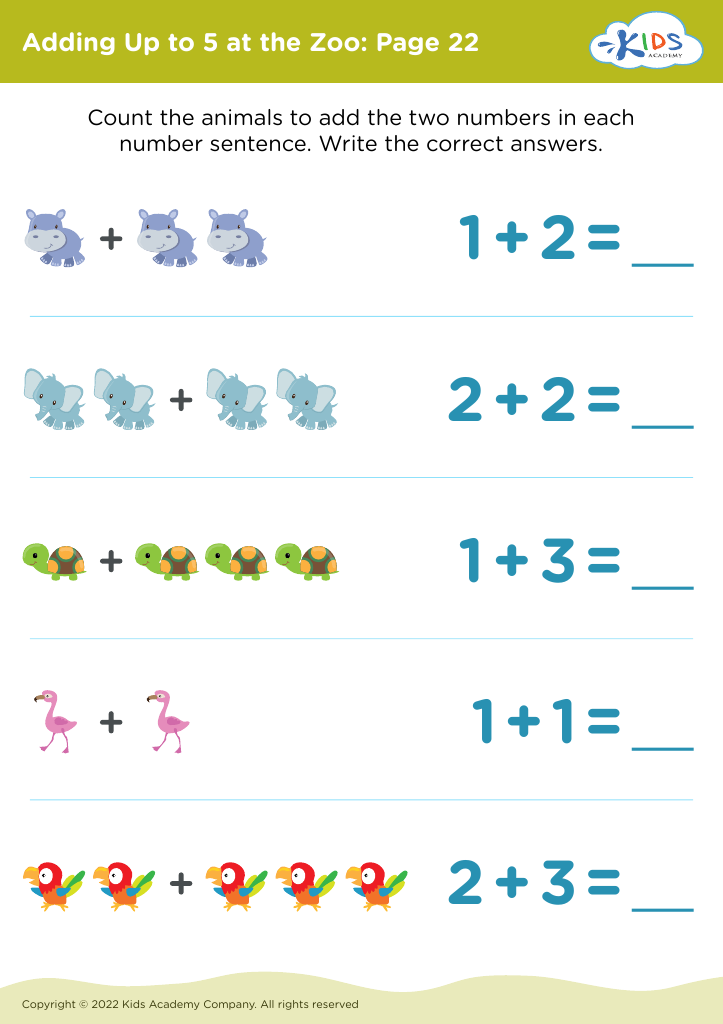
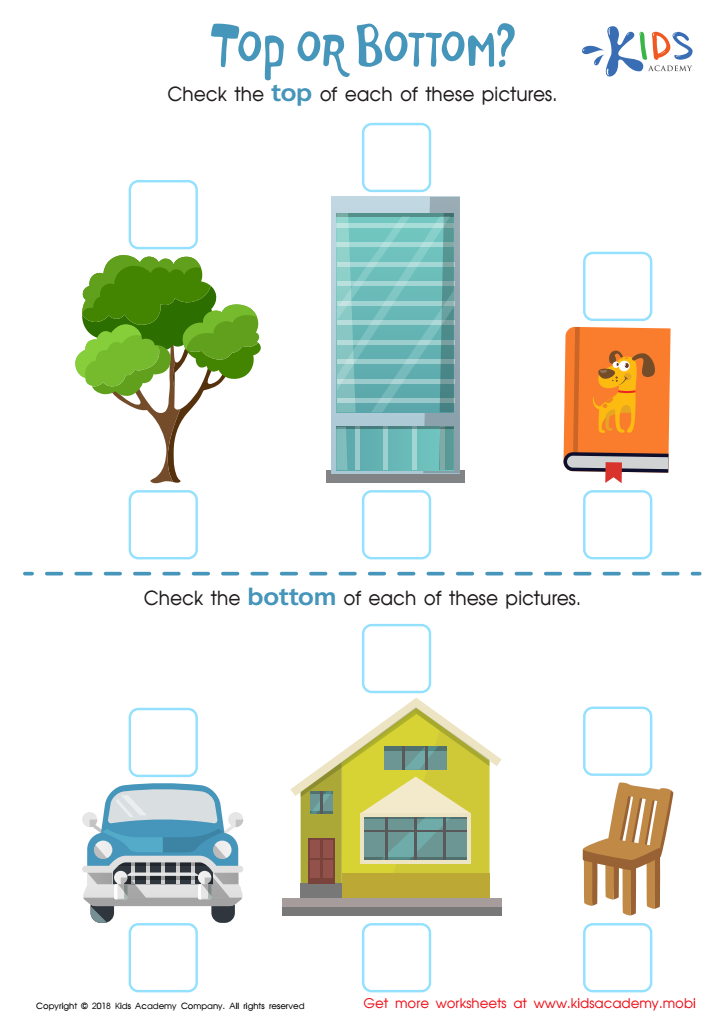
Top or Bottom Worksheet
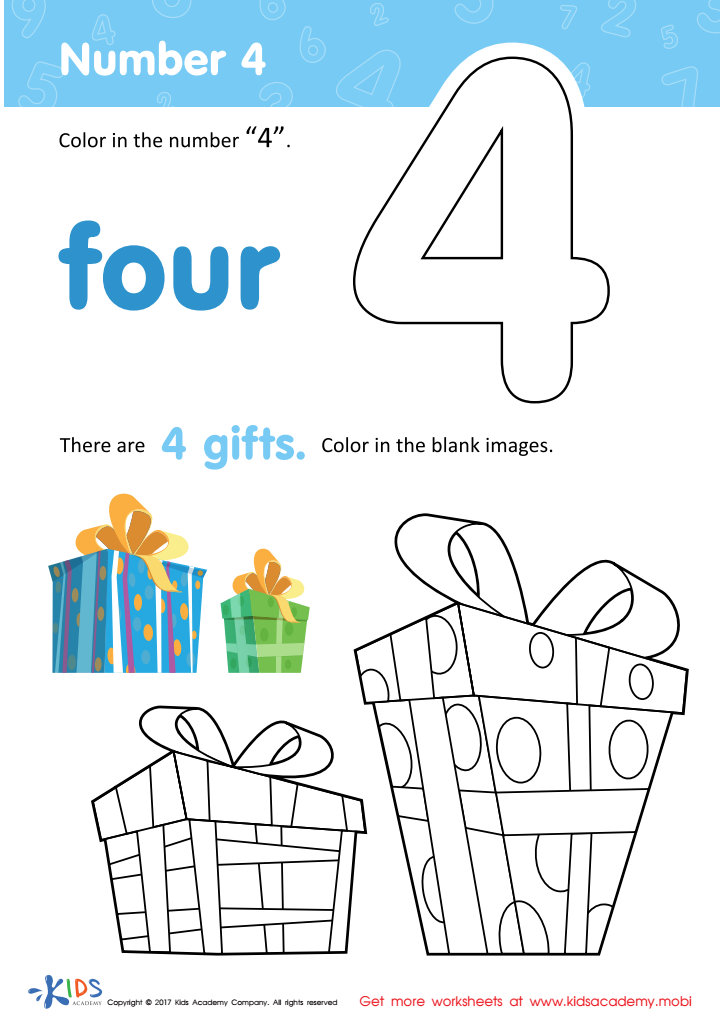
Number 4 Printable
 Assign to My Students
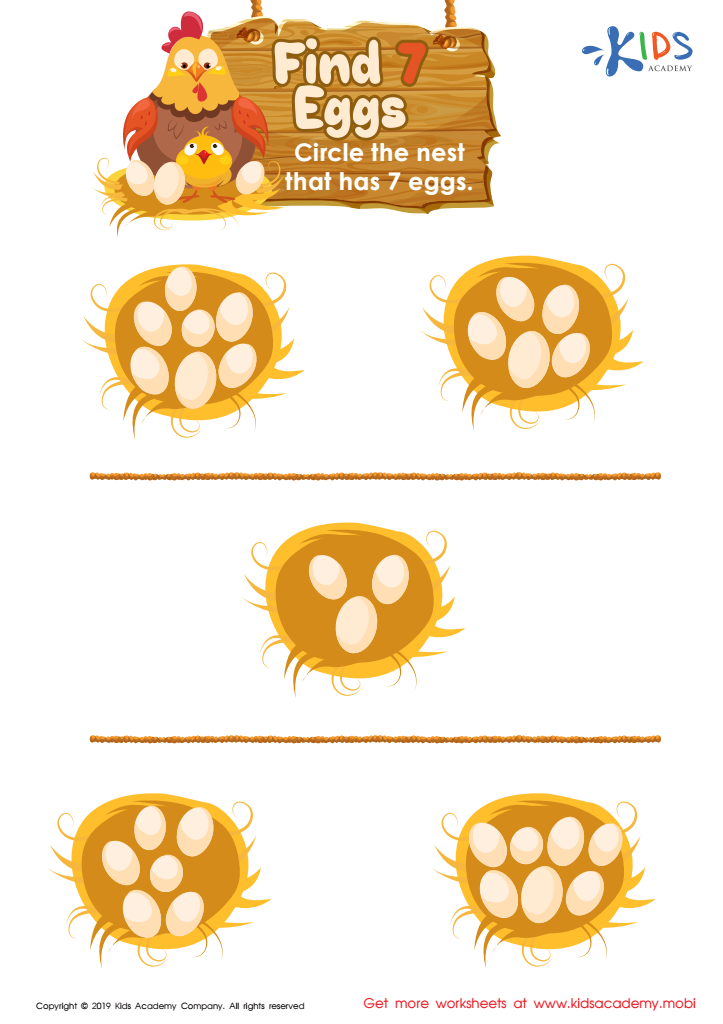
Find 7 Eggs Worksheet
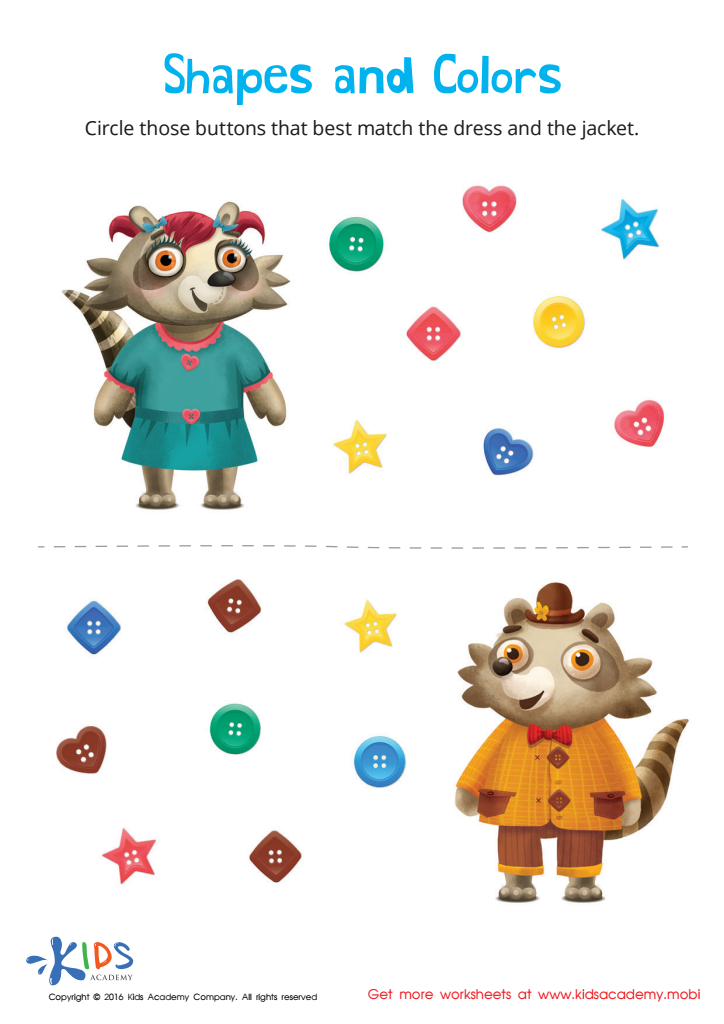
Matching: Shapes and Colors Worksheet
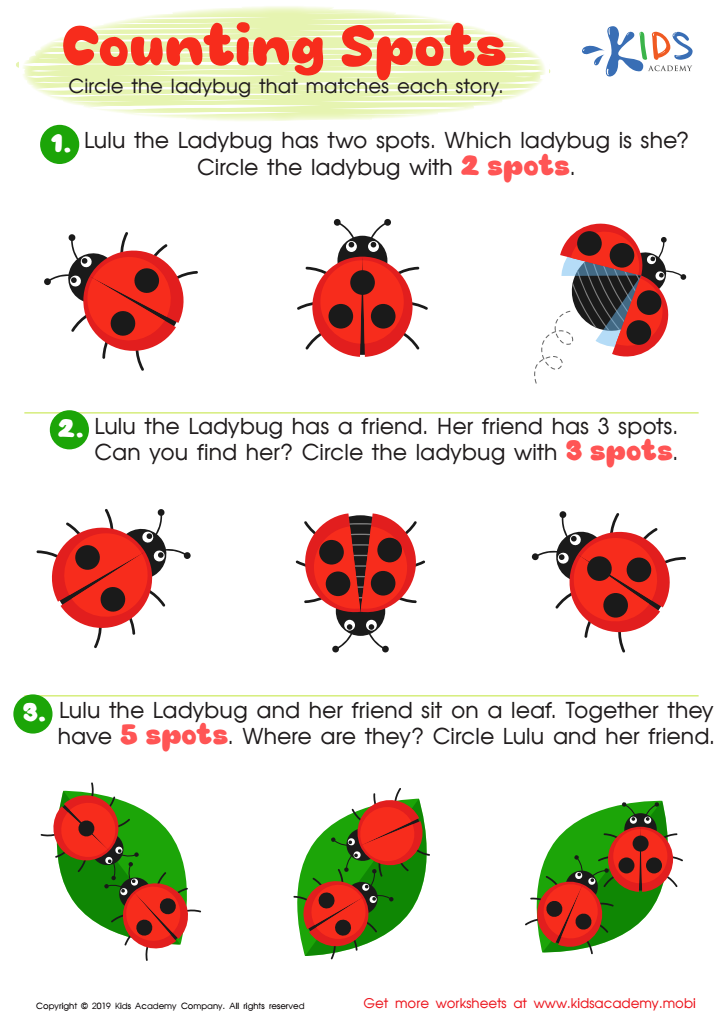
Counting Spots Worksheet
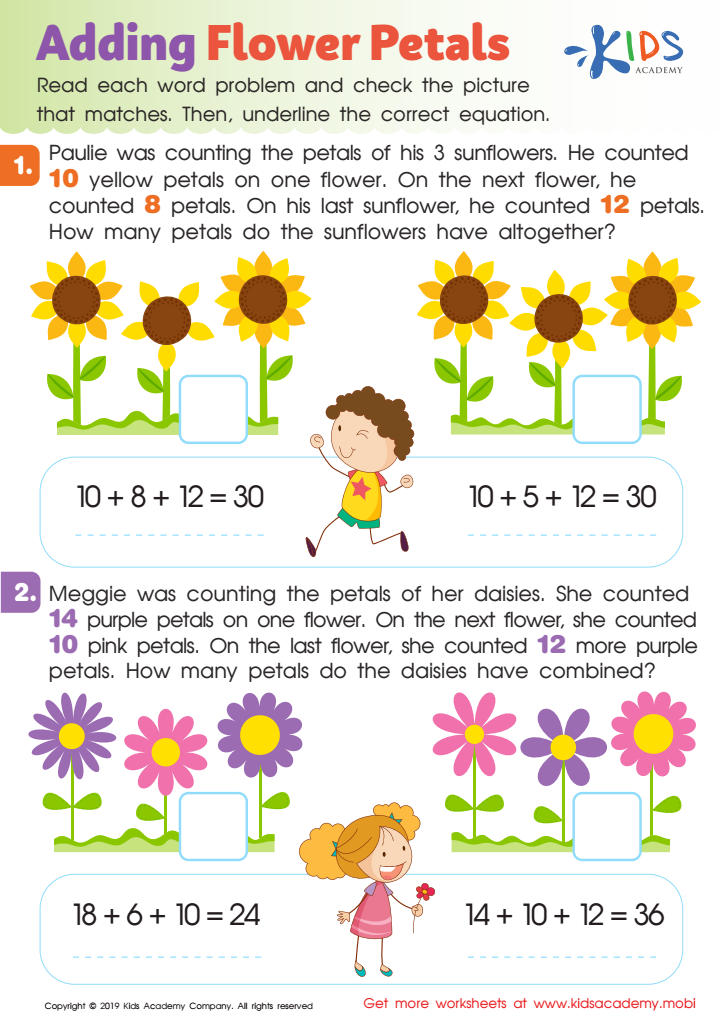
Adding Flower Petals Worksheet
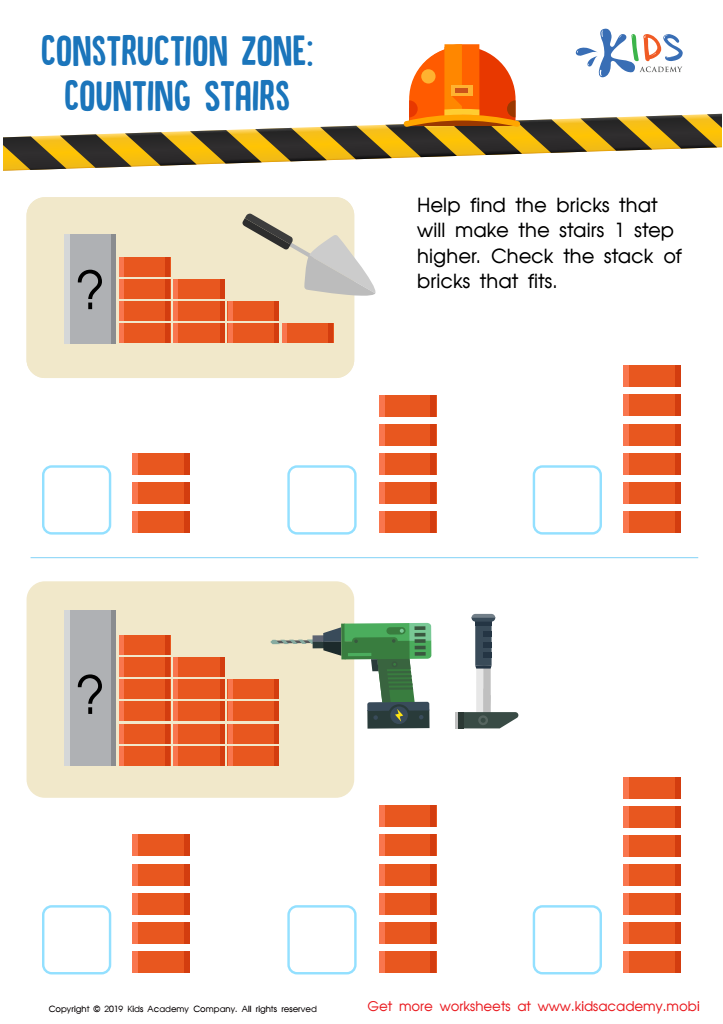
Construction Zone: Counting Stairs Worksheet
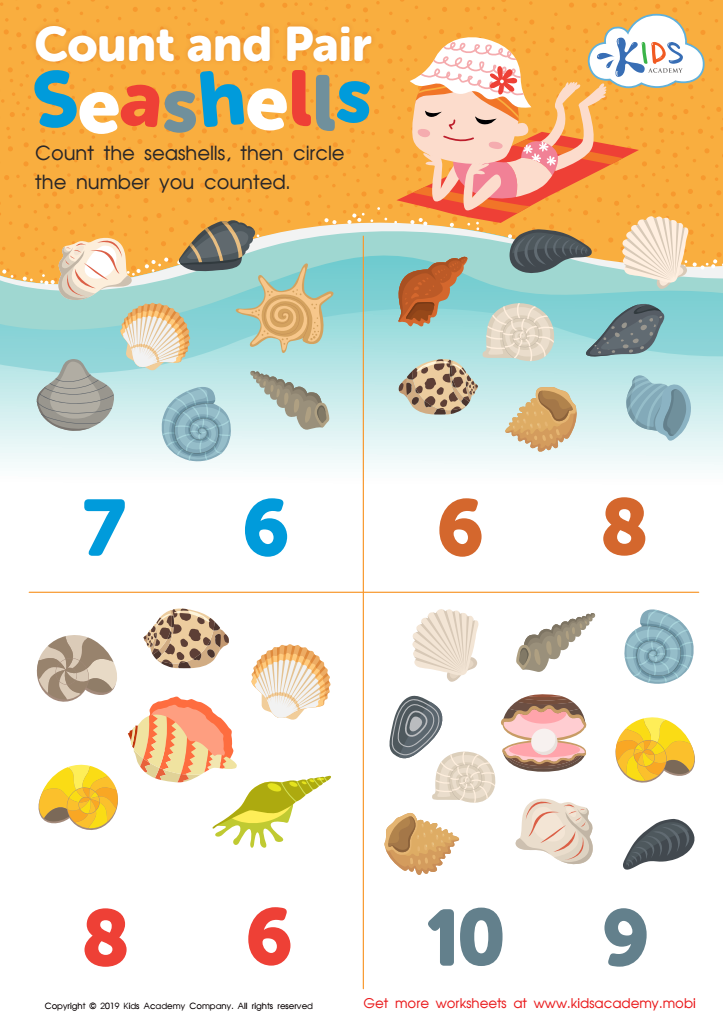
Count and Pair Seashells Worksheet
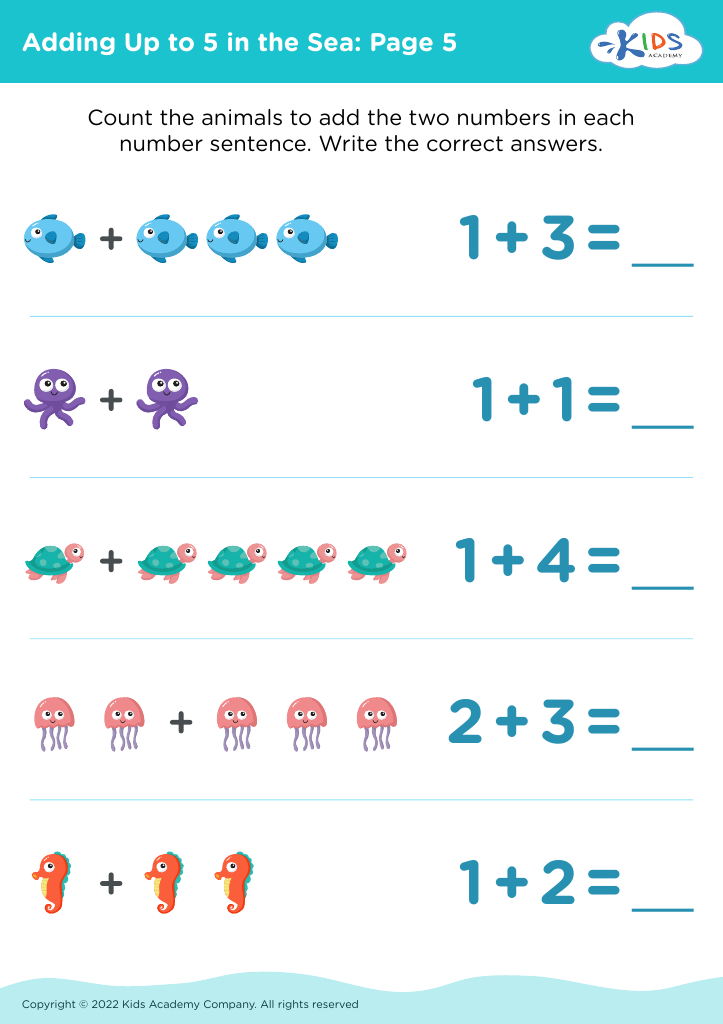
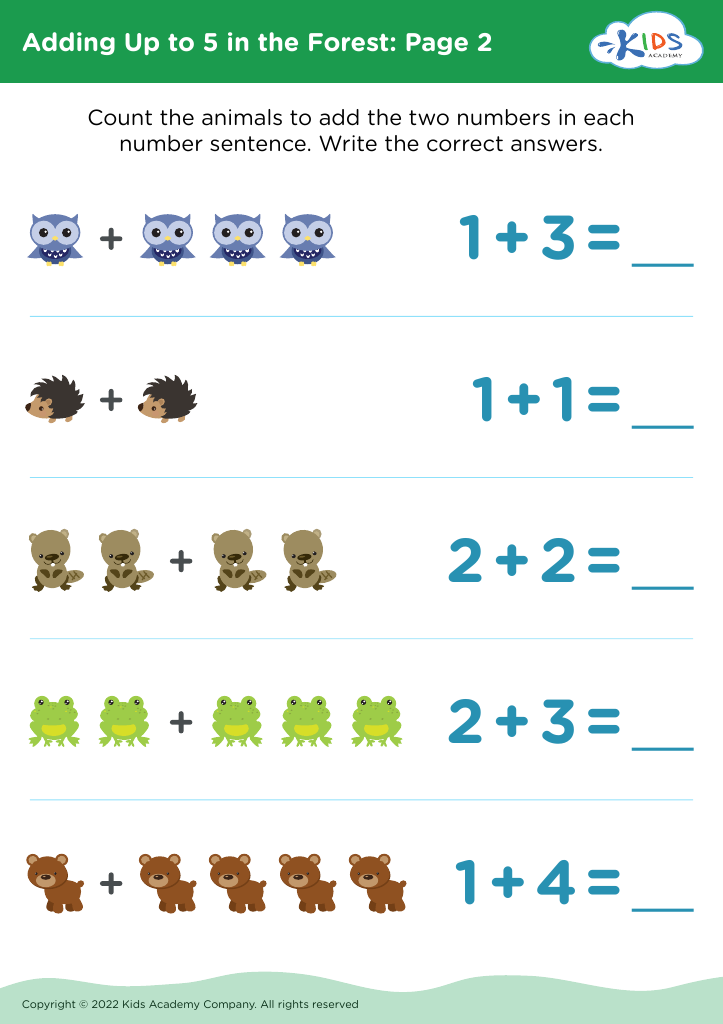
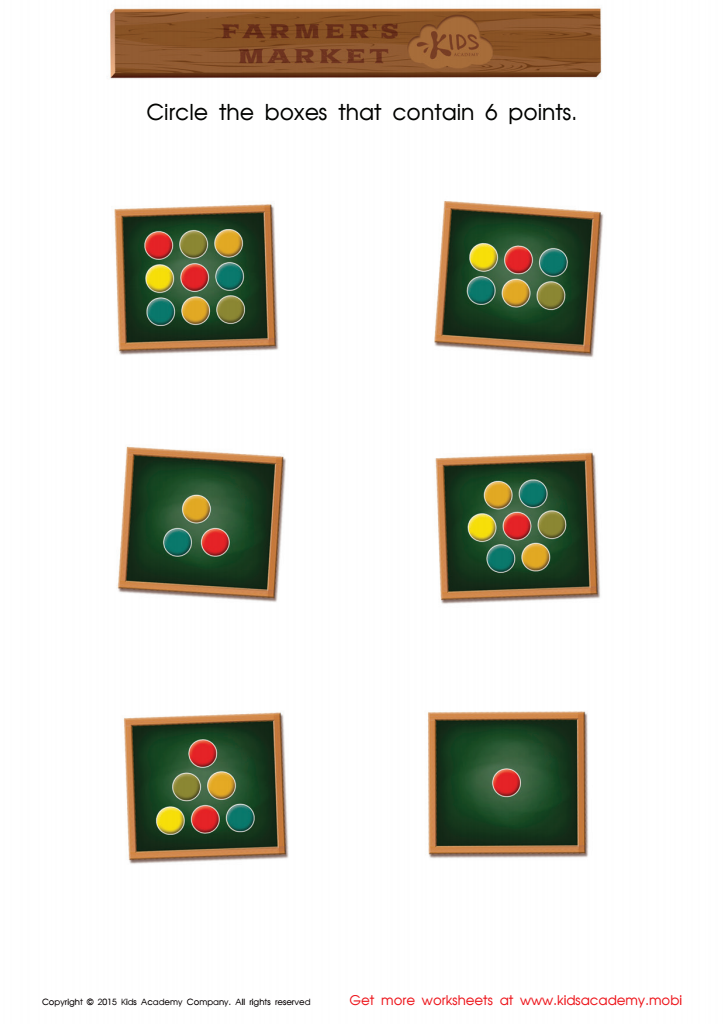
Count and Match Points 6 Math Worksheet
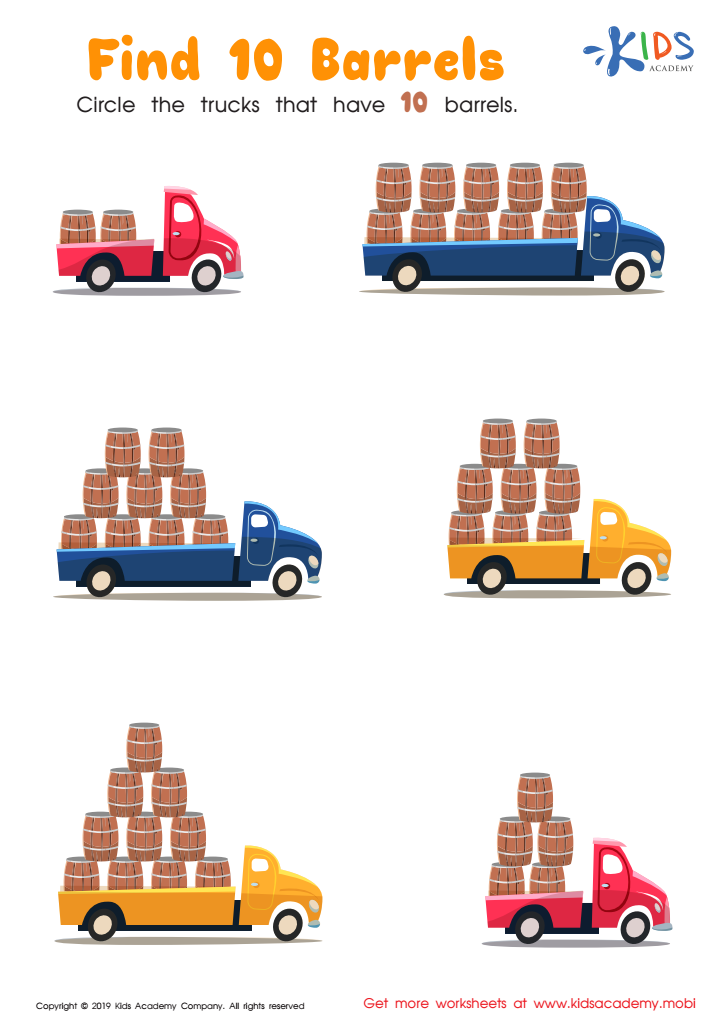
Find 10 Barrels Worksheet
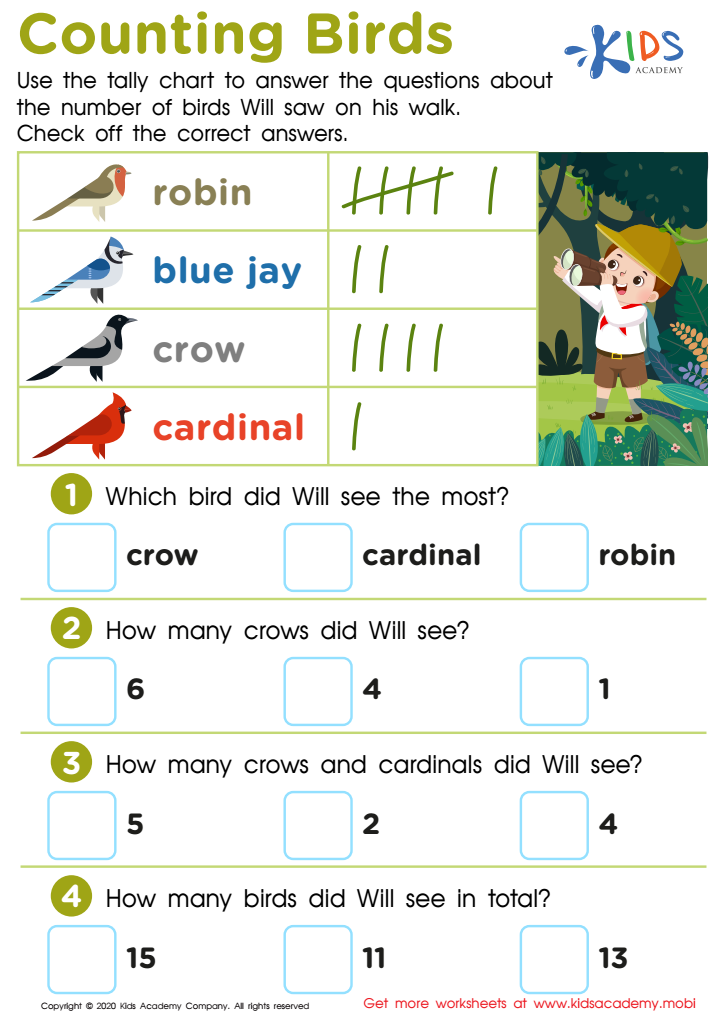
Counting Birds Worksheet
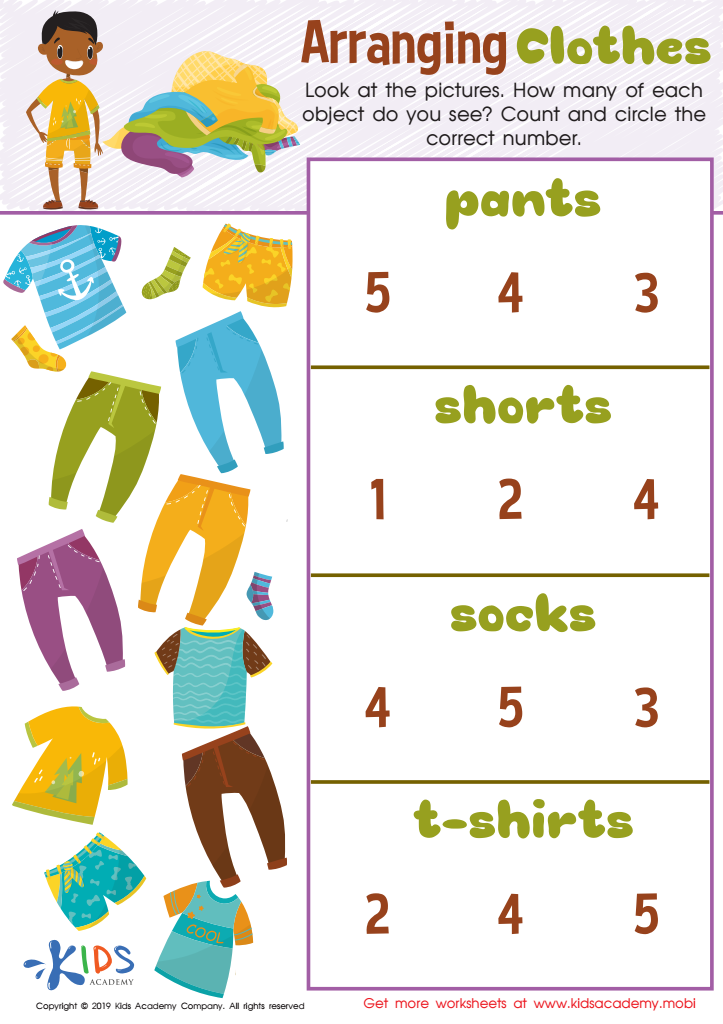
Arranging Clothes Worksheet







Visual perception math involves understanding mathematical concepts through visual means, such as patterns, spatial relationships, and visual representations of numbers and problems. Parents and teachers should prioritize this approach for multiple reasons:
-
Enhances Comprehension: Visual aids can make abstract math concepts more concrete, helping children grasp ideas they might find challenging through numbers and formulas alone.
-
Builds Foundational Skills: Early exposure to visual perception in math supports the development of critical thinking and problem-solving skills. Kids learn to recognize patterns, make predictions, and understand spatial relationships—all vital for advanced math and daily life.
-
Engages Different Learning Styles: Visual perception math caters to visual learners who might struggle with traditional, auditory-sequential methods. By integrating visuals, teachers and parents can reach a broader range of students.
-
Encourages Creativity: Visual methods often allow for more creativity and exploration. Students can manipulate objects, draw, and see the immediate effects of their problem-solving, making math more enjoyable and less intimidating.
-
Boosts Confidence: Successfully solving problems through visual means can build a child's confidence. As they see the direct outcomes of their thinking, they become more willing to tackle mathematical challenges.
Incorporating visual perception into math education is crucial for building a well-rounded understanding, catering to diverse learners, and fostering a love for mathematics.








