Logical thinking development Measurement Worksheets
3 filtered results
-
From - To
Introducing our "Logical Thinking Development Measurement Worksheets" designed to sharpen young minds! These engaging and educational worksheets are perfect for Kindergarten through Grade 3, helping children enhance their logical reasoning skills. Through fun and interactive exercises, kids will learn to understand and apply measurement concepts, fostering critical thinking and problem-solving abilities. Ideal for both classroom and home use, our worksheets include activities that bridge the gap between learning and play. Perfect for aspiring young scholars, our printables provide a solid foundation for academic success in math and beyond. Explore, discover, and excel with these measuring adventures today!
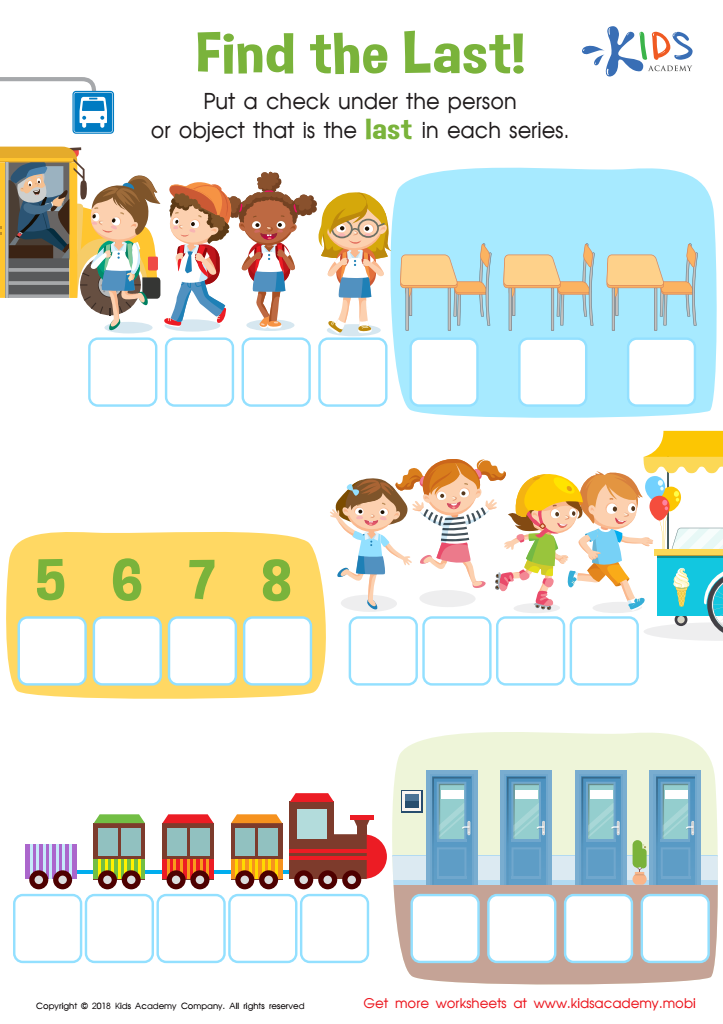
Find the Last! Worksheet
 Assign to My Students
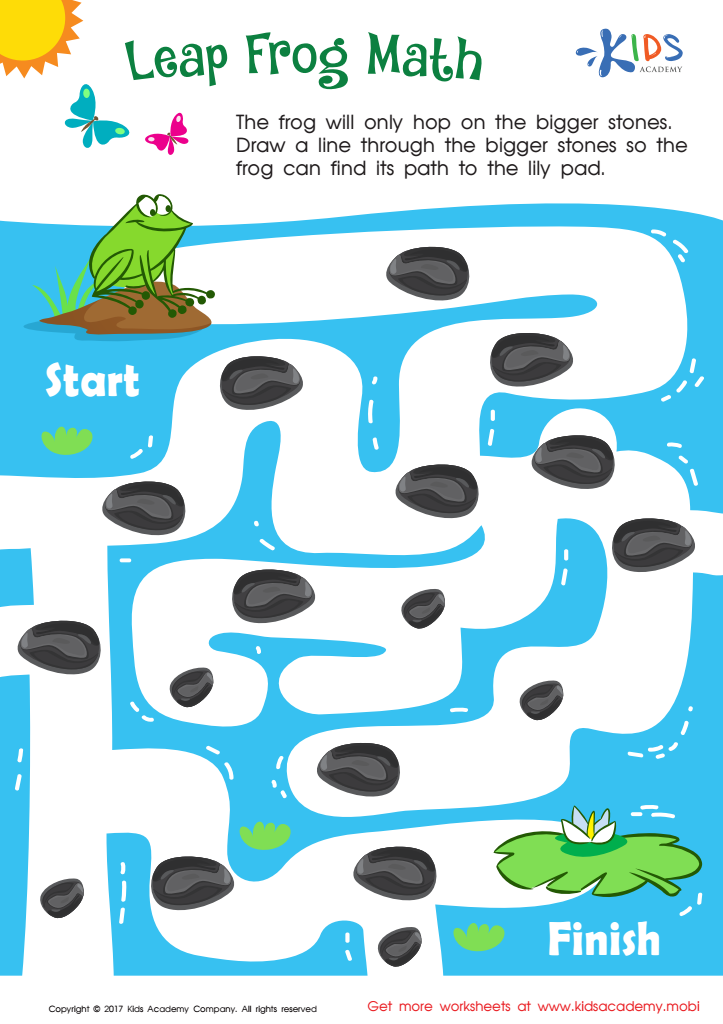
Math Puzzle Worksheet
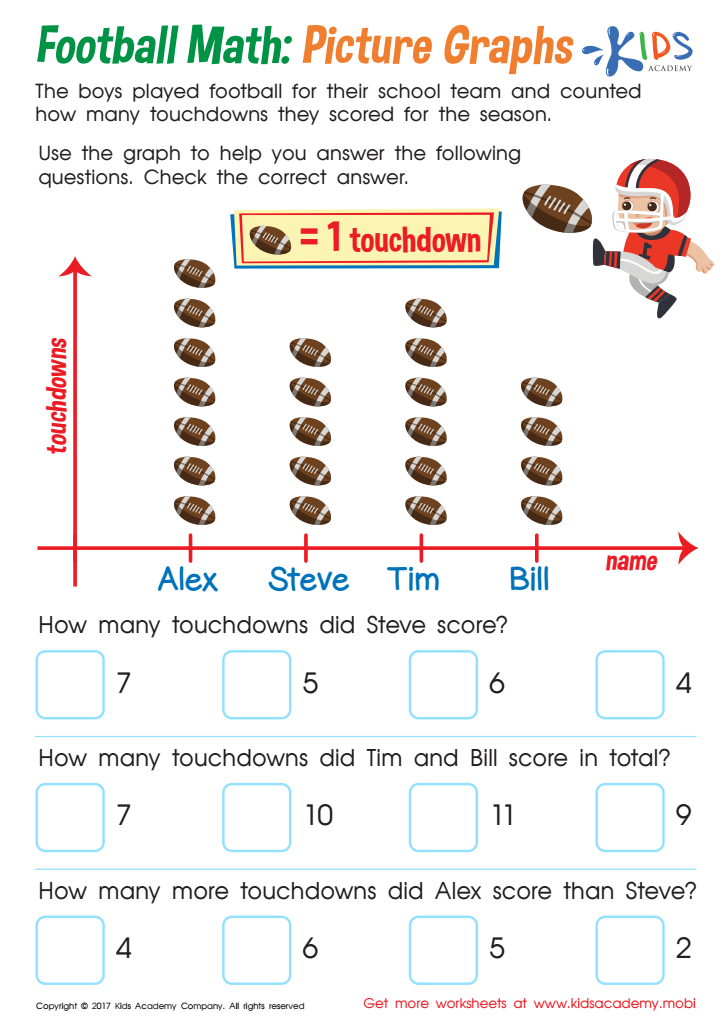
Football Math Worksheet








Logical thinking development measurement is critically important for both parents and teachers because it offers valuable insights into a child's cognitive growth. Logical thinking is essential for problem-solving, reasoning, and understanding relationships between ideas. Monitoring its development allows adults to identify strengths and areas needing improvement, ensuring that each child receives the emotional and educational support they need to thrive.
For parents, understanding their child's logical thinking abilities can aid in nurturing these skills at home through activities that promote critical thinking and problem-solving, such as puzzles, games, and exploratory questions. Early identification of challenges allows parents to seek additional resources or professional help if needed.
Teachers benefit immensely from measuring logical thinking development, as it informs instructional strategies and classroom activities. It helps in designing specific interventions aimed at boosting students' cognitive capabilities. Measurement-based insights guide teachers in tailoring lessons that challenge students appropriately, thereby enhancing engagement and academic achievement.
Moreover, logical thinking is not just an academic skill but a life skill. Strong logical reasoning fosters better decision-making and effective communication. Therefore, tracking and supporting its development can contribute significantly to a child's overall success and confidence both in and outside the classroom.








