Hand-eye Coordination Numbers 0–10 Worksheets
13 filtered results
-
From - To
Boost your child's hand-eye coordination while mastering numbers 0–10 with our engaging worksheets! Designed for early learners, these interactive activities blend fun and education, allowing children to practice counting and number recognition through hands-on exercises. Each worksheet encourages kids to enhance their fine motor skills as they trace, match, and explore numerical concepts in an entertaining way. Ideal for preschool and kindergarten settings, our hand-eye coordination worksheets support cognitive development while keeping young minds active and focused. Download and print these resources to ensure endless hours of educational fun that fosters both physical skills and a love for learning numbers!
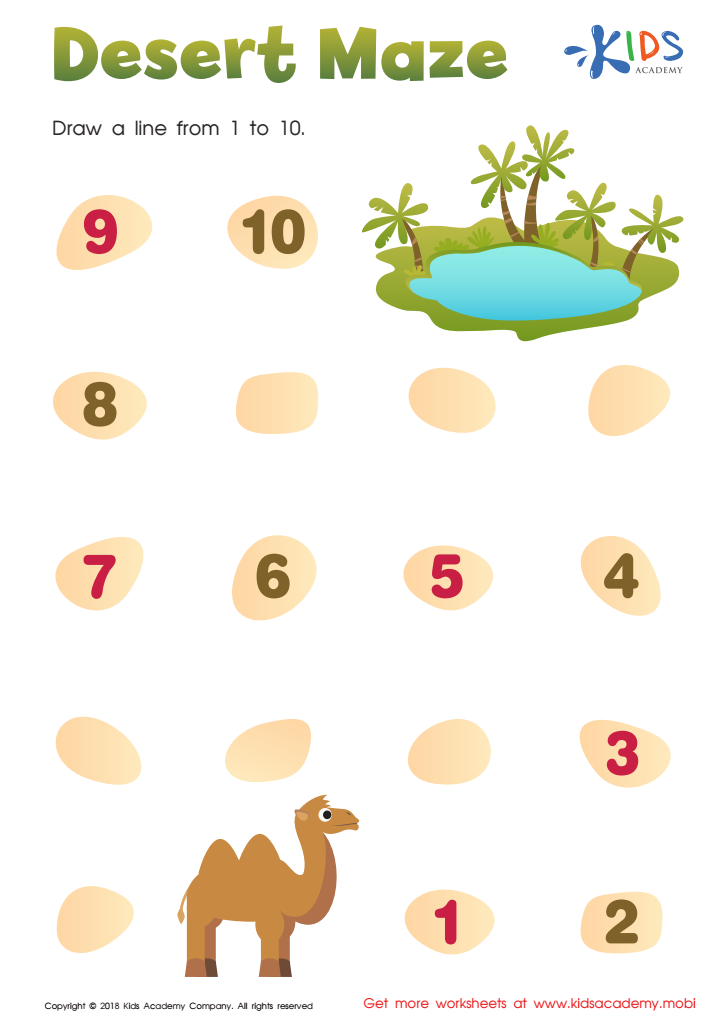
Desert Maze Worksheet
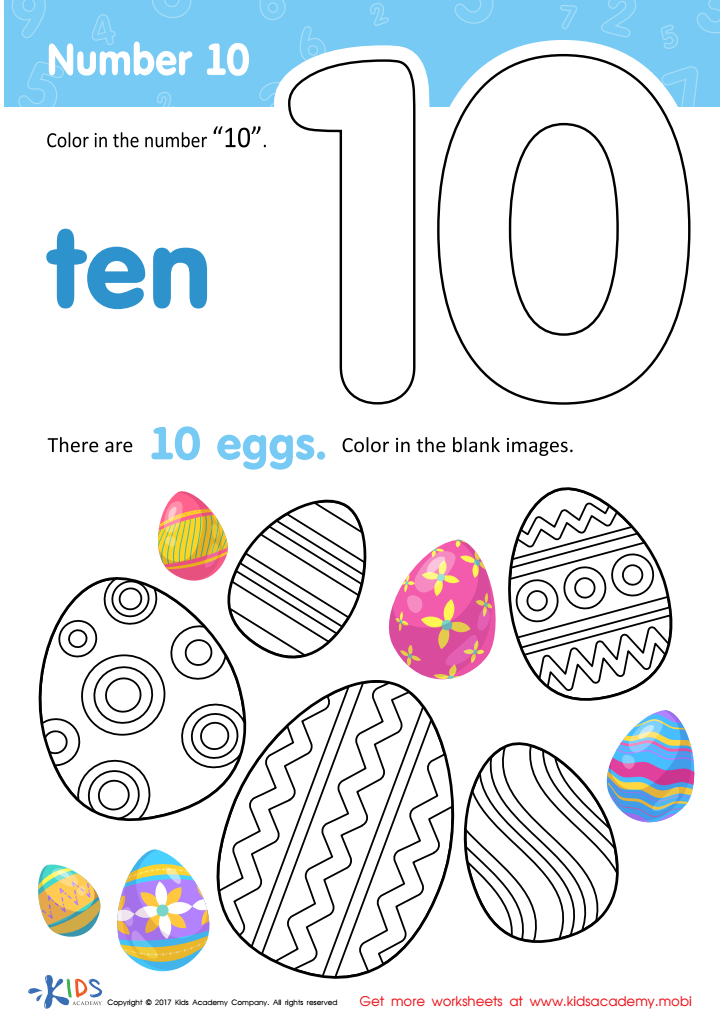
Number 10 Printable
 Assign to My Students
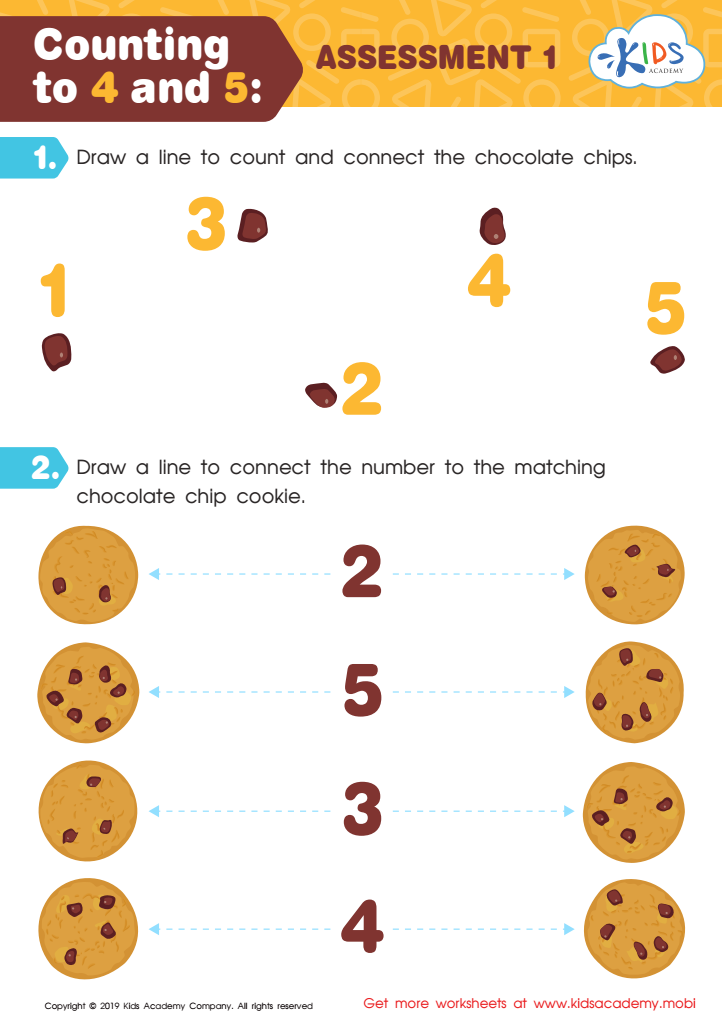
Counting to 4 and 5: Assessment 1 Worksheet
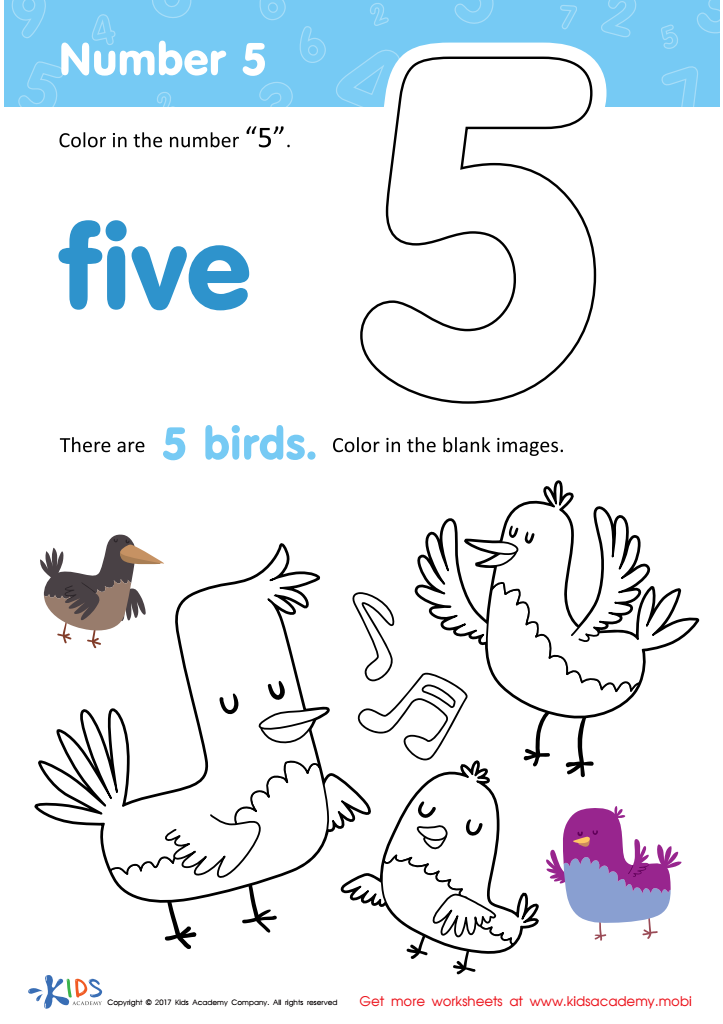
Number 5 Printable
Assign to My Students
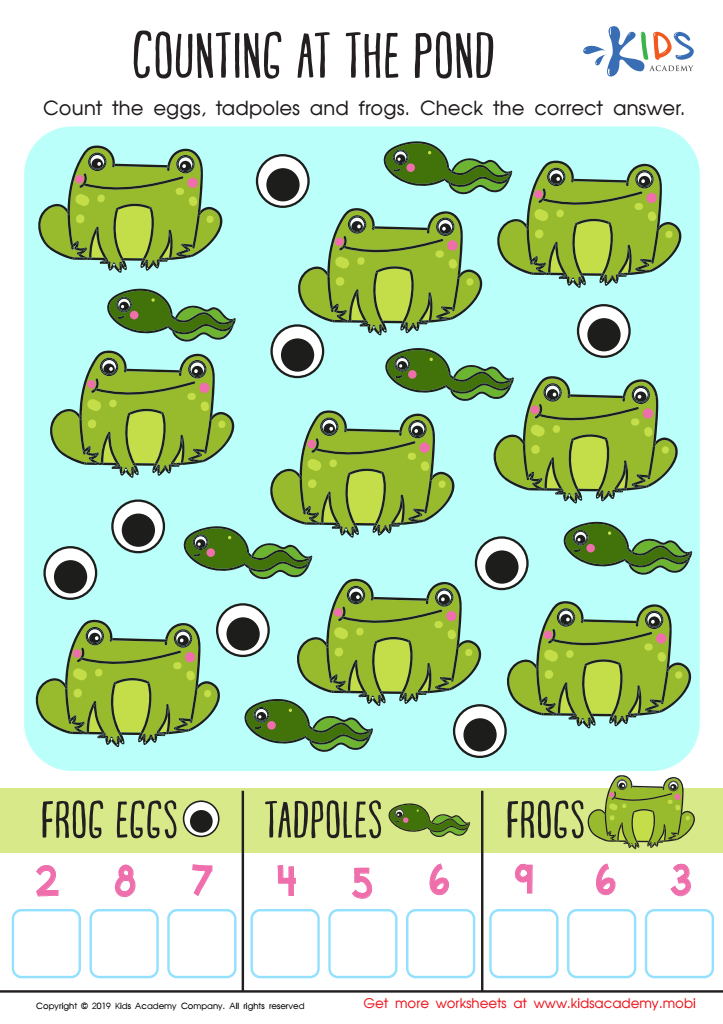
Counting at the Pond Worksheet
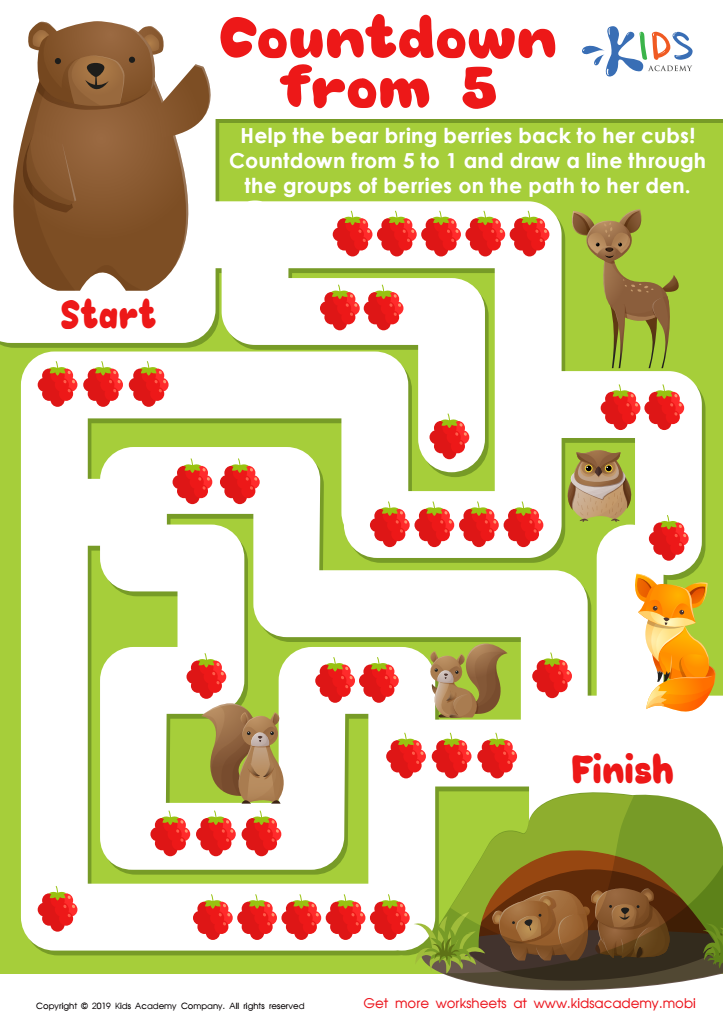
Countdown from 5 Worksheet
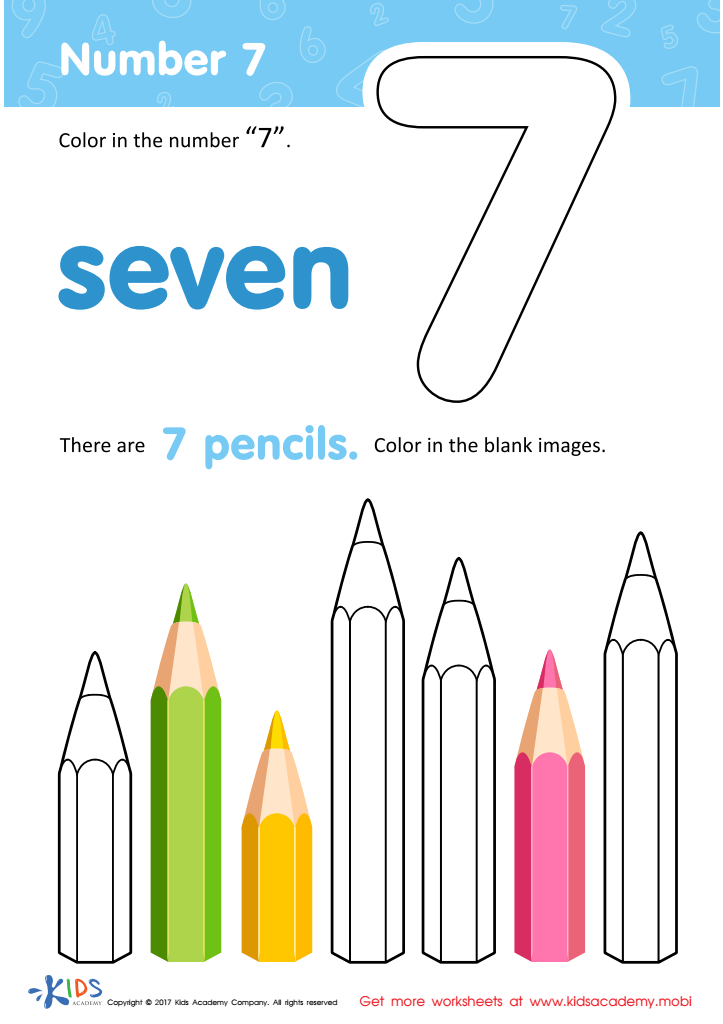
Number 7 Worksheet
Assign to My Students
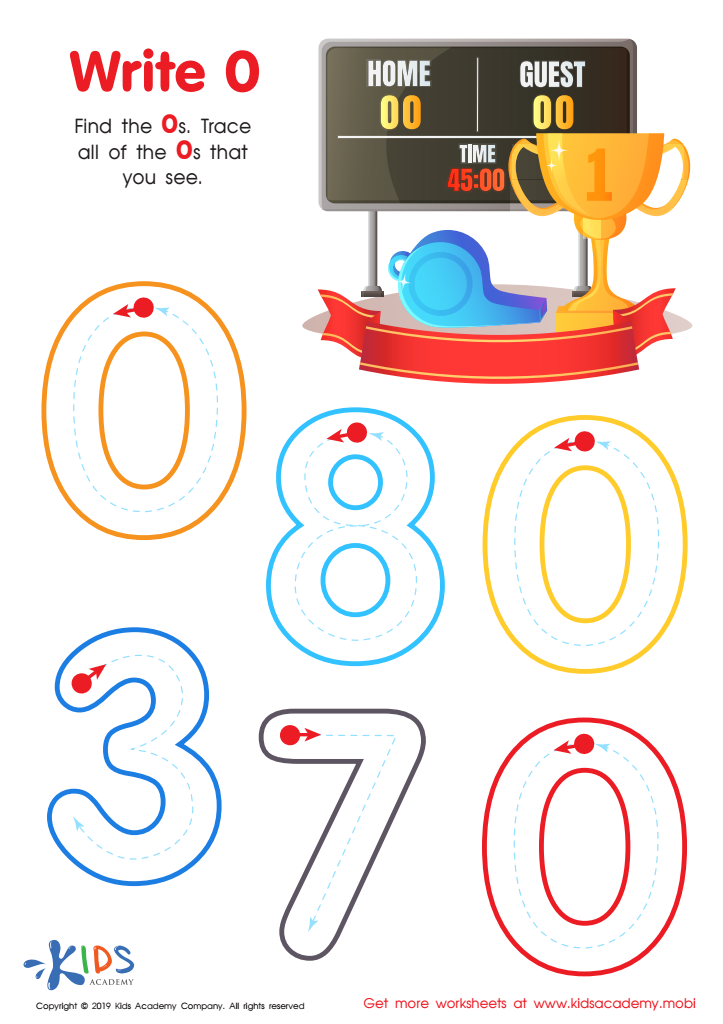
Write 0 Worksheet
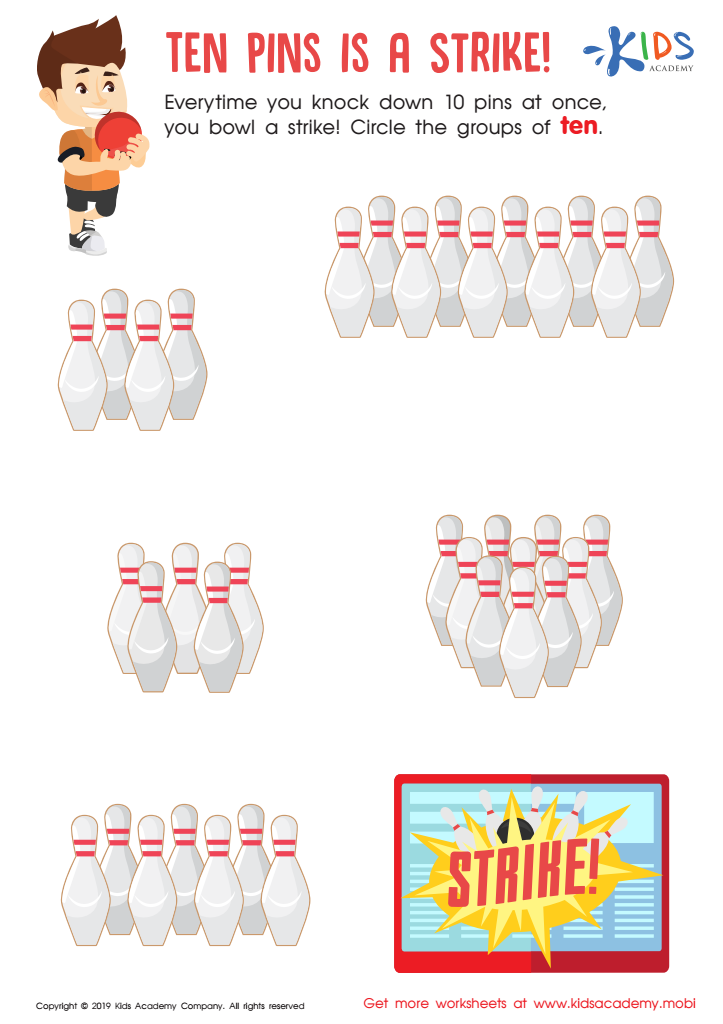
Ten Pins is a Strike Worksheet
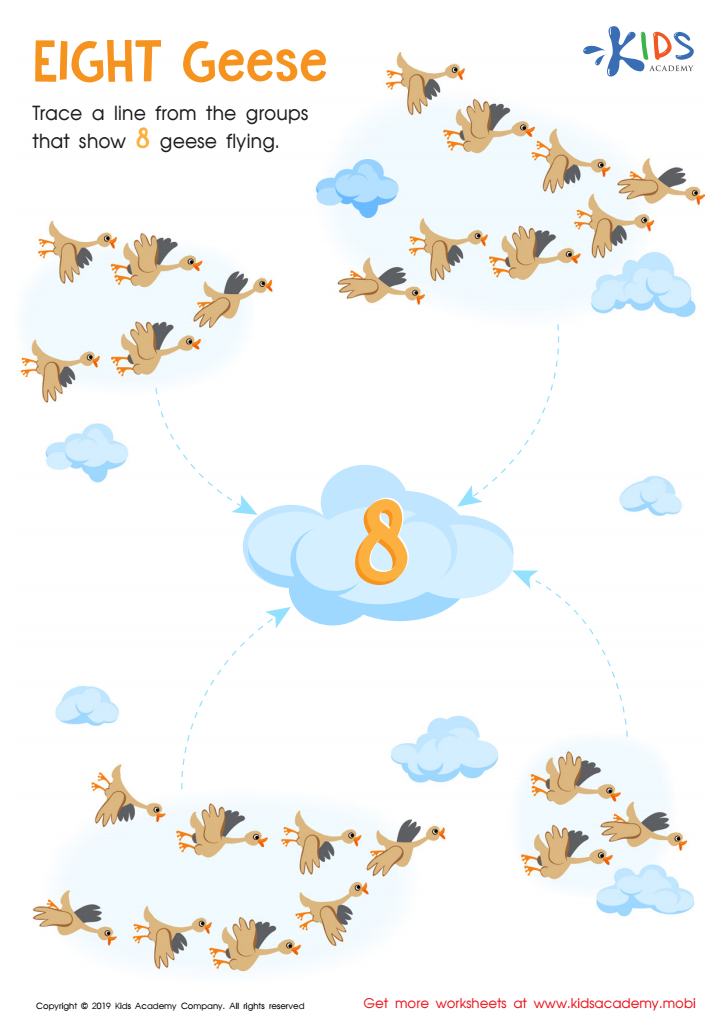
Eight Geese Worksheet
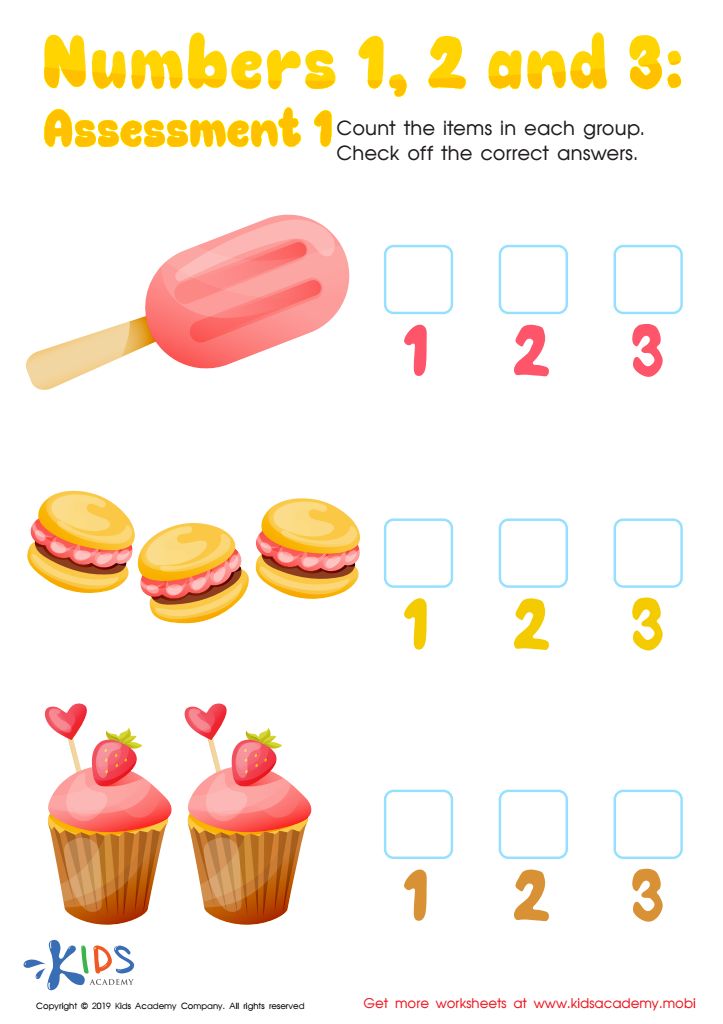
Numbers 1, 2 and 3: Assessment 1 Worksheet
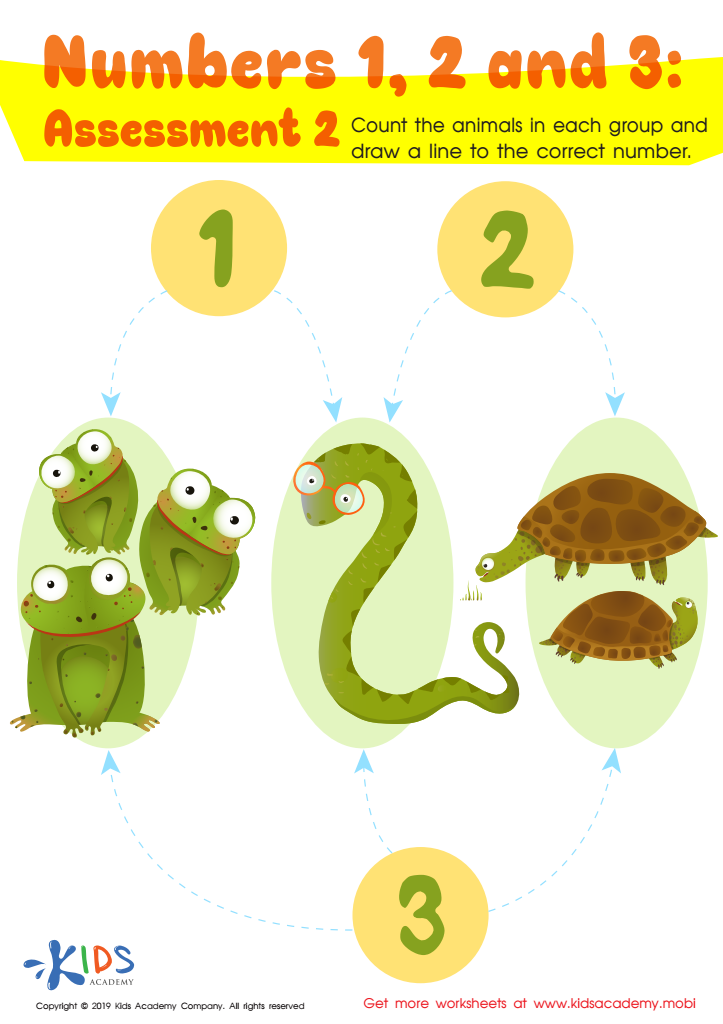
Numbers 1, 2 and 3: Assessment 2 Worksheet
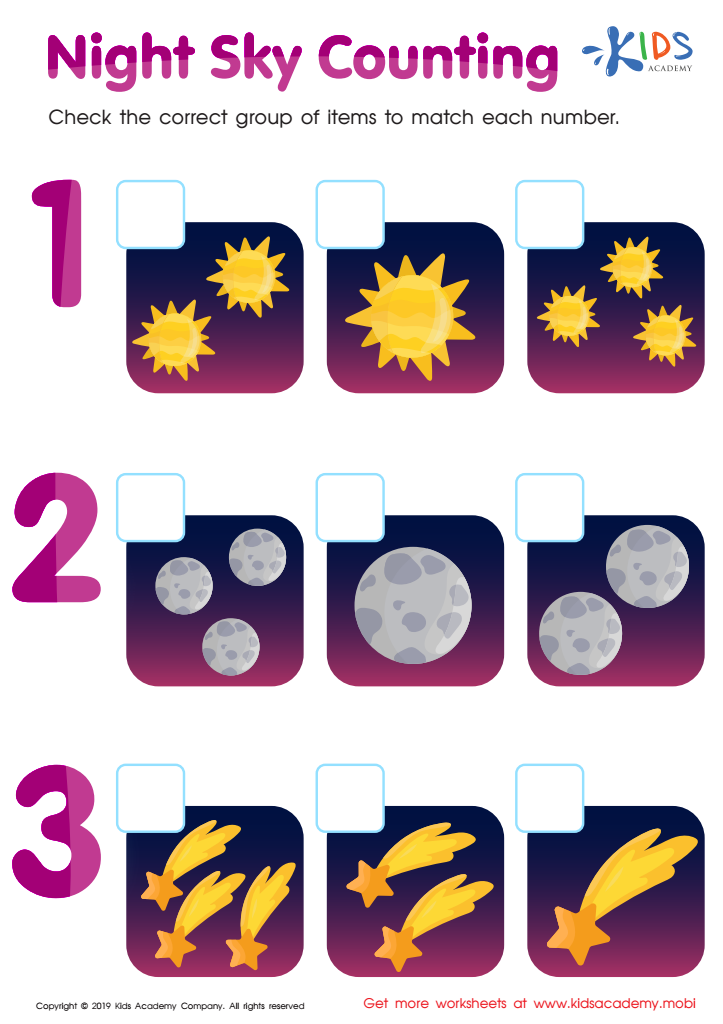
Night Sky Counting Worksheet








Hand-eye coordination is a crucial skill that significantly impacts a child's development, particularly when working with numbers from 0–10. This coordination involves the ability to synchronize visual input with motor actions, which is foundational for various activities, including writing, counting, and engaging in meaningful play. For teachers and parents, fostering strong hand-eye coordination in this early stage supports mathematical skills and ensures children can accurately grasp numerical concepts.
When children master hand-eye coordination with numbers 0–10, they become more proficient in tasks such as counting objects, writing numbers, and performing simple math operations. These fundamentals set the stage for more complex skills as they progress in their education. Activities that promote this coordination, such as sorting, tracing numbers, and playing educational games, not only enhance fine motor skills but also make learning engaging and interactive.
Moreover, research indicates that well-developed hand-eye coordination can boost a child's confidence and overall academic performance. For teachers, integrating hand-eye coordination exercises into lessons can create a more dynamic learning environment. Parents can support this at home through playful, hands-on activities that reinforce learning. Ultimately, focusing on this skill contributes to a child's holistic growth and readiness for future challenges in mathematics and beyond.