Visual discrimination Sorting Worksheets
3 filtered results
-
From - To
Enhance your child’s learning with our engaging Visual Discrimination Sorting Worksheets! These printable resources help young learners develop critical skills by distinguishing between similar objects, shapes, and patterns. Our worksheets feature colorful images and fun activities that make sorting enjoyable and effective. Ideal for preschool and kindergarten children, these exercises promote focus, attention to detail, and enhanced cognitive abilities. By practicing visual discrimination, kids will improve their ability to categorize, compare, and make logical connections. Perfect for classroom use or at-home learning, these worksheets are an excellent way to support early childhood education. Download yours today to spark creativity and learning!
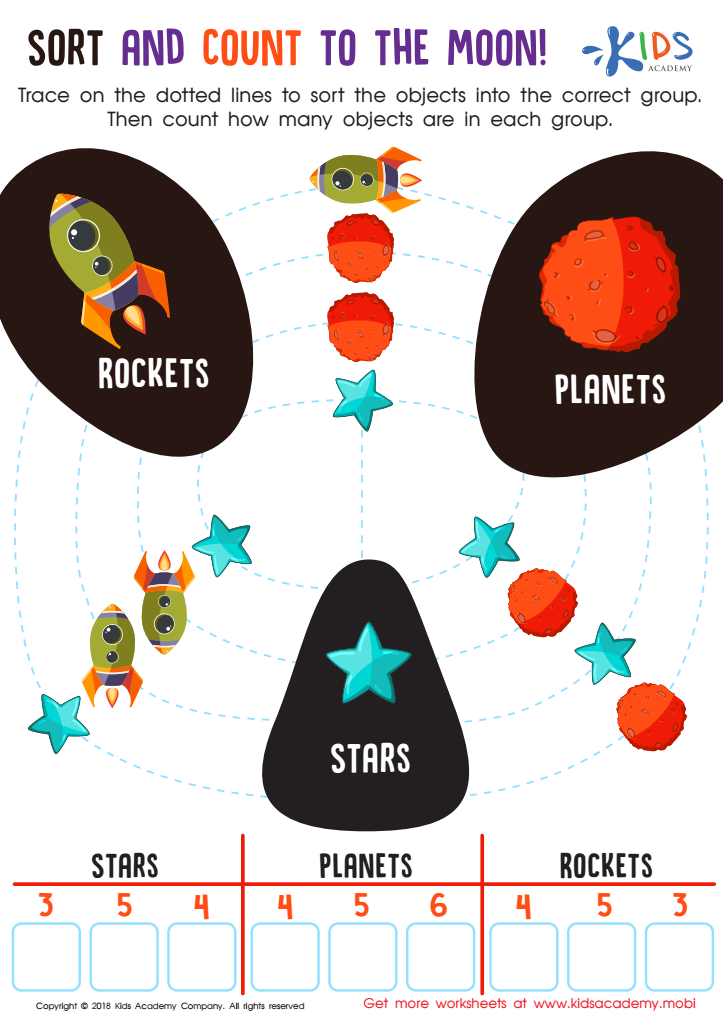
Sort and Count to the Moon Worksheet
 Assign to My Students
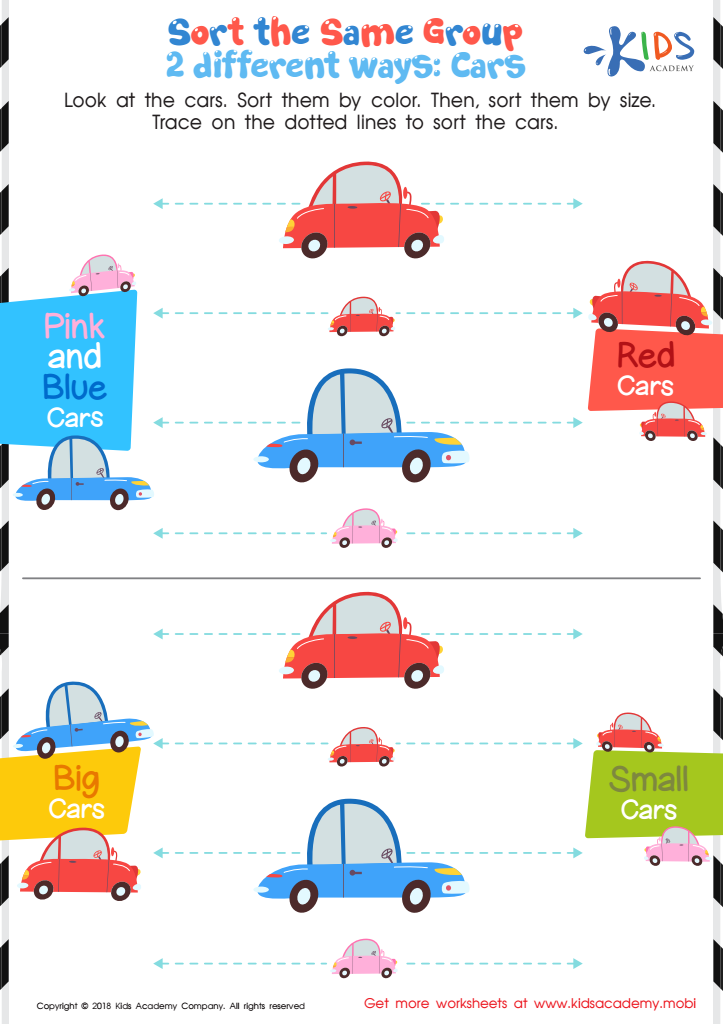
Sort the Same Group 2 Different Ways: Cars Worksheet
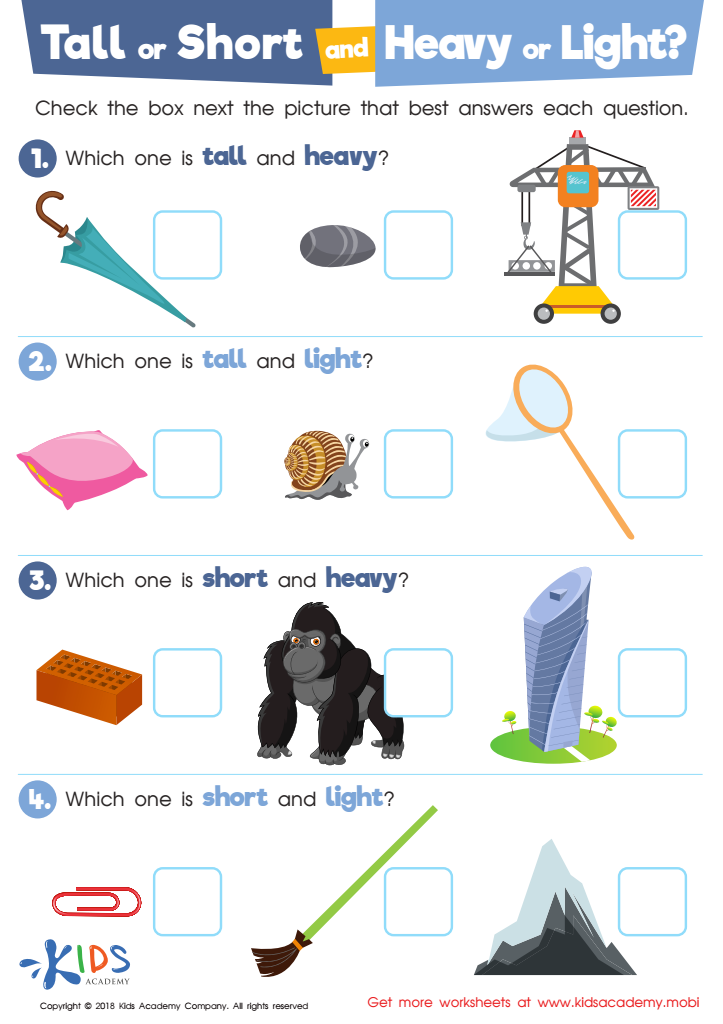
Tall or Short and Heavy or Light? Worksheet








Visual discrimination sorting is an essential skill that significantly impacts a child's cognitive and academic development. By engaging in activities that focus on visual discrimination, children learn to identify, compare, and categorize objects based on their characteristics, such as color, shape, size, and pattern. This foundational skill is instrumental in cultivating critical thinking and problem-solving abilities from a young age.
Parents and teachers should care about visual discrimination sorting because it enhances children’s ability to process visual information effectively. These skills are not only crucial in early learning environments, where sorting activities are common, but they also lay the groundwork for more complex learning tasks, including reading and mathematics. For example, understanding differences in letters and numbers is fundamentally related to visual discrimination.
Furthermore, engaging in sorting games promotes fine motor skills and hand-eye coordination while inviting creativity and expression. It also encourages children to develop social skills through collaborative play. When parents and teachers actively support these activities, they contribute to a child's overall development, ensuring they become well-rounded individuals equipped with essential skills for lifelong learning. In essence, nurturing visual discrimination sorting fosters curiosity, enhances focus, and builds a solid foundation for future educational success.








