Visual Learning Word Problems Worksheets
5 filtered results
-
From - To
Enhance your students' mathematical problem-solving skills with our "Visual Learning Word Problems Worksheets." Designed for early learners, these engaging worksheets utilize visual aids to help kids grasp complex concepts through relatable scenarios. By incorporating colorful images and organized layouts, students can visualize problems, making it easier to understand and solve. Perfect for reinforcing lesson plans or independent practice, these worksheets align with key learning standards. They foster critical thinking and strengthen comprehension in a fun, interactive way. Explore our resources to provide students with the tools they need to become confident mathematicians. Start inspiring curiosity today!
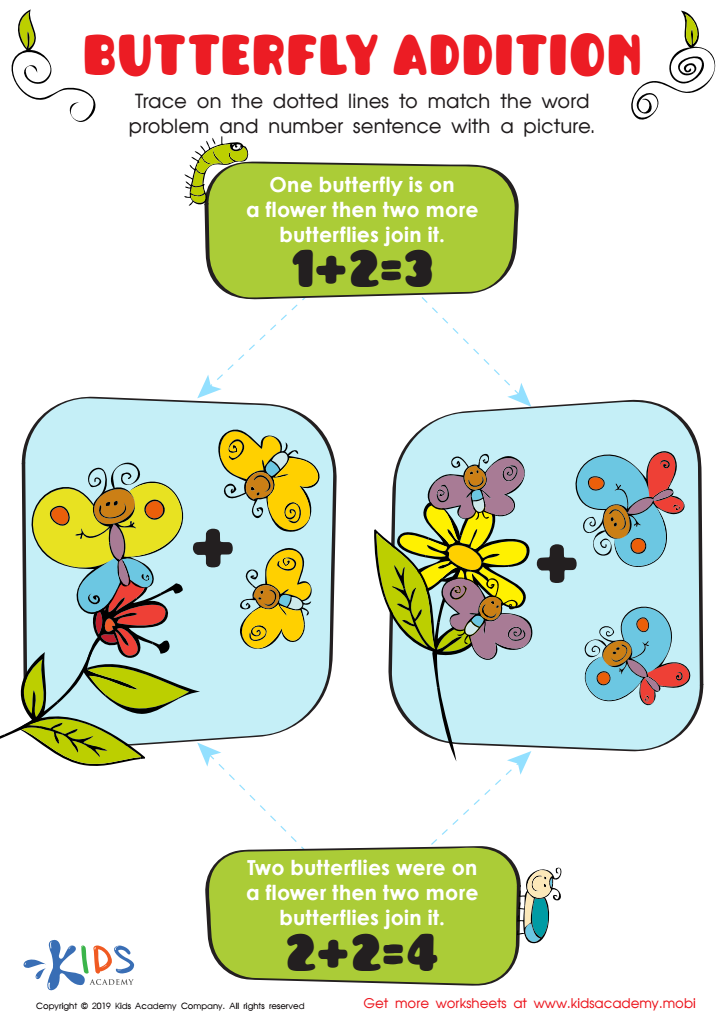
Butterfly Addition Worksheet
 Assign to My Students
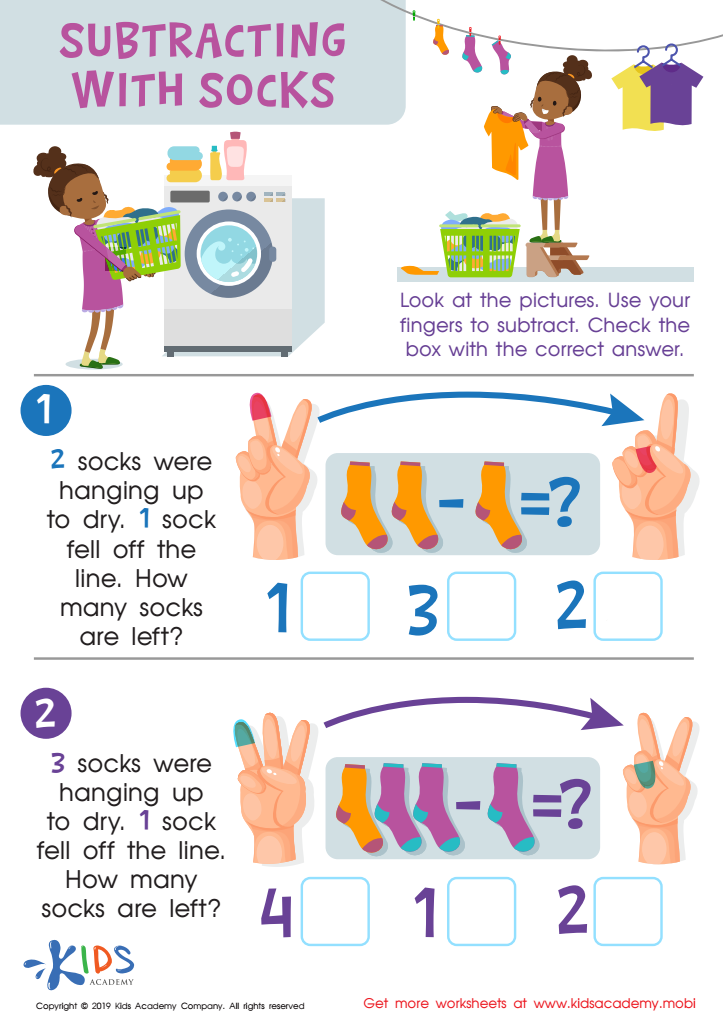
Subtracting Socks Worksheet
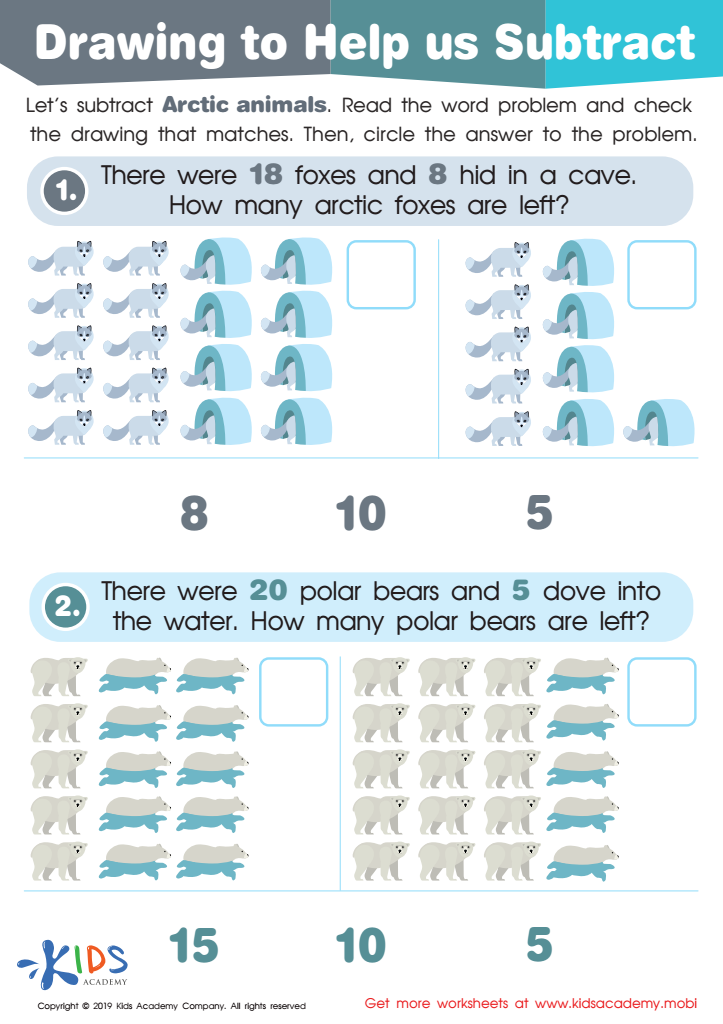
Drawing to Help Us Subtract Worksheet
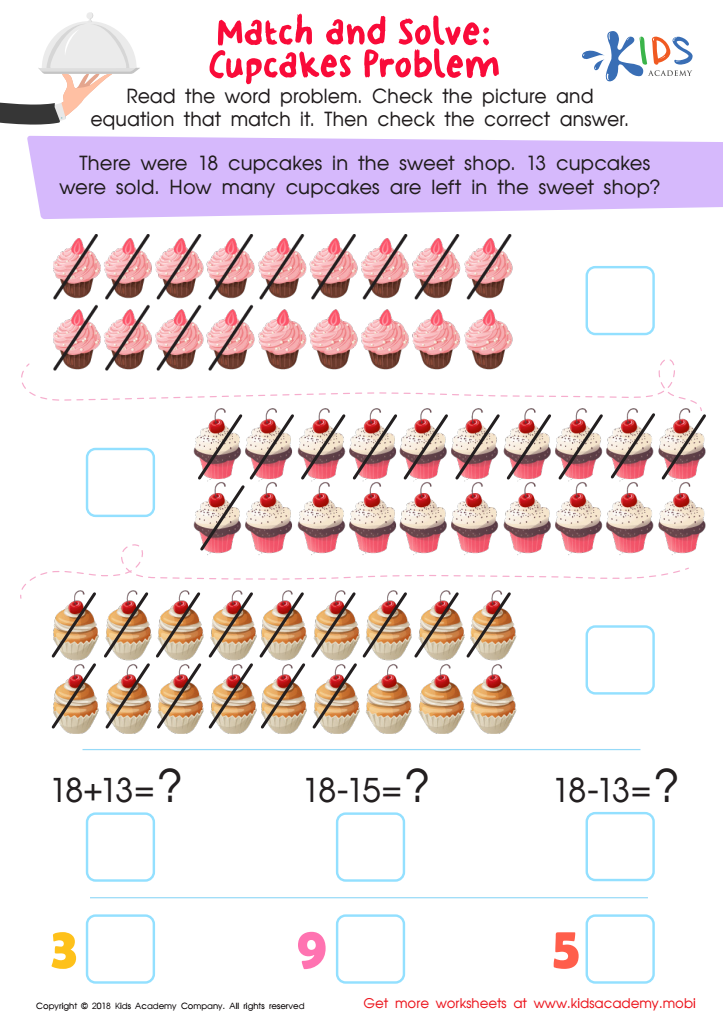
Match and Solve: Cupcakes Problem Worksheet
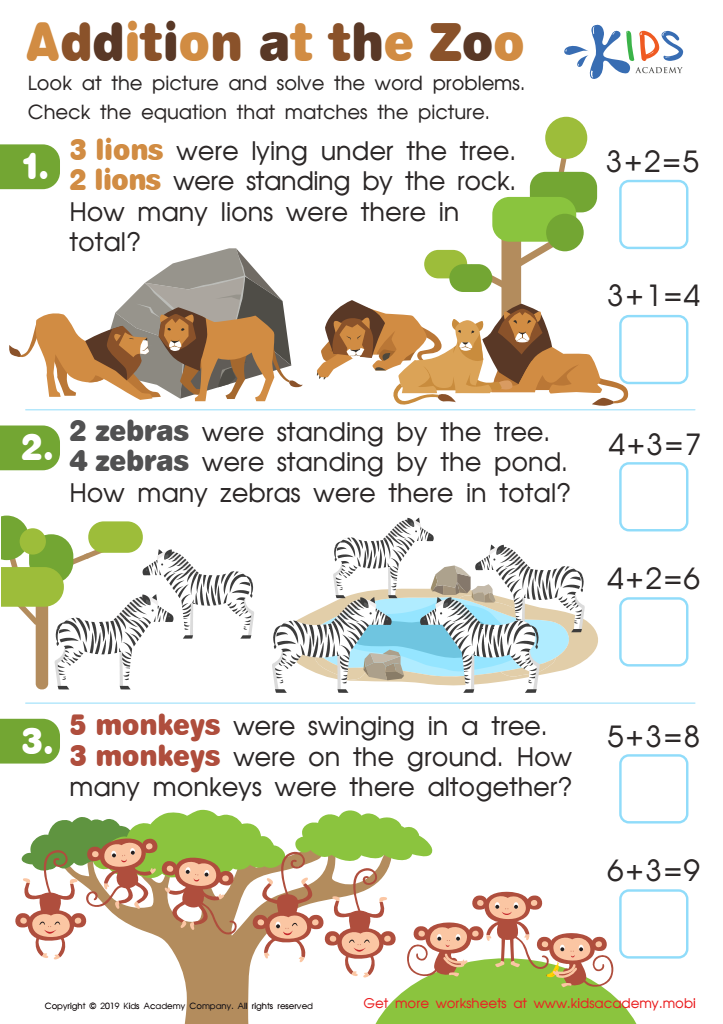
Addition at the Zoo Worksheet




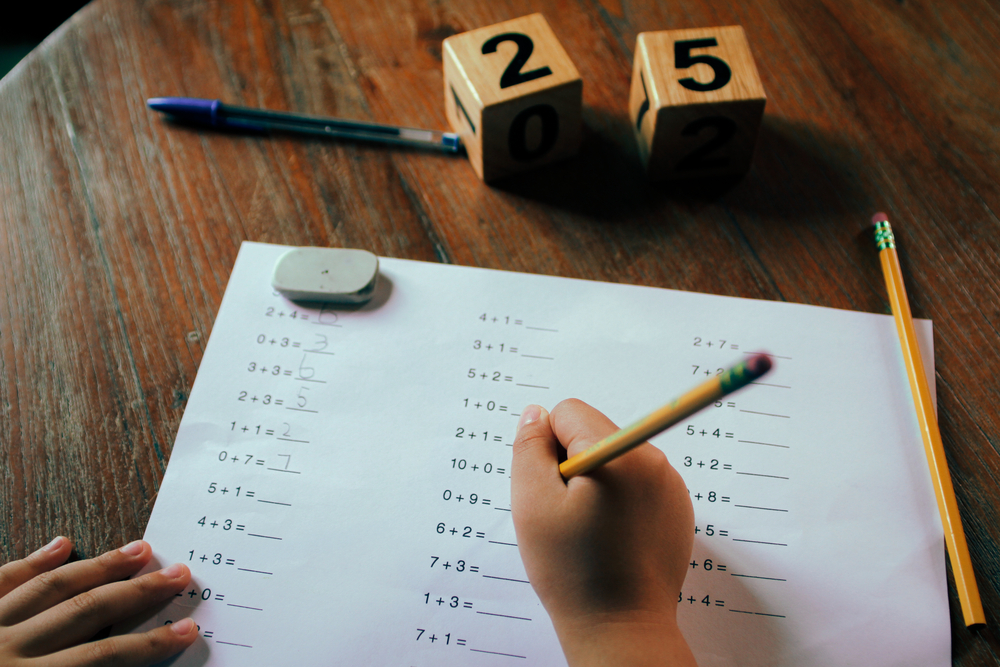



Visual learning word problems are essential tools in early education because they engage students on multiple cognitive levels, making math concepts more accessible and relatable. For parents and teachers, utilizing visual elements in word problems can significantly enhance a child's comprehension and problem-solving skills.
Visuals—such as diagrams, charts, or pictograms—help to break down complex ideas into manageable parts. This not only simplifies the learning process but also caters to various learning styles. Children who may struggle with traditional text-based problems often find visual representations less intimidating, which boosts their confidence and encourages participation.
Moreover, visual learning fosters critical thinking by encouraging students to analyze and interpret information. Questioning visual data helps develop analytical skills necessary for future academic success. As students learn to visualize problems, they become more adept at translating their thoughts into action, preparing them for real-world situations where they must apply math concepts.
Finally, involving parents in visual problem-solving activities strengthens home learning environments. Parents can work with their children to create visuals or discuss problem scenarios, reinforcing the connection between school and home. Thus, both parents and teachers should prioritize visual learning word problems to promote holistic development in young learners.








