Cognitive Development Normal Alphabet Worksheets for Ages 3-4
4 filtered results
-
From - To
Discover our Cognitive Development Normal Alphabet Worksheets for ages 3-4, designed to boost early learning and cognitive skills. These fun, engaging activities focus on letter recognition, phonics, and basic writing, essential for early literacy. Our expertly crafted worksheets encourage critical thinking and problem-solving while offering interactive tasks to keep young minds curious and motivated. Ideal for parents and educators, these resources provide a solid foundation for your child’s cognitive development and educational journey. Ignite a love for learning with our vibrant and child-friendly designs that capture attention and make learning the alphabet an enjoyable adventure!
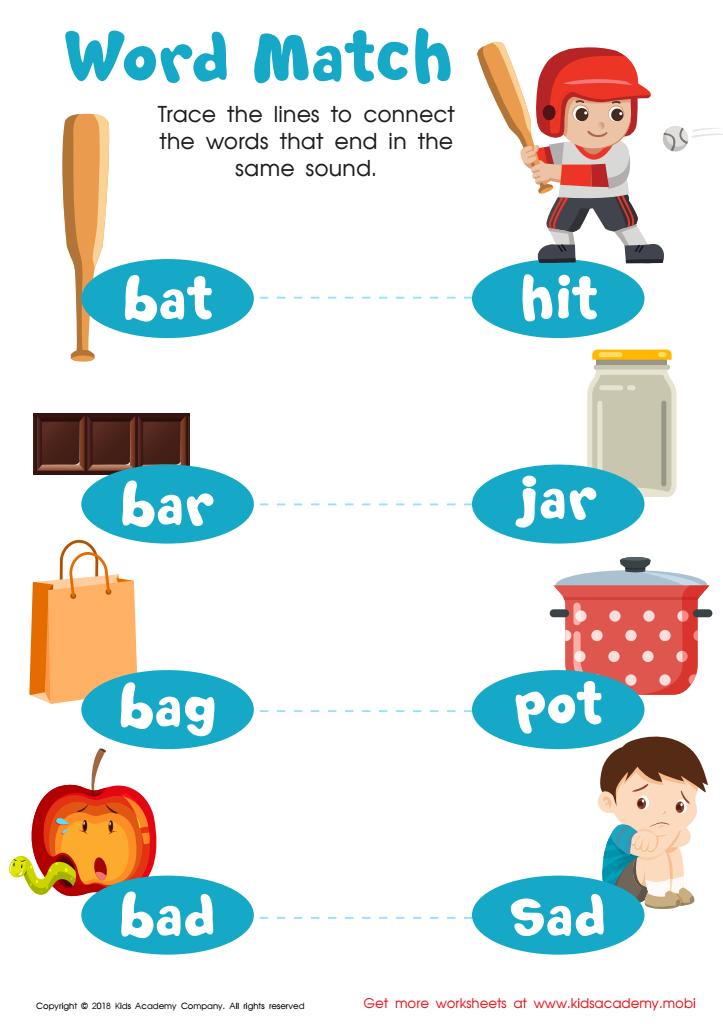
Word Match Reading Worksheet
 Assign to My Students
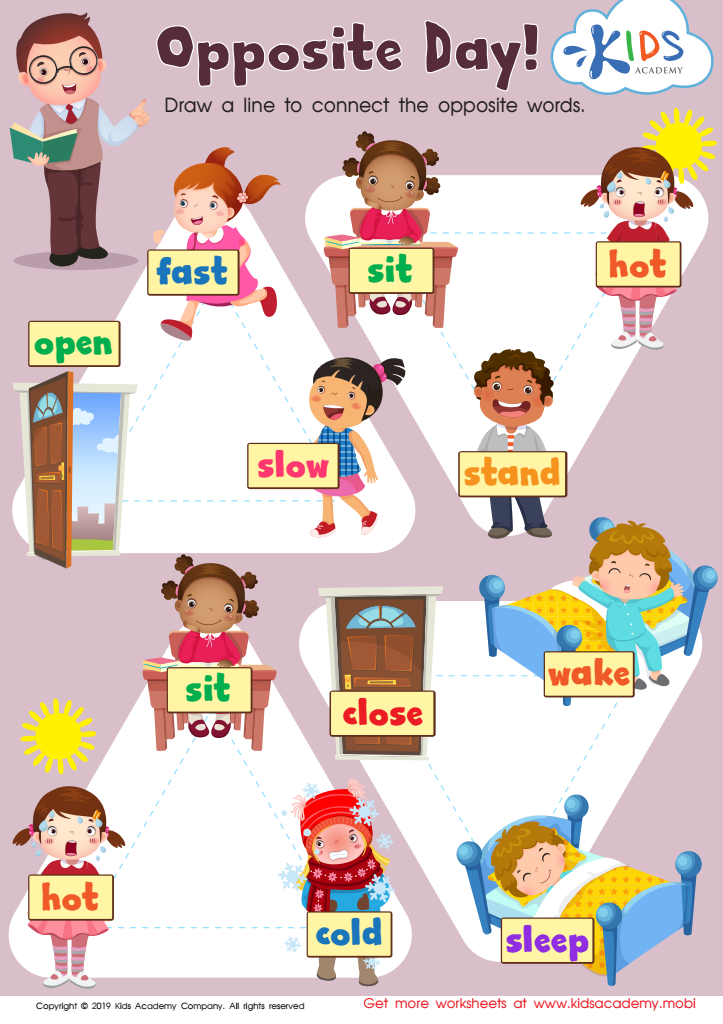
Opposite Day Worksheet
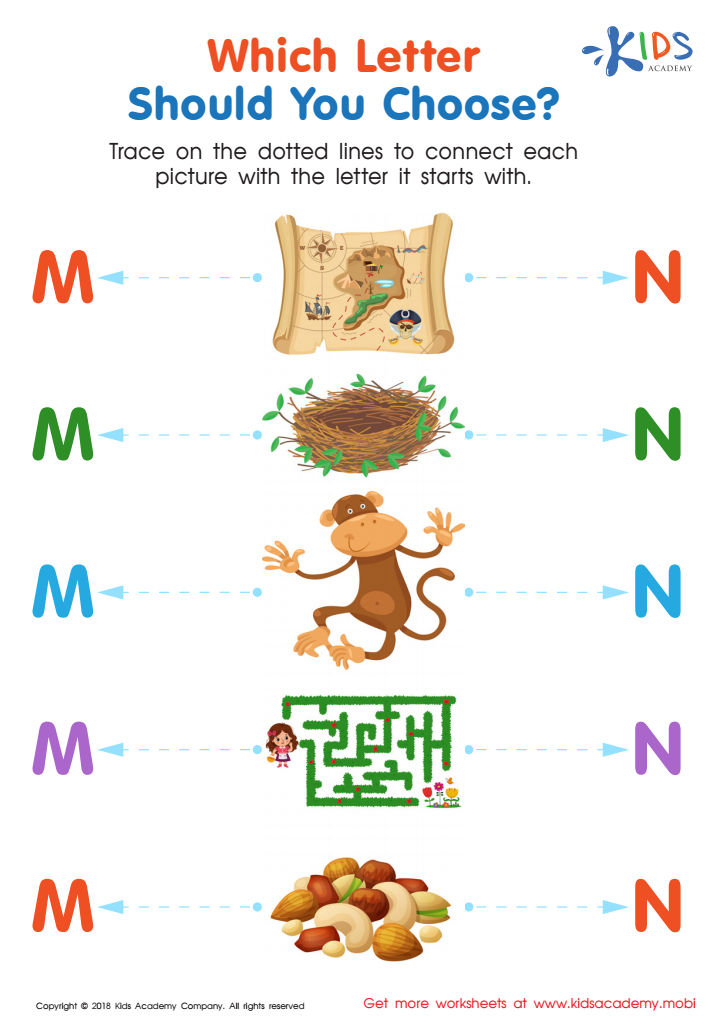
Which Letter Should you Choose? Worksheet
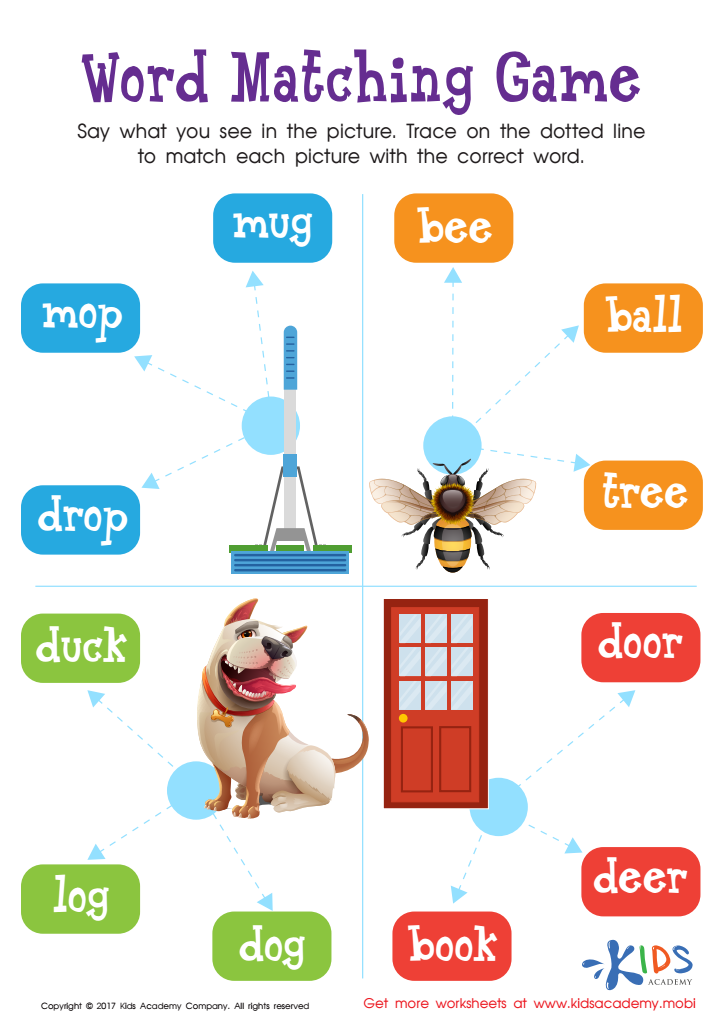
Word Matching Game Worksheet







Caring about Cognitive Development Normal Alphabet for children ages 3-4 is crucial for setting a solid foundation in their educational journey. During these formative years, children's brains are highly malleable, making it an opportune time to introduce foundational concepts such as the alphabet. Letter recognition significantly boosts early literacy skills, aiding children in grasping the relationship between letters and sounds, which is essential for reading and writing.
When parents and teachers pay attention to alphabet familiarity, they accelerate vocabulary development and improve comprehension skills. Recognizing and understanding letters encourages phonological awareness, the ability to hear and manipulate the sounds in words. This awareness is critical for effective communication skills later in life.
Furthermore, fostering cognitive development through alphabet learning enhances concentration, memory, and problem-solving skills. Interactive, engaging activities, such as singing alphabet songs, playing matching games, and reading colorful, illustrated books, are known to keep children interested and motivated.
By prioritizing cognitive development related to the alphabet at ages 3-4, parents and teachers set children on a path to lifelong learning. This early investment in their cognitive and educational growth equips them with the necessary skills to excel academically, laying the groundwork for a confident, competent, and curious learner.







