Reading skills improvement Normal Alphabet Worksheets for Ages 3-4
6 filtered results
-
From - To
Discover engaging "Reading Skills Improvement Normal Alphabet Worksheets for Ages 3-4" on Kids Academy! Perfectly designed for preschoolers, these worksheets feature fun and interactive activities that promote letter recognition, phonemic awareness, and early reading skills. Each worksheet helps little ones connect letters with sounds through delightful pictures and easy exercises. Ideal for both classroom settings and homeschool environments, our resources support early literacy in a playful manner. Help your child build a strong reading foundation and boost their confidence with our expertly crafted worksheets. Explore our collection today for meaningful and enjoyable learning experiences!
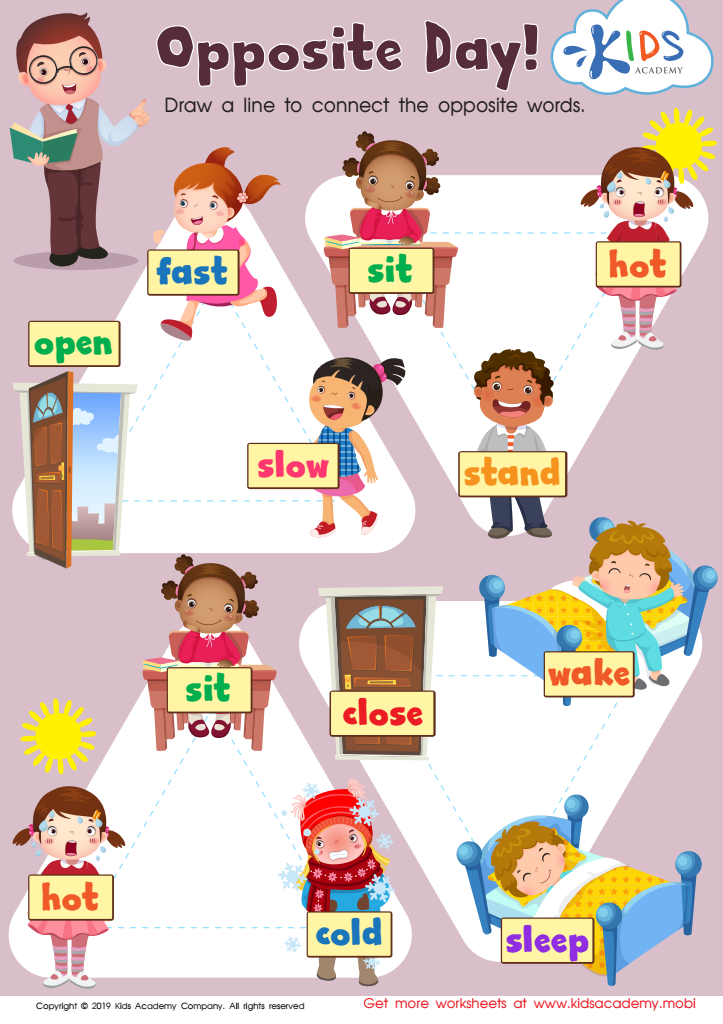
Opposite Day Worksheet
 Assign to My Students
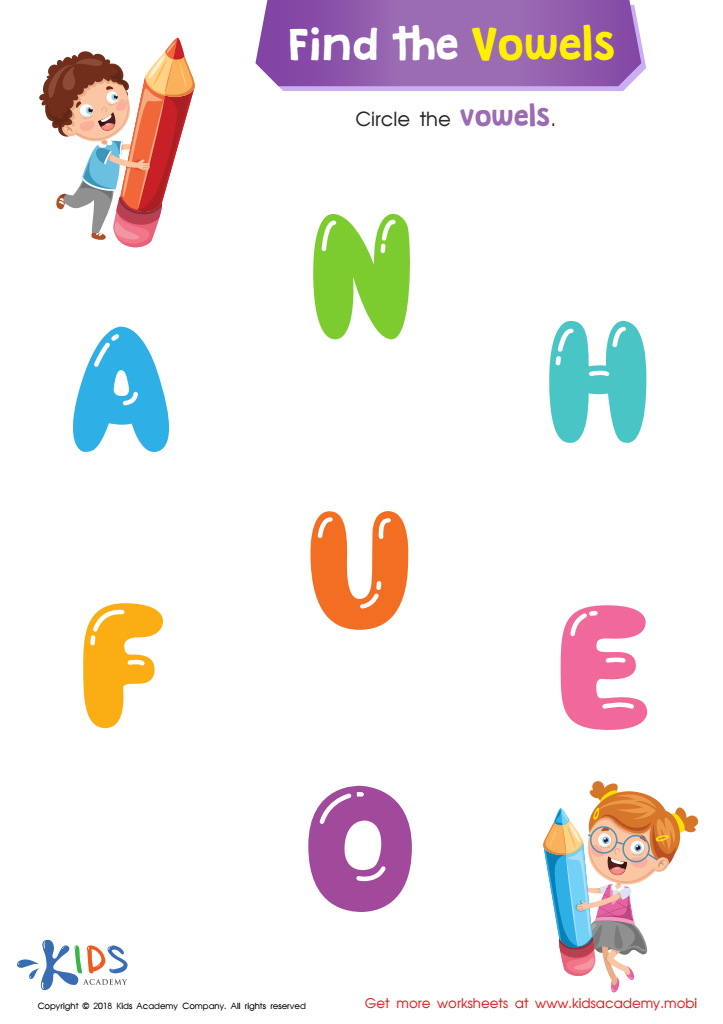
Find the Vowels Reading Worksheet
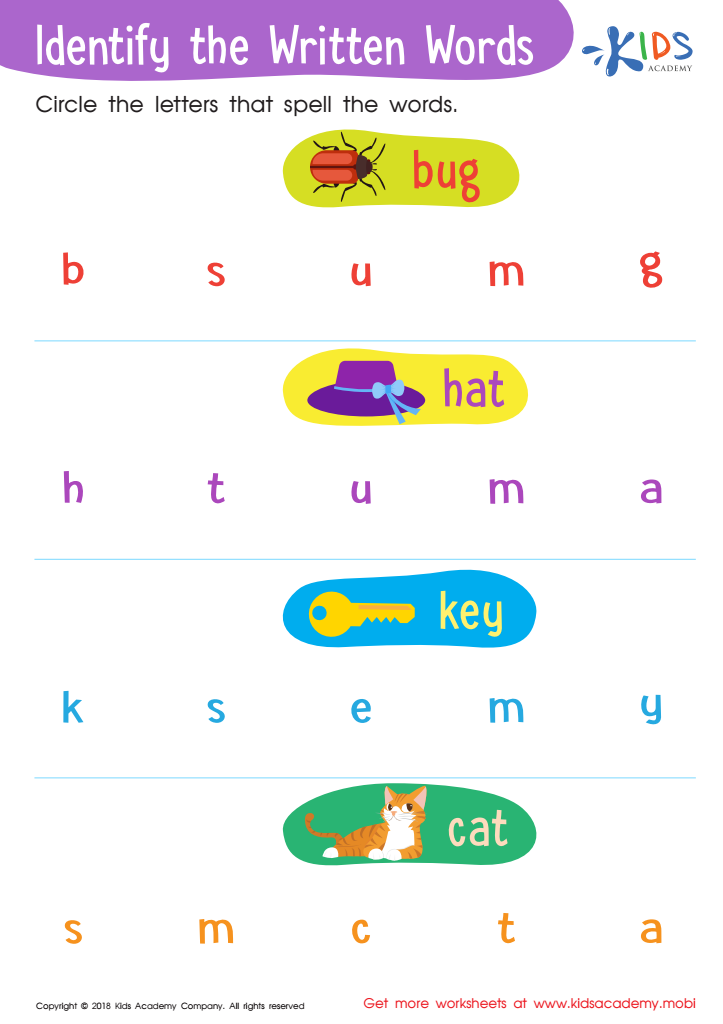
Identify the Written Words Worksheet
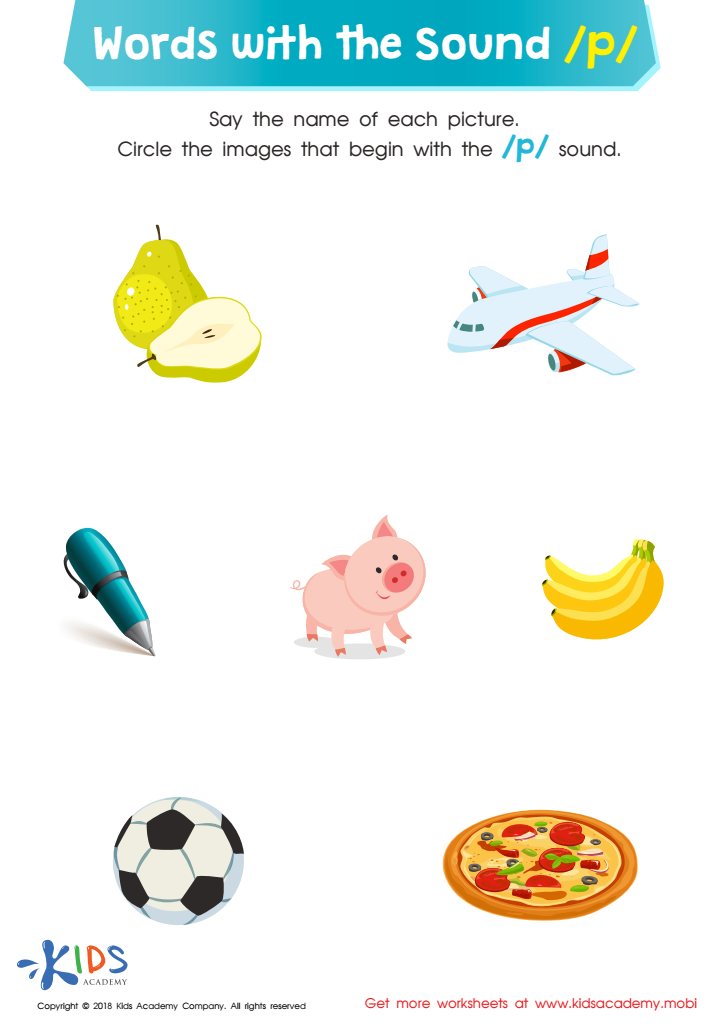
Words with sound p Reading Worksheet
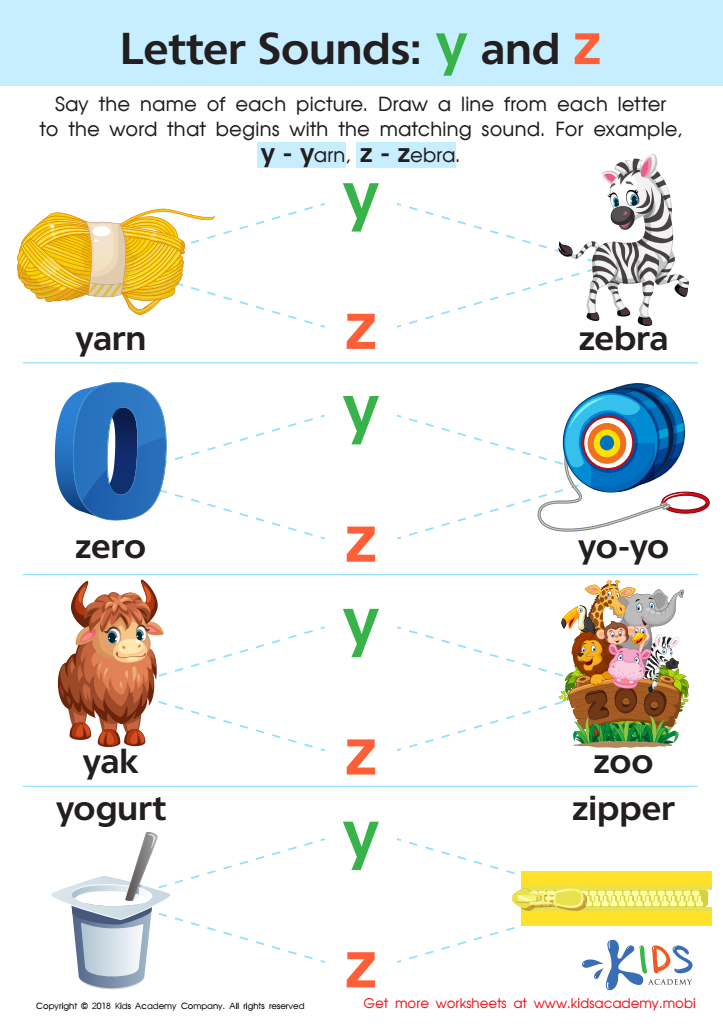
Letter Y and Z Sounds Worksheet
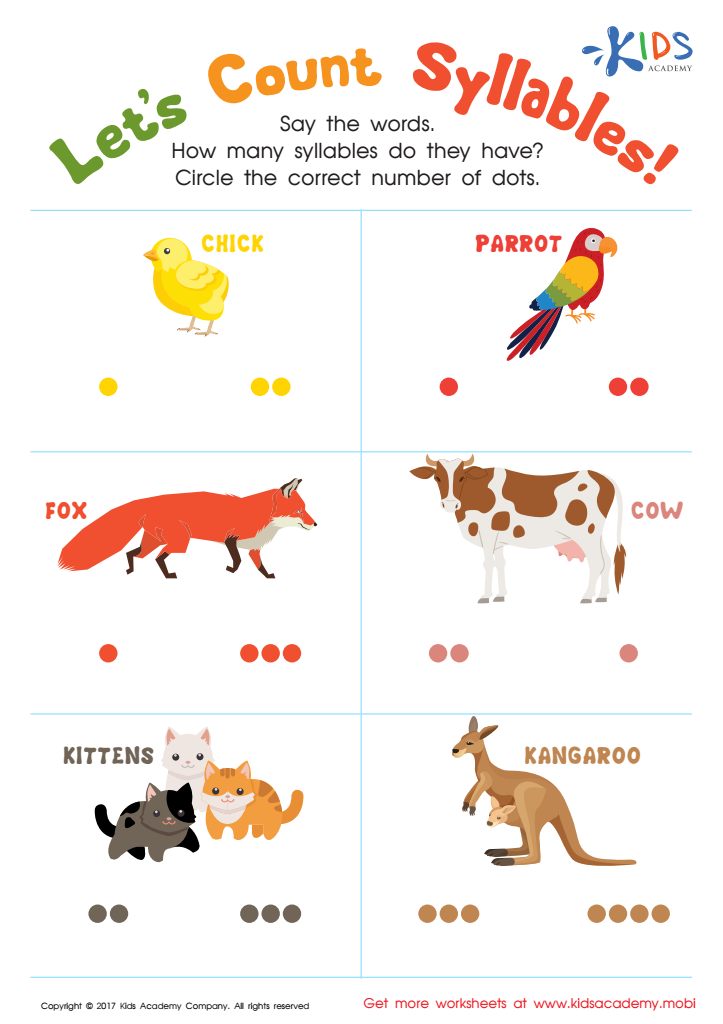
Lets Count Syllables Worksheet








Reading skills are foundational to a child's educational journey, and improving these skills as early as ages 3-4 yields significant long-term benefits. At this formative stage, children’s brains are particularly receptive to acquiring language and literacy skills. When parents and teachers focus on improving reading skills early on, they help children develop critical cognitive abilities like phonemic awareness, vocabulary, and comprehension.
Introducing reading at this young age enlarges a child's vocabulary and enhances their understanding of sentence structure and grammar. Engaging children with books and storytelling not only improves reading abilities but also stimulates their imagination and curiosity. This lays a strong foundation for future academic success, as well-rounded literacy skills are essential for understanding and learning in almost every subject.
Moreover, early reading interventions can support emotional and social development. Sharing stories can help children understand different perspectives, manage their emotions, and foster empathy. Reading together also strengthens the bond between the child and the parent or teacher, creating a nurturing learning environment.
In summary, by investing time and effort in improving reading skills for children ages 3-4, parents and teachers are setting them up for a lifetime of educational and personal growth opportunities, making this a worthwhile and impactful endeavor.







