Reading readiness Normal Phonics Worksheets for Ages 3-4
4 filtered results
-
From - To
Unlock your child's potential with our Reading Readiness Normal Phonics Worksheets, designed specifically for ages 3-4. These engaging resources introduce young learners to foundational phonics concepts, helping them recognize letters, sounds, and simple words in a fun and interactive way. Perfect for parents and educators, these worksheets encourage early language development and boost literacy skills through colorful illustrations and playful activities. Foster a love for reading while enhancing phonemic awareness and vocabulary. Start your child's reading journey today with our easy-to-use, printable sheets that make learning enjoyable and effective! Visit us now and promote an exciting path to literacy!
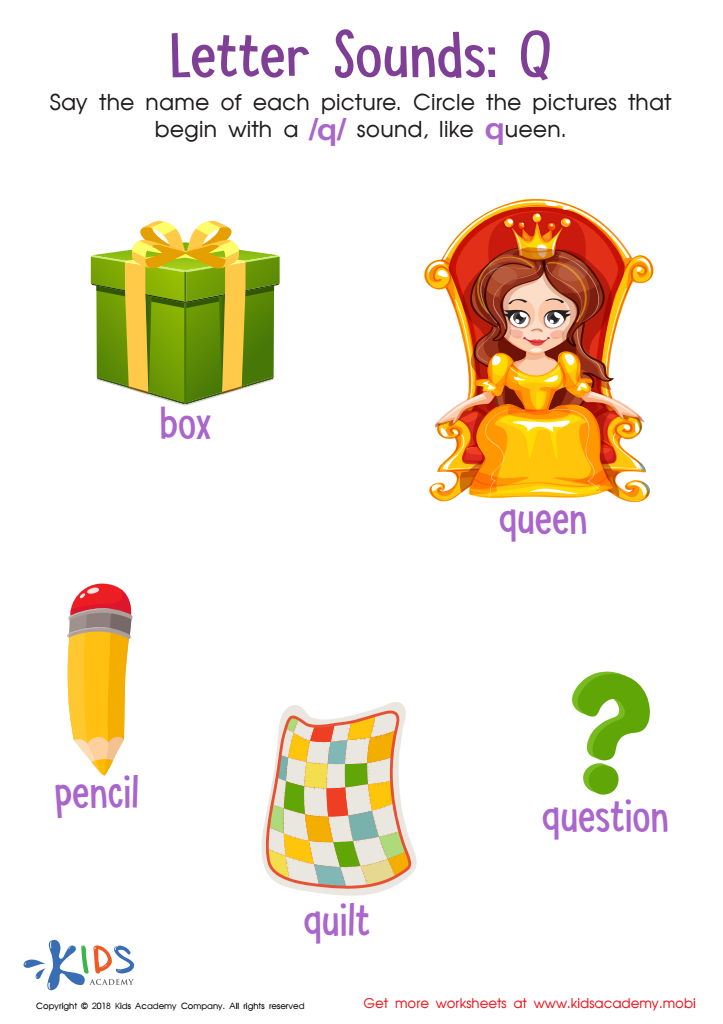
Letter Q Sounds Worksheet
 Assign to My Students
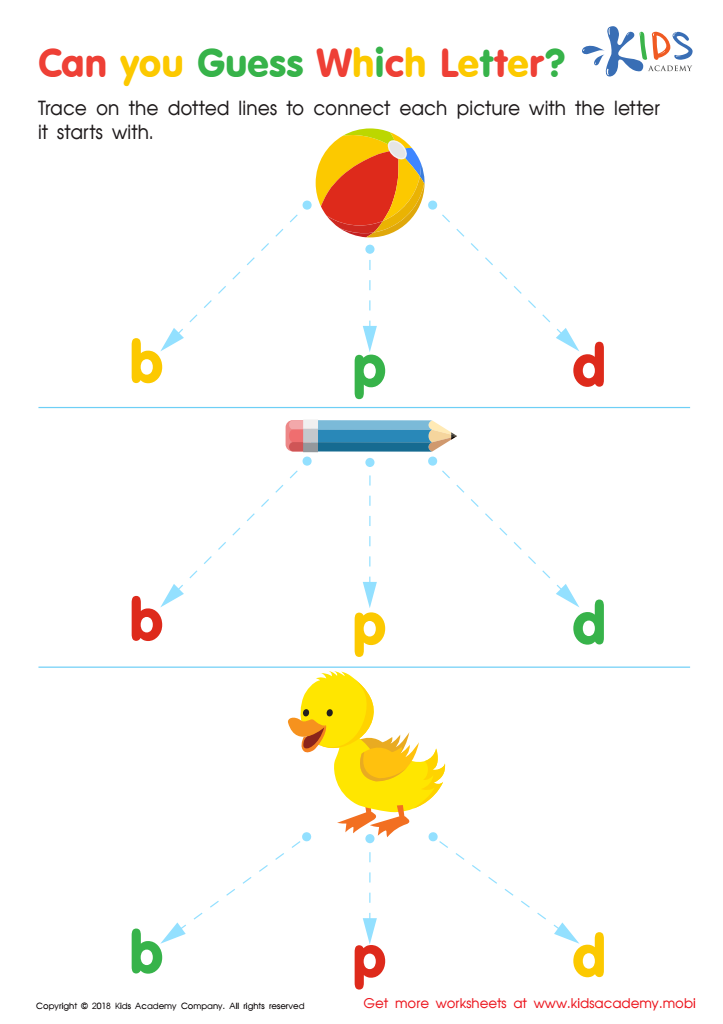
Can you Guess Which Letter? Worksheet
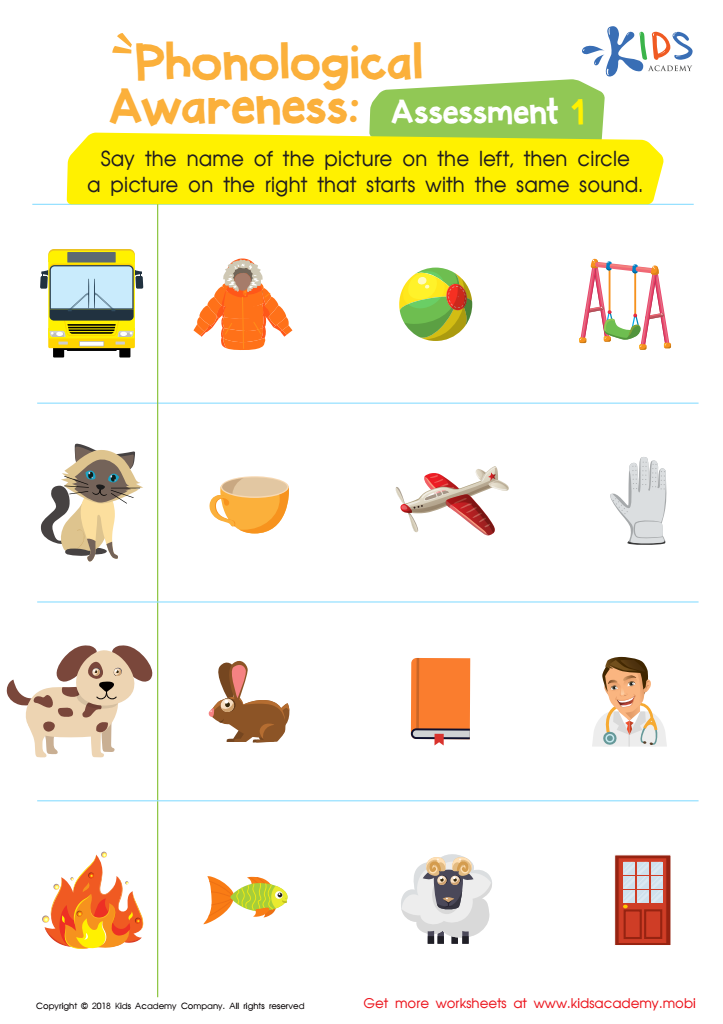
Phonological Awareness: Assessment 1 Worksheet
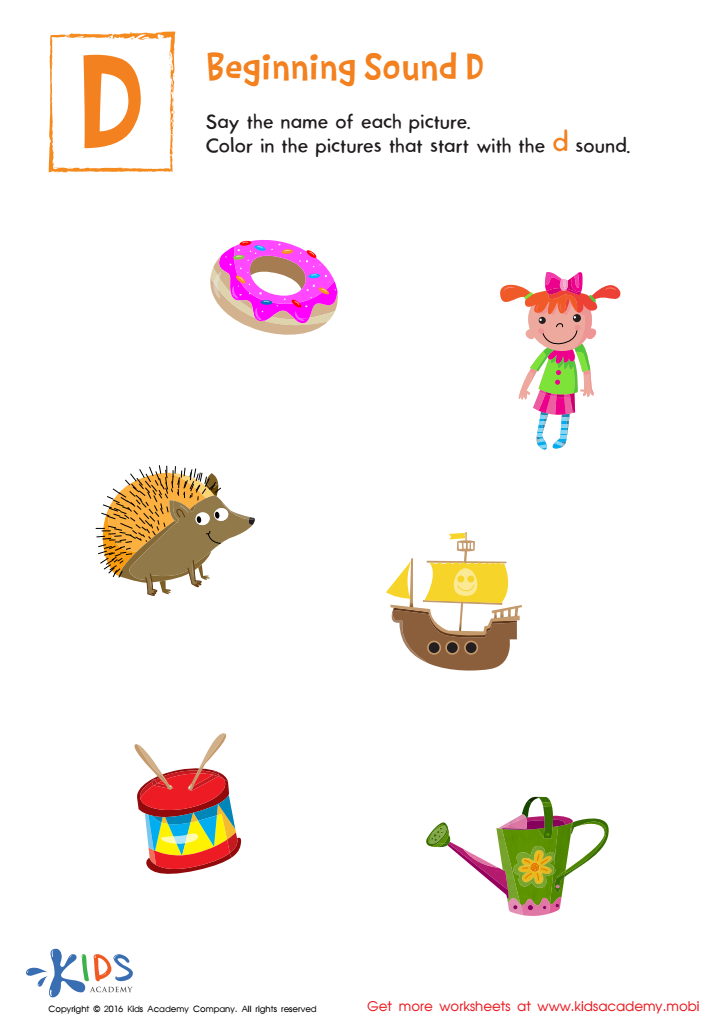
Beginning Sound D Worksheet








Reading readiness, particularly through phonics, is essential for children aged 3-4 as it lays the foundation for successful literacy development. At this age, children are naturally absorbent and eager to learn, making it a prime time to introduce phonetic concepts. Phonics helps children understand the relationship between letters and sounds, which is crucial for deciphering words. When parents and teachers prioritize reading readiness with normal phonics, they equip children with the tools necessary for reading comprehension and fluency later in their education.
Furthermore, early proficiency in phonics can enhance a child's cognitive and language skills, thereby fostering a love for reading. Engaging in phonics activities—like singing alphabet songs, playing rhyming games, and practicing sound-letter associations—can make learning fun and interactive. This sets the stage for positive attitudes towards reading and learning, which are vital throughout their academic journey.
Parents and teachers play a critical role in this early stage. They can create supportive environments rich in print, encourage conversations, and provide resources to promote phonics education. Ultimately, investing in phonics readiness for young learners ensures that they are confident, engaged readers by the time they reach formal schooling, benefiting their overall academic success.







