Vocabulary enhancement Normal Phonics Worksheets for Ages 3-4
14 filtered results
-
From - To
Unlock your toddler’s potential with our Vocabulary Enhancement Normal Phonics Worksheets, specifically designed for ages 3-4. These engaging activities combine playful exercises with effective learning techniques, enhancing early literacy skills. Our worksheets help young learners build a strong vocabulary foundation through fun, interactive phonics exercises that foster reading readiness. Each worksheet features colorful imagery and simple instructions, making it perfect for preschoolers to explore sounds and words. Support your child’s language development and boost their confidence in reading with our expertly crafted phonics worksheets. Begin the journey of lifelong learning and discover endless educational fun today!
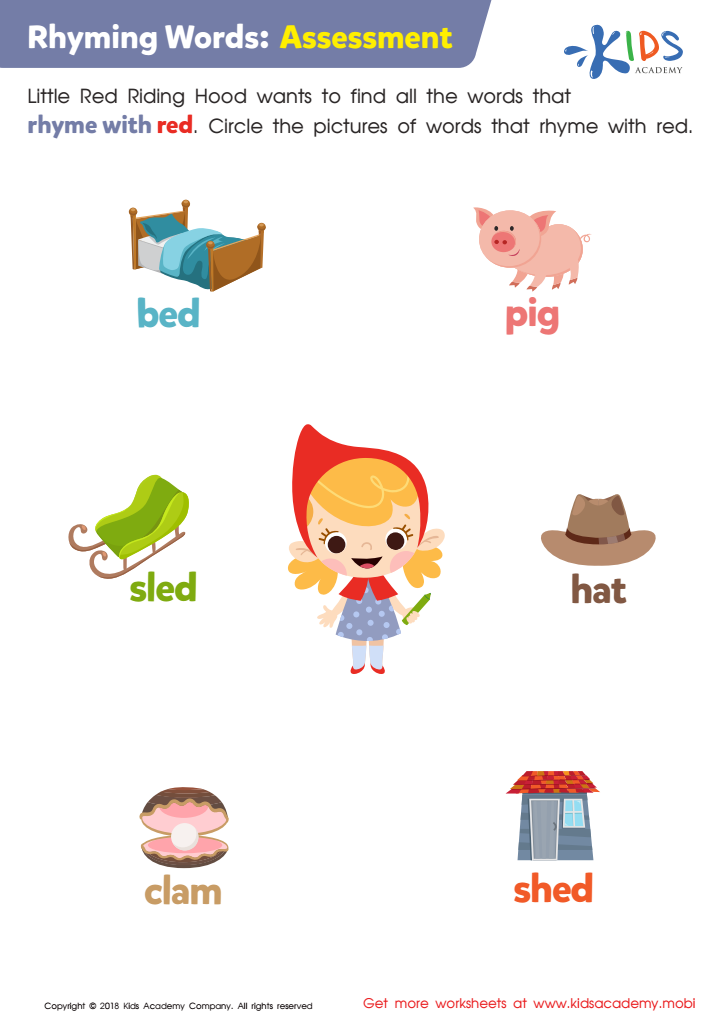
Rhyming Words: Assessment Worksheet
 Assign to My Students
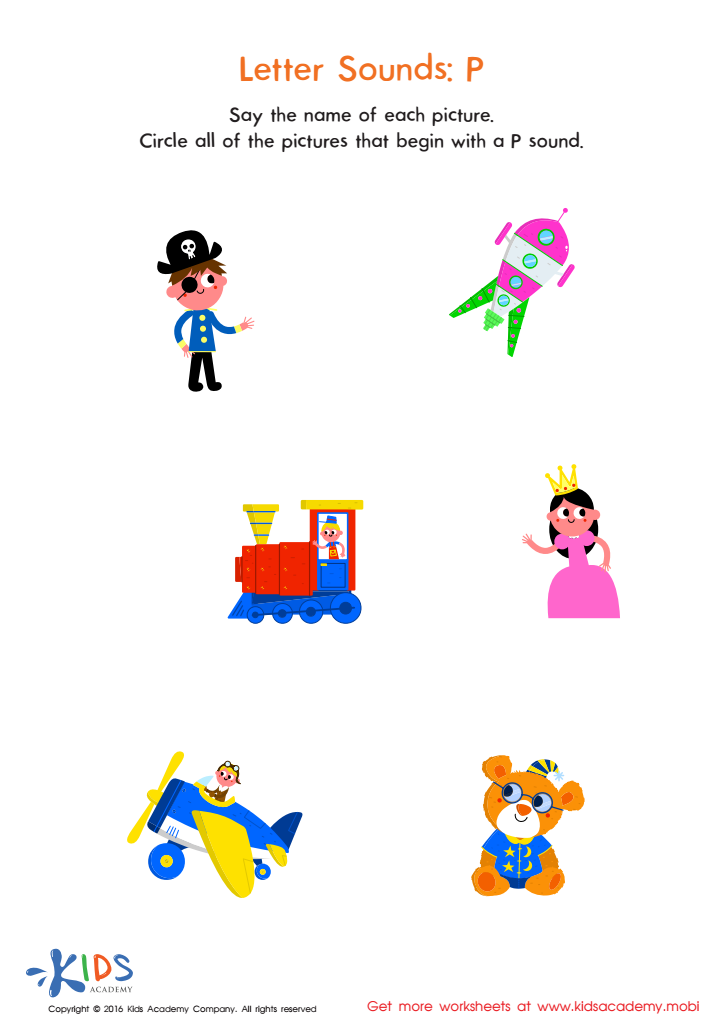
Letter P Sound Worksheet
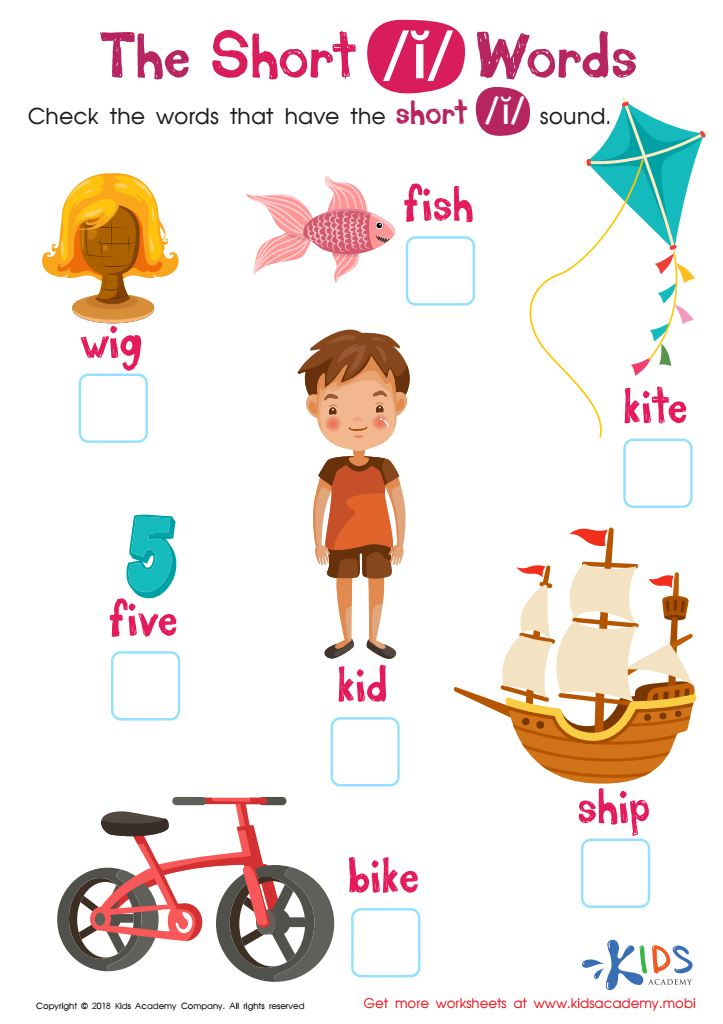
The Short I Words Reading Worksheet
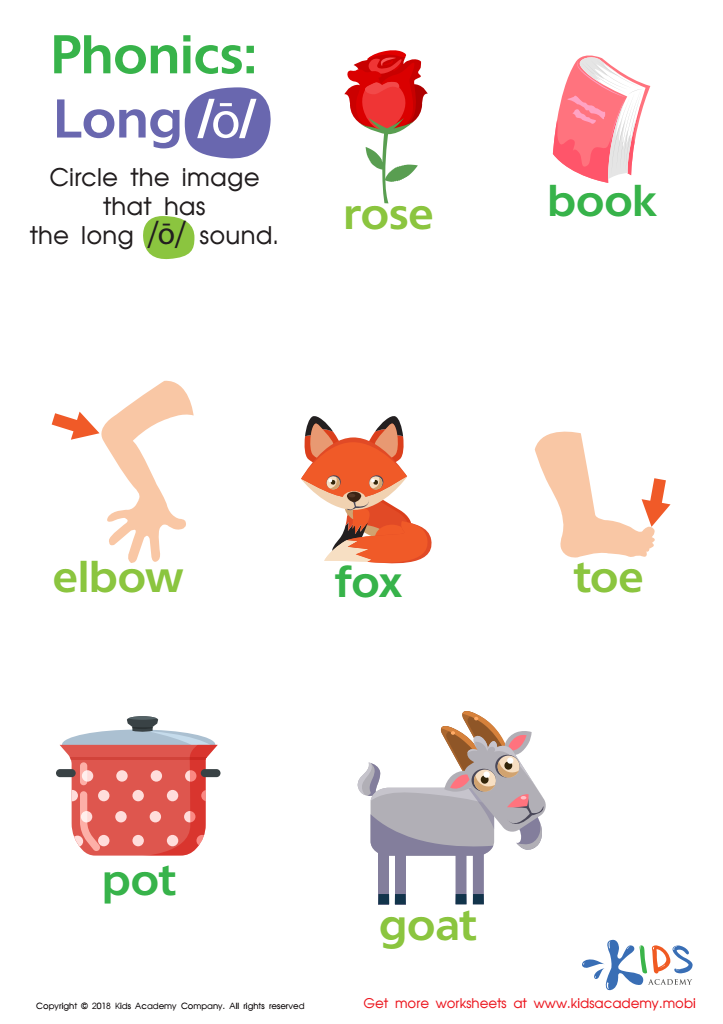
Phonics Long O Reading Worksheet
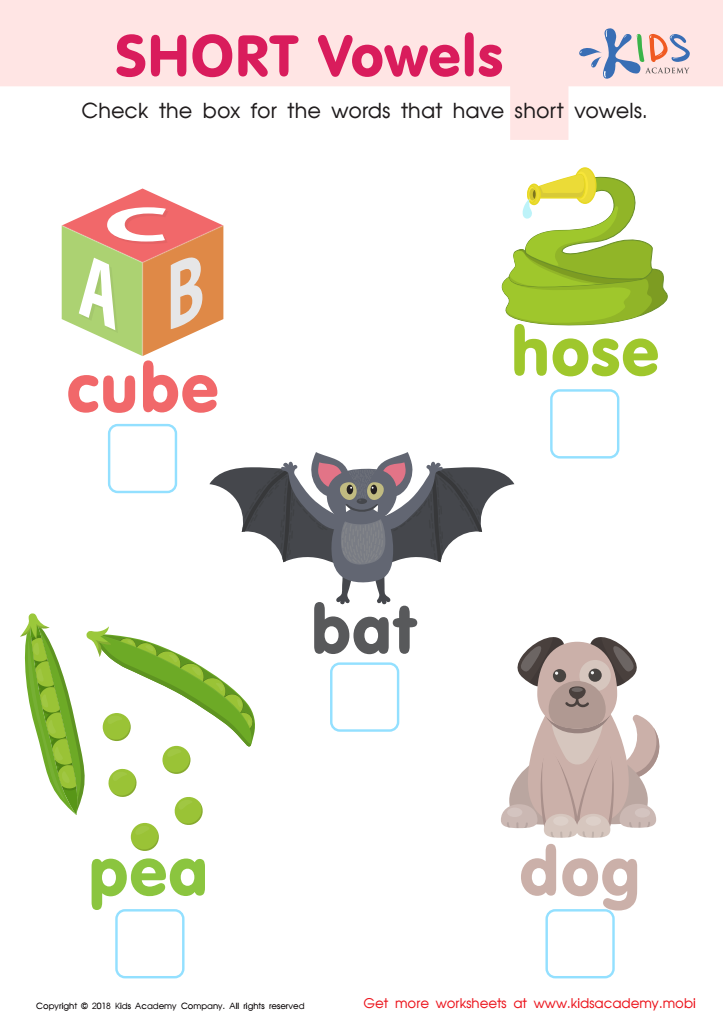
short vowels Worksheet
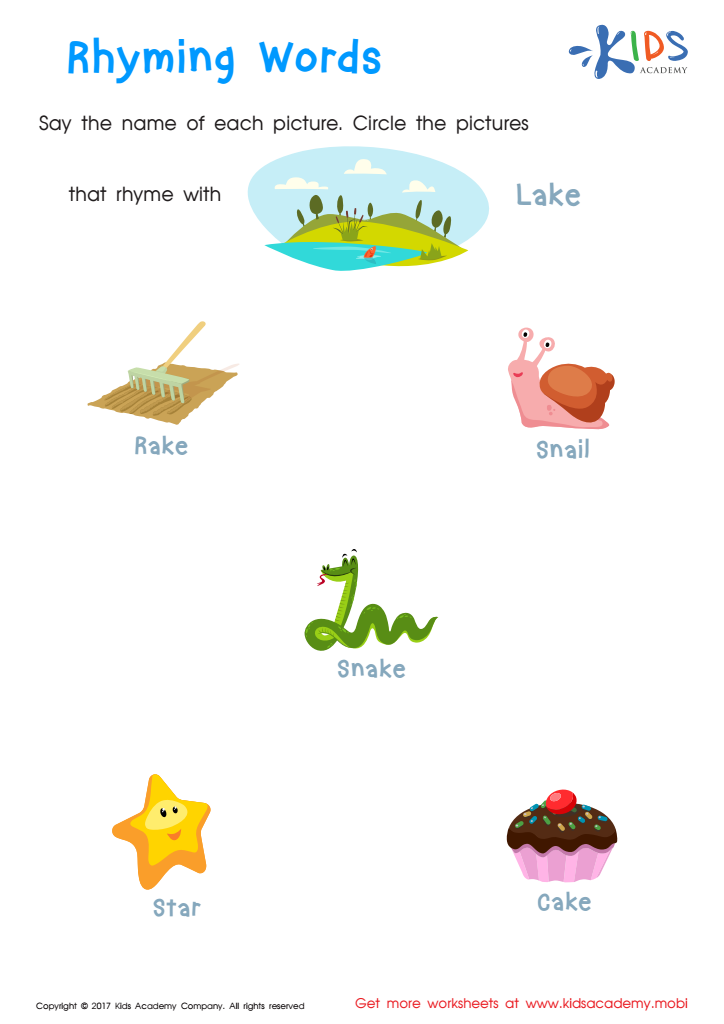
Rhyming Words Rhyming Worksheet
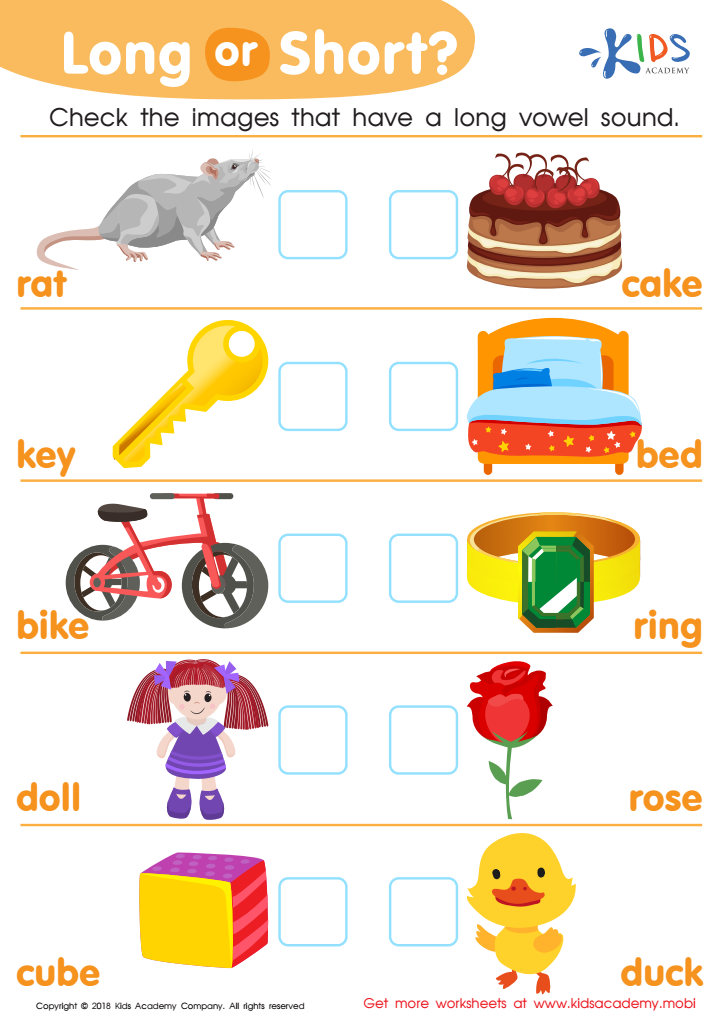
Long or Short Reading Worksheet
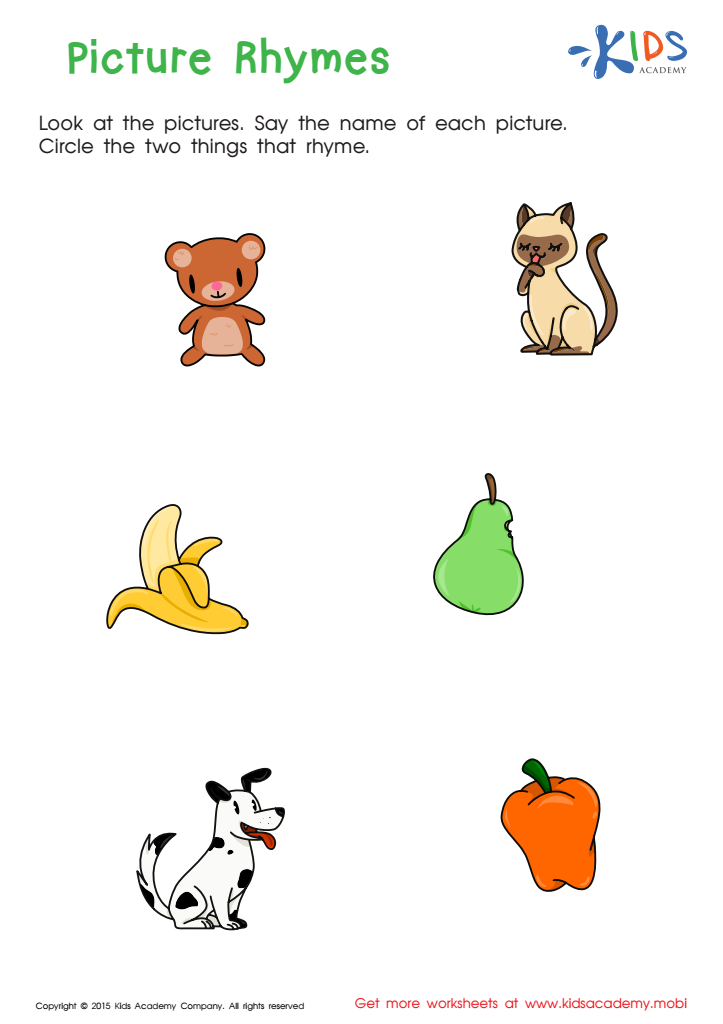
First Words: Picture Rhymes Worksheet
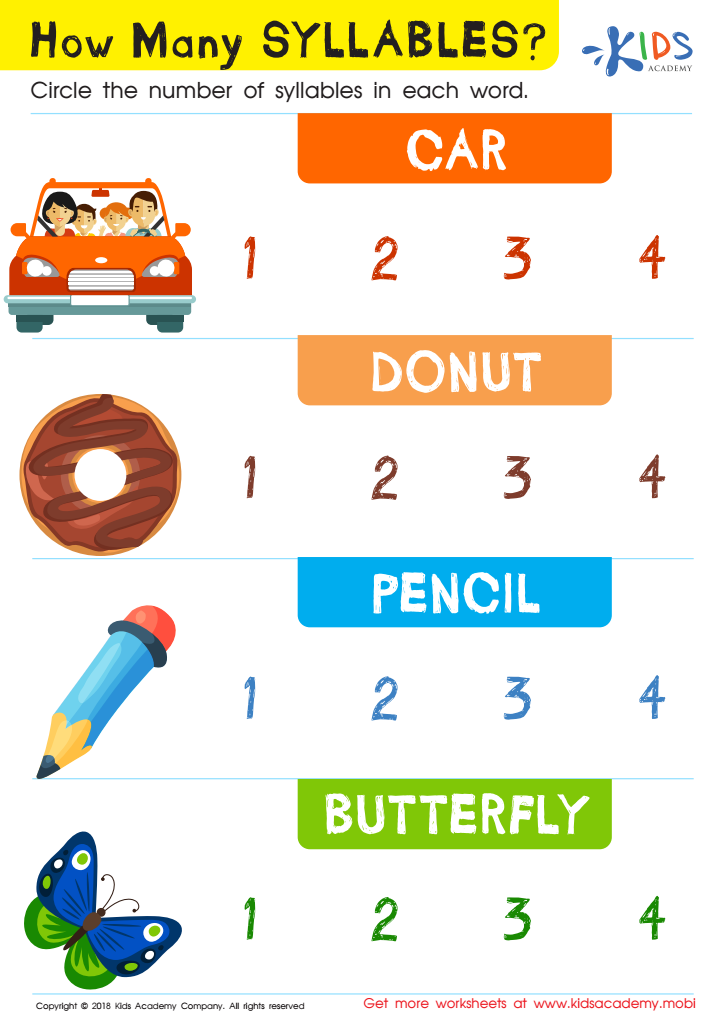
How Many Syllables? Worksheet
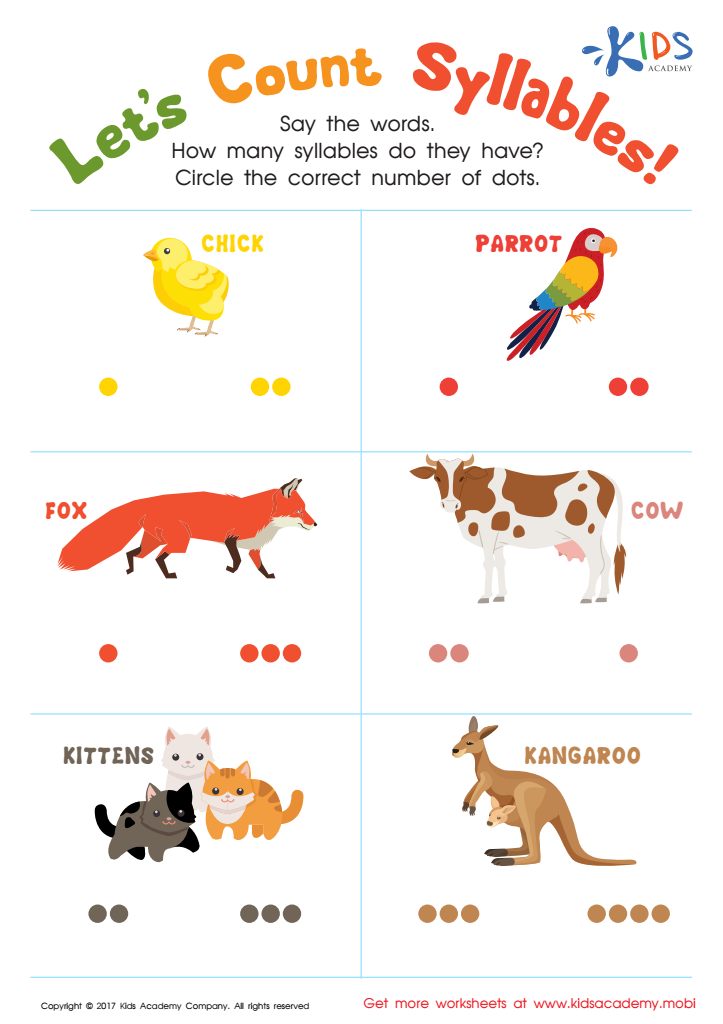
Lets Count Syllables Worksheet
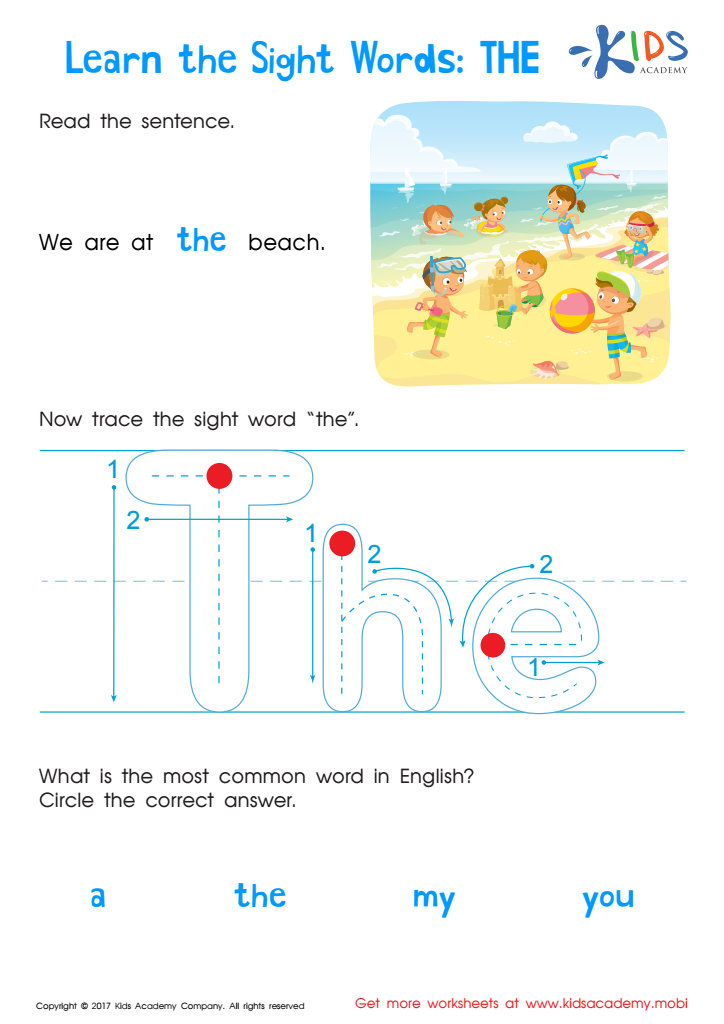
Sight Words: The Worksheet
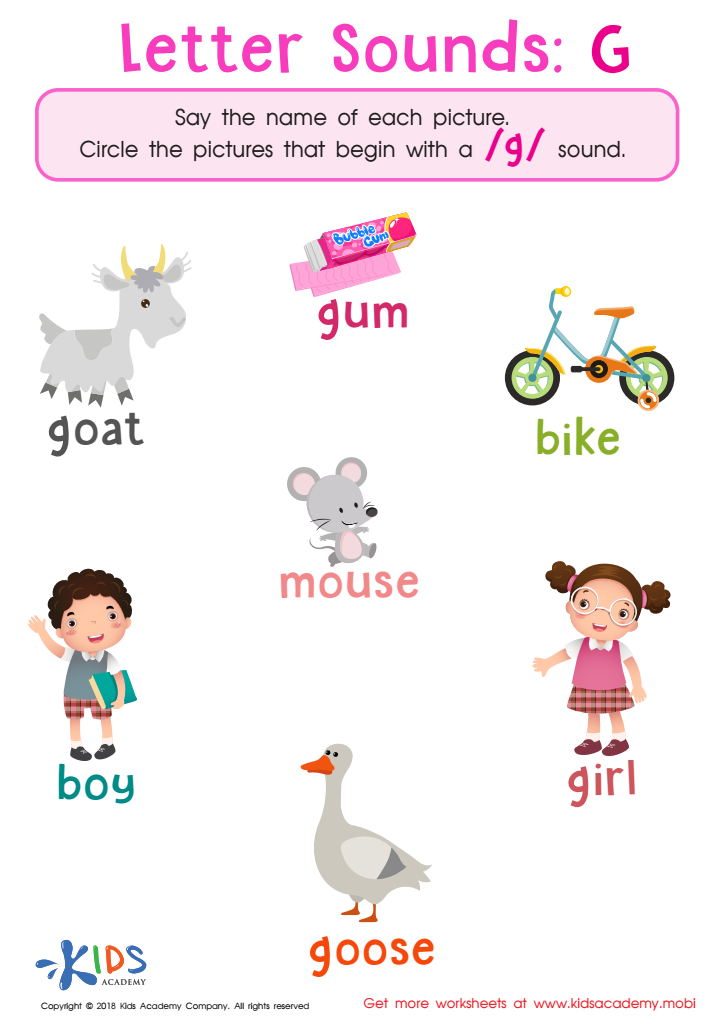
Letter G Sounds Worksheet
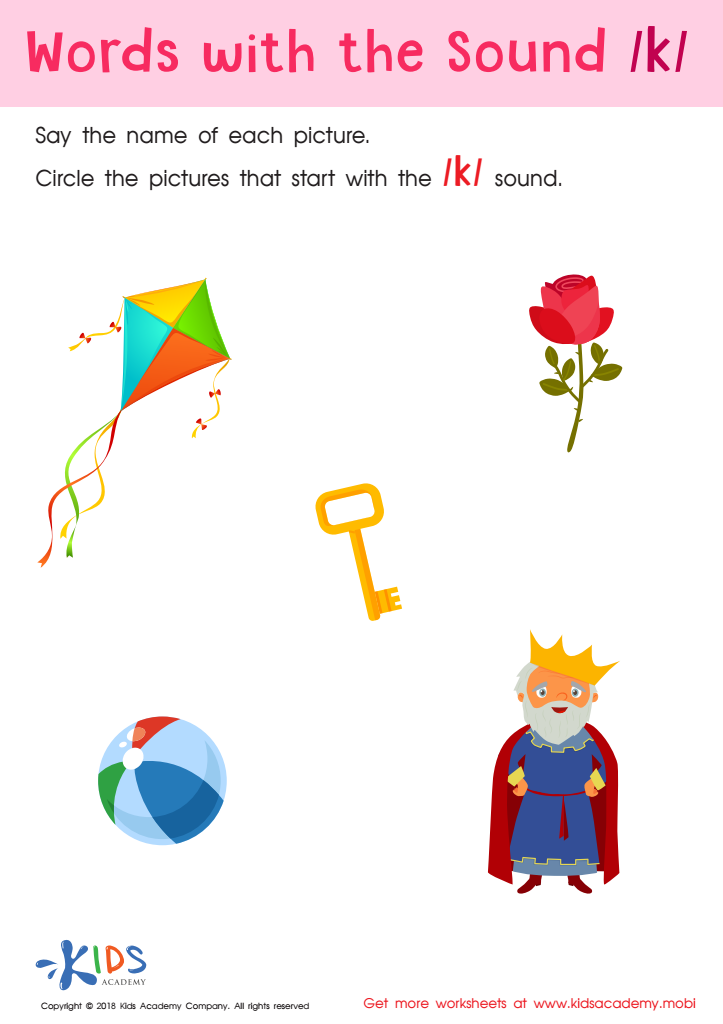
Words with sound k Reading Worksheet








Enhancing vocabulary and promoting phonics skills in young children aged 3-4 is crucial for several reasons. At this developmental stage, children's brains are highly receptive to language acquisition, which sets a strong foundation for future learning. Vocabulary enhancement is essential because it directly impacts a child's ability to communicate effectively, understand instructions, express thoughts and emotions, and build social relationships. A rich vocabulary also improves comprehension skills, allowing children to grasp the meaning of stories and conversations more deeply.
Meanwhile, phonics—understanding the relationship between sounds and their corresponding letters—is fundamental for reading development. Phonics instruction helps children recognize patterns in words, making it easier for them to decode new words and improve reading fluency. As young learners begin to grasp basic phonetic principles, they gain confidence and motivation to explore reading independently, further reinforcing their vocabulary and comprehension skills.
Together, enhanced vocabulary and strong phonics skills pave the way for academic success. Children with a robust early literacy foundation are better equipped to tackle complex texts and succeed in various subjects as they progress through school. Therefore, parents and teachers should prioritize vocabulary and phonics development in early childhood to foster a love for learning and set children on a path to lifelong success.







