Vocabulary expansion Normal Phonics Worksheets for Ages 3-4
14 filtered results
-
From - To
Help your little learner master essential language skills with our Vocabulary Expansion Normal Phonics Worksheets for ages 3-4. These engaging and visually appealing worksheets are specially designed for young children to enhance their vocabulary while learning foundational phonics. Featuring fun activities like matching, tracing, and word identification, our worksheets make learning an enjoyable experience. Perfect for both classrooms and home education, they support early reading skills and build a solid language foundation. Empower your child’s vocabulary growth today with our expertly crafted, age-appropriate phonics resources! Start exploring and make learning a delightful adventure!
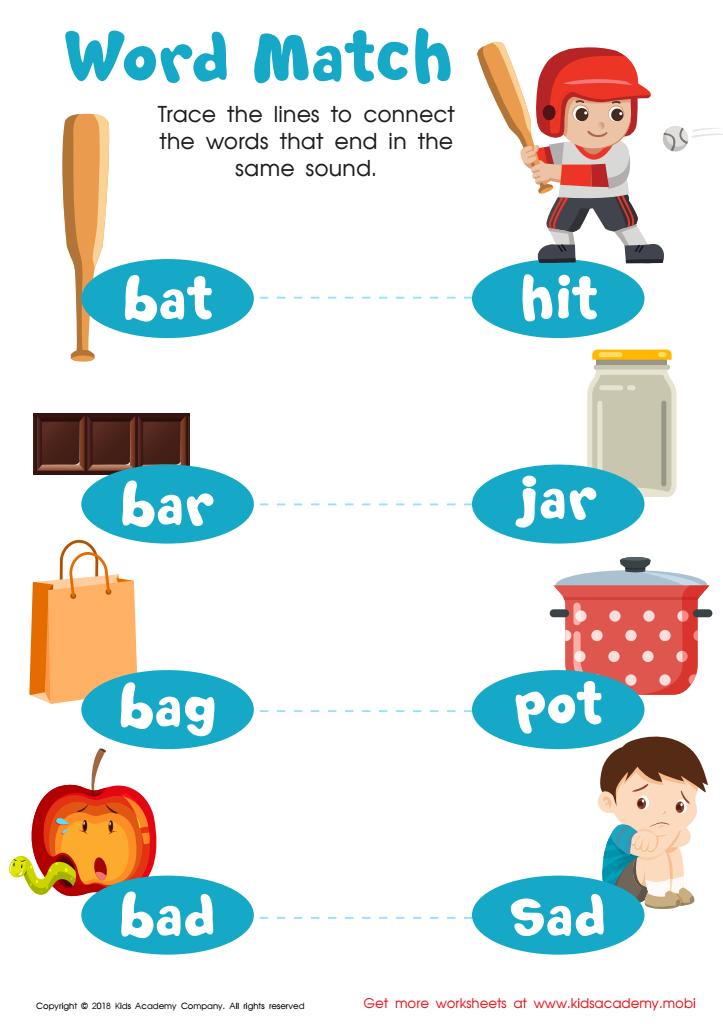
Word Match Reading Worksheet
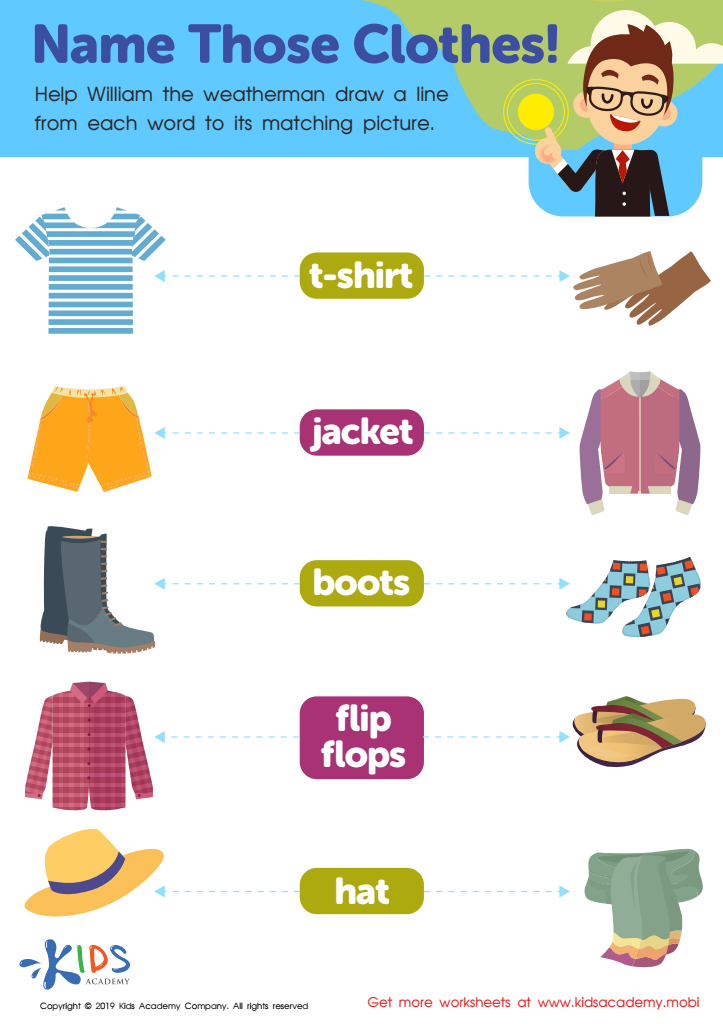
Name Those Clothes Worksheet
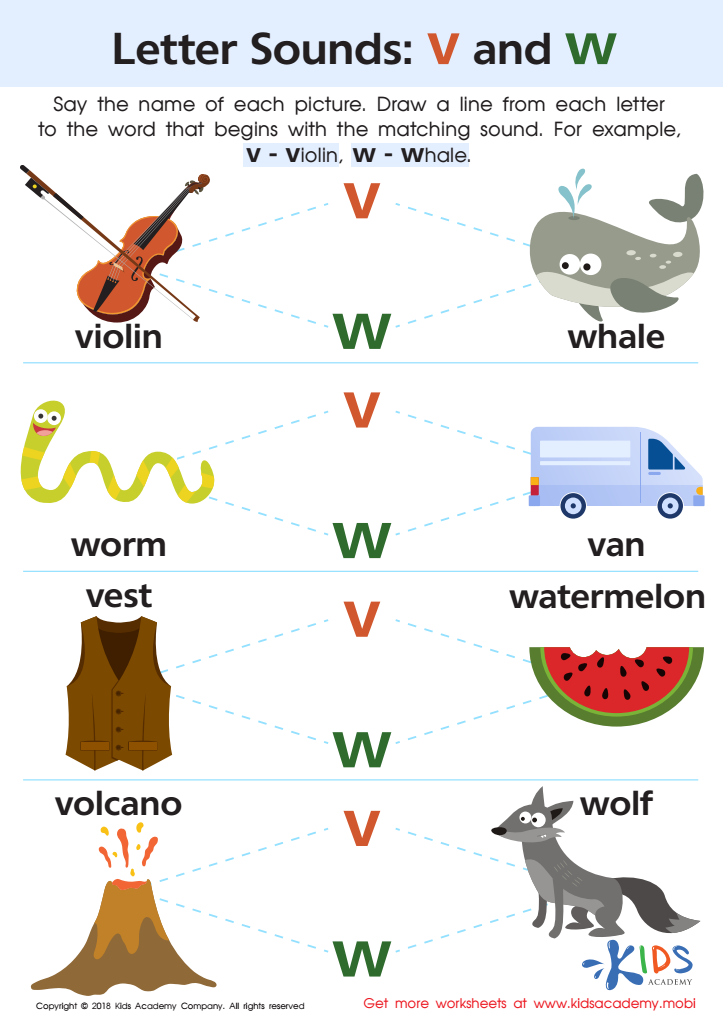
Letter V and W Sounds Worksheet
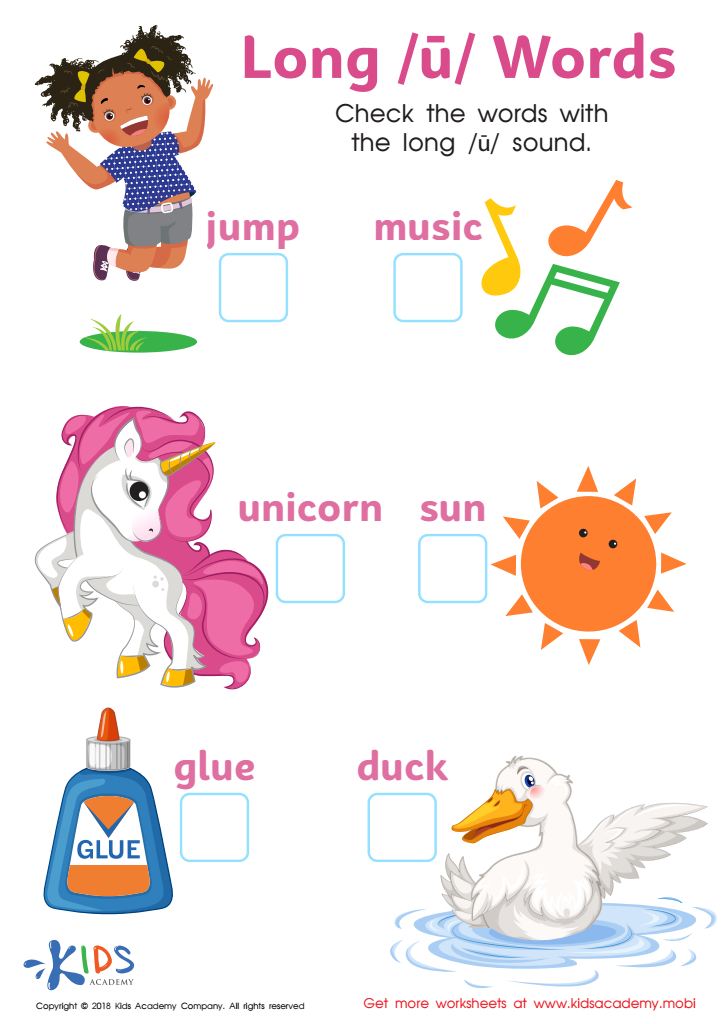
Long U Words Reading Worksheet
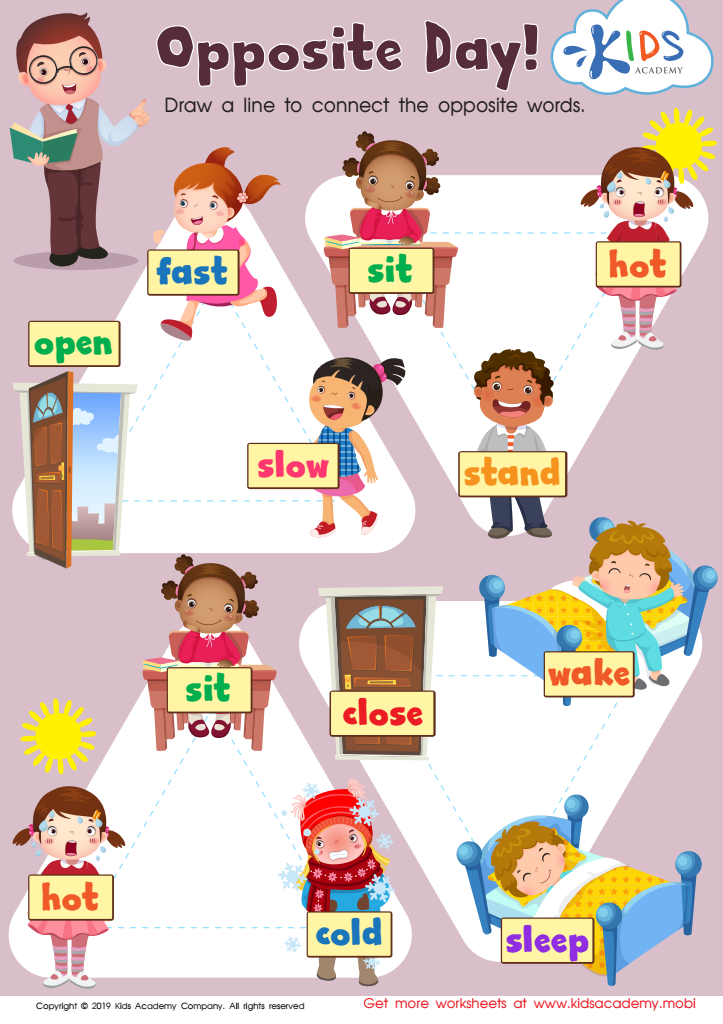
Opposite Day Worksheet
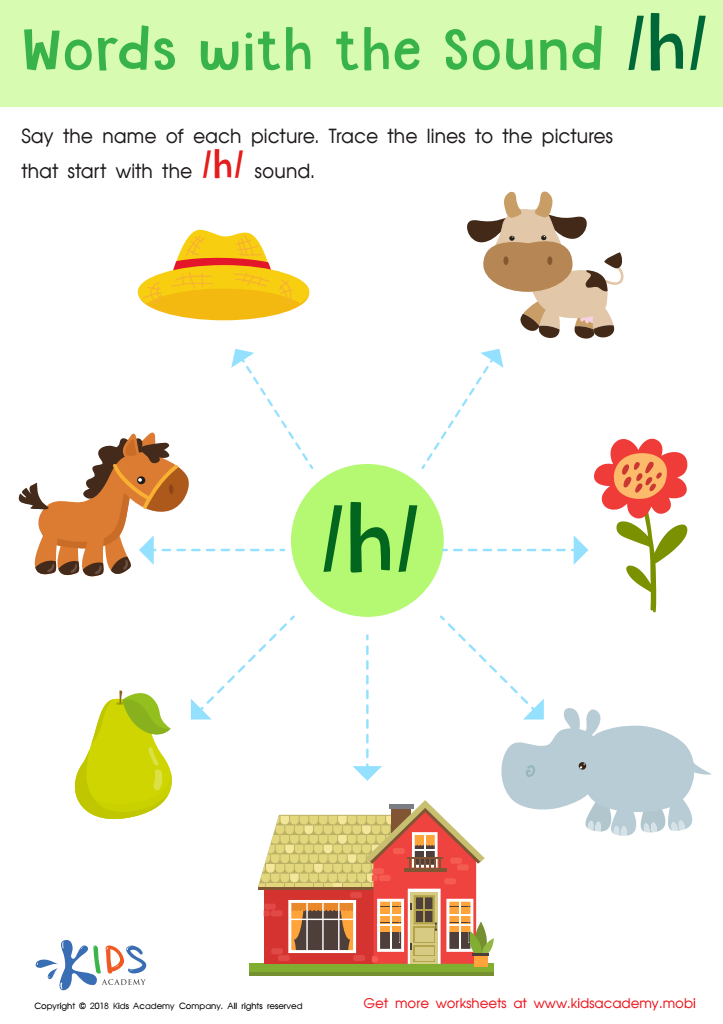
Words with sound h Reading Worksheet
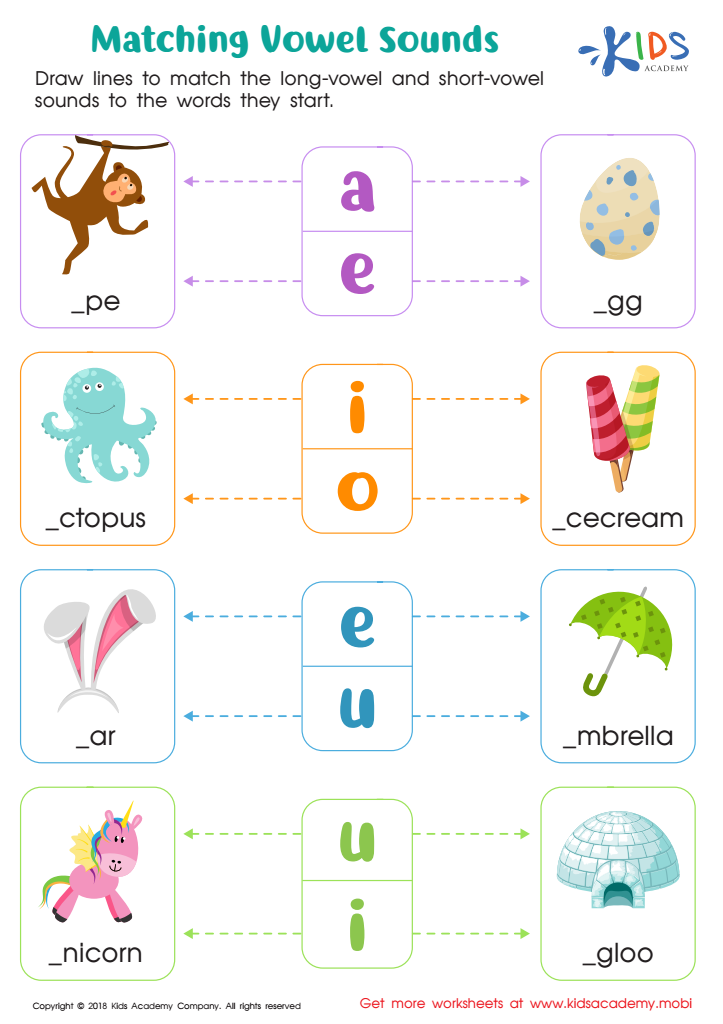
Matching Vowel Sounds Worksheet
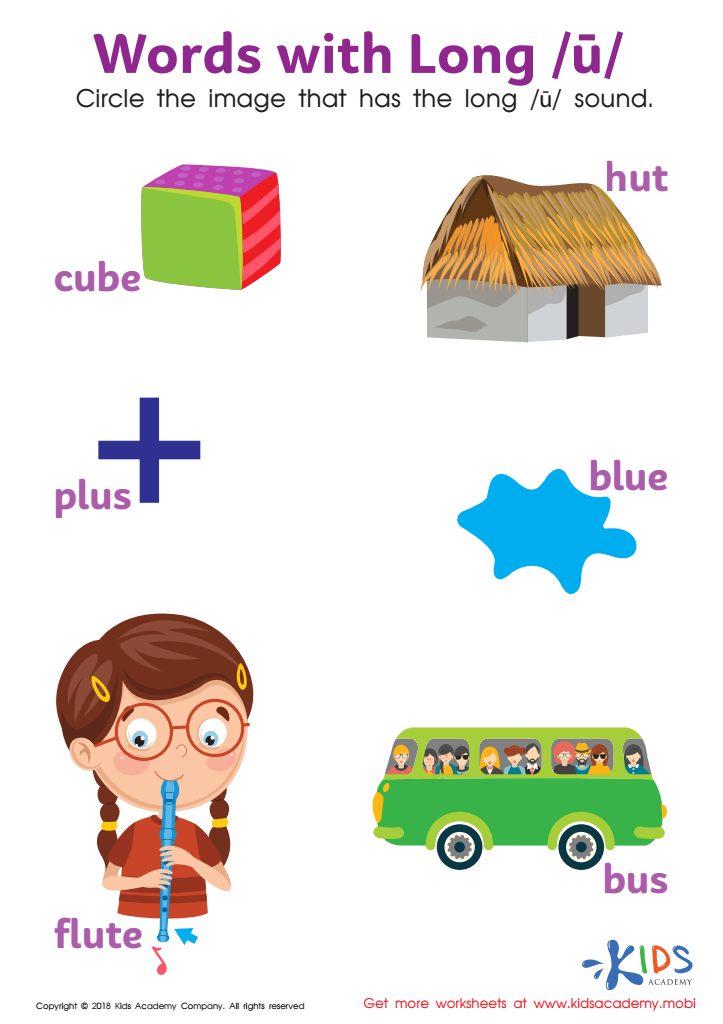
Words with Long U Reading Worksheet

Long and Short U Worksheet
 Assign to My Students
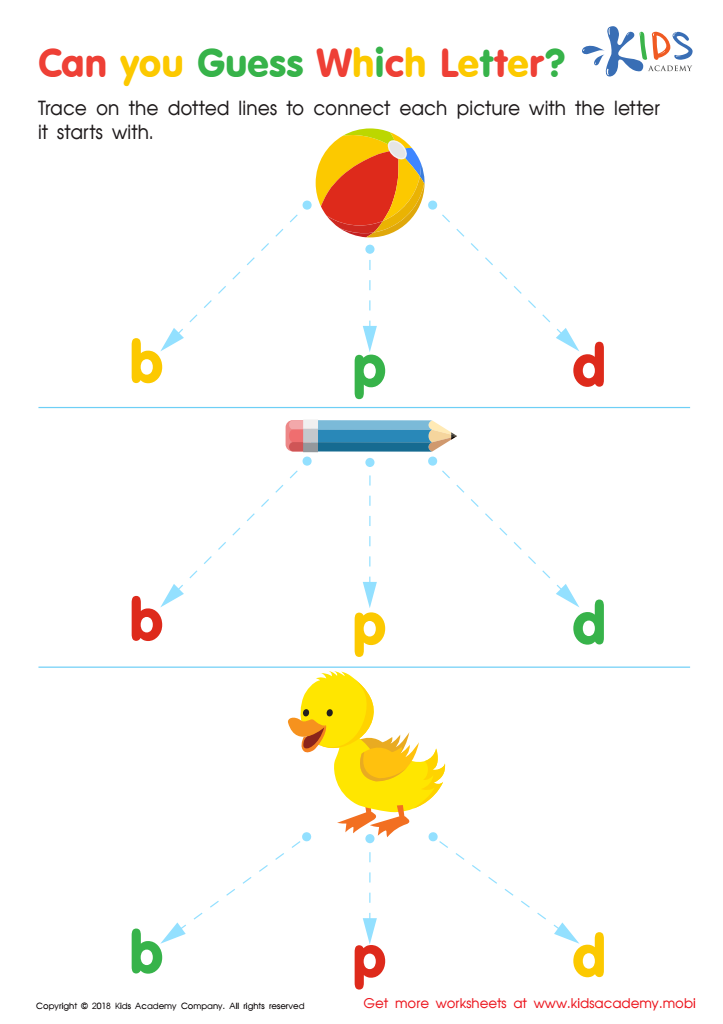
Can you Guess Which Letter? Worksheet
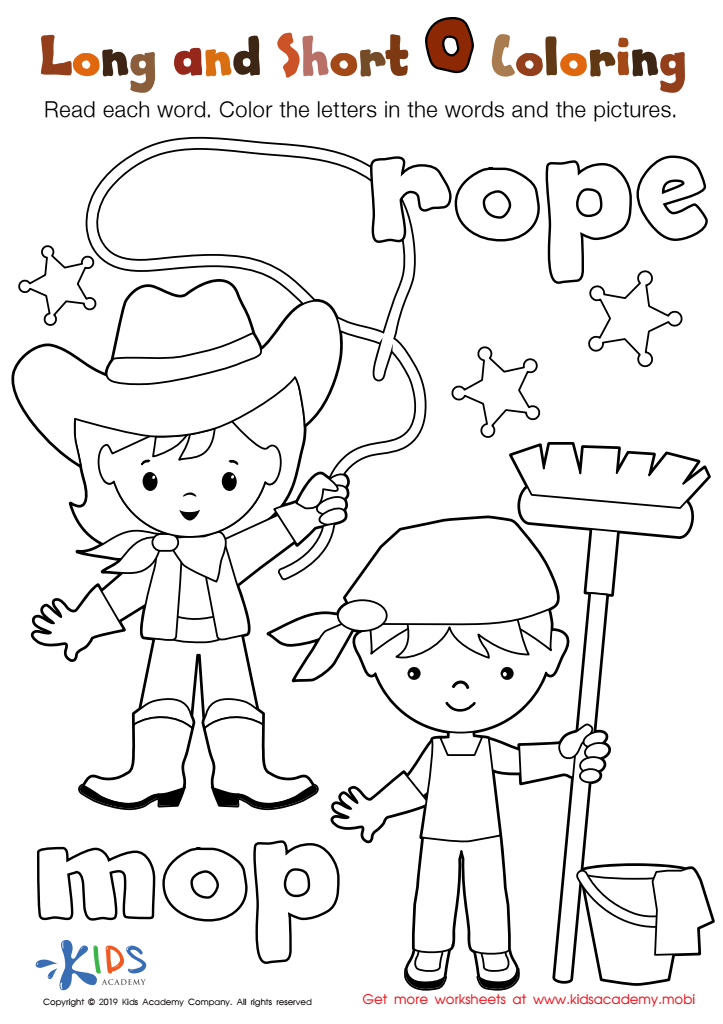
Long and Short O Worksheet
Assign to My Students
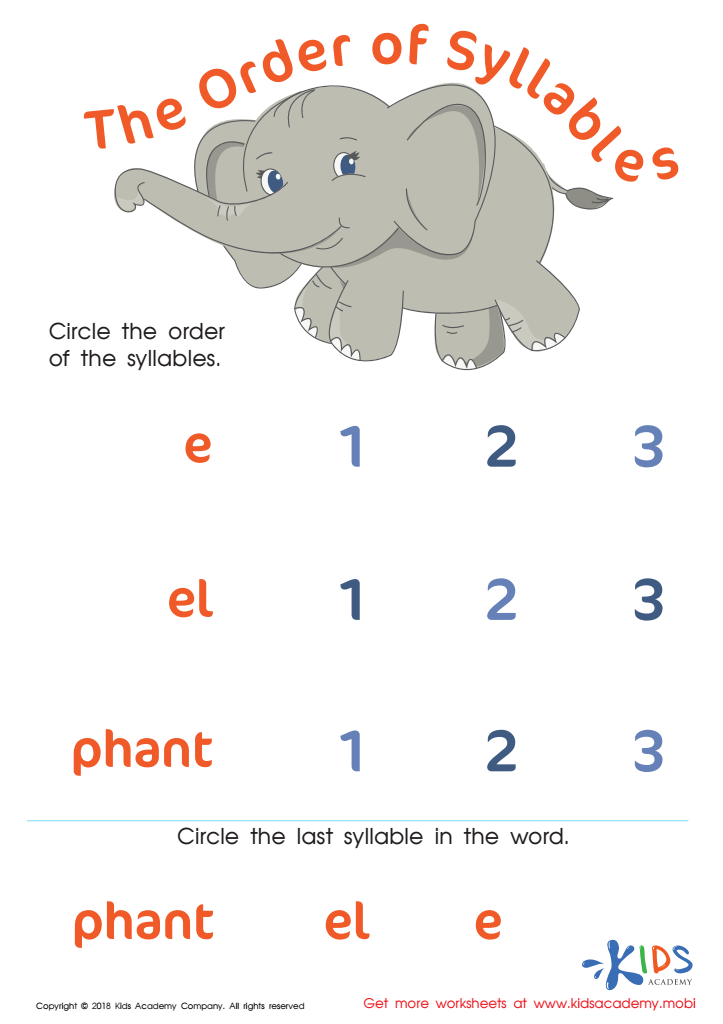
The Order of Syllables Worksheet
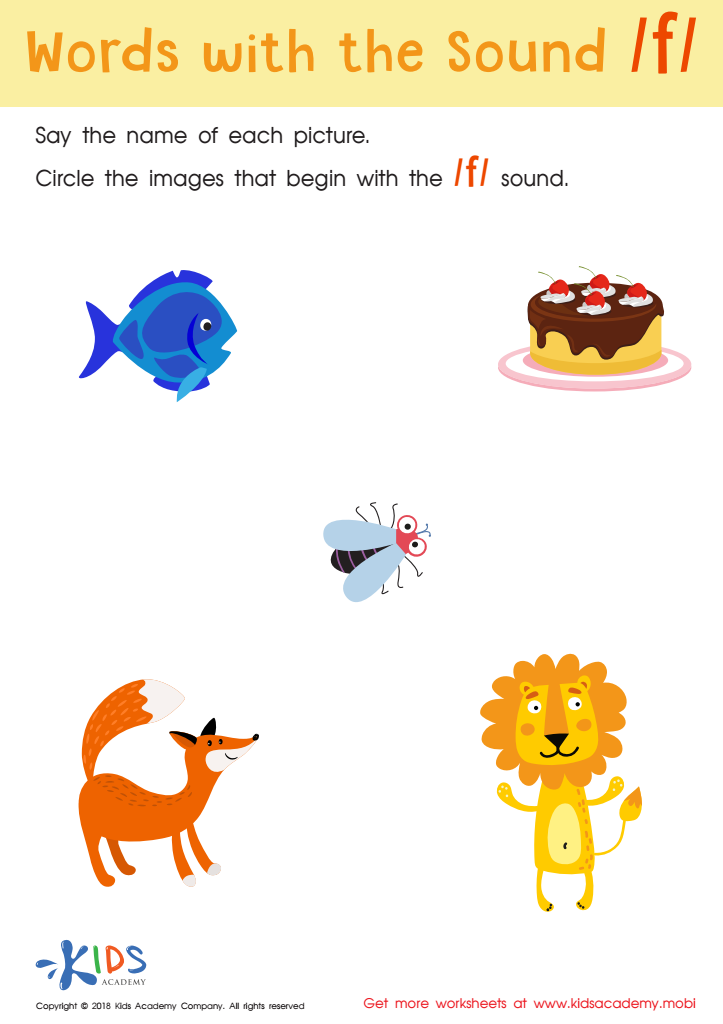
Words with sound f Reading Worksheet
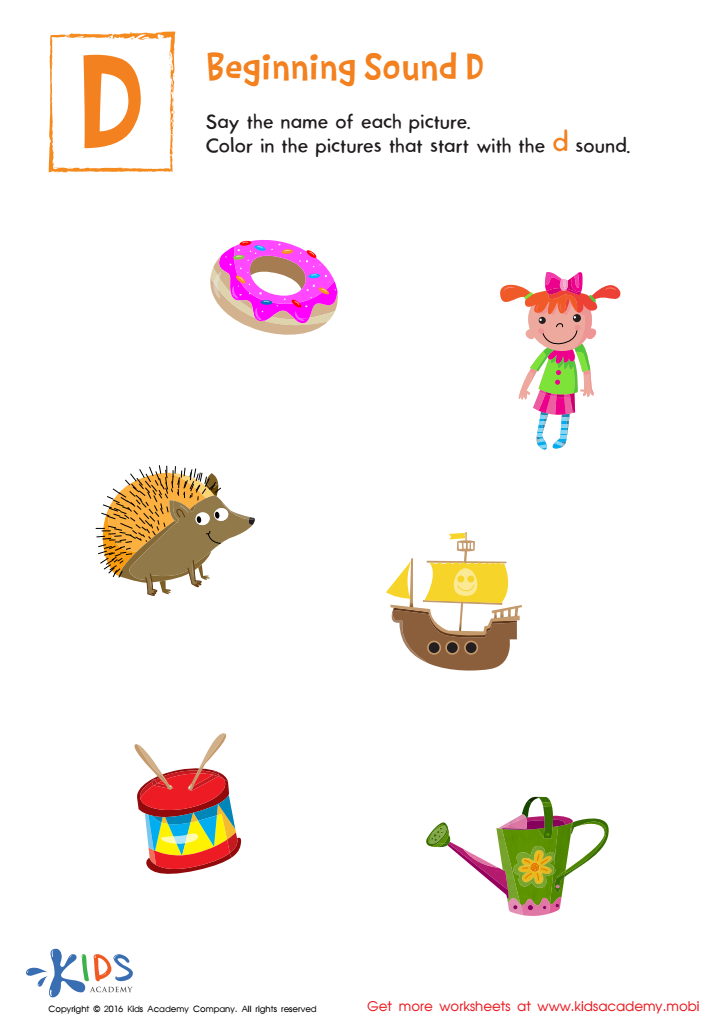
Beginning Sound D Worksheet








Vocabulary expansion and normal phonics development for children aged 3-4 are crucial aspects of early childhood education that parents and teachers should prioritize. During these formative years, children's brains are rapidly developing, and they are particularly receptive to acquiring new languages and vocabulary. This stage establishes the foundation for future learning and literacy skills.
When children have a rich vocabulary at an early age, they are better equipped to express themselves clearly and understand others, leading to improved communication skills. It also enhances their ability to follow instructions, engage in social interactions, and participate actively in both structured and imaginative play.
Normal phonics development, on the other hand, involves understanding the relationship between letters and their associated sounds. This awareness is essential for reading acquisition. By learning phonics, children can decode new words they encounter, paving the way for fluent reading and effective comprehension. Encouraging phonics and vocabulary growth during this critical period not only supports linguistic and cognitive development but also positively impacts a child's confidence and motivation to learn.
Parents and teachers play a vital role by providing a language-rich environment through reading, conversation, and interactive activities. By focusing on vocabulary and phonics at this age, they lay down a solid educational foundation that benefits children throughout their academic journey and beyond.







