Critical Thinking Normal Worksheets for Ages 3-4 - Page 2
38 filtered results
-
From - To
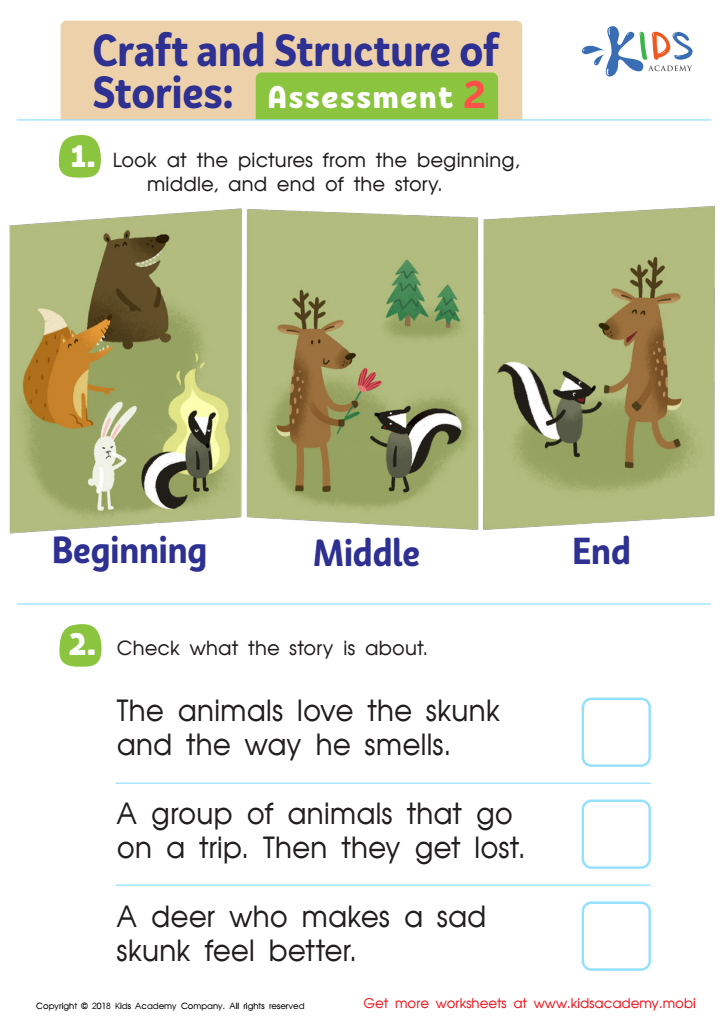
Craft and Structure of Stories: Assessment 2 Worksheet
 Assign to My Students
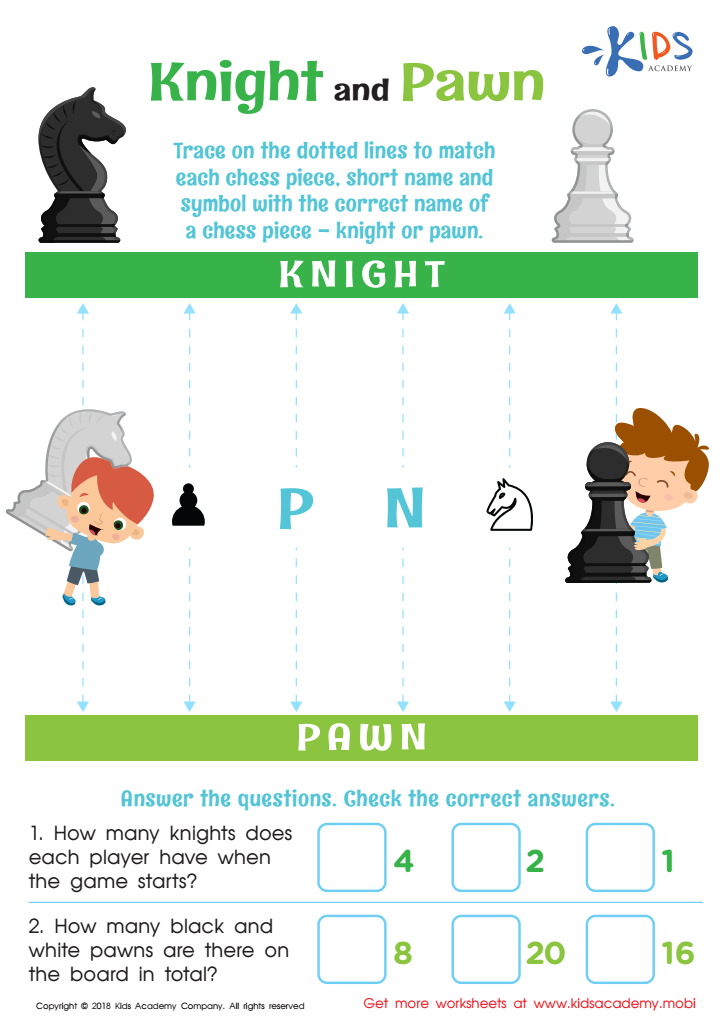
Knight and Pawn Worksheet
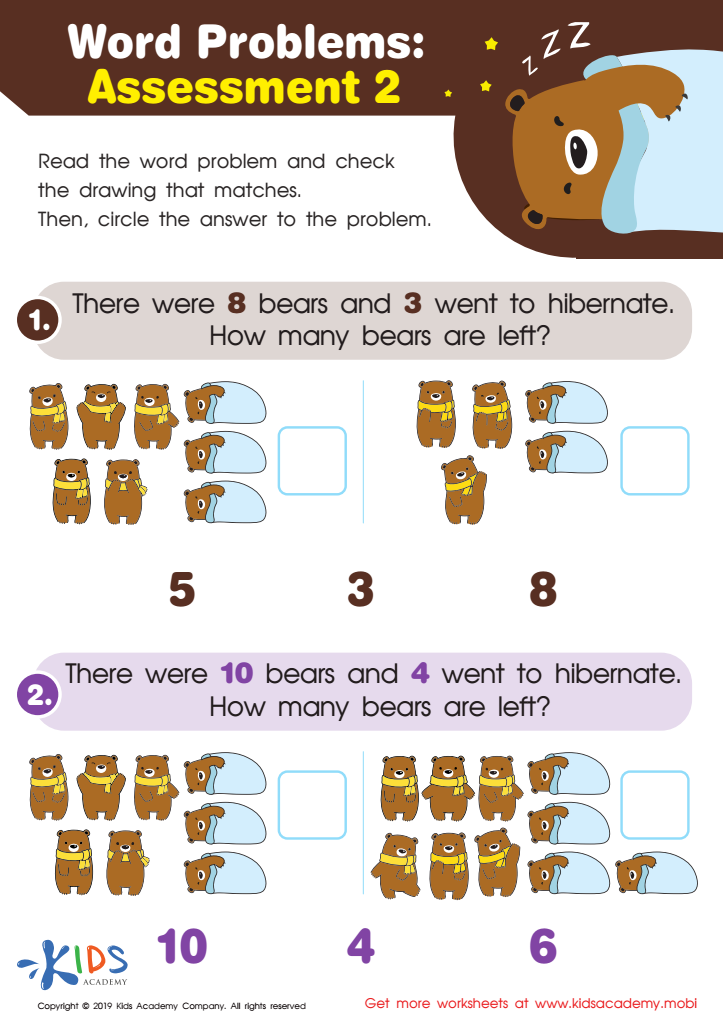
Word Problems: Assessment 2 Worksheet
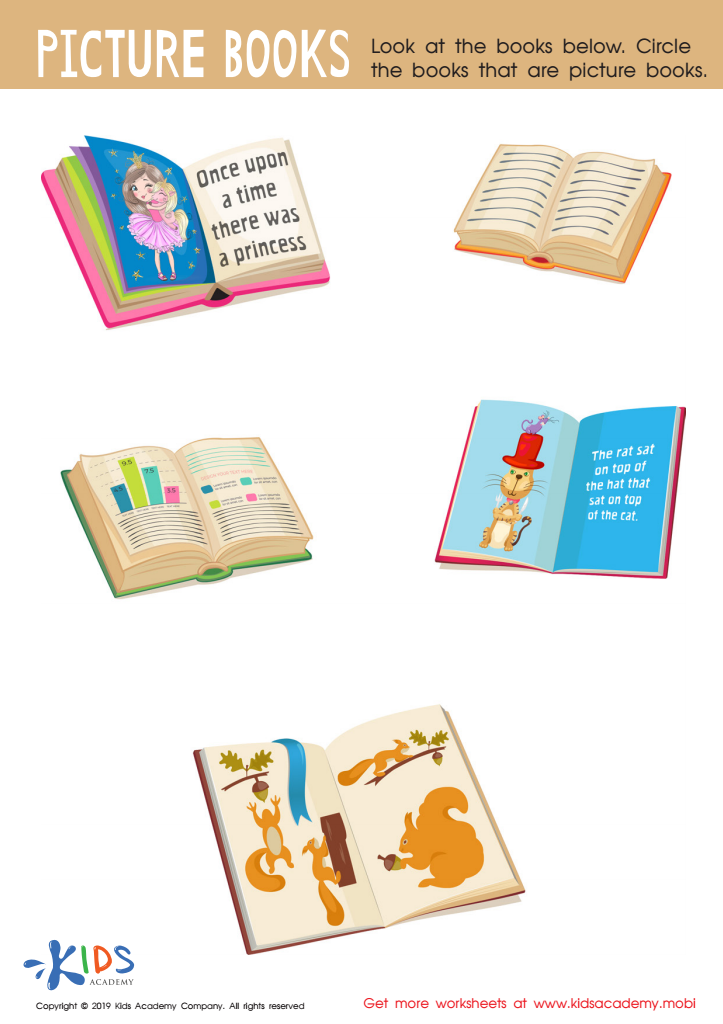
Picture Books Worksheet
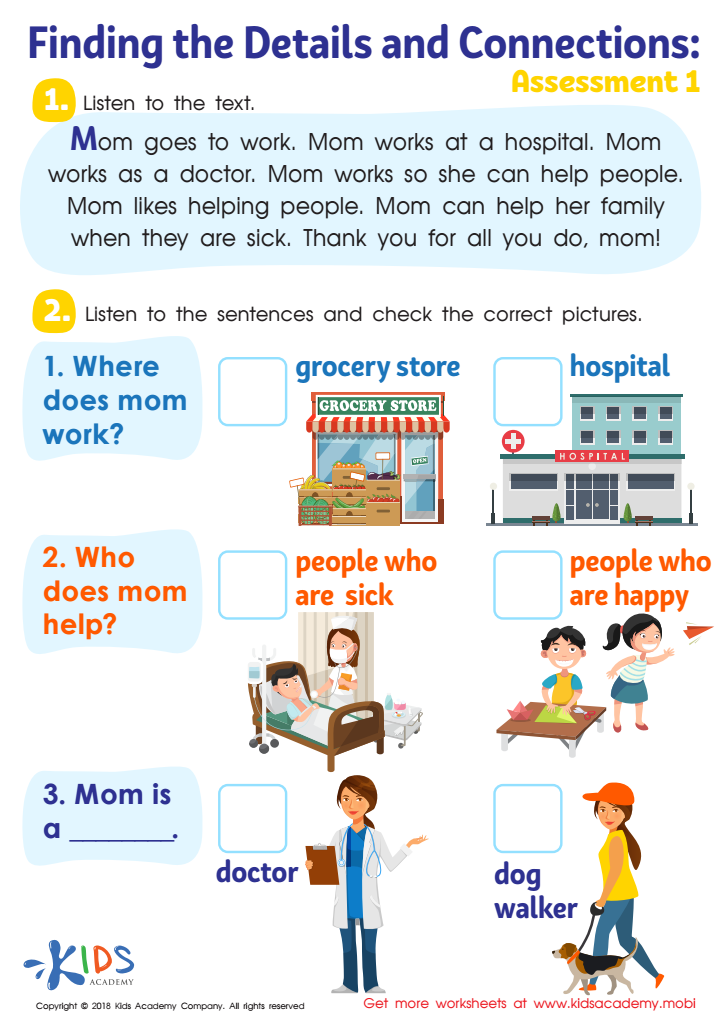
Finding the Details and Connections: Assessment 1 Worksheet
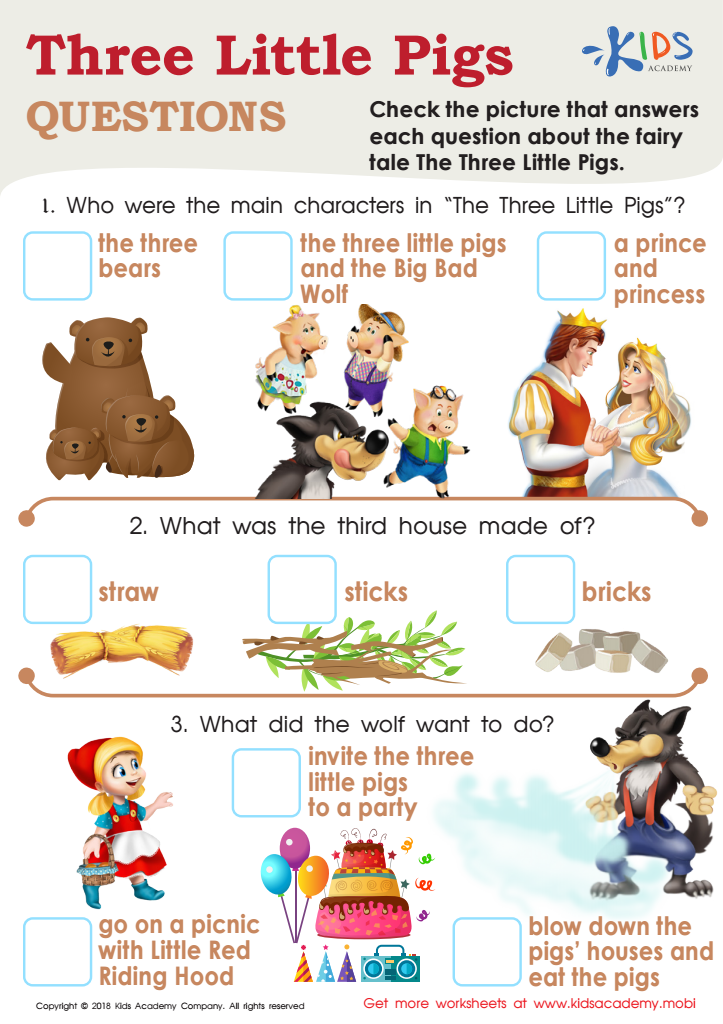
Three Little Pigs Questions Worksheet
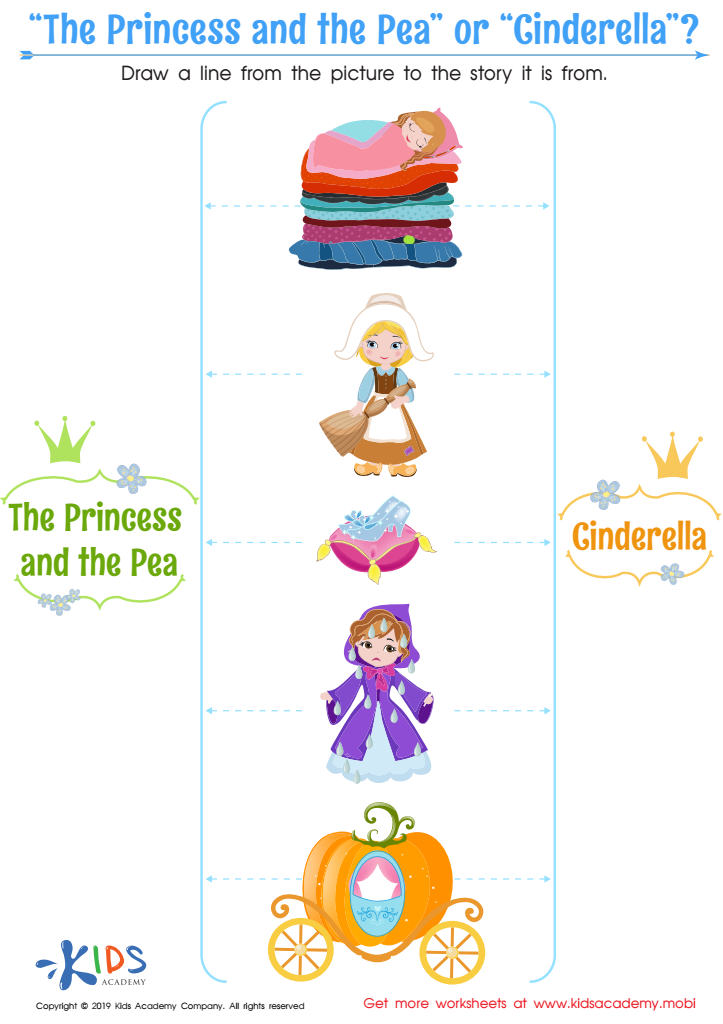
“The Princess and the Pea” or “Cinderella” Worksheet
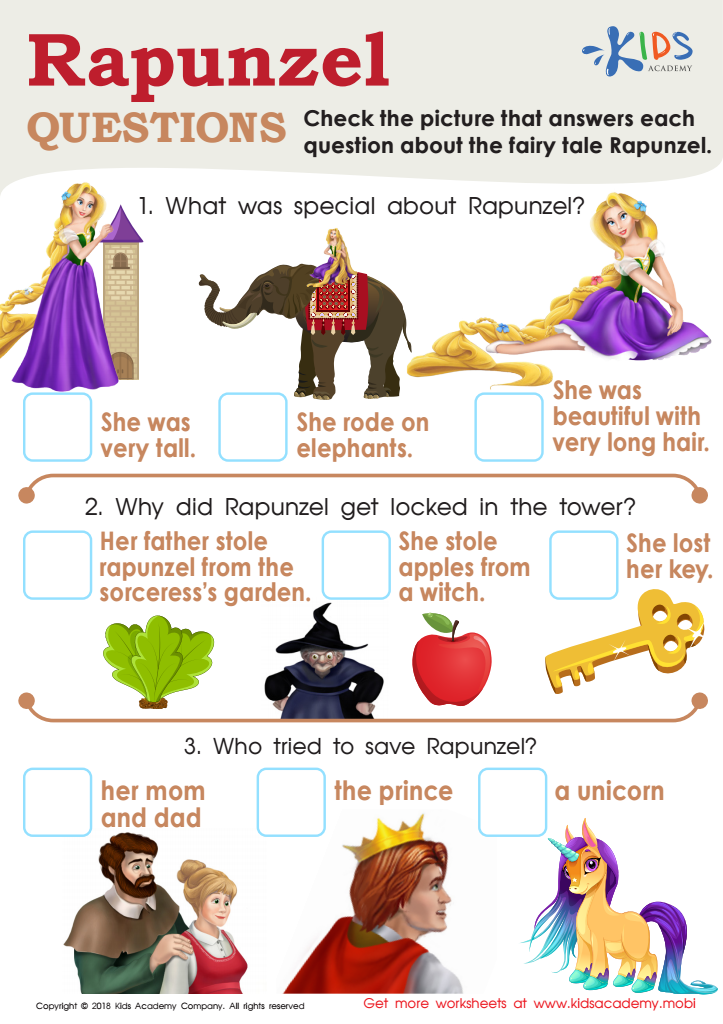
Rapunzel Questions Worksheet
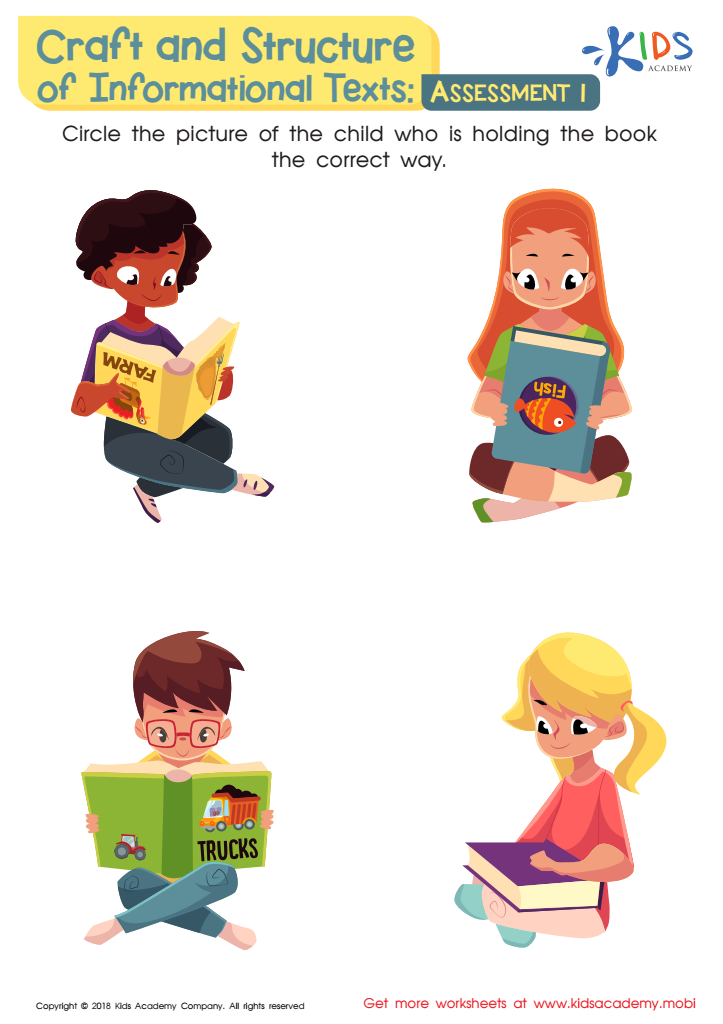
Craft and Structure of Informational Texts: Assessment 1 Worksheet
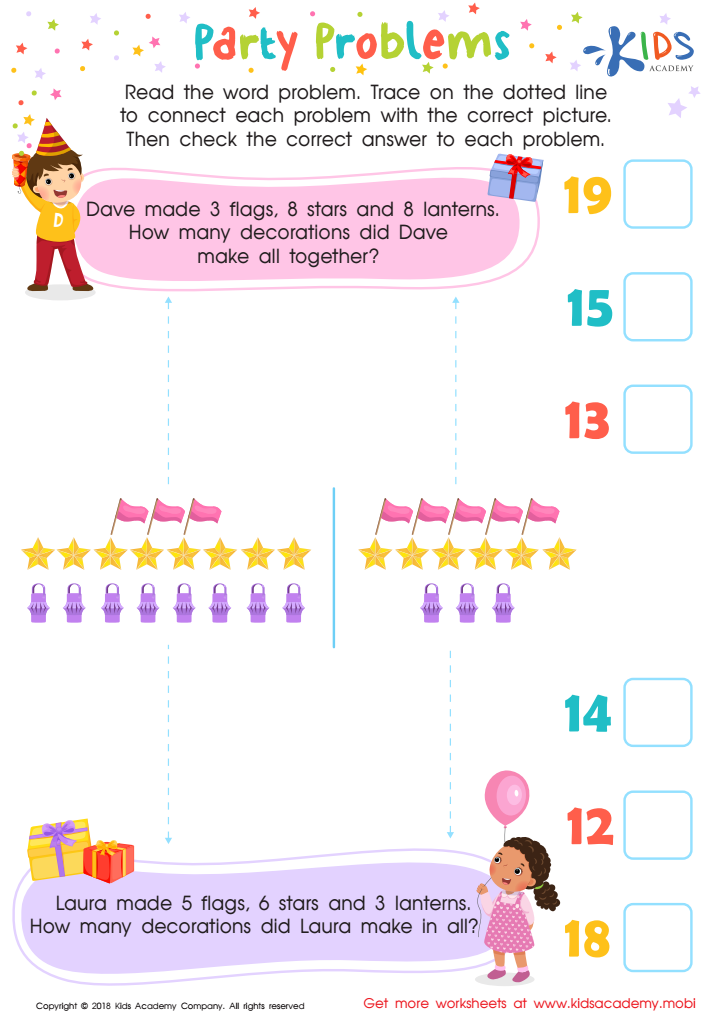
Party Problems Worksheet
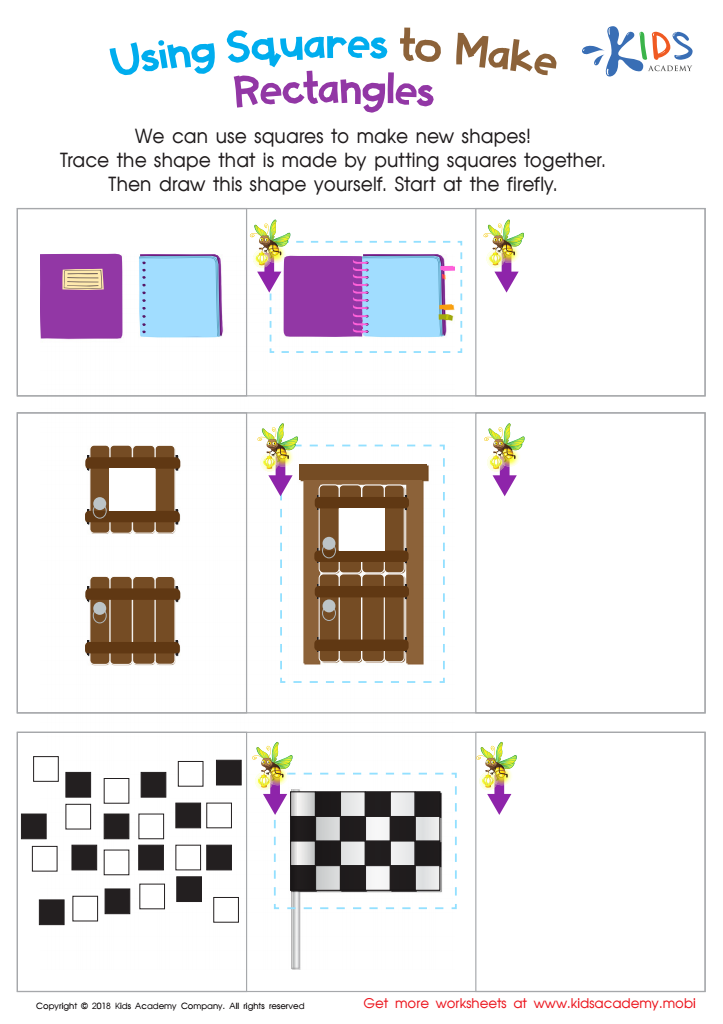
Using Squares to Make Rectangles Worksheet
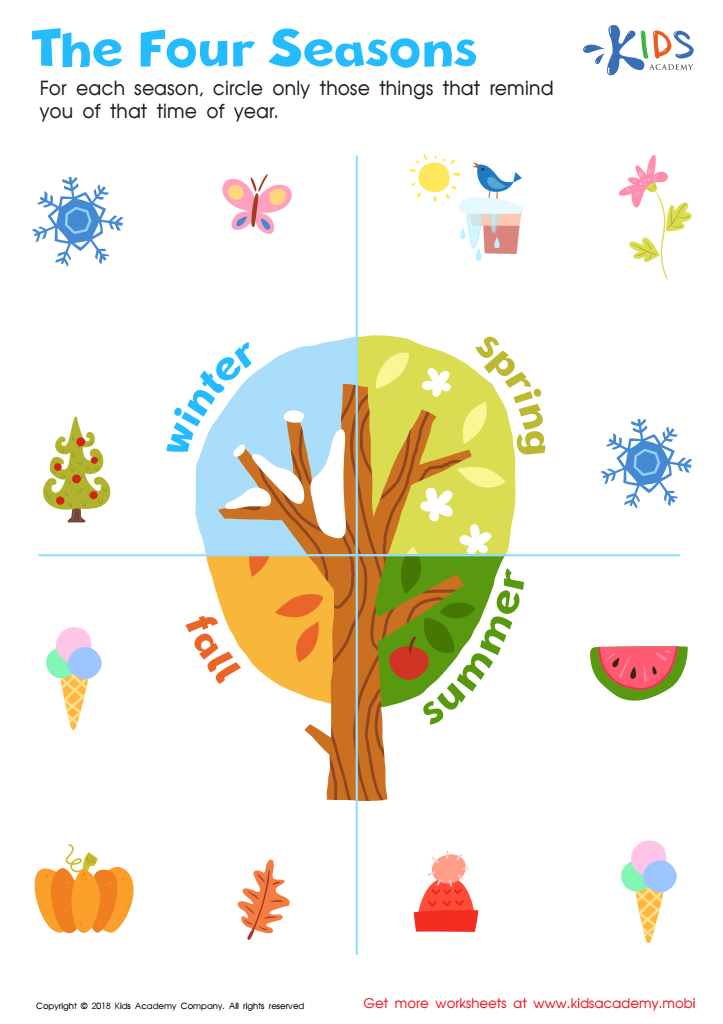
The Four Seasons Worksheet
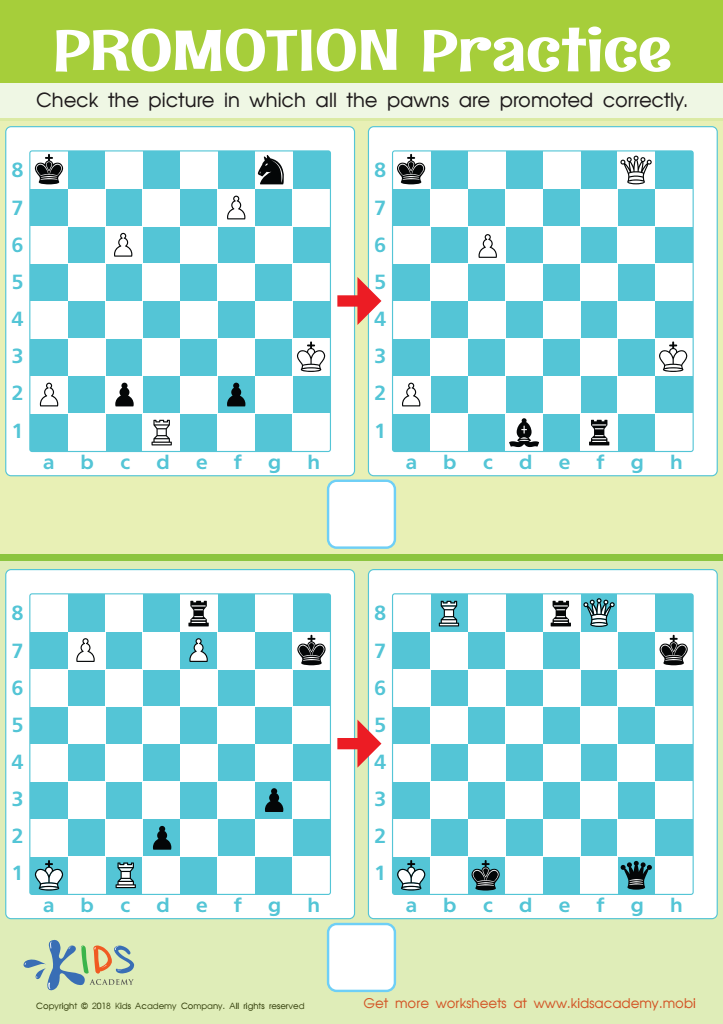
Promotion Practice Worksheet
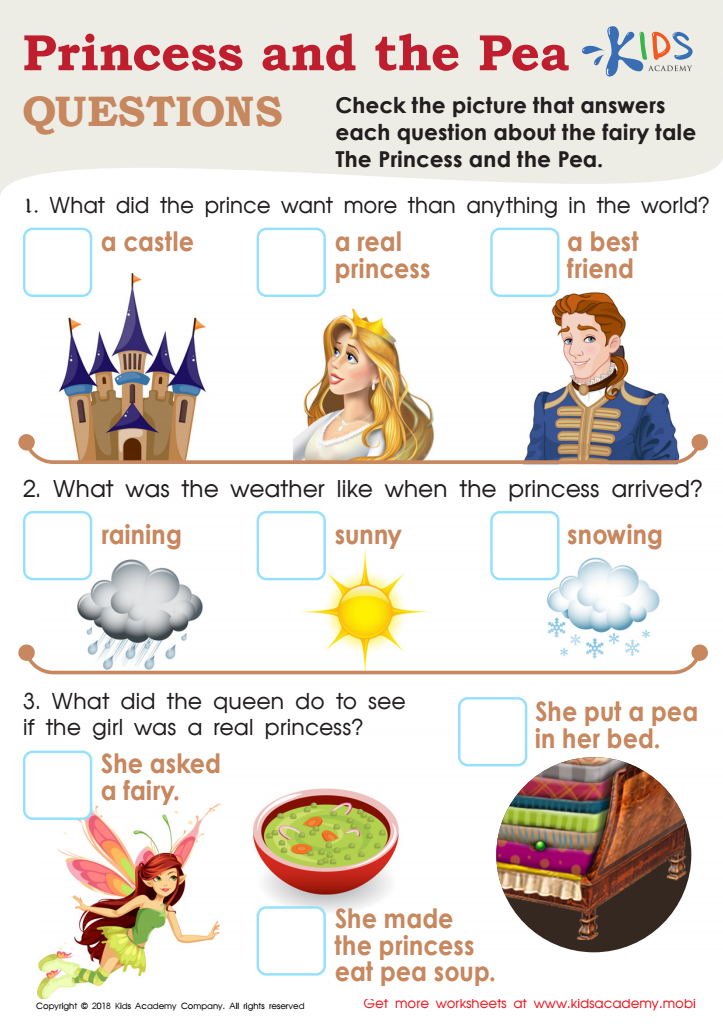
Princess and the Pea Questions Worksheet







Critical thinking is a crucial skill that lays the foundation for lifelong learning and problem-solving. For children ages 3-4, this developmental stage is pivotal as their brains are exceptionally receptive to new information and skills. Introducing critical thinking at this age helps children learn to observe their environment, make decisions, and understand cause and effect.
Parents and teachers play essential roles in nurturing these skills through age-appropriate activities and interactions. For instance, when adults encourage children to ask questions, make choices, and explore different solutions to simple problems, they are fostering critical thinking. These skills not only help with immediate learning, such as understanding stories or engaging in creative play but also set the stage for academic success in areas like mathematics and science.
Critically analyzing their world helps children become more curious and motivated learners, boosting their confidence. Careful nurturing of these skills helps kids develop resilience in the face of challenges. As they grow older, they can apply critical thinking to more complex issues, contributing to thoughtful, informed decision-making in school and in life. Therefore, caring about critical thinking skills at ages 3-4 is an investment in the child's future capability to navigate an increasingly complex world.








