Identification skills Normal Worksheets for Ages 3-4
5 filtered results
-
From - To
Unlock your child's potential with our "Identification Skills Worksheets for Ages 3-4." Perfectly designed for early learners, these engaging activities help young minds develop critical skills as they recognize shapes, colors, animals, and objects in their environment. Our fun and interactive worksheets encourage cognitive growth, enhance vocabulary, and boost visual comprehension. With vibrant illustrations and easy-to-follow instructions, children can enjoy hours of learning while honing their identification abilities. Ideal for parents and educators, these worksheets make learning both educational and enjoyable. Start your child's journey to mastering identification skills today with our thoughtfully crafted resources!
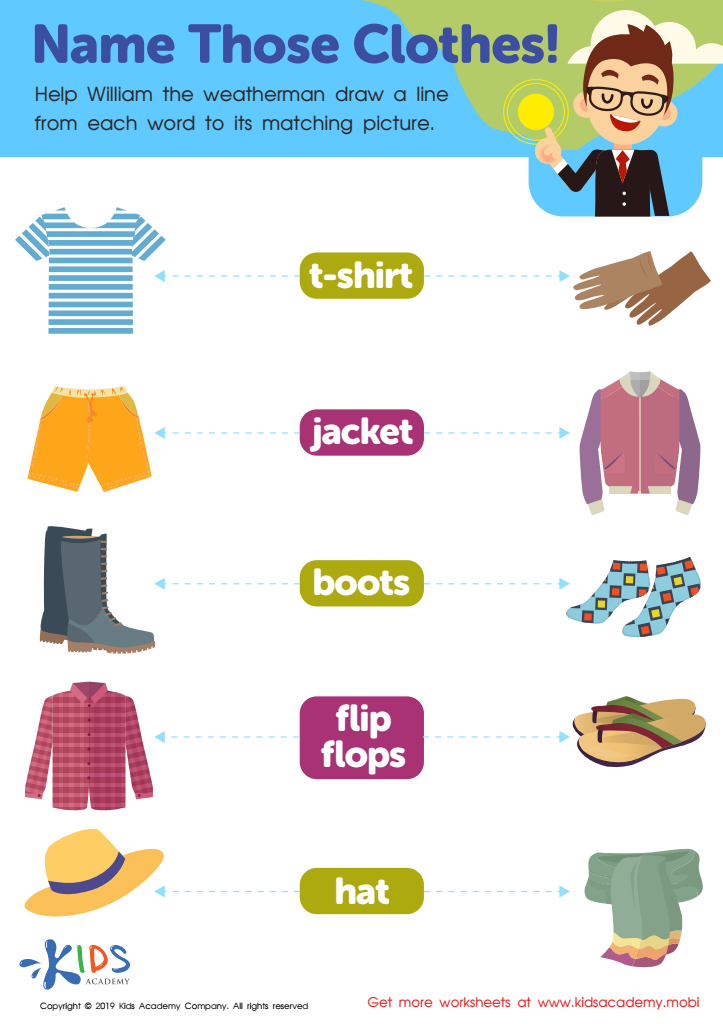
Name Those Clothes Worksheet
 Assign to My Students
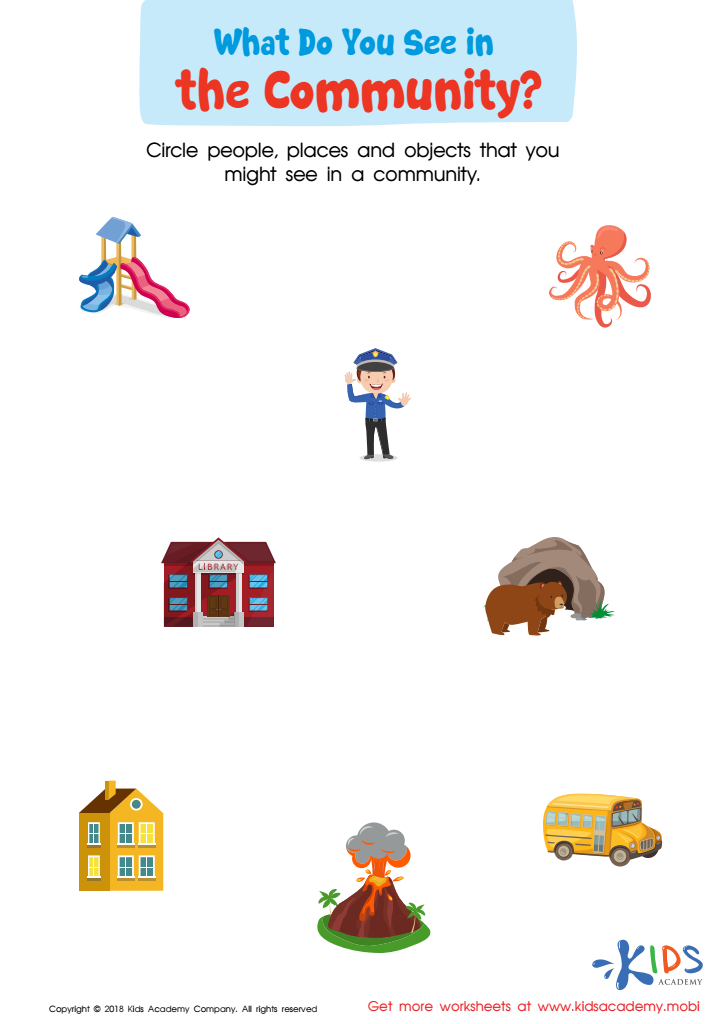
What Do You See in the Community Worksheet
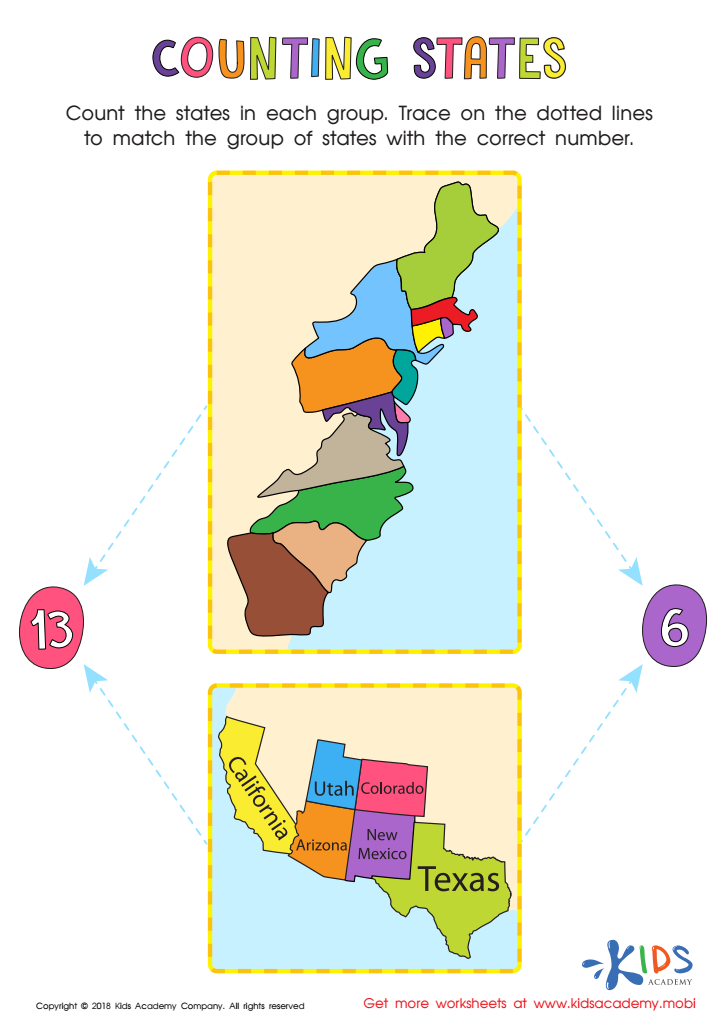
Counting States Worksheet
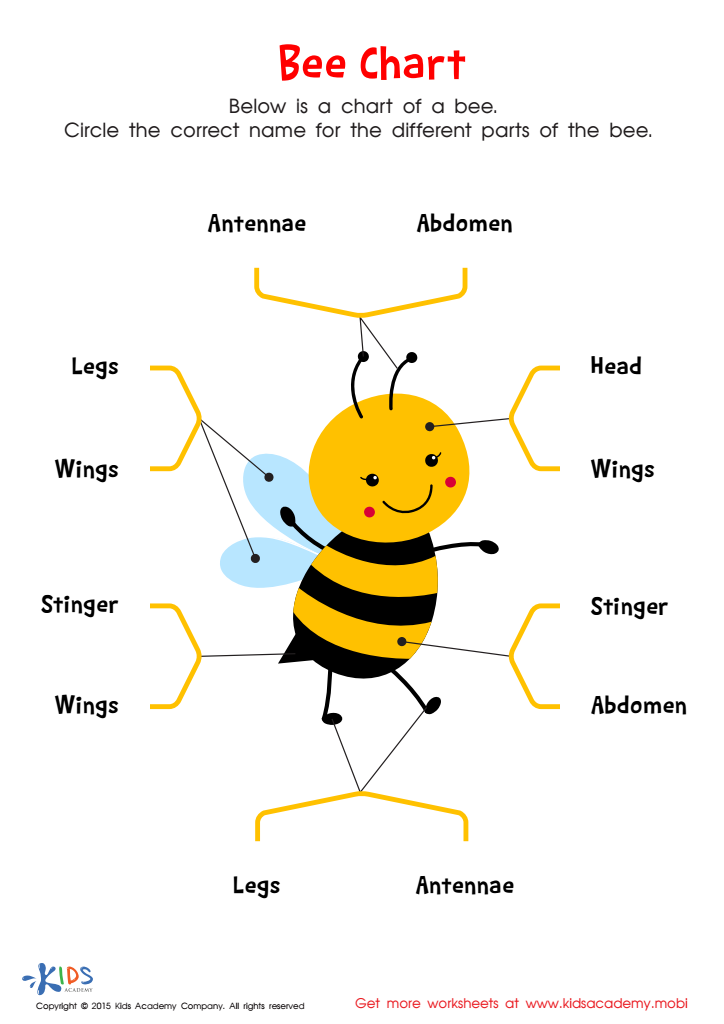
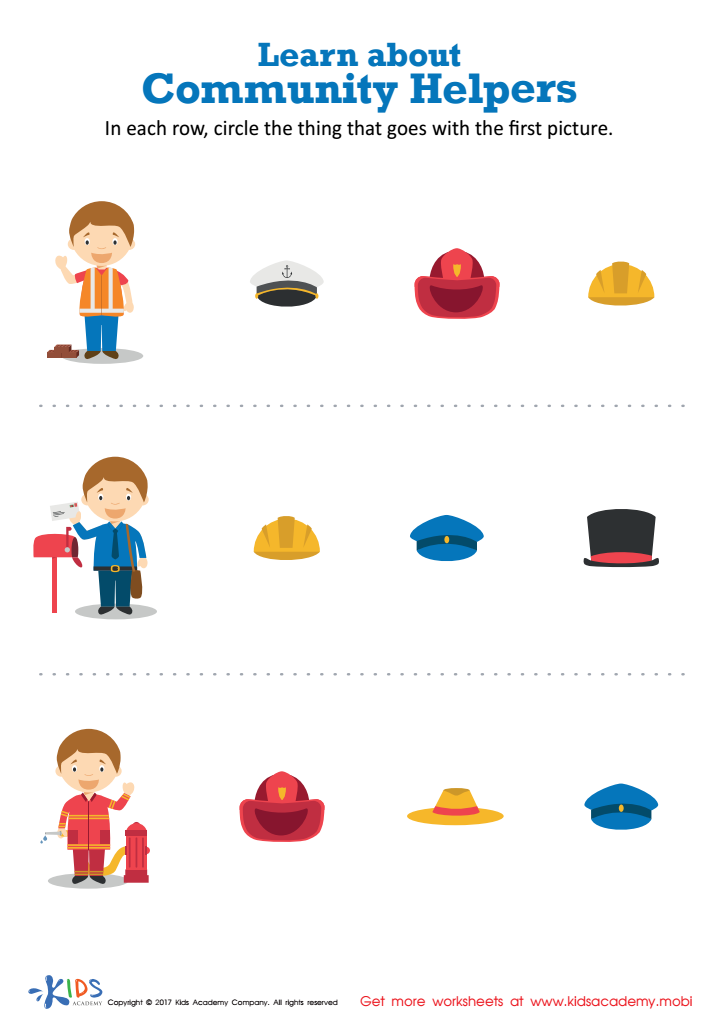
Learn about Community Helpers Printable



.jpg)




Identification skills are crucial for children aged 3-4 as they form the foundation for lifelong learning. During this critical developmental period, children begin to recognize and categorize objects, letters, numbers, colors, and shapes. When parents and teachers actively promote these skills, they support cognitive development and enhance communication abilities.
Mastering identification helps children build vocabulary and improves their ability to express thoughts, feelings, and needs. This contributes to their social skills, as they can engage more meaningfully with peers and adults. Additionally, strong identification skills prepare children for future academic success. Mastery of basic concepts is essential for reading and math proficiency, fostering a smoother transition into more structured learning environments.
Moreover, paying attention to these skills allows parents and teachers to identify any potential learning challenges early, ensuring timely intervention and support. Supporting identification skills means fostering curiosity, encouraging exploration, and nurturing a love for learning. Ultimately, by recognizing the importance of these foundational skills, parents and teachers lay the groundwork for a child’s confidence, self-esteem, and educational trajectory, making it essential for comprehensive childhood development.








