Logical reasoning skills Normal Worksheets for Ages 3-4
3 filtered results
-
From - To
Introduce your little ones to the world of logical thinking with our "Logical Reasoning Skills Normal Worksheets" designed for ages 3-4. Our expertly crafted worksheets are packed with fun, engaging activities tailored to develop young minds through pattern recognition, sequencing, and problem-solving exercises. These hands-on tasks not only ignite curiosity but also build a solid foundation in critical thinking. Ideal for preschool learners, our worksheets ensure your child enjoys while learning essential skills. Equip your child with the tools to thrive intellectually by integrating these thoughtfully designed exercises into their daily learning routine.
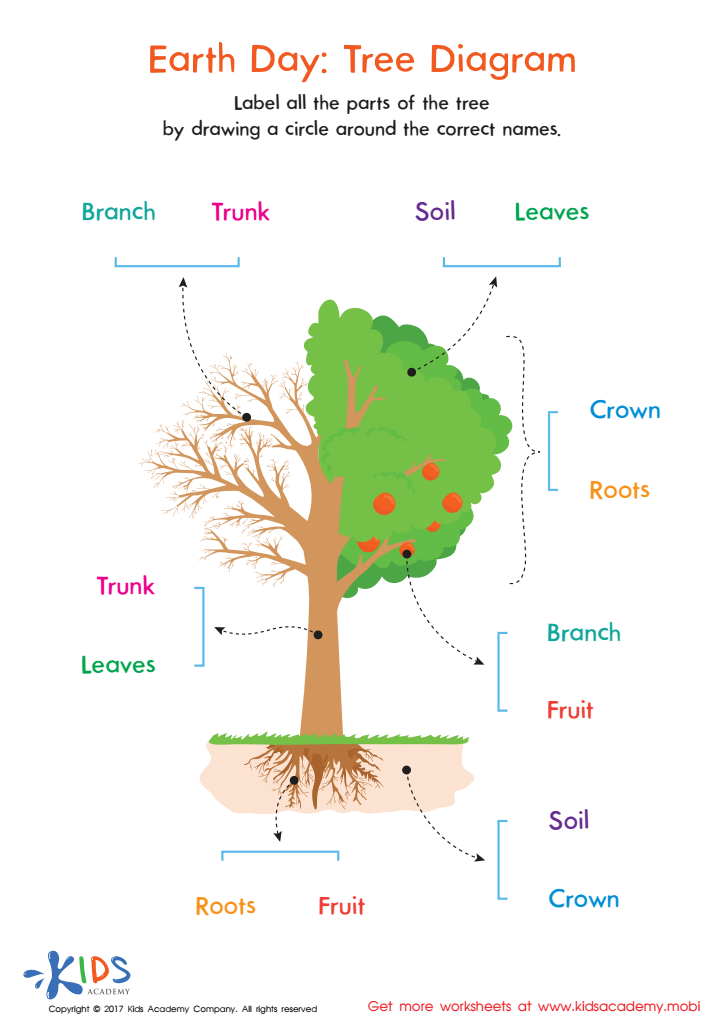
Earth Day: Tree Diagram Worksheet
 Assign to My Students
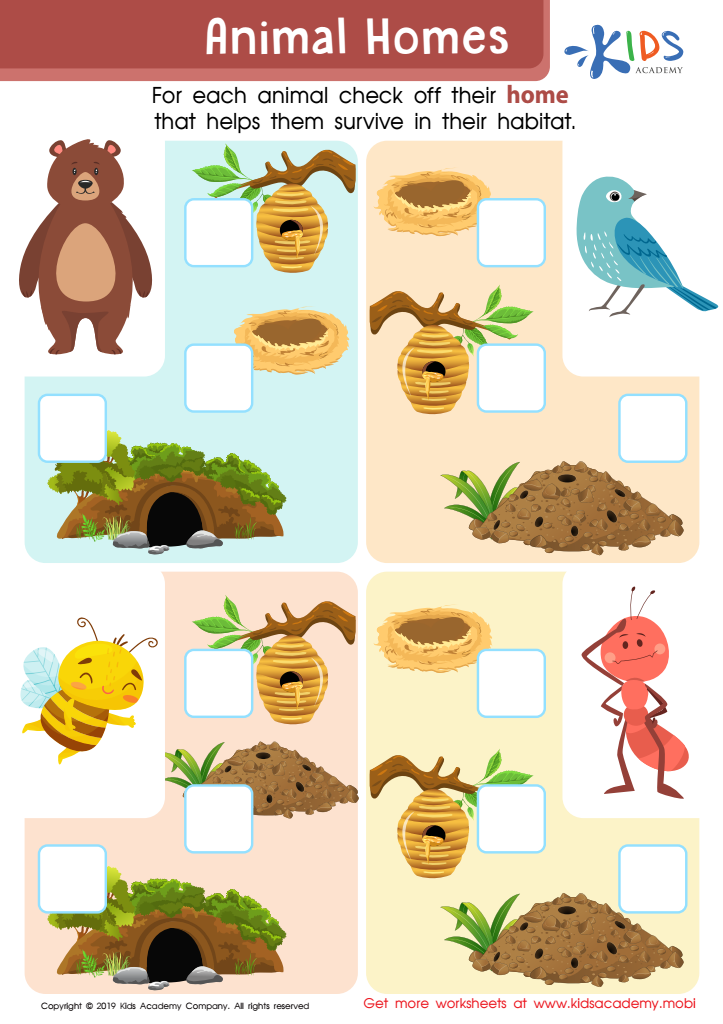
Animal Homes Worksheet
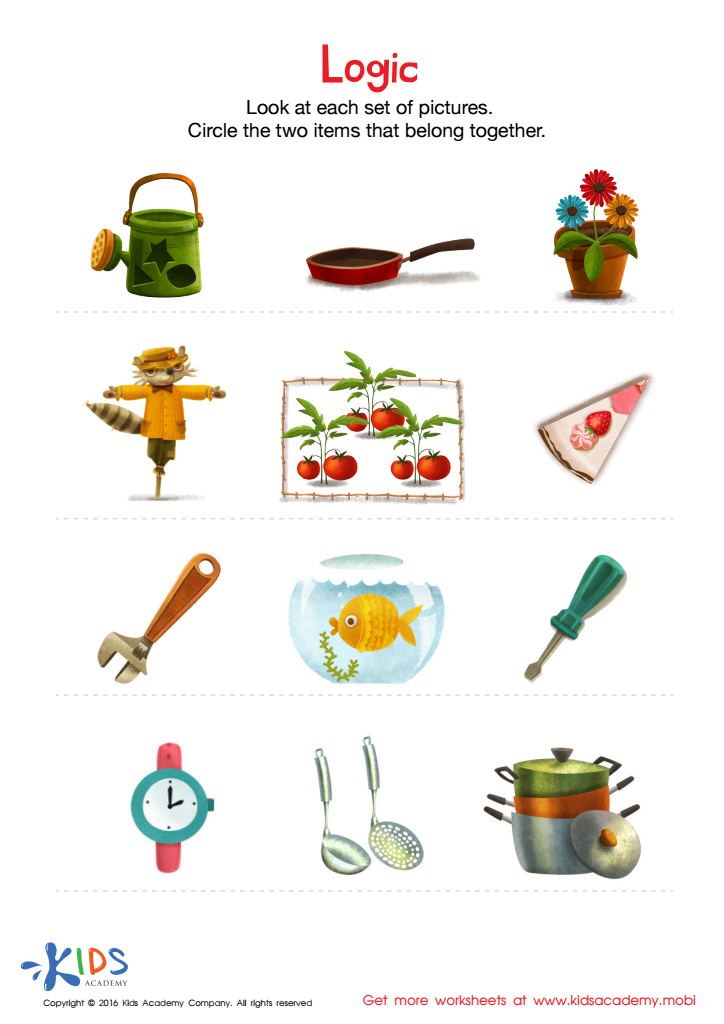
Logic Game Sorting Worksheet






.jpg)

Logical reasoning skills are crucial for young children, even at the tender ages of 3 and 4. These skills form the building blocks of critical thinking, problem-solving, and decision-making, which are essential for lifelong learning and everyday functioning.
For parents and teachers, nurturing logical reasoning skills in early childhood can lead to significant benefits. Firstly, it boosts cognitive development by enhancing a child's ability to recognize patterns, understand relationships, and make connections between different pieces of information. For instance, when children sort toys by color or fit shapes into matching holes, they exercise logical thinking.
Secondly, strong logical reasoning skills can improve language development. Children learn to follow and give precise instructions, predict outcomes, and explain their thought processes, thus enriching their vocabulary and communication abilities. Moreover, engaging in logical reasoning activities fosters important social skills. Collaborative problem-solving with peers teaches sharing, taking turns, and respecting others' viewpoints.
Lastly, early development of these skills sets a firm foundation for academic success, particularly in subjects like mathematics and science. Early exposure to reasoning tasks encourages persistence, creativity, and adaptability in learning environments.
In summary, by valuing and supporting logical reasoning, parents and teachers can significantly enhance a child's cognitive, linguistic, social, and academic prospects, paving the way for a well-rounded and thoughtful individual.








