Real-life application Normal Worksheets for Ages 3-4
3 filtered results
-
From - To
Introduce your little ones to the practical world with our Real-life Application Normal Worksheets for Ages 3-4 from Kids Academy. Specially crafted to enhance cognitive development, these engaging worksheets bridge the gap between learning and everyday experiences. Each activity is designed to teach essential skills such as counting, sorting, and distinguishing shapes through fun, real-life concepts. Ideal for preschoolers, our resources not only promote academic readiness but also encourage independent thinking and problem-solving. Start your child's educational journey with practical, hands-on learning that ensures both educational growth and practical understanding. Free to download and print now!
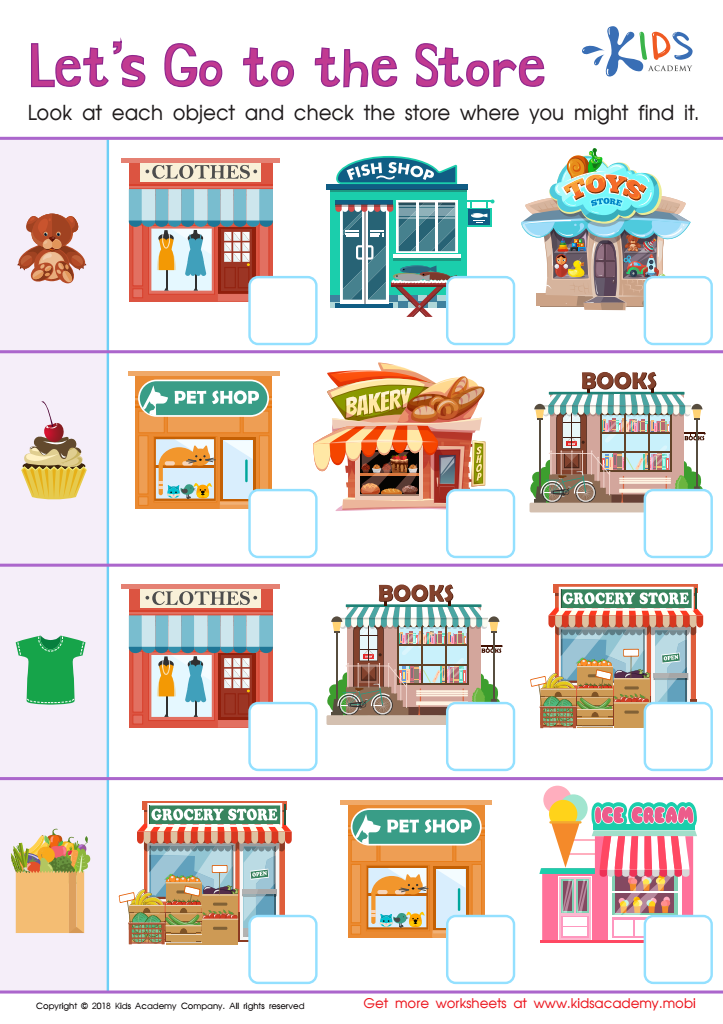
Let's Go to the Store! Worksheet
 Assign to My Students
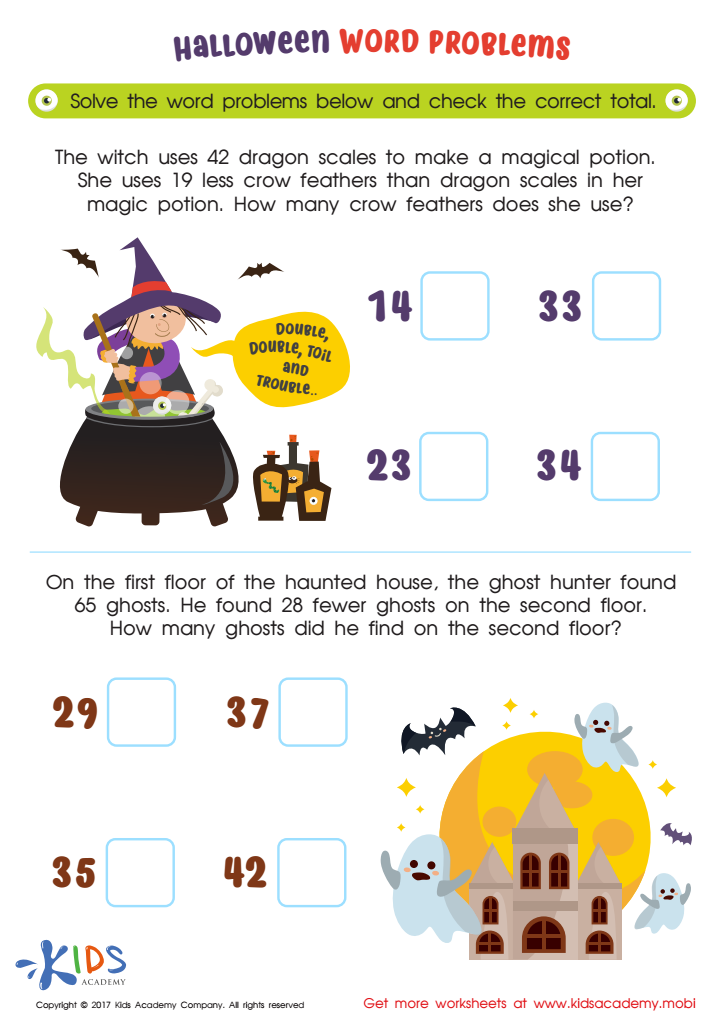
Halloween Word Problems Printable
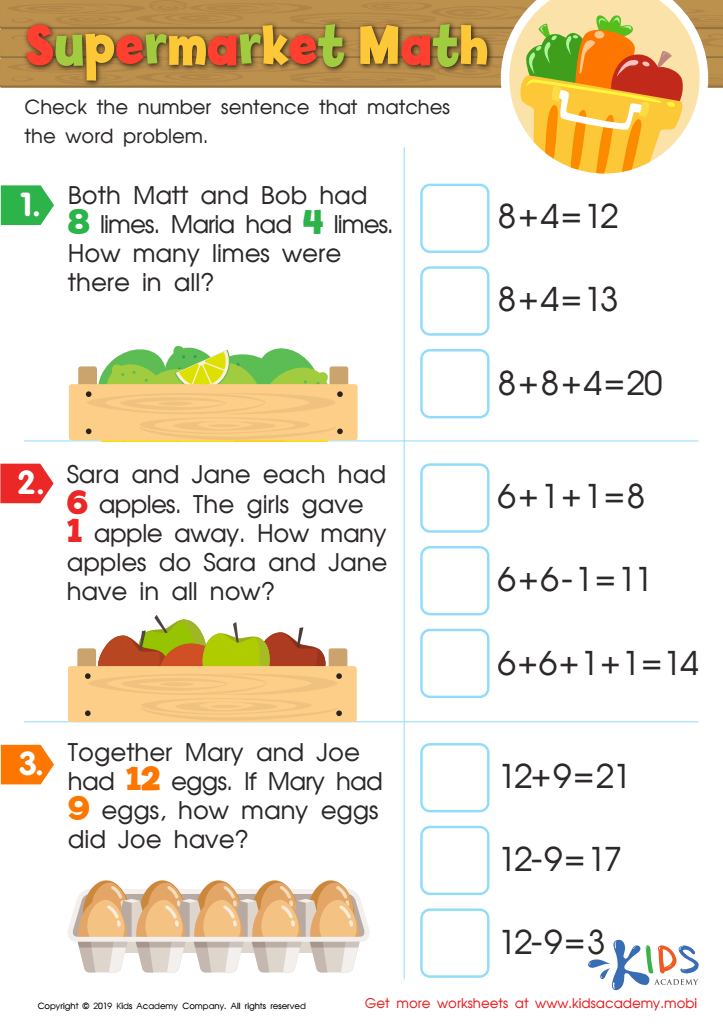
Supermarket Math Worksheet



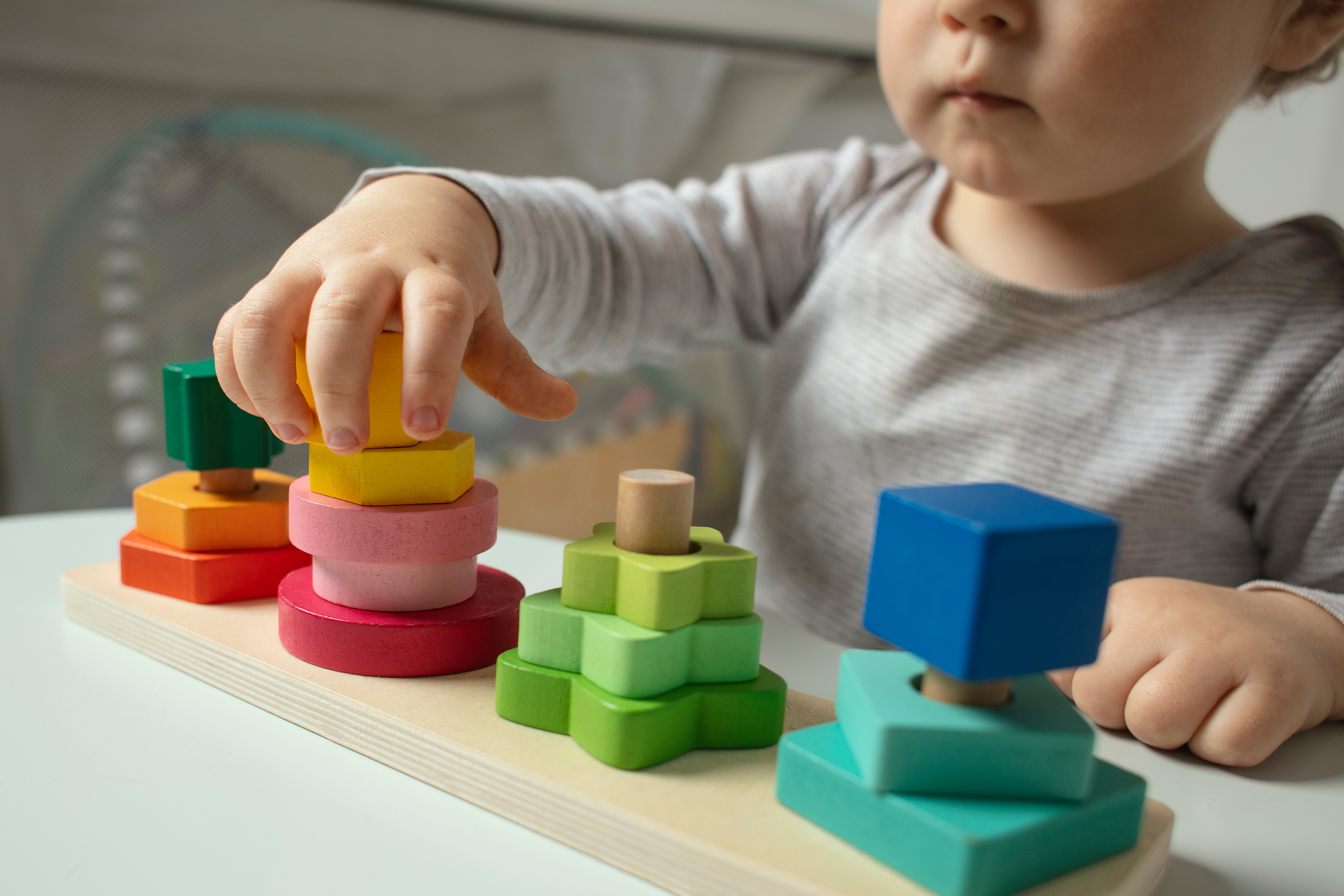




Parents and teachers should care about real-life application learning for ages 3-4 because it helps young children make meaningful connections between what they learn and their everyday experiences. At this formative age, children are naturally curious and eager to explore the world around them. Engaging them in real-life applications of skills and concepts fosters deeper understanding and retention, making learning more relevant and exciting.
Real-life application helps in developing essential life skills such as problem-solving, critical thinking, and decision-making. For example, involving children in simple cooking activities teaches basic math concepts like counting and measuring, as well as science concepts related to mixing ingredients and observing changes. Furthermore, these interactions enhance their fine motor skills and practical life competence.
Additionally, real-life applications strengthen a child's social and emotional development. Activities that involve working together or following instructions foster collaboration, patience, and self-control. Simple tasks like setting the table can help children learn responsibility and the importance of contributing to their family or classroom community.
Incorporating real-life applications supports holistic development by integrating cognitive, physical, emotional, and social growth. When children see the relevance of what they are learning to their immediate world, they become more engaged and motivated, laying a strong foundation for lifelong learning.








