Sound recognition Normal Worksheets for Ages 3-4
5 filtered results
-
From - To
Introduce your little learners to the world of sound recognition with our engaging Normal Worksheets designed specifically for ages 3-4. These thoughtfully crafted activities help preschoolers develop their listening skills and phonemic awareness through fun and interactive exercises. Each worksheet features vibrant illustrations that capture children's attention while encouraging them to identify and match sounds with images. Perfect for classroom or home use, our sound recognition worksheets foster early literacy and language development, laying a strong foundation for future learning. Explore a variety of topics and bring excitement to your child's educational journey with our enjoyable and effective sound recognition resources!
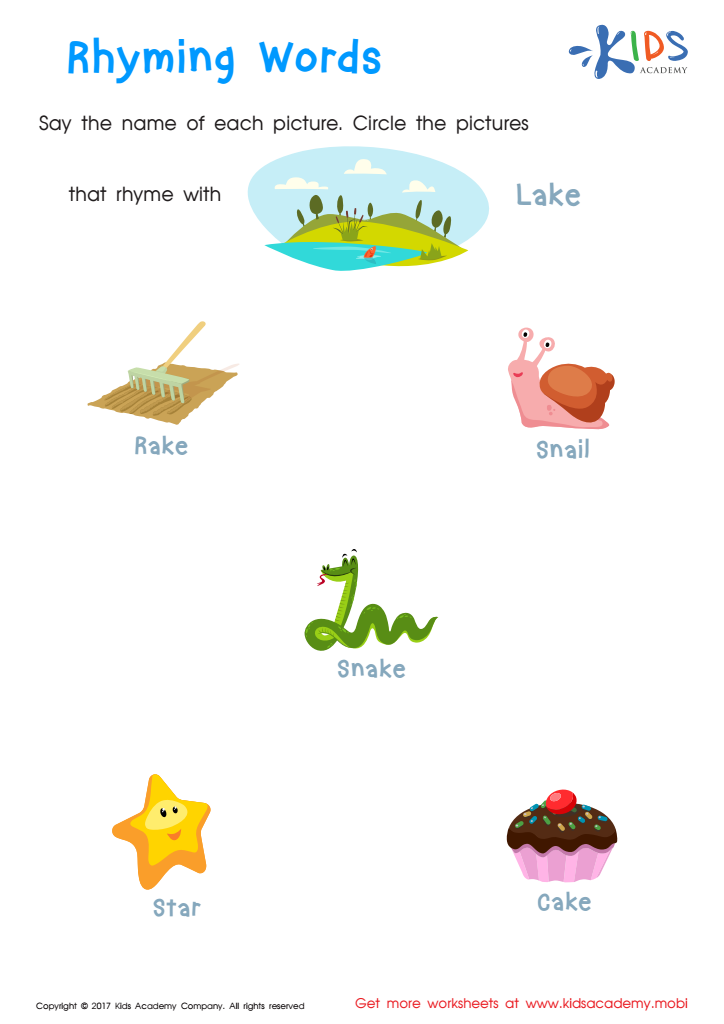
Rhyming Words Rhyming Worksheet
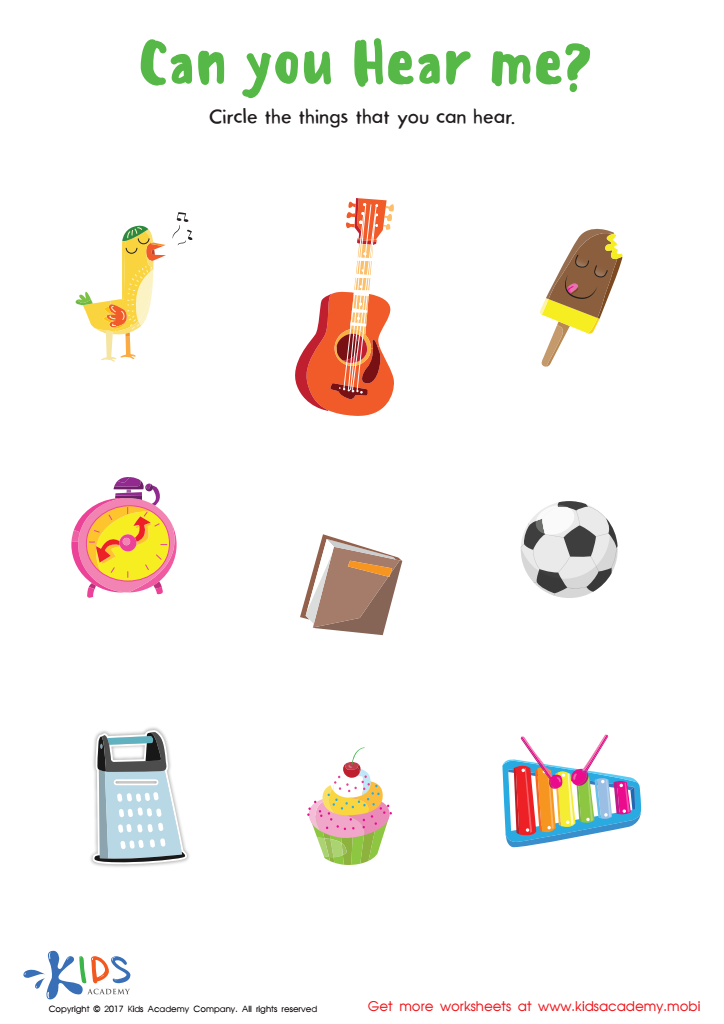
Can You Hear Me Worksheet

Long and Short U Worksheet
 Assign to My Students

First Words: Picture Rhymes Worksheet
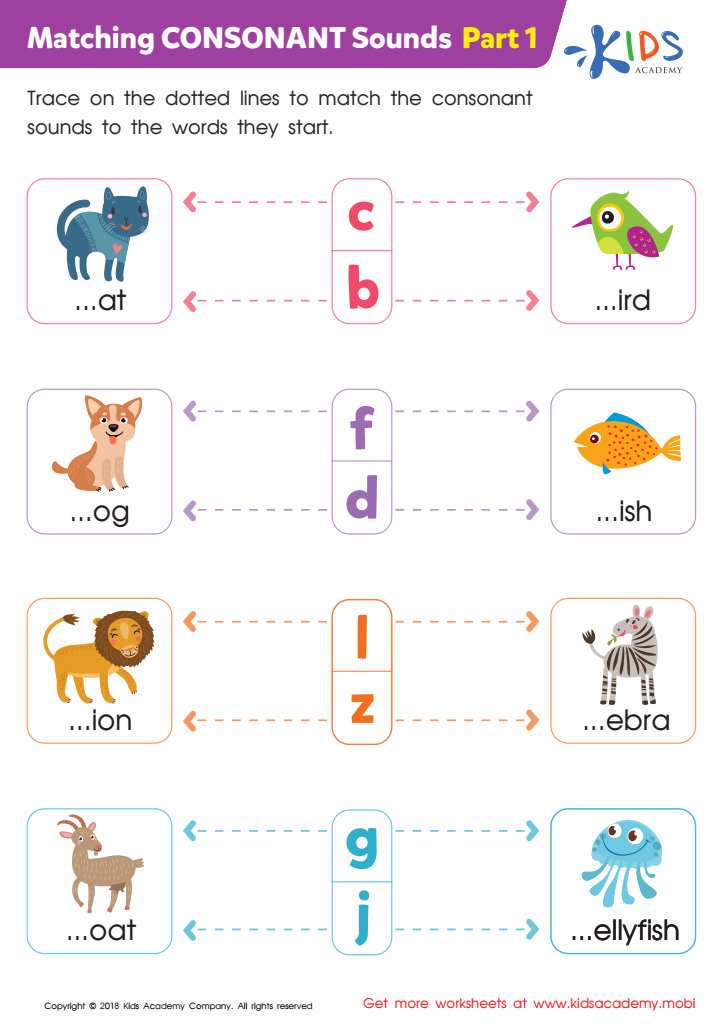
Matching Consonant Sounds: Part 1 Worksheet






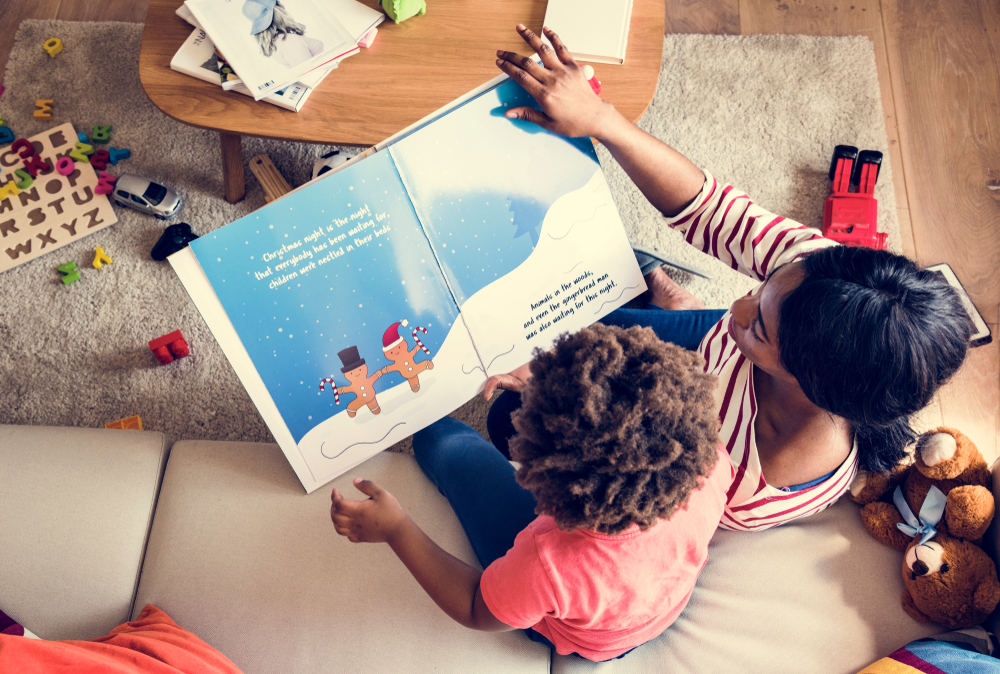

Sound recognition is a critical developmental skill for children aged 3-4, as it lays the foundation for language acquisition, literacy, and overall cognitive growth. During this stage, children begin to differentiate between various sounds, words, and rhythms, which aids their ability to communicate effectively. As parents and teachers nurture these skills, they are helping children develop phonemic awareness—the ability to hear and manipulate sounds in words—which is essential for reading proficiency later on.
Additionally, sound recognition contributes to improved listening skills and attention span. When children learn to identify sounds, they become more engaged in their surroundings and enhance their social interactions. This skill also supports emotional development, as recognizing and responding to vocal tones can help children understand and express feelings.
Furthermore, fostering sound recognition through playful activities—such as singing, rhymes, or sound games—can create a positive learning environment. It encourages creativity and enjoyment in learning, which are vital for motivating children. In sum, when parents and teachers prioritize sound recognition, they are equipping children with indispensable tools for language development and lifelong learning. Ultimately, investing in these early skills contributes to a child's success in school and beyond.








