Spelling improvement Normal Worksheets for Ages 3-4
6 filtered results
-
From - To
Discover our Spelling Improvement Normal Worksheets tailored specifically for children aged 3-4! Designed to enhance early literacy skills, these engaging worksheets combine colorful illustrations with simple activities that keep young learners excited about spelling. Each fun exercise promotes letter recognition, phonemic awareness, and word formation through playful methods. Ideal for parents and teachers alike, these resources are perfect for activity in the classroom or at home, supporting your child's journey toward becoming a confident reader and writer. Explore our printable options to ignite a love for learning while laying a strong foundation for future language skills!
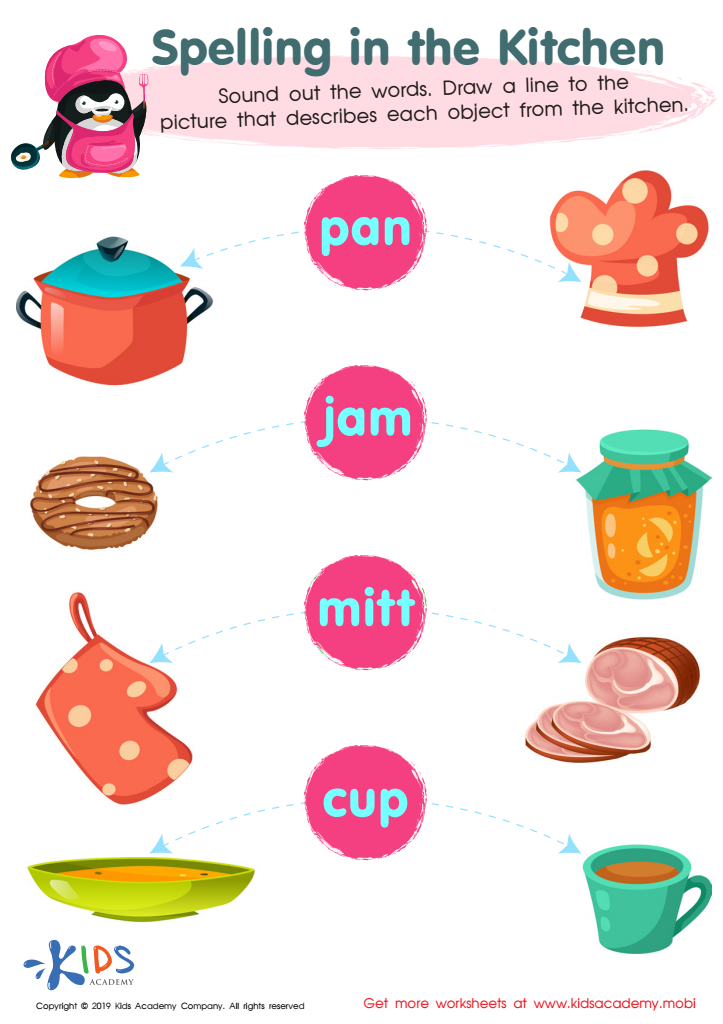
Spelling in the Kitchen Worksheet
 Assign to My Students
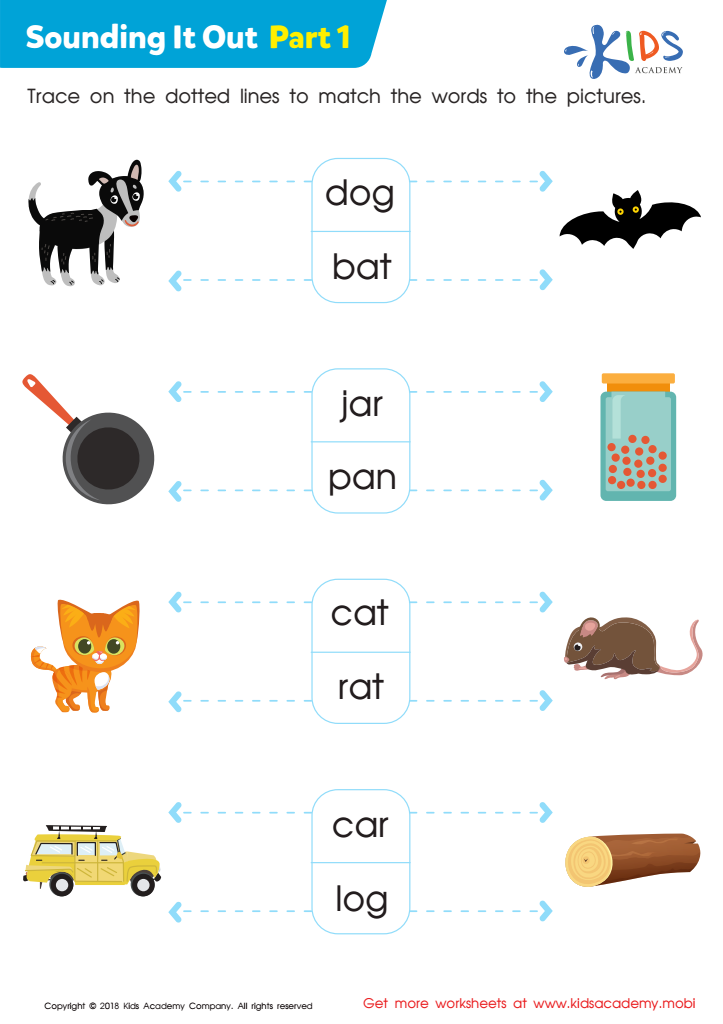
Sounding it Out: Part 1 Worksheet
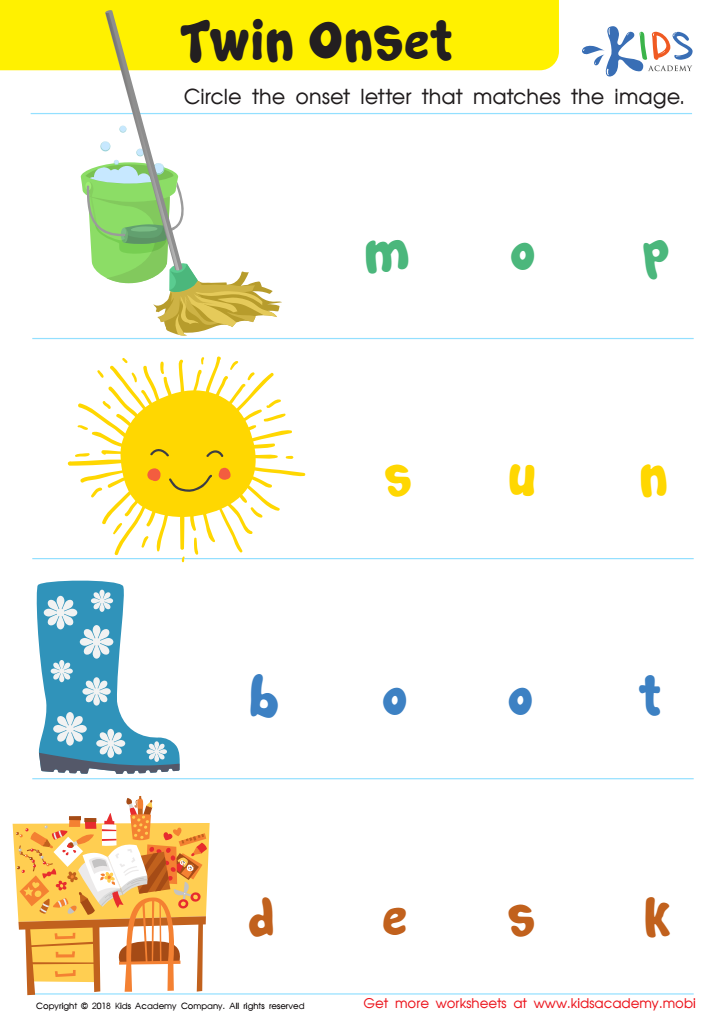
Twin Onset Worksheet
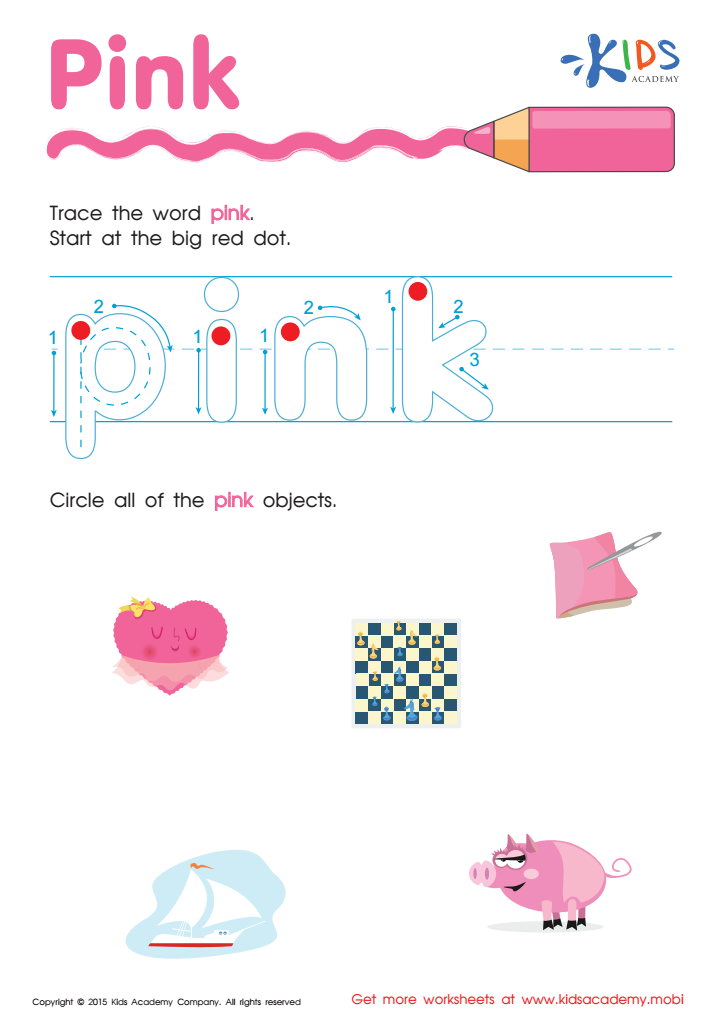
Pink Tracing Color Words Worksheet
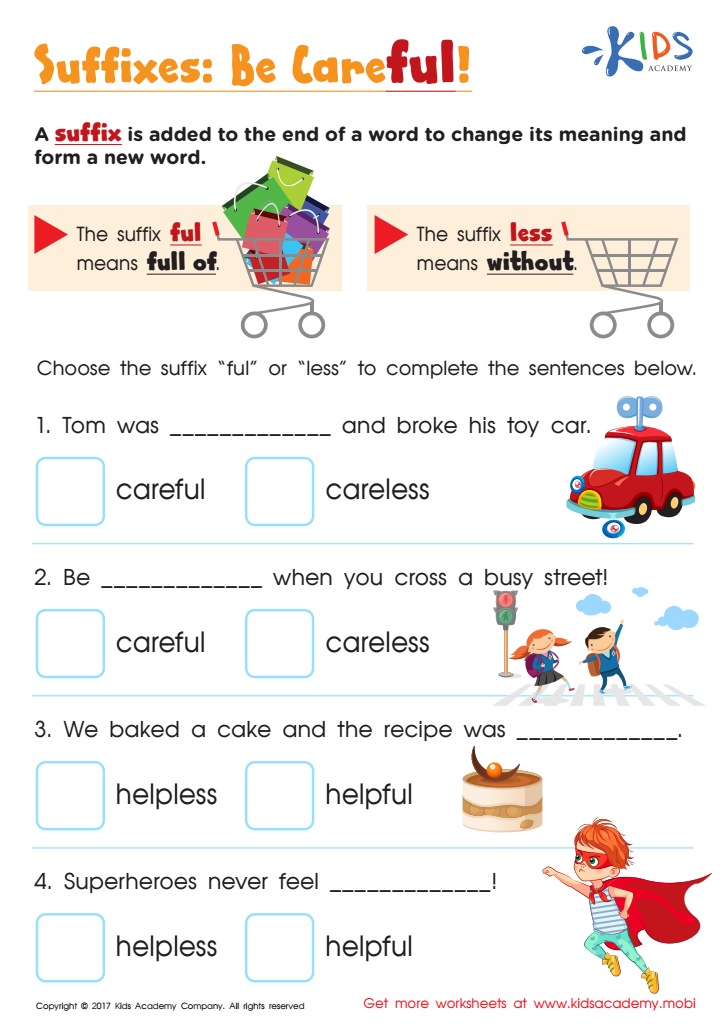
Suffixes Ful and Less Worksheet
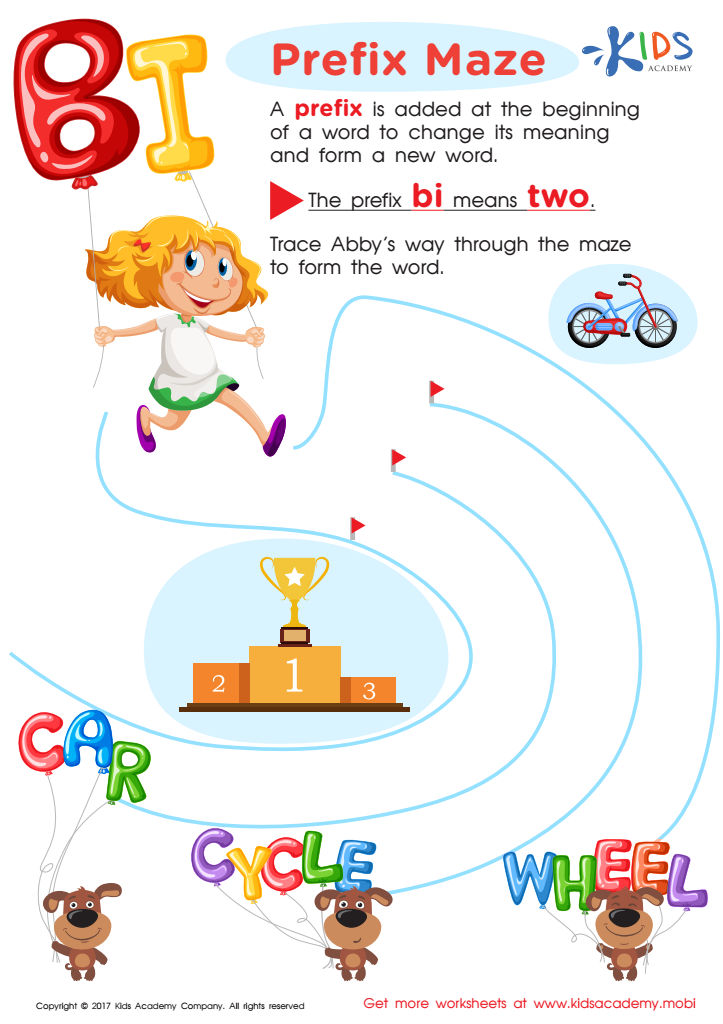
Prefix Bi Words Worksheet







Spelling improvement in children aged 3-4 is crucial for several reasons. At this tender age, children are developing fundamental language skills, and early successes in literacy can foster a lifelong love for reading and writing. By focusing on spelling, parents and teachers can support phonemic awareness—the ability to hear, identify, and manipulate phonemes—which is essential for early reading and writing development.
Furthermore, learning to spell simple words enhances a child's vocabulary, allowing them to express themselves more clearly and effectively. Engaging in fun spelling activities can make learning enjoyable, promoting a positive attitude toward education and literacy. This is particularly important because children who develop strong language skills early on are more likely to perform well academically as they progress through school.
Early spelling improvement also helps build self-esteem and confidence. When children can read and write simple words, they feel a sense of accomplishment that can motivate them to tackle more complex language tasks in the future. In essence, investing time in spelling at the age of 3-4 lays a strong foundation for a child's overall educational journey and social development, making it a vital focus for parents and educators alike.








