Understanding patterns Normal Worksheets for Ages 3-4
3 filtered results
-
From - To
Unlock your child's potential with our "Understanding Patterns" worksheets for ages 3-4! Designed to develop early mathematical skills, these engaging activities help kids recognize and create patterns through fun, hands-on exercises. From simple shapes and colors to more complex sequences, our worksheets provide a solid foundation for problem-solving and critical thinking. Perfect for home or classroom use, these printable resources make learning enjoyable and interactive. Build confidence and enhance cognitive abilities by making it easy for young learners to grasp essential concepts. Start their educational journey today with our expertly crafted worksheets!
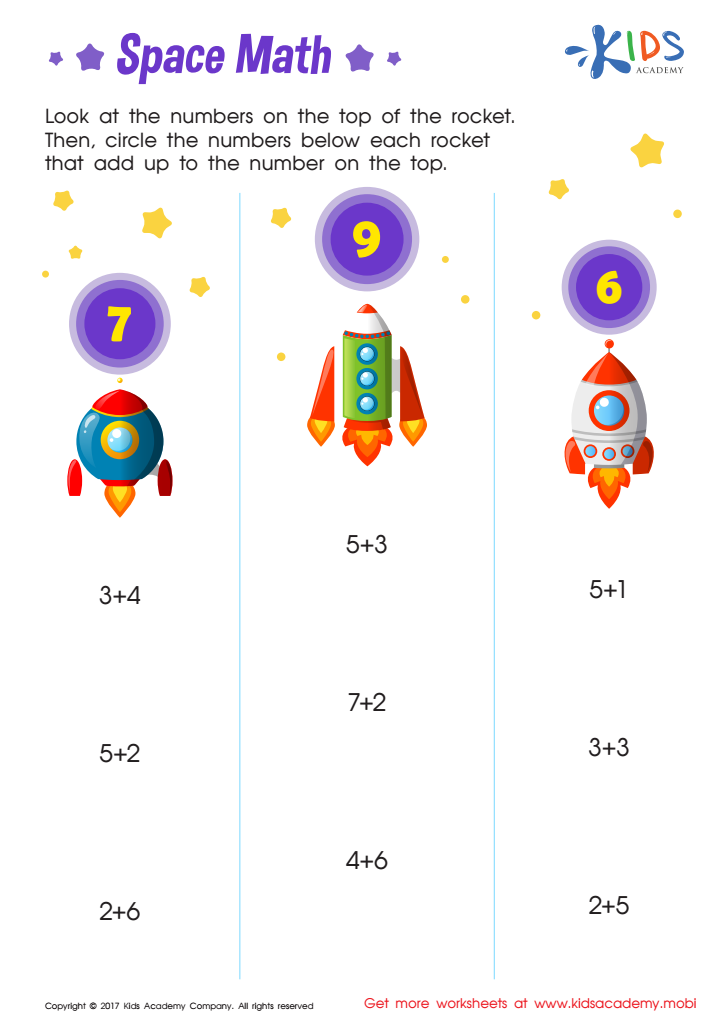
Addition: Space Math Worksheet
 Assign to My Students
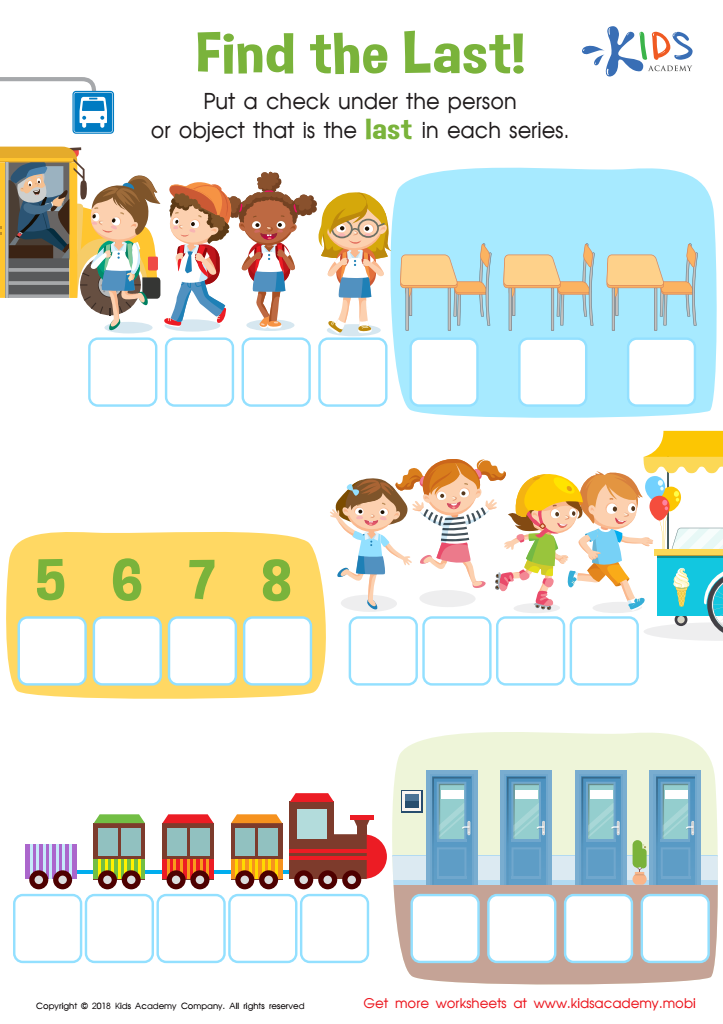
Find the Last! Worksheet
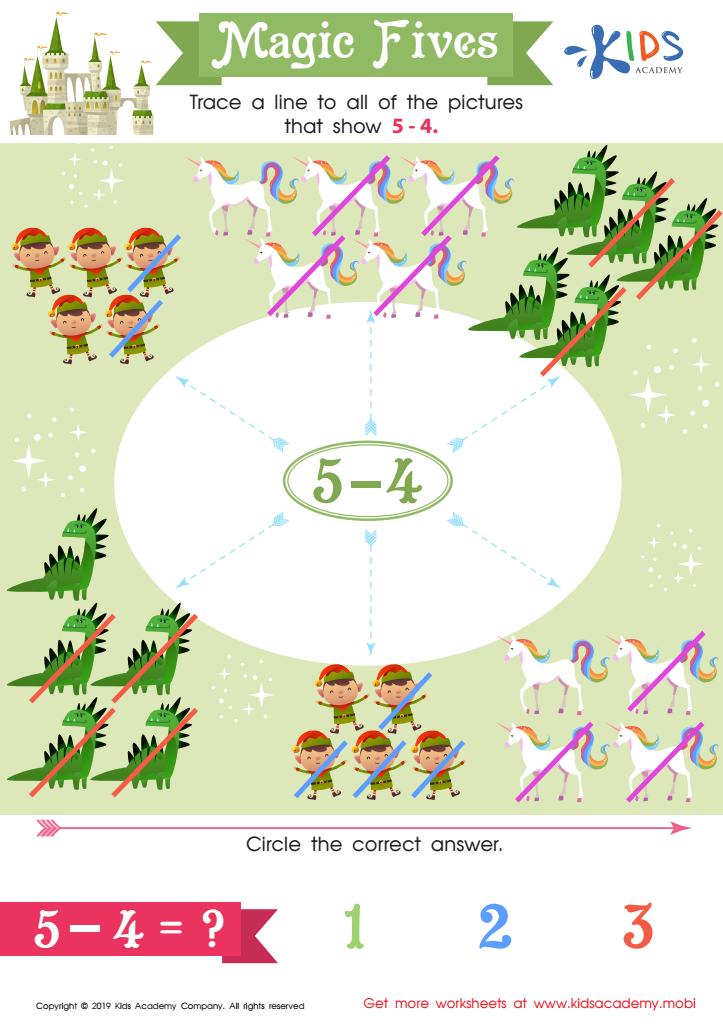
Magic Fives Worksheet








Understanding patterns is crucial for young children's cognitive development, and parents and teachers should deeply care about nurturing this skill in ages 3-4. At this early stage, recognizing and creating patterns help build a foundation for higher-order thinking and math skills. Patterns teach children to observe relationships and sequences, which are fundamental for understanding numbers, operations, and even early reading skills.
Moreover, engaging with patterns helps improve memory and attention. Activities like sorting objects by color or shape and arranging items in a specific sequence enhance children's ability to focus and process information. This early practice in noticing and predicting patterns also supports problem-solving abilities, as children learn to anticipate what comes next and understand the concept of consistency.
When educators and parents introduce patterns through play, singing, and interactive activities, they make learning engaging and enjoyable. Simple games like clapping rhythms, lining up toys, or using pattern blocks turn abstract concepts into tangible, hands-on experiences. These activities are not just educational; they also offer opportunities for positive interactions, fostering emotional and social growth.
In essence, by emphasizing pattern recognition, parents and teachers equip children with essential skills that go beyond academics. This early attention to patterns cultivates curiosity, analytical thinking, and a love for learning that will benefit children throughout their educational journey and life.








