Mathematical reasoning Normal Addition & Subtraction Worksheets for Ages 3-4
6 filtered results
-
From - To
Discover our engaging "Mathematical Reasoning Normal Addition & Subtraction Worksheets" designed specifically for ages 3-4. These beautifully illustrated worksheets make learning fun and effective, helping young learners develop essential addition and subtraction skills. Boost your child's mathematical reasoning through playful activities that encourage logical thinking and problem-solving. Perfect for preschoolers and early learners, our meticulously crafted worksheets support foundational math skills, preparing your child for future success. Join Kids Academy today and unlock a world of joyful and educational experiences that will make your child's introduction to math both thrilling and rewarding.
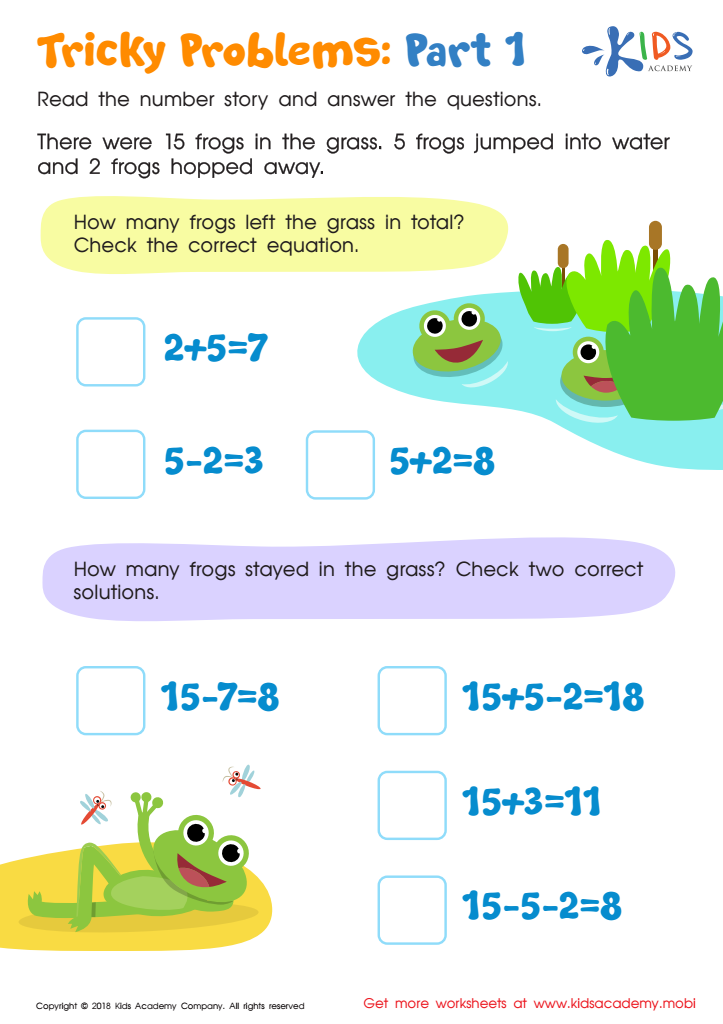
Tricky Problems Worksheet: Part 1
 Assign to My Students
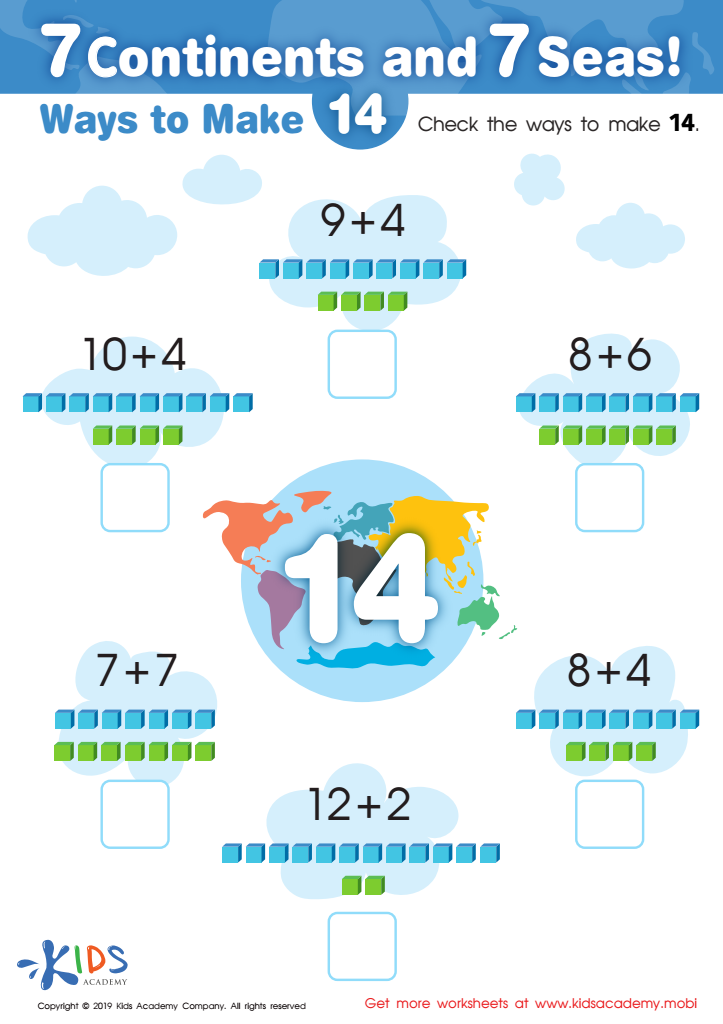
7 Continents and 7 Seas Worksheet
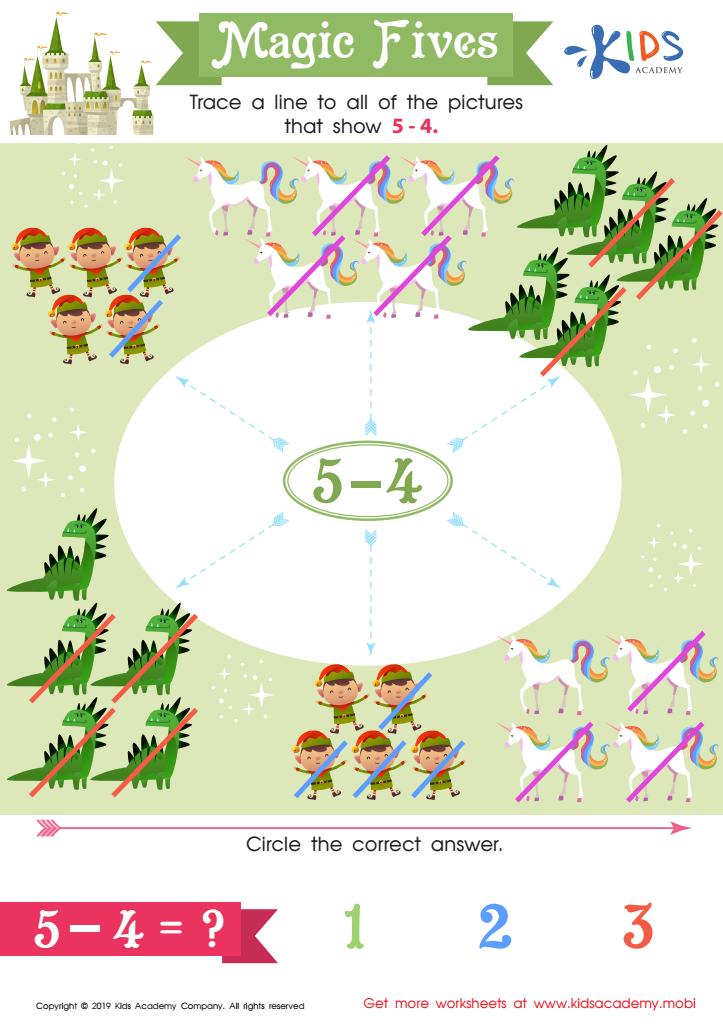
Magic Fives Worksheet
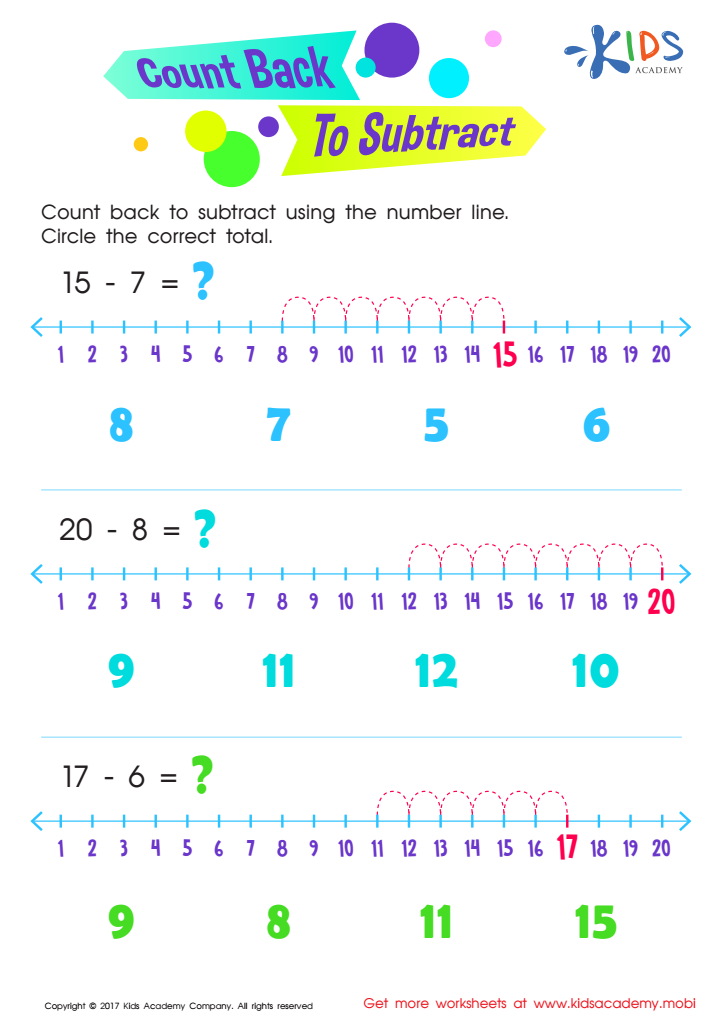
Count Back to Subtract Substraction Worksheet
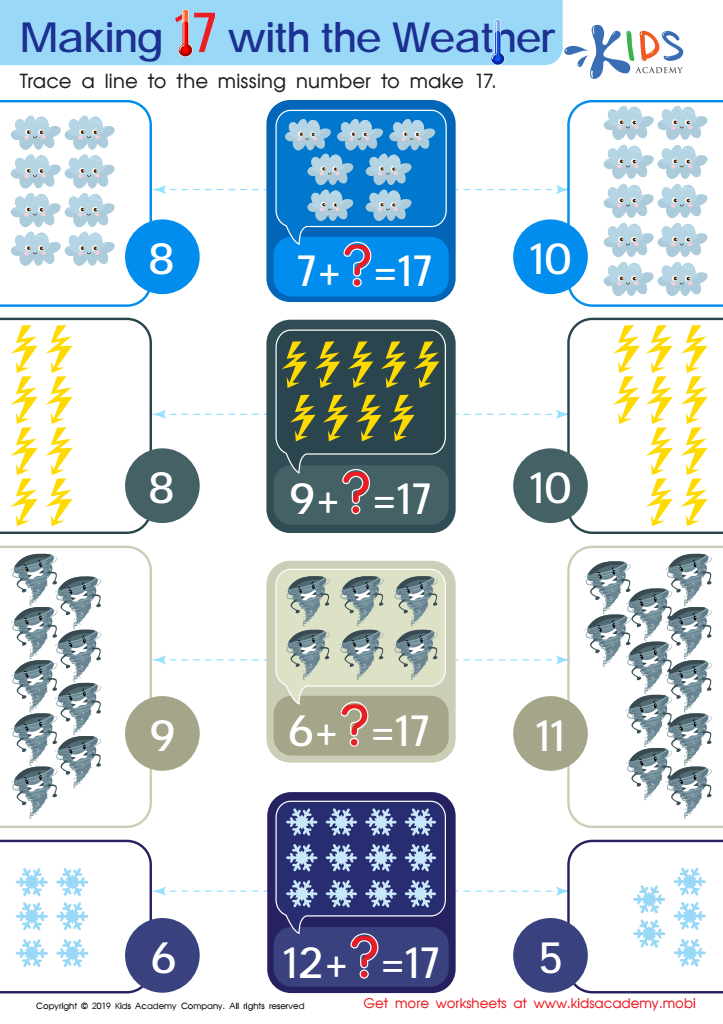
Making 17 with the Weather Worksheet
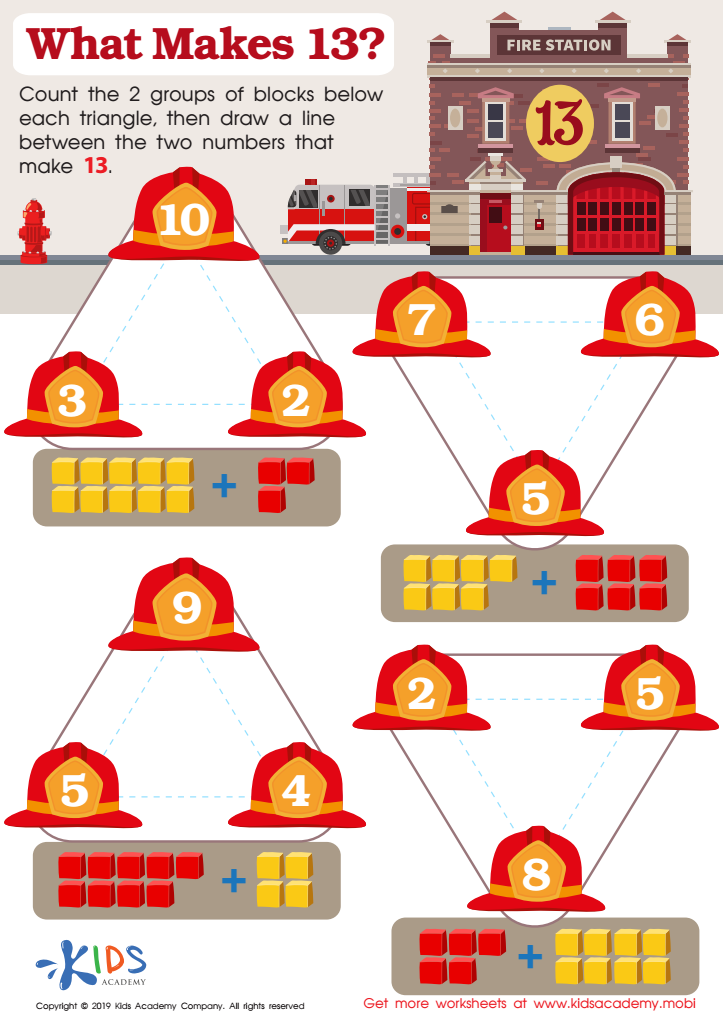
What Makes 13 Worksheet








Mathematical reasoning, particularly involving basic addition and subtraction, is paramount for children aged 3-4 because it lays the cliff stone for their future cognitive development and problem-solving skills. Introducing these concepts early in life not only fortifies a child’s numerical understanding but also accelerates their ability to pursue and articulate patterns and relationships. This vigilance enhances their critical thinking capabilities.
At this tender age, children are like sponges, absorbing significant volumes of information from their surroundings both knowingly or unknowingly. Through playful and engaging activities - counting toys, or giving and taking out items - parents or teachers can seamlessly integrate fundamental math reasoning. Arithmetic operations such as addition and subtraction are more pragmatic when adopted in daily scenarios - it could be recognizing how many apples are left after taking some away or how combining blocks magically makes a larger set.
Moreover, becoming proficient in math during the early years also fosters confidence in handling complex mathematical concepts in higher grades. Confidence not only figures into math-related subjects but permeates across all scholastic endeavors. It prepares them for academic challenges masking them versatile learners.
In summation, grounding children in basic addition and subtraction at an early age specifies far-restricted skills - rendering a strategic start to holistic cognitive enhancement and impeccable academic grounding.








