Mathematical reasoning Normal Math Worksheets for Ages 3-4
10 filtered results
-
From - To
Our "Mathematical Reasoning Normal Math Worksheets for Ages 3-4" are expertly crafted to develop early reasoning skills in preschoolers. Designed to engage curious young minds, these worksheets provide a variety of fun and interactive activities tailored to promote critical thinking and problem-solving. Children will explore concepts like patterns, shapes, counting, and more through hands-on learning experiences. Perfect for home or classroom use, these worksheets support cognitive development and foundational math skills preparation in an enjoyable and age-appropriate manner. Help your child build a strong mathematical foundation with our high-quality, research-backed printable worksheets.
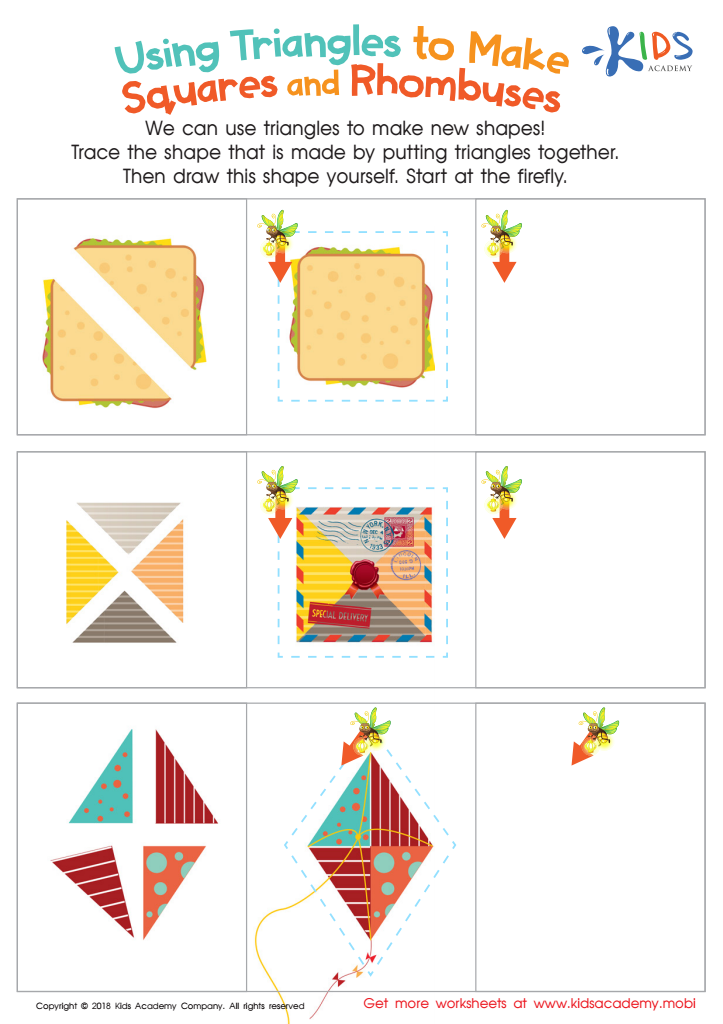
Using Triangles to Make Squares and Rhombuses Worksheet
 Assign to My Students
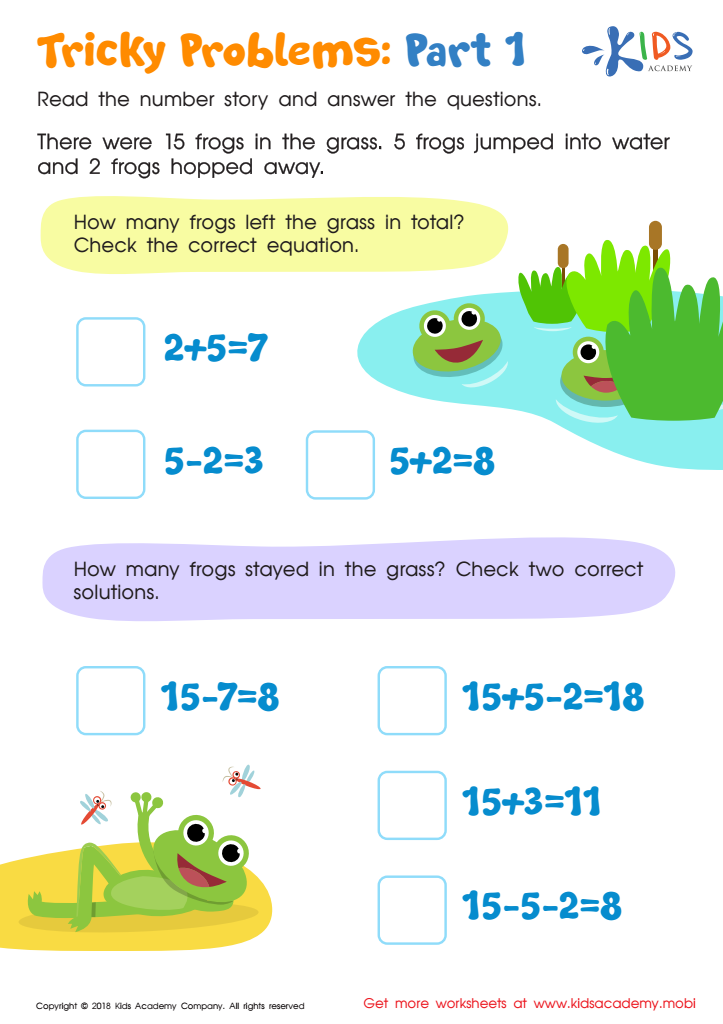
Tricky Problems Worksheet: Part 1
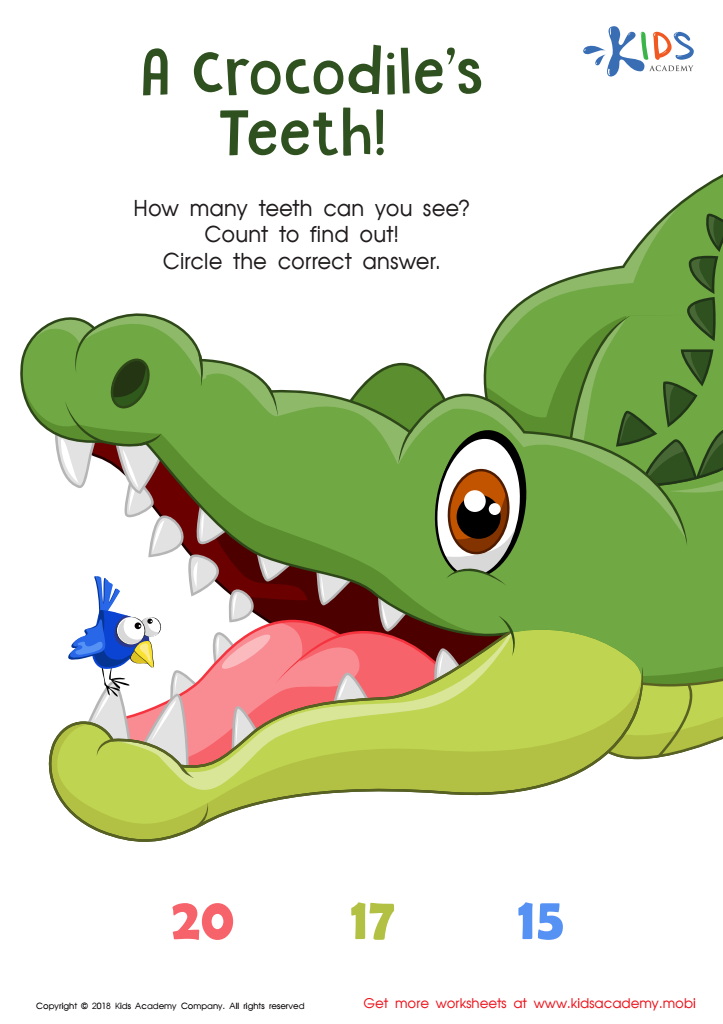
A Crocodile's Teeth Worksheet
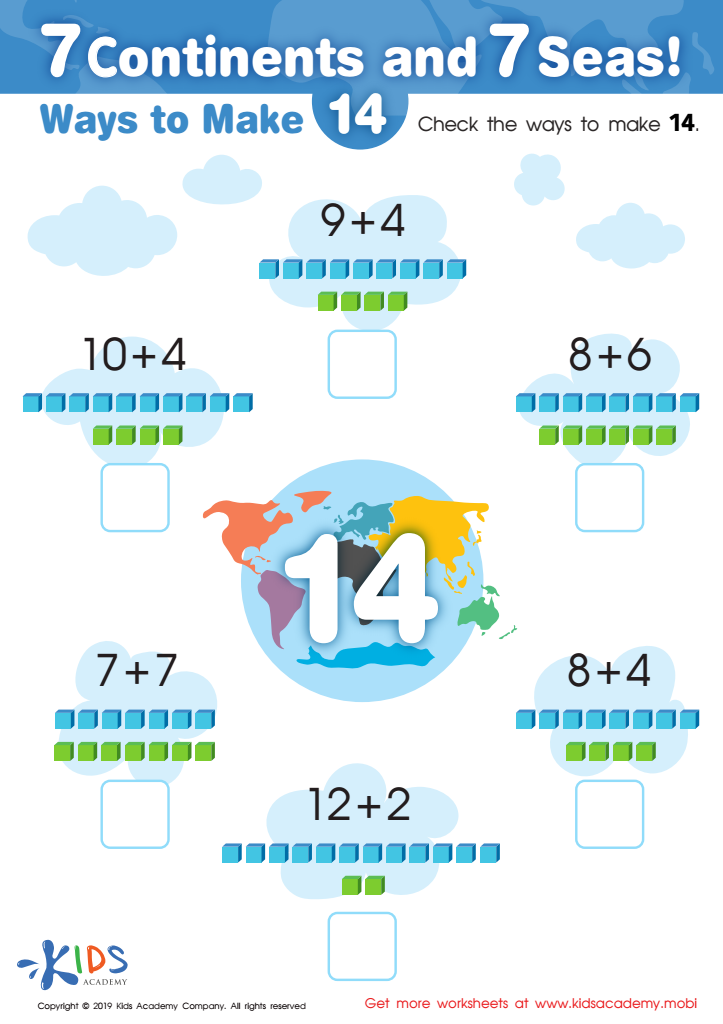
7 Continents and 7 Seas Worksheet
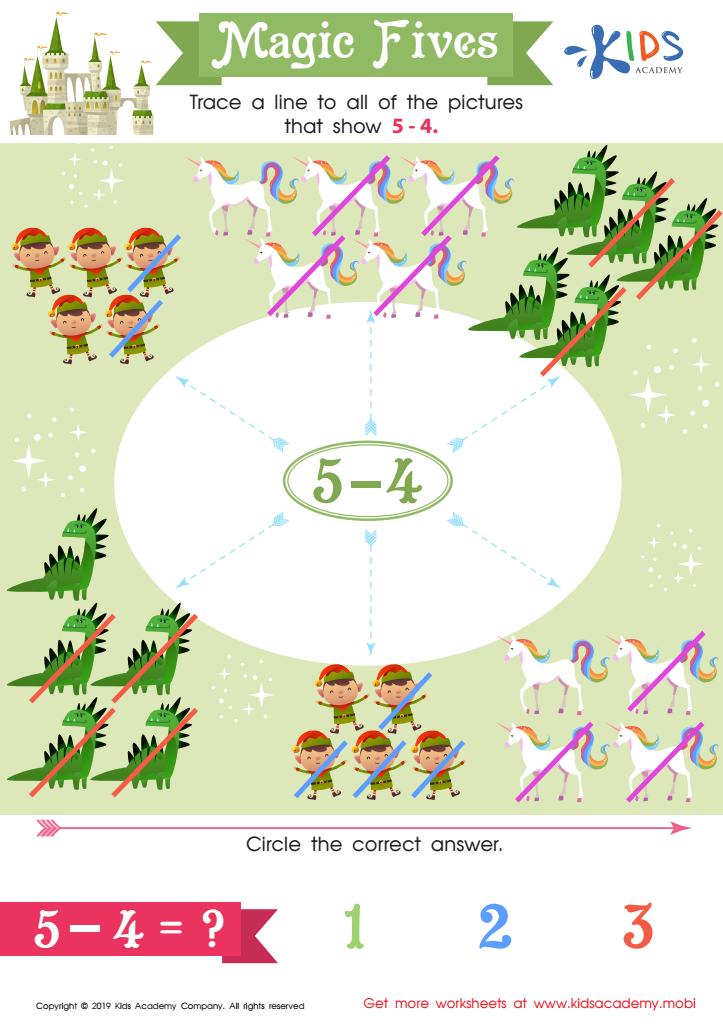
Magic Fives Worksheet
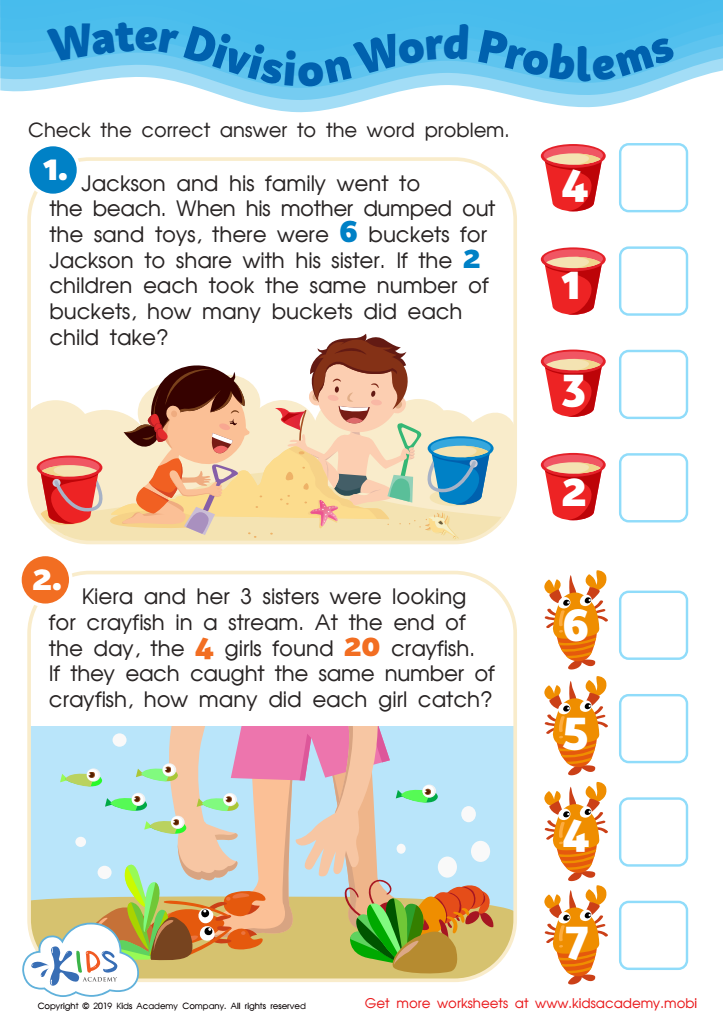
Water Division Word Problems Worksheet
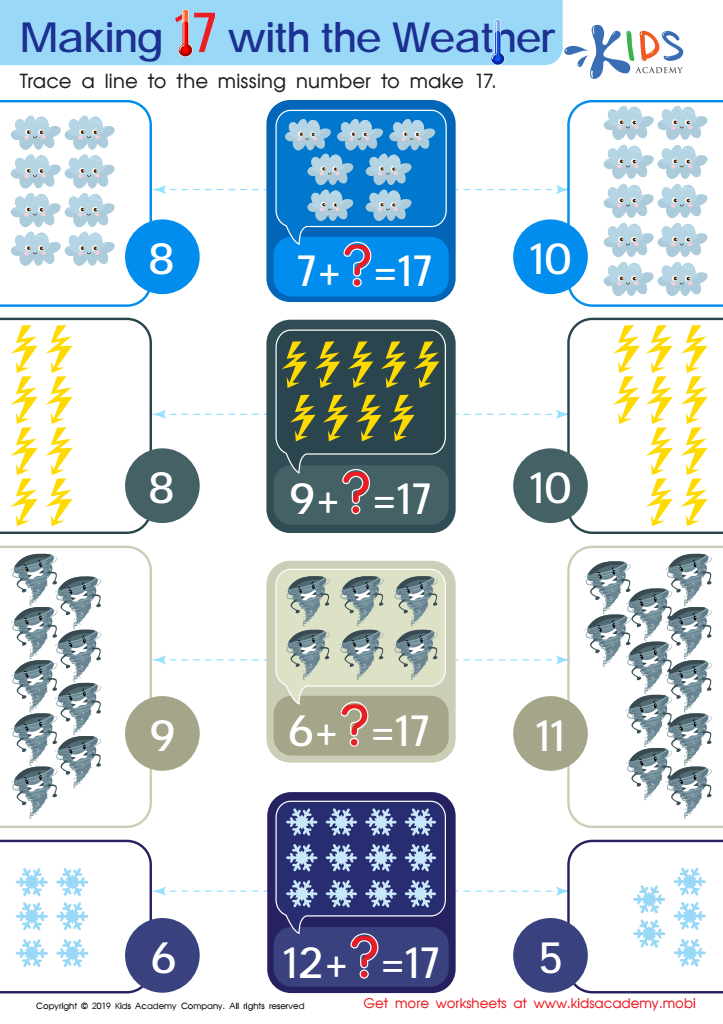
Making 17 with the Weather Worksheet
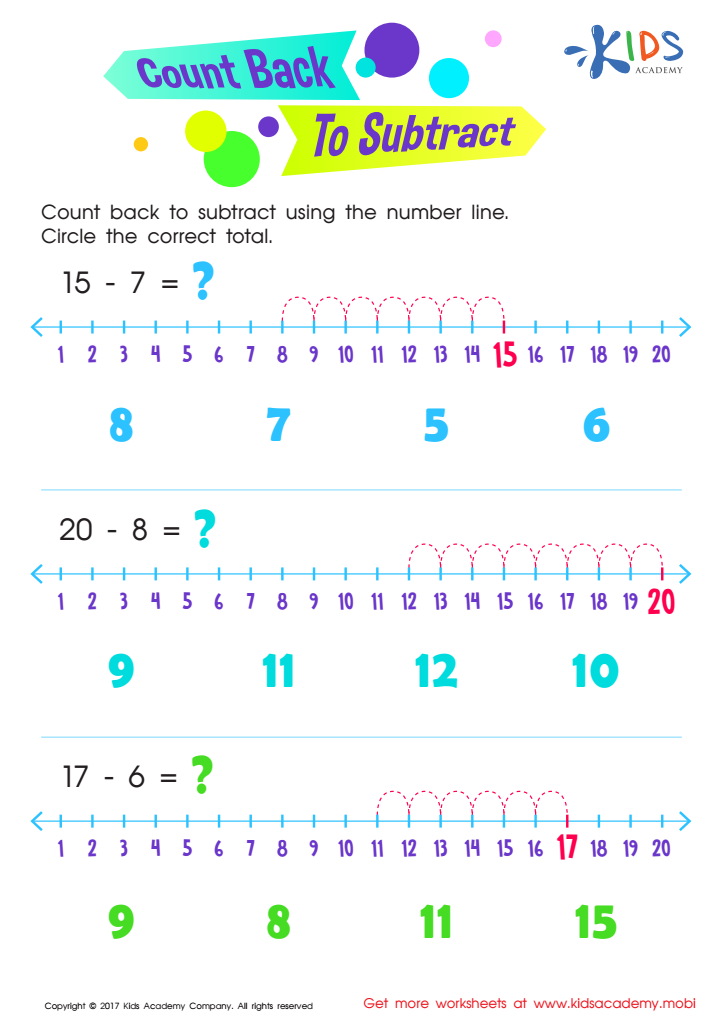
Count Back to Subtract Substraction Worksheet
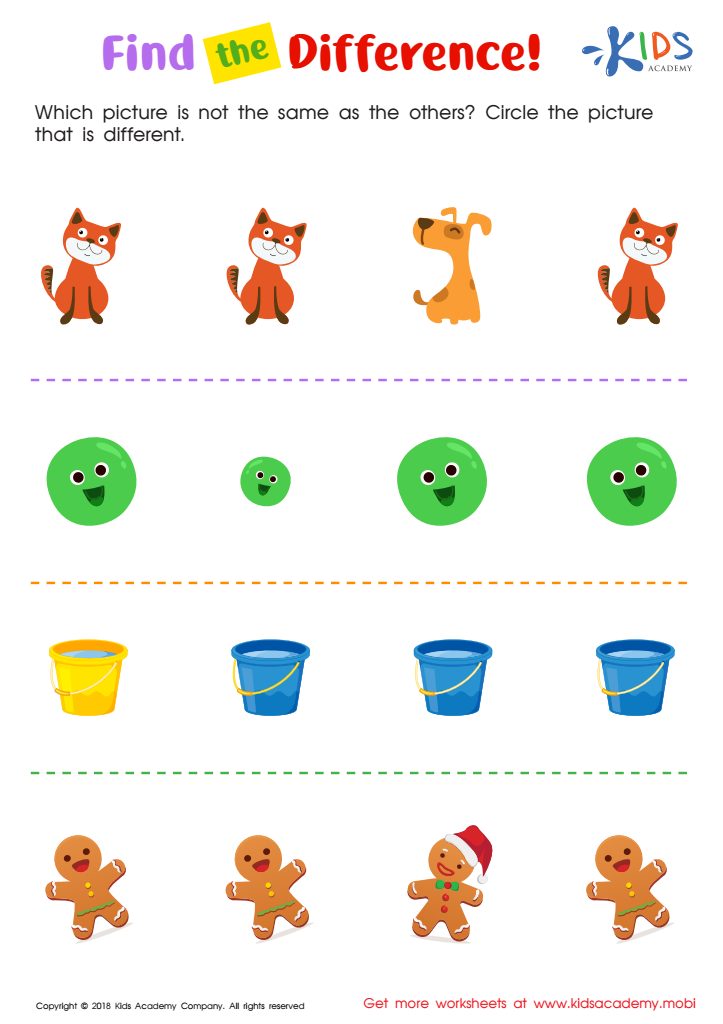
Find the Difference Worksheet
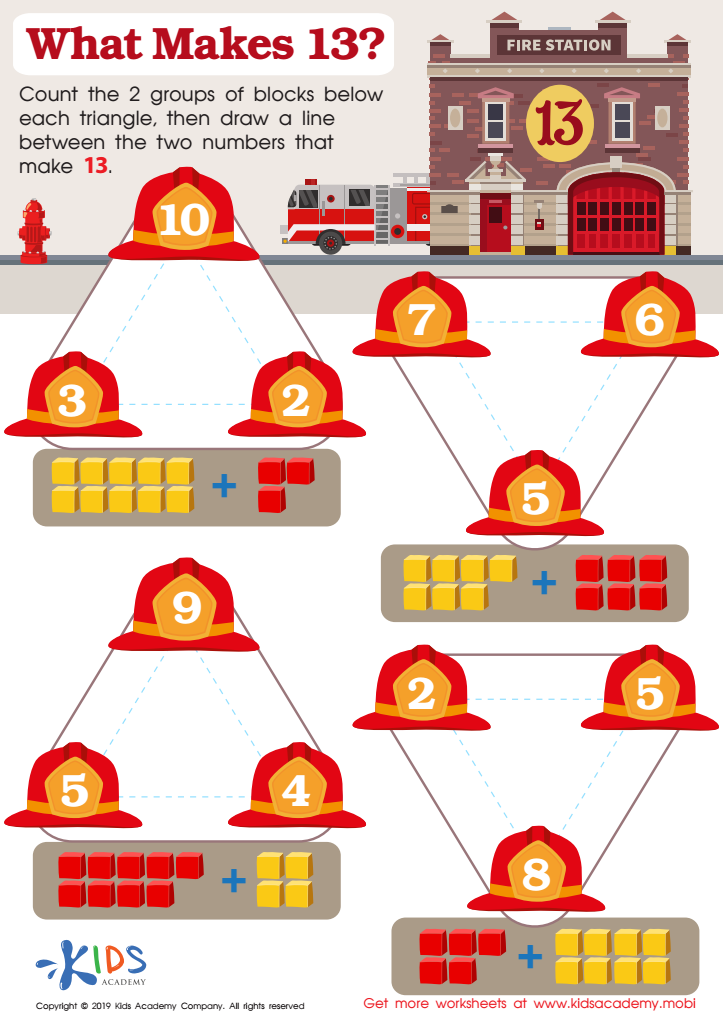
What Makes 13 Worksheet






Mathematical reasoning is crucial for young children, even at ages 3-4, because it lays the foundation for their future learning and development in a multitude of areas. When parents and teachers focus on nurturing these early skills, they are essentially equipping children with tools that will help them understand and interact with the world more effectively.
At this tender age, mathematical reasoning isn't just about numbers; it's about recognizing patterns, understanding shape and spatial relationships, and building problem-solving skills. Activities like sorting objects by size, color, or shape, recognizing patterns, and counting objects introduce children to logical thinking and sequence recognition.
Such foundational skills are not only pivotal for later mathematical learning but are also linked to improvement in other cognitive domains, including memory, language development, and executive functions like focusing attention, organizing, and planning.
Moreover, early experiences with mathematical reasoning build confidence and positiveness towards math-related tasks. When children encounter and solve simple mathematical problems, they develop a sense of achievement and recognition of their ability to tackle challenges.
In essence, integrating mathematical reasoning into early childhood education is investing in a child's holistic development, preparing them for academic success, and fostering a lifelong relationship with learning and problem-solving. Therefore, parents and teachers should consider it an integral part of their educational efforts.








