Number Recognition Normal Math Worksheets for Ages 3-4 - Page 4
77 filtered results
-
From - To
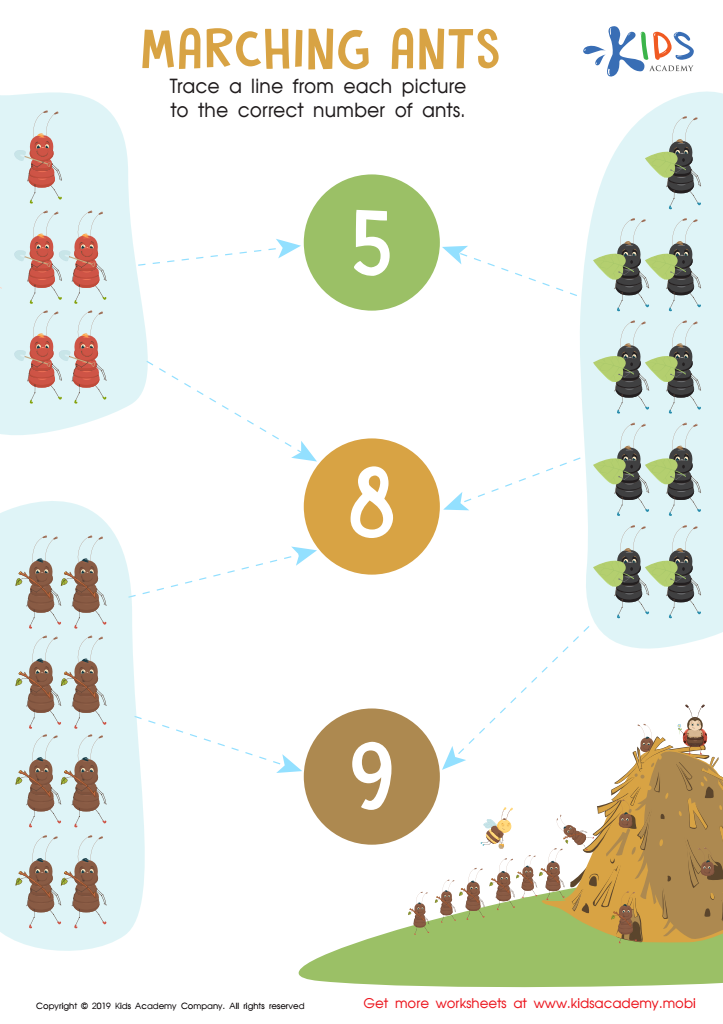
Marching Ants Worksheet
 Assign to My Students
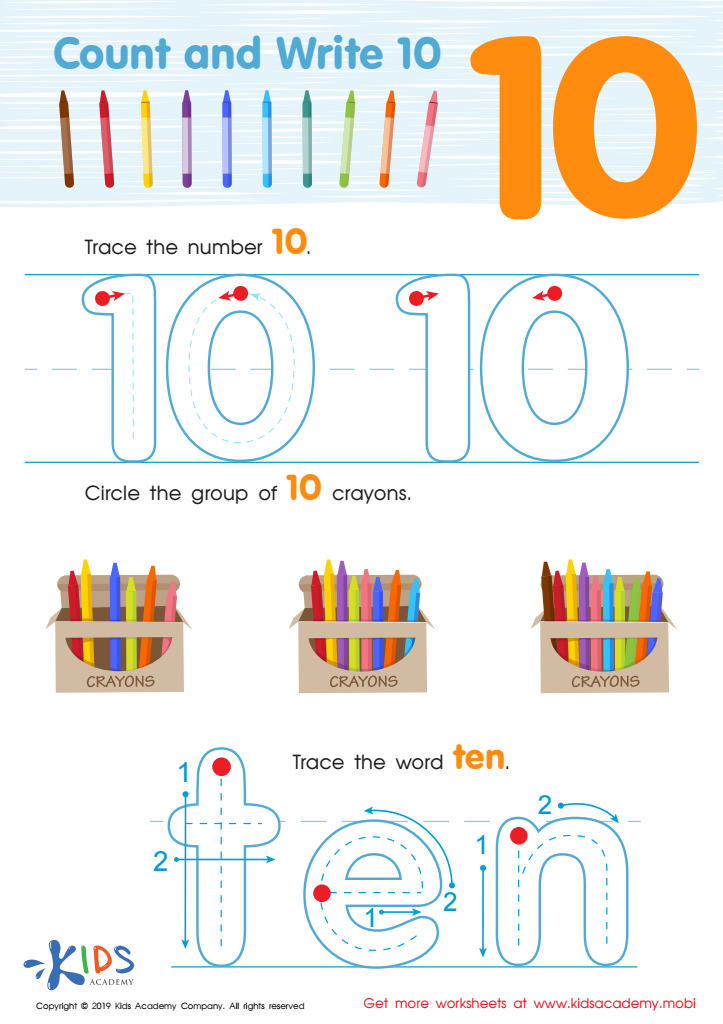
Count and Write 10 Worksheet
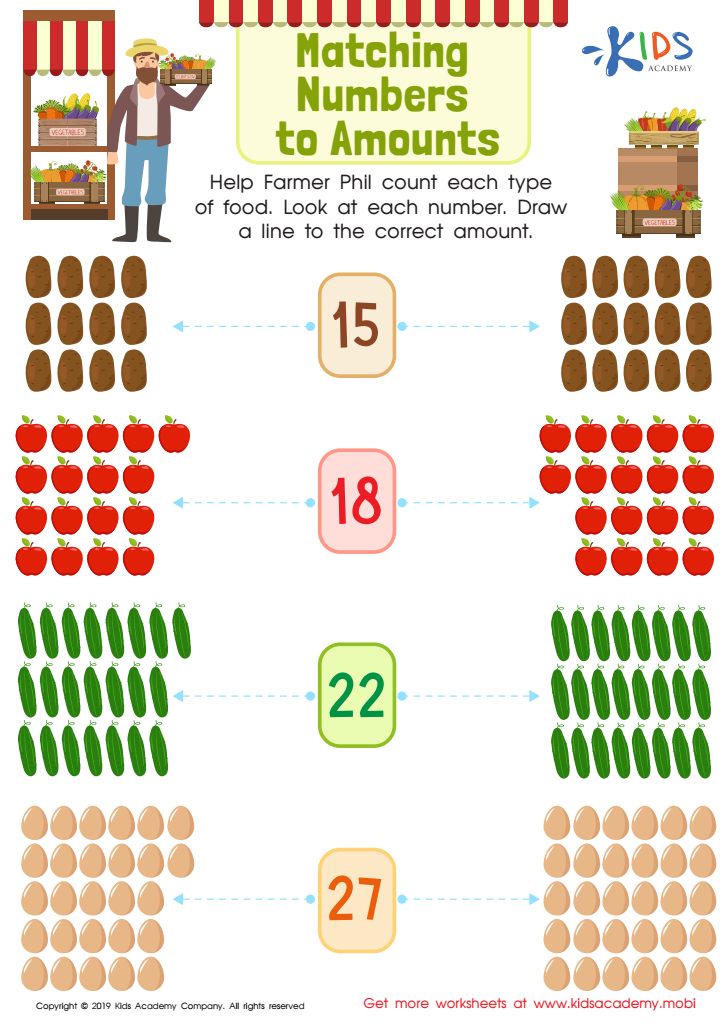
Matching Numbers to Amounts Worksheet
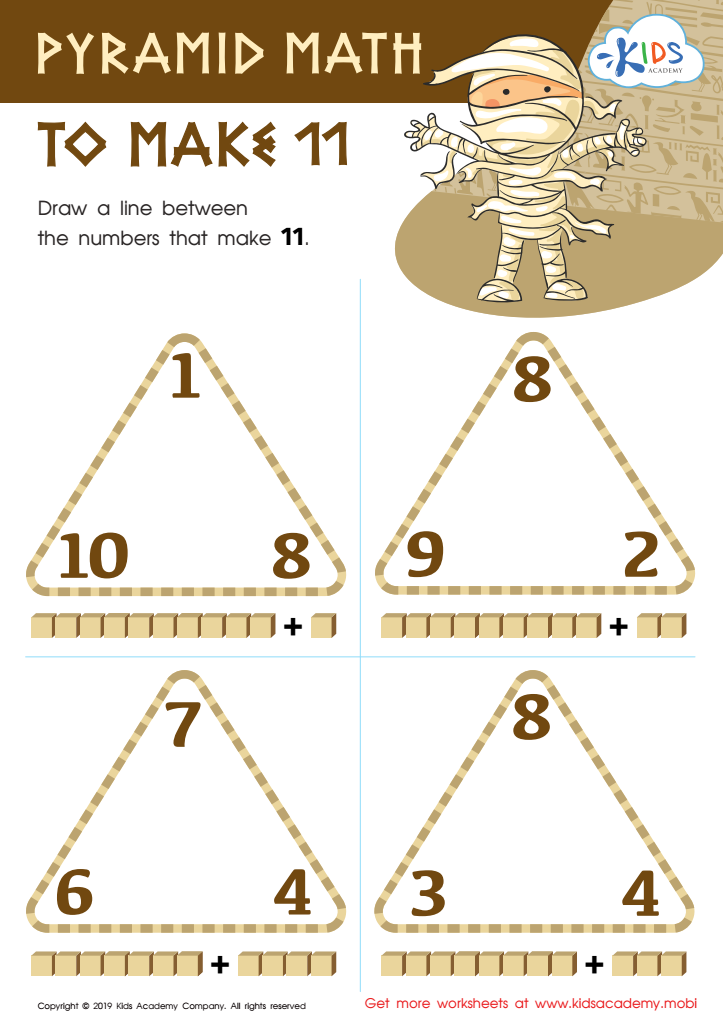
Pyramid Math to Make 11 Worksheet
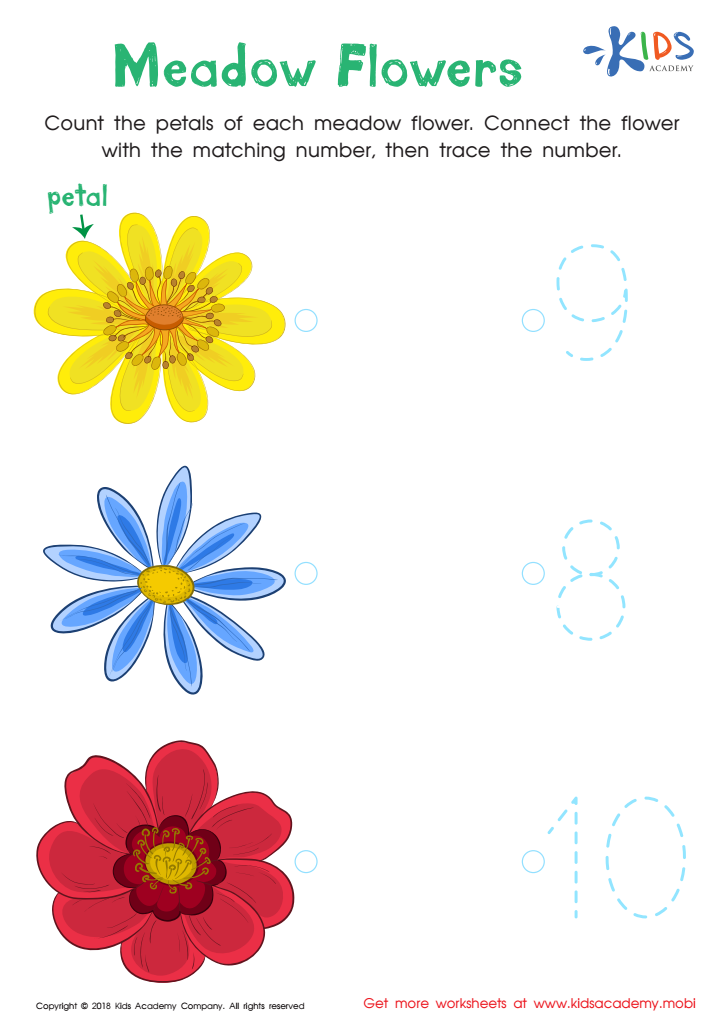
Kindergarten Number Tracing: Medow Flowers Worksheet







Parents and teachers should emphasize number recognition for children aged 3-4 as it serves as a foundational skill for later mathematical learning and overall cognitive development. At this early age, children are rapidly expanding their understanding of the world and language. Introducing them to numbers helps build early numeracy skills, which are crucial for future academic success. Recognizing numbers helps children understand key concepts like quantity, order, and basic arithmetic.
Moreover, early number recognition boosts problem-solving and critical thinking skills. Children begin to see patterns, make comparisons, and understand relationships between different quantities. These cognitive skills are not only essential for math but are transferable to other subjects and daily activities, enhancing their overall intellectual capability.
Engaging children in fun, age-appropriate activities that involve numbers, such as counting games, puzzles, or interactive storybooks, fosters a positive attitude towards math. This early exposure minimizes the development of math anxiety later in life and helps children feel confident in their abilities. Additionally, number recognition integrates with other learning areas, such as language development and early literacy, as children associate numerical symbols with words and sounds.
In sum, prioritizing number recognition for young children lays a solid foundation for future learning, benefiting them academically and in their everyday lives.








