Problem-solving abilities Normal Math Worksheets for Ages 3-4
6 filtered results
-
From - To
Unlock your child's potential with our Problem-solving Abilities Normal Math Worksheets for Ages 3-4. These engaging activities are designed to develop critical thinking and analytical skills through fun and interactive math problems. Our worksheets cover basic concepts using kid-friendly visuals, helping your little learner progress seamlessly. As they tackle puzzles and challenges, children cultivate patience and determination, essential traits for lifelong learning. Ideal for preschoolers, these printables support cognitive development in a playful environment. Spark curiosity and encourage a love for math with our expertly crafted problem-solving worksheets. Get started today and watch your child's confidence soar!
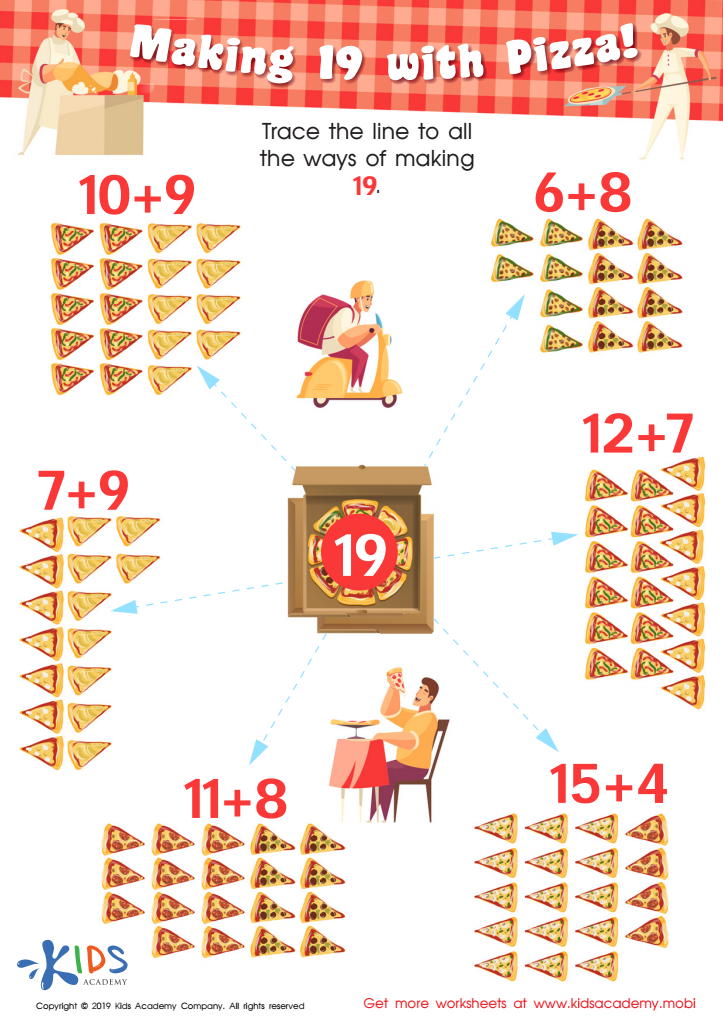
Making 19 with Pizza! Worksheet
 Assign to My Students

Adding at the Hospital Worksheet
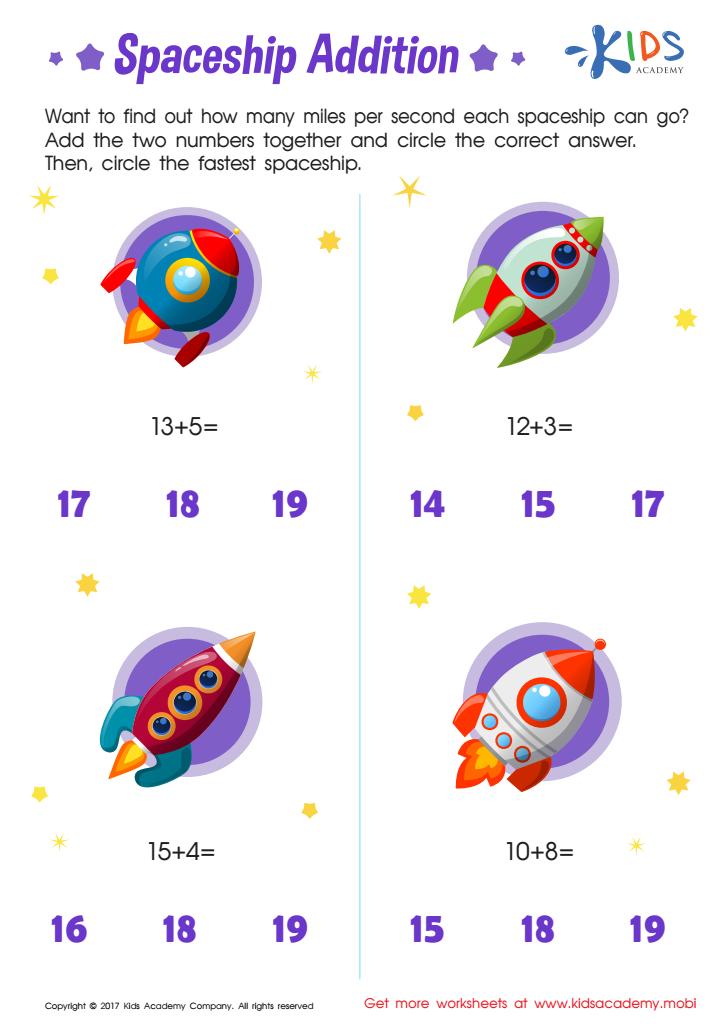
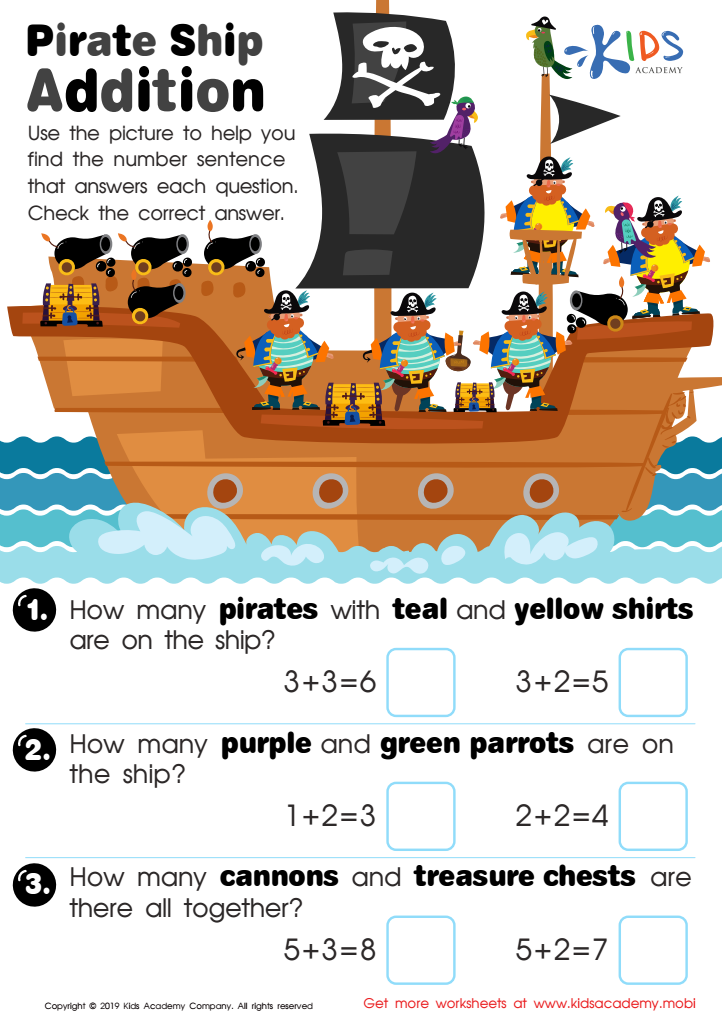
Pirate Ship Addition Worksheet
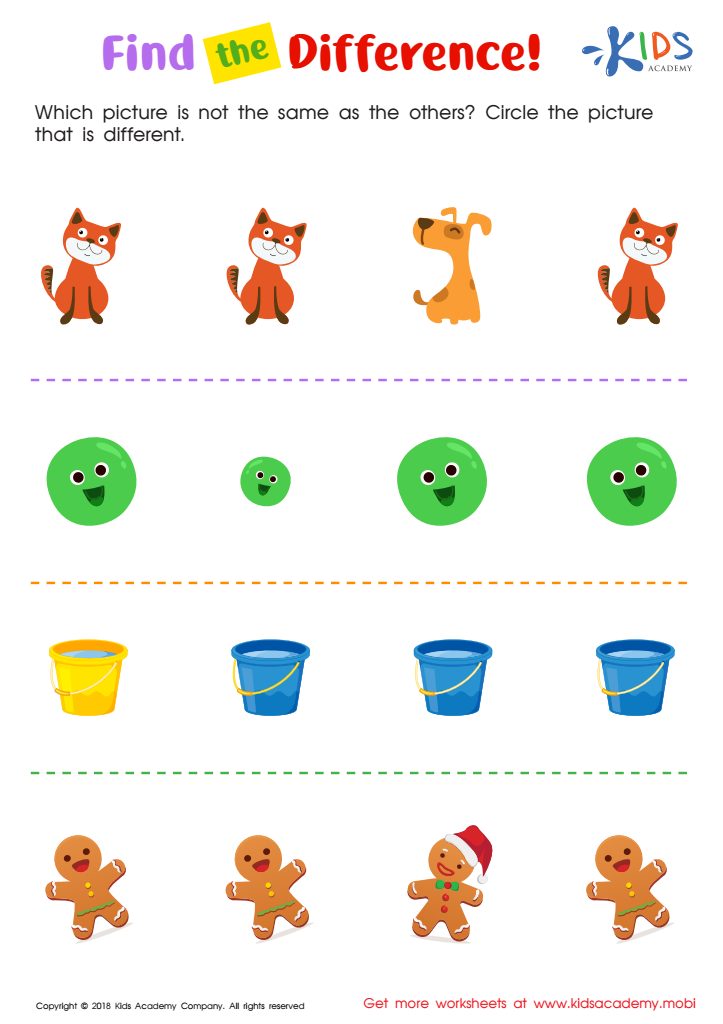
Find the Difference Worksheet
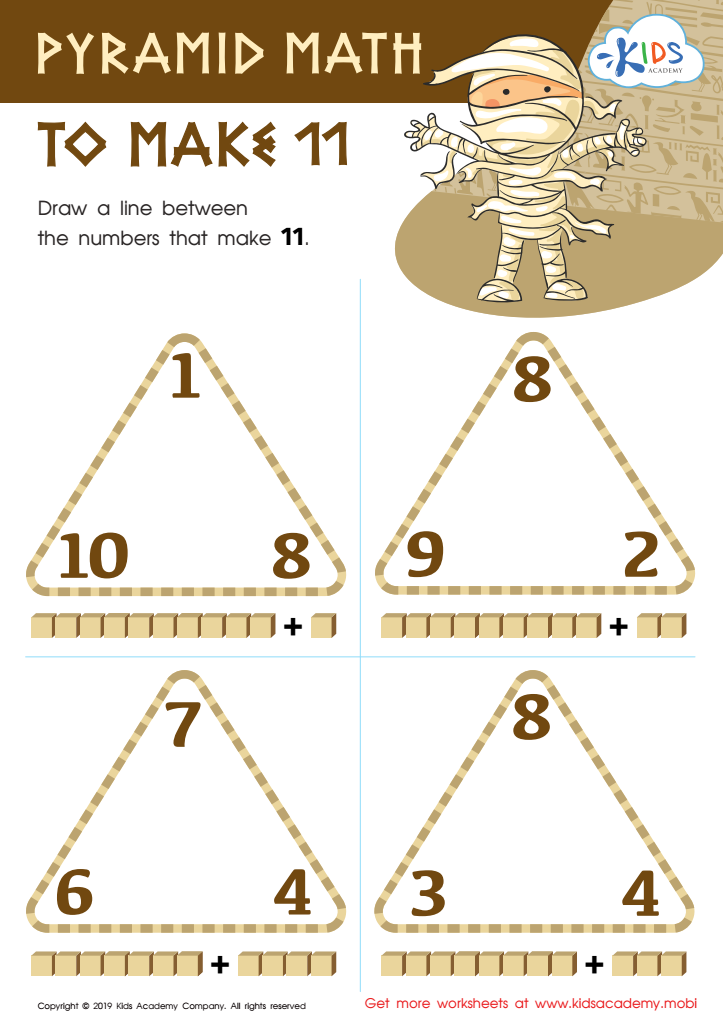
Pyramid Math to Make 11 Worksheet






.jpg)

Parents and teachers should recognize the importance of developing problem-solving abilities in young children aged 3-4 through normal math activities. At this formative age, children's brains are incredibly receptive to learning, and early math skills lay the groundwork for more complex cognitive development later on. Engaging with basic math concepts, such as counting, identifying shapes, or sorting objects, helps children develop critical thinking and logical reasoning skills. These abilities are not just about numbers; they translate into everyday life by teaching children how to approach problems methodically and find solutions.
By incorporating simple problem-solving tasks into activities, such as puzzles or counting games, young children learn perseverance and gain confidence in their ability to tackle challenges. Math activities can also improve fine motor skills and enhance their understanding of the world around them, as they see how numbers and patterns relate to real-life situations.
For teachers, integrating problem-solving in early learning creates a stimulating classroom environment that fosters curiosity and excitement about learning. For parents, it presents the opportunity to bond and support their child’s development through fun and educational play. Overall, nurturing problem-solving skills through early math is essential for cognitive development, preparing children with a strong foundation for future academic success.








