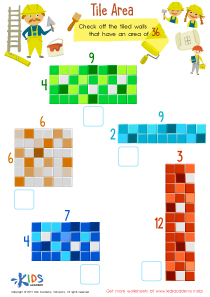
Visual discrimination Normal Matching Worksheets for Ages 3-4
3 filtered results
-
From - To
Discover our engaging Visual Discrimination Normal Matching Worksheets for ages 3-4, designed to enhance your child's cognitive and visual skills! These interactive worksheets offer a fun way to help toddlers differentiate between various shapes, colors, and patterns. Supporting early childhood development, our resources promote critical thinking and attention to detail through easy and enjoyable activities. Ideal for home or classroom use, these worksheets can spark curiosity while nurturing essential learning skills. Empower your little learner today with our expertly crafted matching activities that foster independent learning and build confidence. Explore the world of visual discrimination and watch your child's abilities flourish!
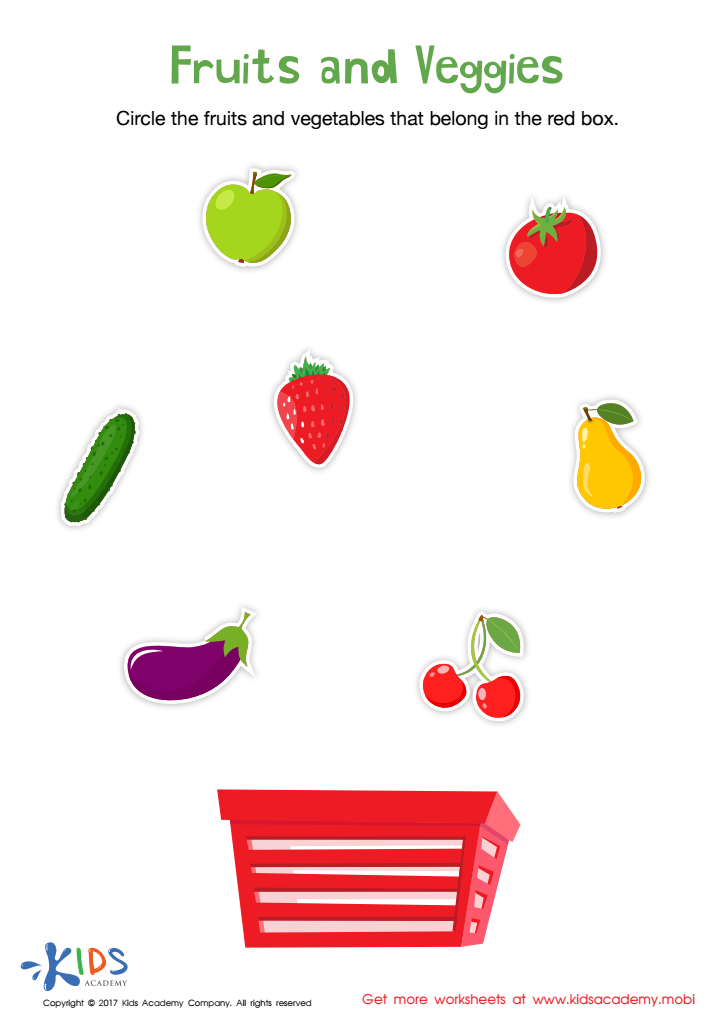
 Assign to My Students
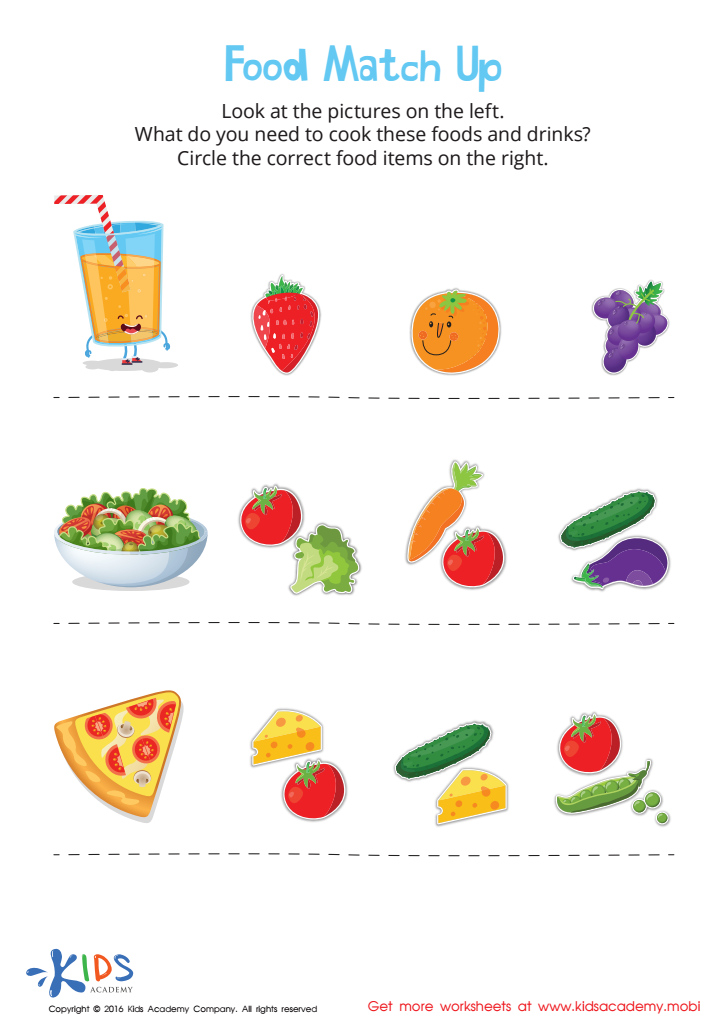
Food Match Up Worksheet
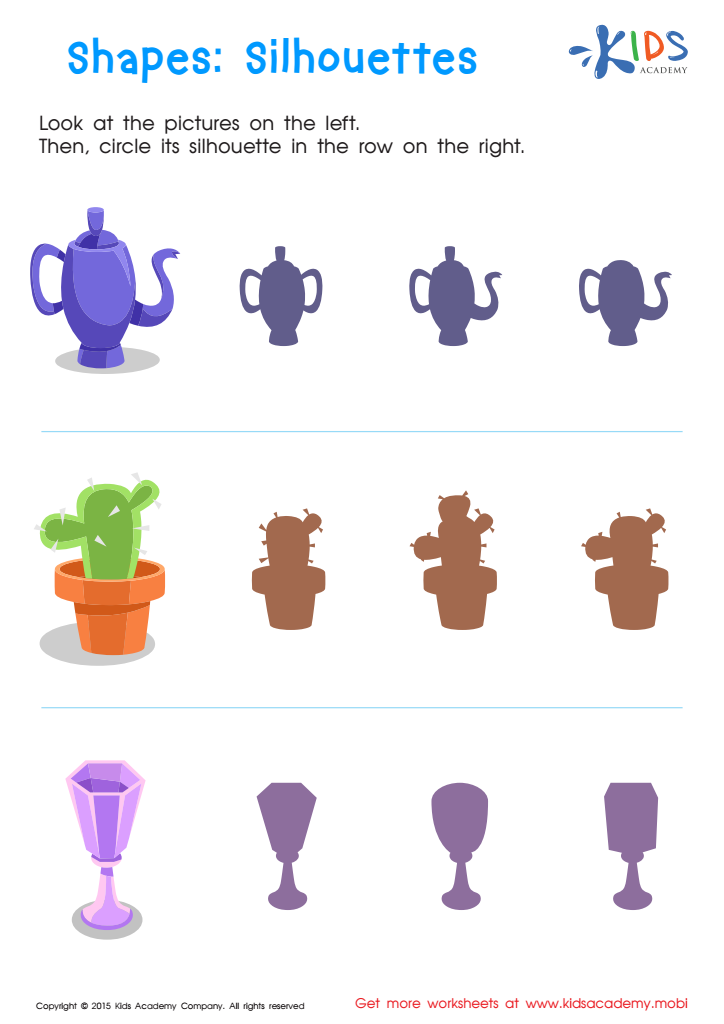
Silhouettes – Shapes Worksheet







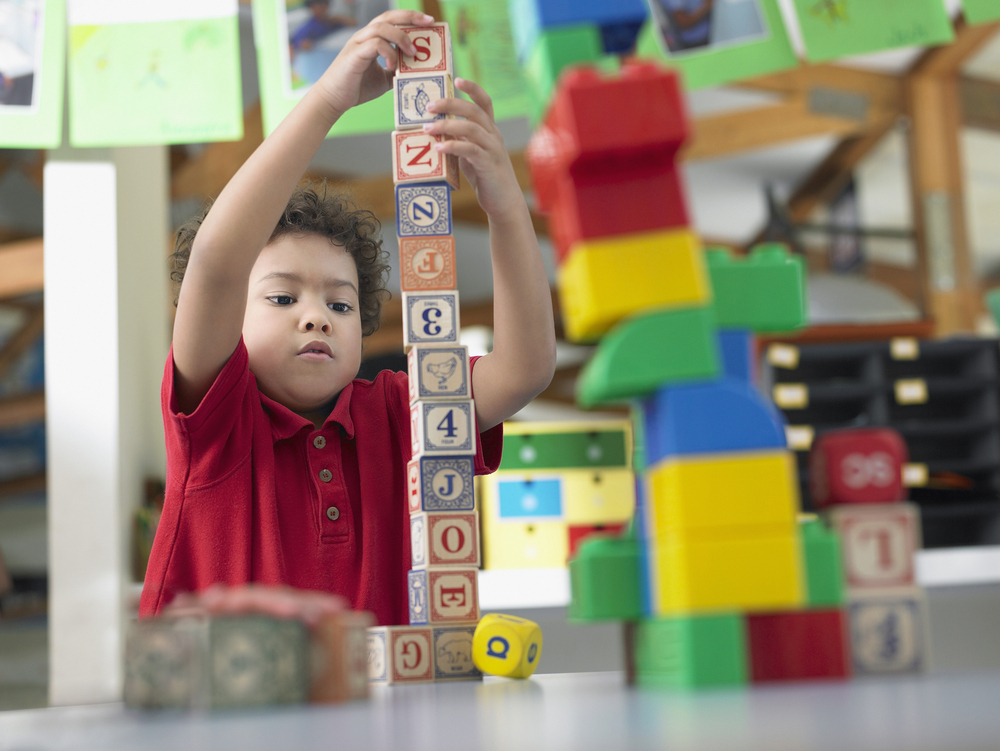
Visual discrimination is an essential skill for young children, particularly in ages 3-4, as it involves the ability to recognize differences and similarities among shapes, colors, patterns, and objects. For parents and teachers, fostering visual discrimination through activities like normal matching is crucial for early literacy and mathematical development.
Engaging children in normal matching activities—such as sorting objects, matching cards, or identifying patterns—not only sharpens their observation skills but also enhances their cognitive abilities by encouraging critical thinking. This foundational skill helps children navigate their environment and is linked to success in various academic areas, such as reading, where recognizing different letters and word formations is vital.
Moreover, early mastery of visual discrimination boosts children’s self-confidence and independence, as they learn to categorize and organize information effectively. As they grow, these skills will translate into improved problem-solving abilities, creativity, and improved social interactions.
Therefore, by incorporating visual discrimination activities into play and learning routines, parents and teachers not only prepare children for future academic challenges but also lay the groundwork for lifelong learning skills. Recognizing the importance of visual matching as a fun and engaging method can make a lasting impact on children’s development.