
Fine Motor Skills Normal Sorting Worksheets for Ages 3-4
3 filtered results
Difficulty Level
Grade
Age
-
From - To
Subject
Activity
Standards
Unlock your child's potential with our Fine Motor Skills Normal Sorting Worksheets designed for ages 3-4! These engaging, interactive worksheets provide a fun way for young learners to develop essential fine motor skills while sorting objects by size, shape, and color. Our thoughtfully crafted activities not only enhance dexterity and hand-eye coordination but also encourage cognitive development as children classify and organize various items. Perfect for home or classroom use, these worksheets foster independent learning and creativity. Give your preschooler a head start in learning with our comprehensive and enjoyable resources tailored to their growth and structure. Start sorting fun today!
Favorites
With answer key
Interactive
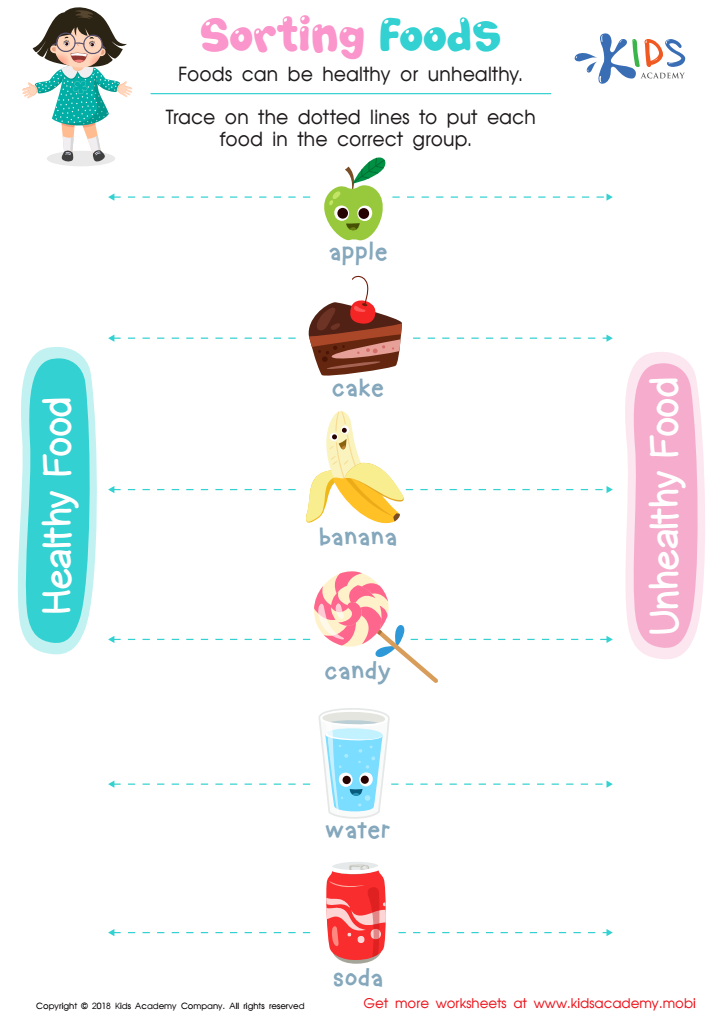
Sorting Food Worksheet
This delightful worksheet boosts critical thinking and fine motor skills. Kids use prior knowledge and pictures to sort foods into healthy and unhealthy groups. Tracing lines support accurate sorting and matching. Enjoy fun and free learning!
 Assign to My Students
Sorting Food Worksheet
Worksheet
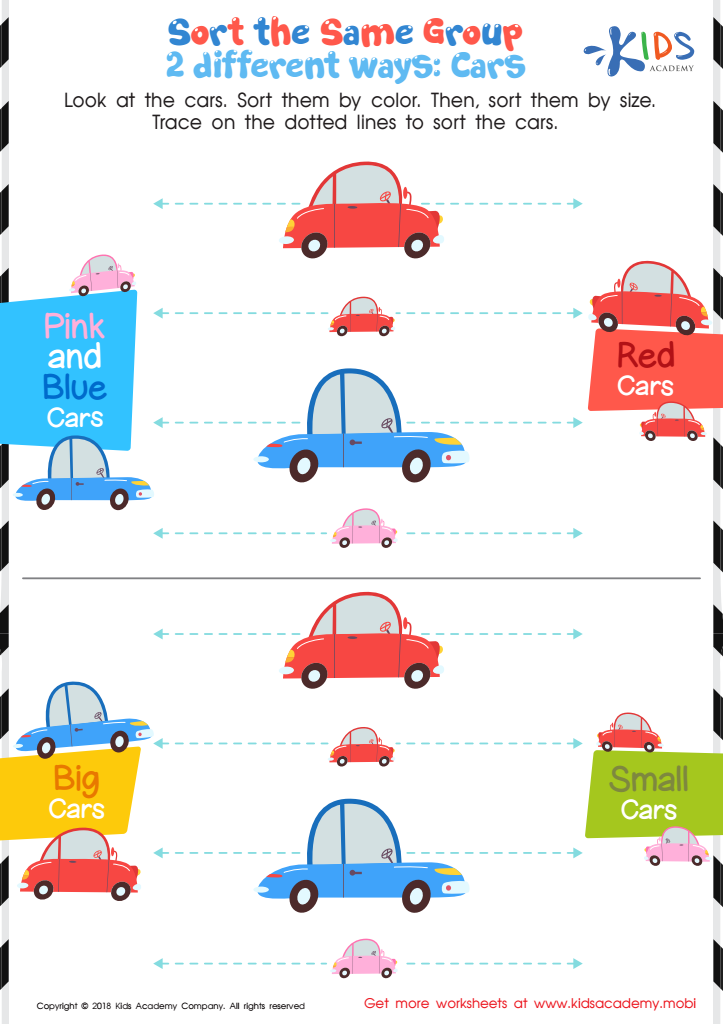
Sort the Same Group 2 Different Ways: Cars Worksheet
Look at the pictures with your child. Can they identify the objects? Ask them to sort the cars first by color and then size. Assist them to trace the dotted lines to sort the cars by color and size. This worksheet lets you easily assess your child's color and size organization skills.
Sort the Same Group 2 Different Ways: Cars Worksheet
Worksheet
Join Kids Academy for Free
Who is primarily going to use this learning content?



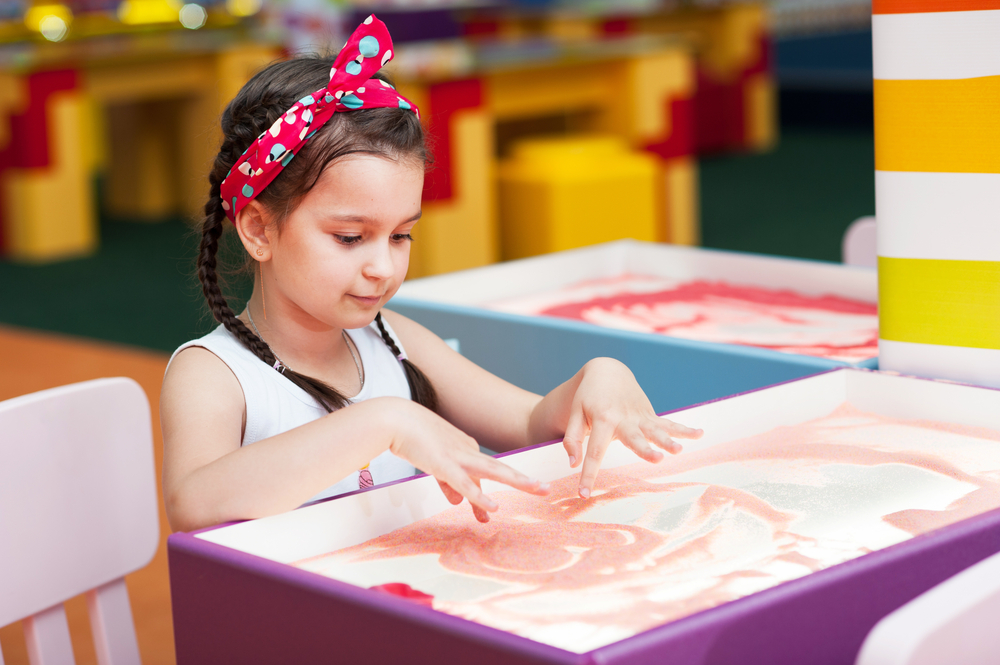




Fine motor skills are essential for children aged 3-4, as they lay the foundation for more complex tasks like writing, tying shoelaces, and buttoning shirts. Normal sorting activities, where children categorize objects based on size, color, or shape, play a crucial role in developing these skills.
Firstly, sorting engages hand-eye coordination, a vital component of fine motor development. As children pick up and manipulate small objects, they learn to control their movements, enhancing dexterity and grip strength. This manipulation reinforces neural pathways, promoting better motor skills as they grow.
Secondly, sorting activities encourage cognitive development. Through classification, children learn to recognize patterns, enhance their reasoning abilities, and improve their problem-solving skills. These cognitive gains are vital for later academic success, especially in math and reading.
Lastly, sorting fosters social and emotional skills when done in groups. Children learn to take turns, share materials, and discuss their sorting choices, promoting teamwork and communication.
In summary, parents and teachers should prioritize normal sorting tasks for young children, as these activities not only cultivate fine motor skills but also enhance cognitive and social development, setting a strong foundation for lifelong learning.








