Sorting skills Normal Sorting Worksheets for Ages 3-4
5 filtered results
-
From - To
Discover our engaging Normal Sorting Worksheets designed specifically for children ages 3-4. These worksheets help young learners develop essential sorting skills by categorizing objects based on various attributes, such as color, shape, and size. Fun and interactive, our worksheets encourage critical thinking and enhance cognitive development through hands-on activities. With vibrant illustrations and diverse sorting tasks, children will cultivate their ability to recognize similarities and differences while enjoying a playful learning experience. Perfect for parents, teachers, and educators, these worksheets are ideal for at-home learning or classroom use. Support your child's early math skills with our irresistible sorting activities today!
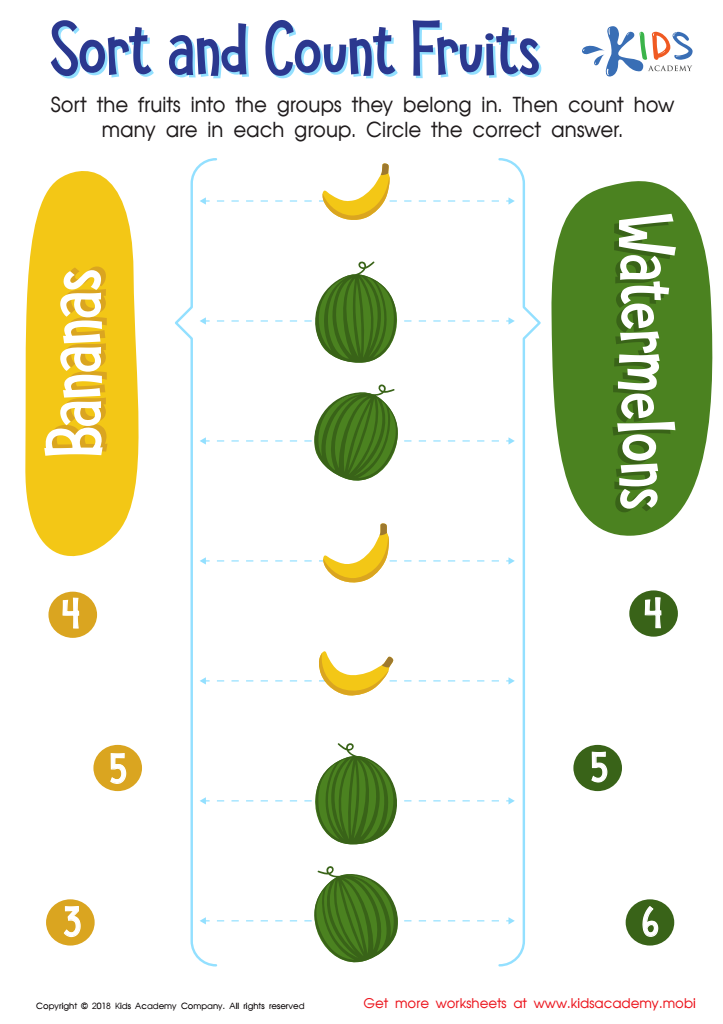
Sort and Count Fruits Worksheet
 Assign to My Students
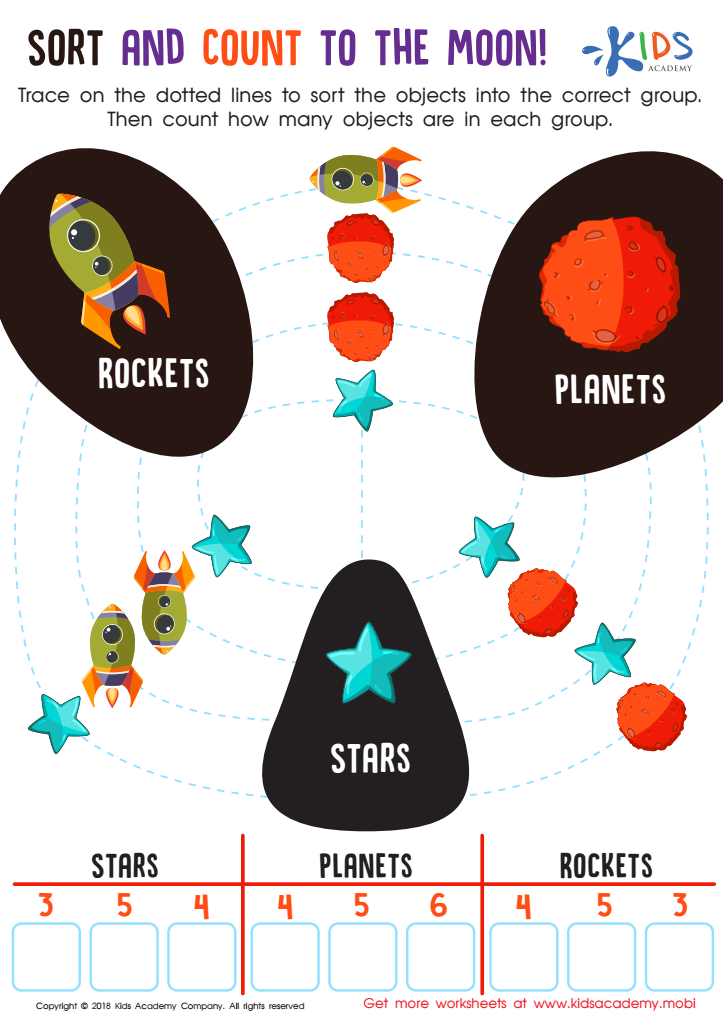
Sort and Count to the Moon Worksheet
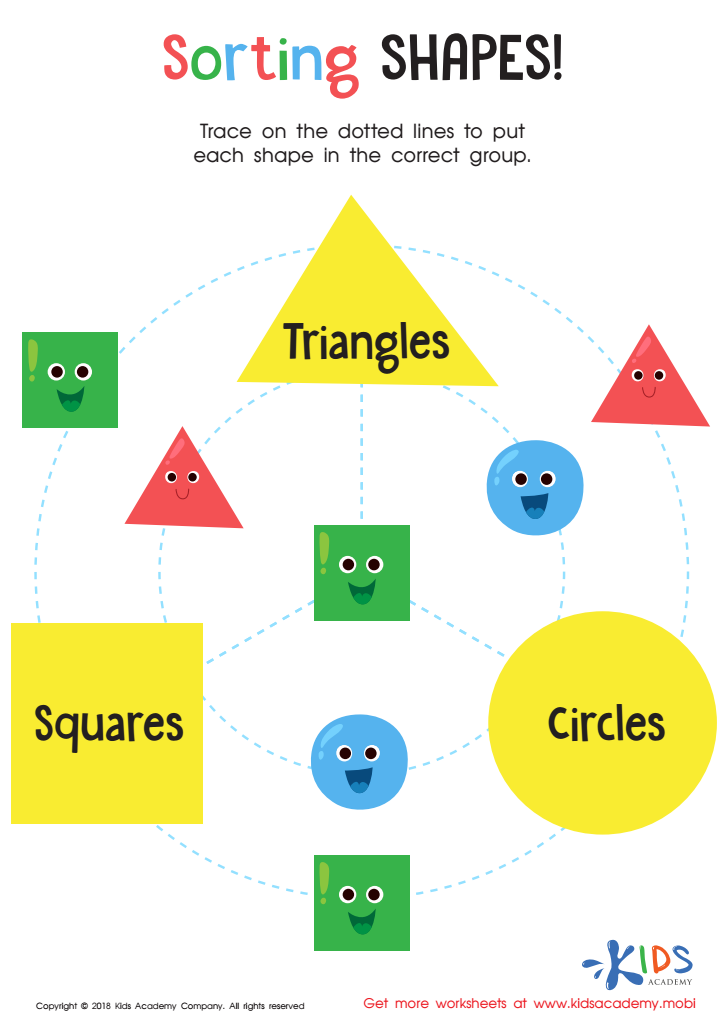
Sorting Shapes - Part 3 Worksheet
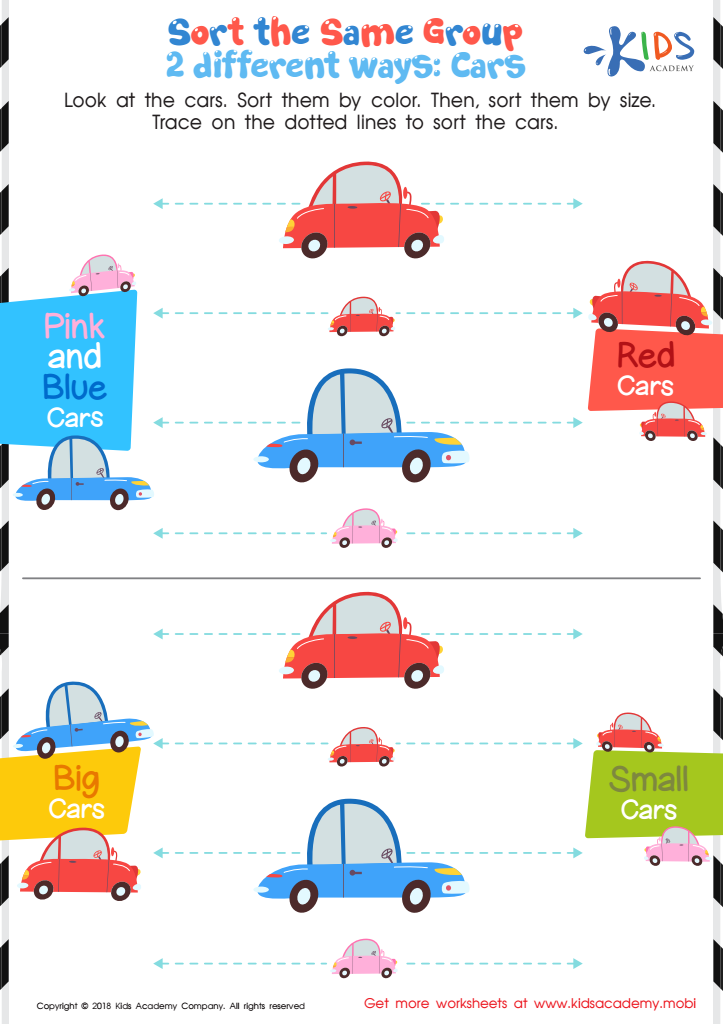
Sort the Same Group 2 Different Ways: Cars Worksheet
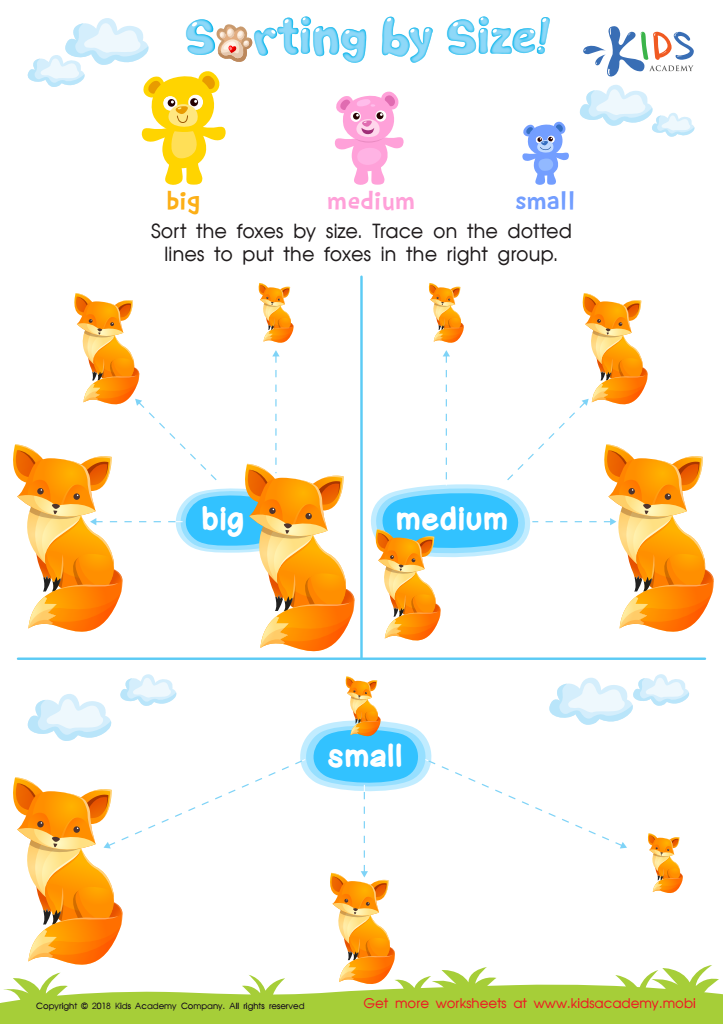
Sorting by Size Worksheet








Sorting skills are crucial for early childhood development, especially for children aged 3-4. During this formative stage, kids are not only exploring their environment but also learning critical cognitive skills that form the foundation for future learning. Sorting activities engage children in categorizing objects based on attributes such as color, shape, size, or function, fostering essential cognitive abilities.
Parents and teachers should care about these skills for several reasons. Firstly, sorting helps refine children's critical thinking and problem-solving abilities, encouraging them to make connections and understand relationships between different objects. This lays the groundwork for more complex mathematical concepts they will encounter later on.
Secondly, sorting activities enhance fine motor skills as children manipulate various items. This tactile engagement supports their physical development, boosting hand-eye coordination and dexterity.
Furthermore, sorting prompts language development, as children learn to express their thoughts on categories and their reasoning behind their choices. Lastly, it encourages self-confidence and independence, as children learn to make decisions and complete tasks on their own.
In summary, promoting sorting skills in early childhood is vital for holistic development, setting the stage for future learning and personal growth.








