Analytical skills Normal Building Vocabulary Worksheets for Ages 3-4
4 filtered results
-
From - To
Enhance your child's analytical skills with our vocabulary-building worksheets, designed specifically for ages 3-4. These engaging activities promote critical thinking and language development, essential for early learning. Each worksheet encourages young learners to explore words, make connections, and enhance their understanding of language through fun exercises. Tailored to support their cognitive growth, these resources introduce new vocabulary in an interactive and enjoyable manner. Perfect for parents and educators alike, our worksheets provide the foundational skills necessary for future reading success. Help your little ones embark on a journey of discovery and learning with our thoughtfully crafted analytical skills worksheets!
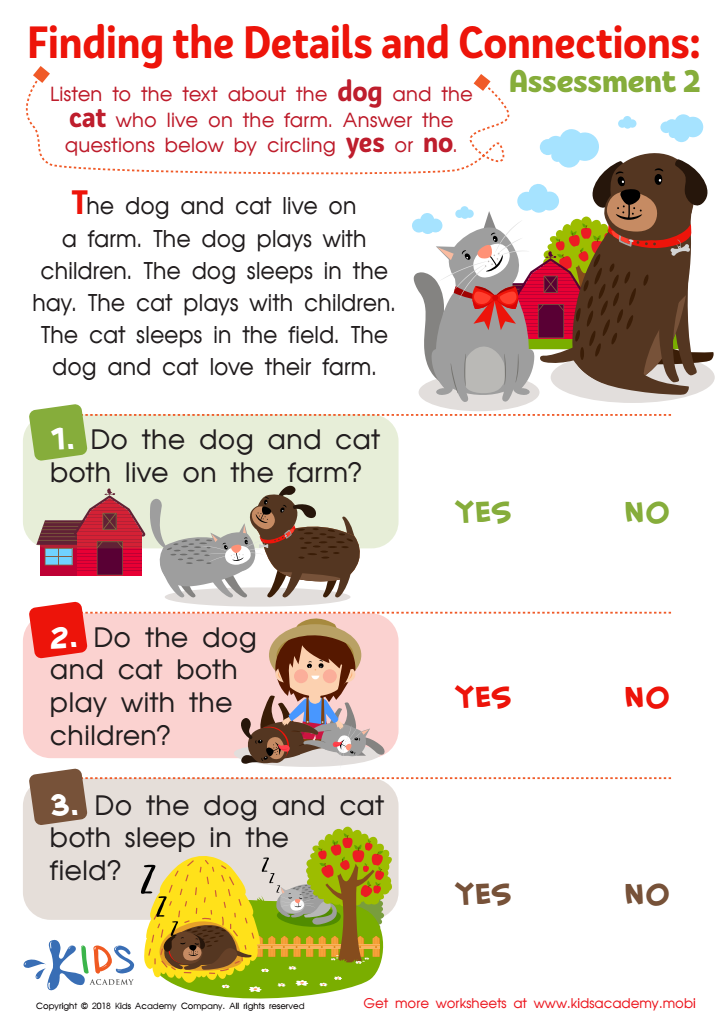
Finding the Details and Connections: Assessment 2 Worksheet
 Assign to My Students











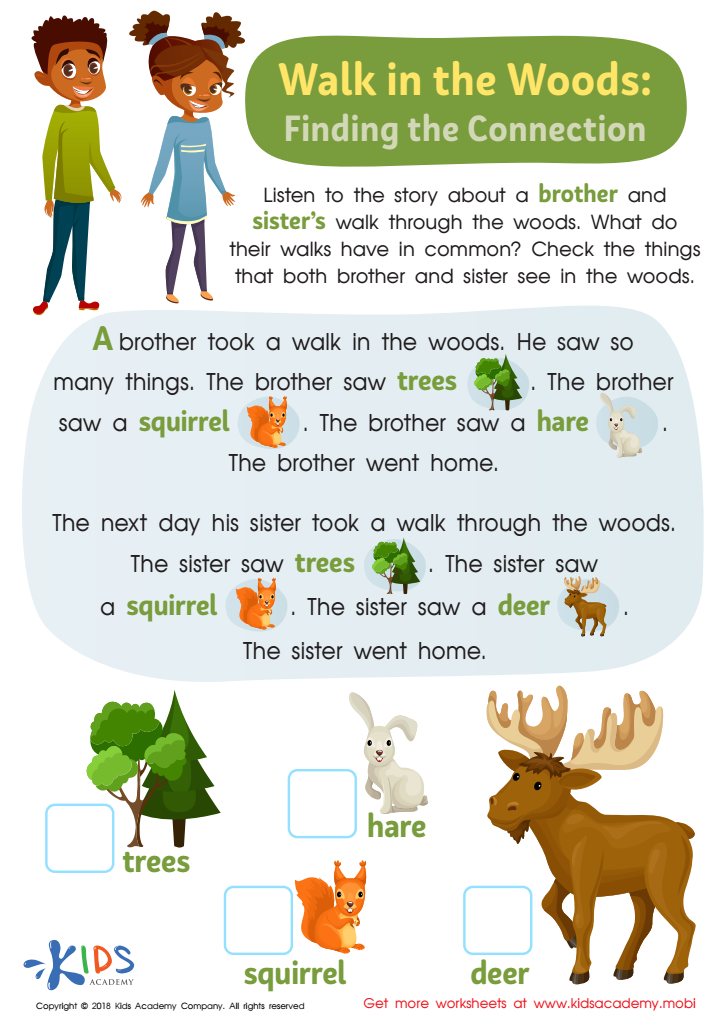
Walk In the Woods: Finding Connections Worksheet
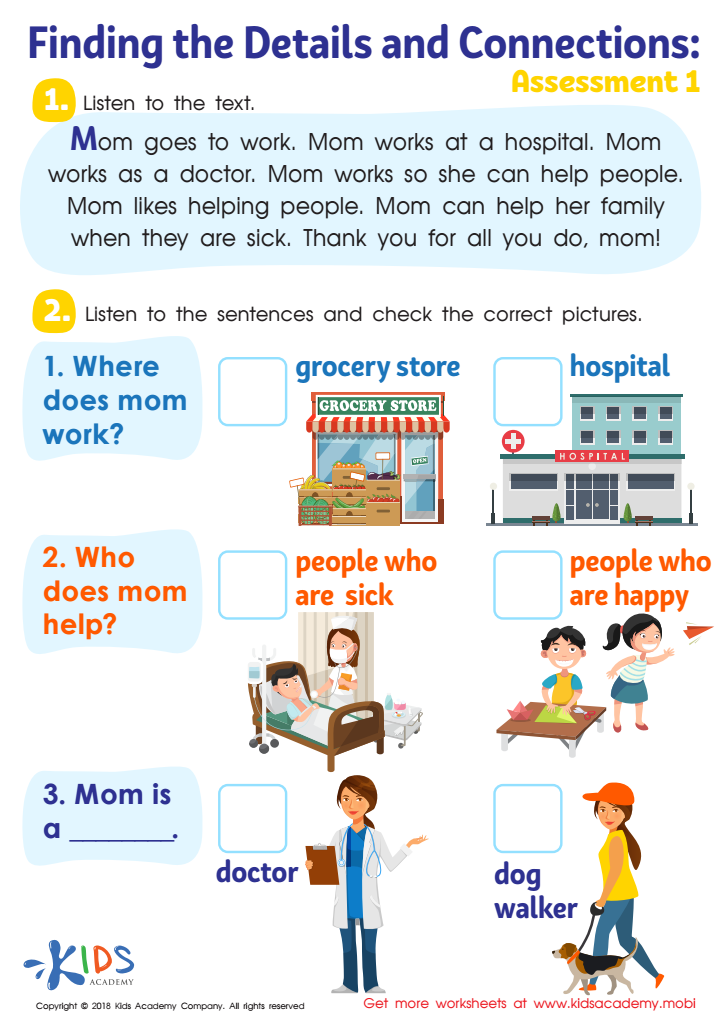
Finding the Details and Connections: Assessment 1 Worksheet
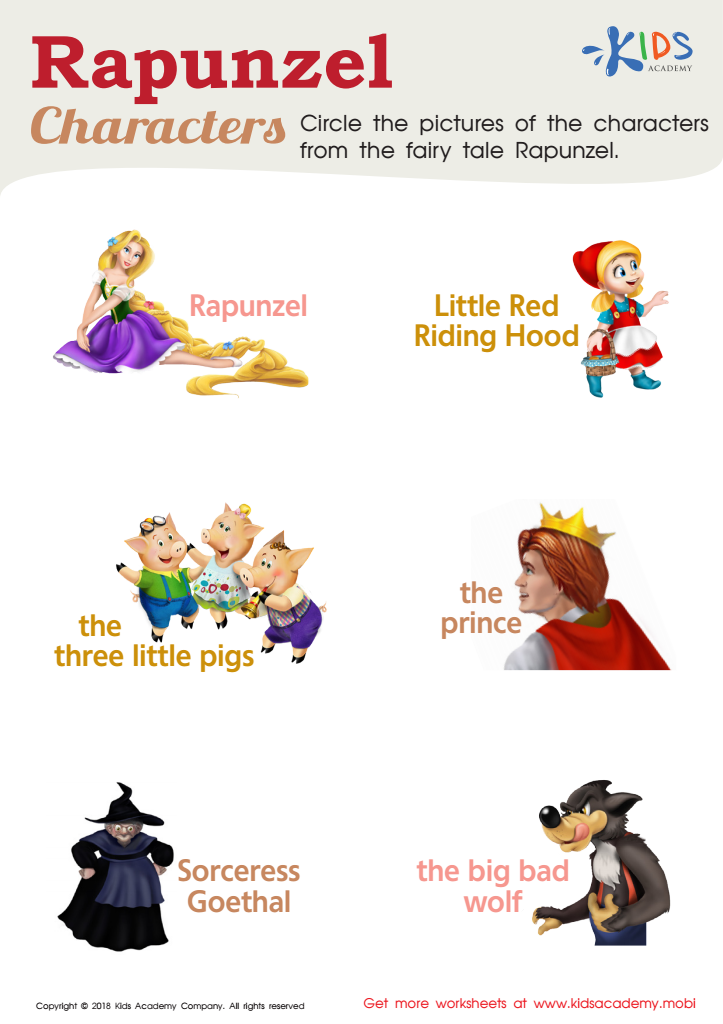
Rapunzel Characters Worksheet


.jpg)


.jpg)


Analytical skills and vocabulary development are crucial for early childhood education, especially for children aged 3-4. During this formative period, babies undergo rapid cognitive growth that lays the foundation for future learning. Developing analytical skills enables children to think critically, solve problems, and understand relationships among different concepts. These skills foster curiosity and encourage children to ask questions, helping them build a deeper understanding of their environment.
Additionally, a well-rounded vocabulary is essential for effective communication. At this age, as children begin to express themselves and understand language, expanding their vocabulary empowers them to articulate thoughts and emotions more clearly. When children have access to a rich vocabulary, they are better equipped to comprehend stories and engage meaningfully with others, laying the groundwork for literacy and academic success.
Parents and teachers should care about nurturing these skills because they directly influence a child's social interactions, academic performance, and overall development. Incorporating analytical exercises and interactive vocabulary-building activities can yield long-term benefits, ultimately preparing children for future learning opportunities. Supporting this critical stage in a child's life helps create confident, inquisitive learners ready to tackle the challenges of later education.








