Logical Reasoning Normal Reading Worksheets for Ages 3-4
3 filtered results
-
From - To
Explore our engaging Logical Reasoning Normal Reading Worksheets designed specifically for ages 3-4! These worksheets foster critical thinking skills while children practice essential reading concepts. Featuring colorful illustrations and age-appropriate activities, children will develop reasoning abilities as they solve puzzles, complete patterns, and make connections between objects and ideas. Perfect for early childhood education, these worksheets support cognitive development and enhance language acquisition. Parents and teachers can easily incorporate them into learning routines for fun, interactive sessions. Unlock your child's potential and nurture their love for learning with our unique collection of logical reasoning reading worksheets tailored for young learners!
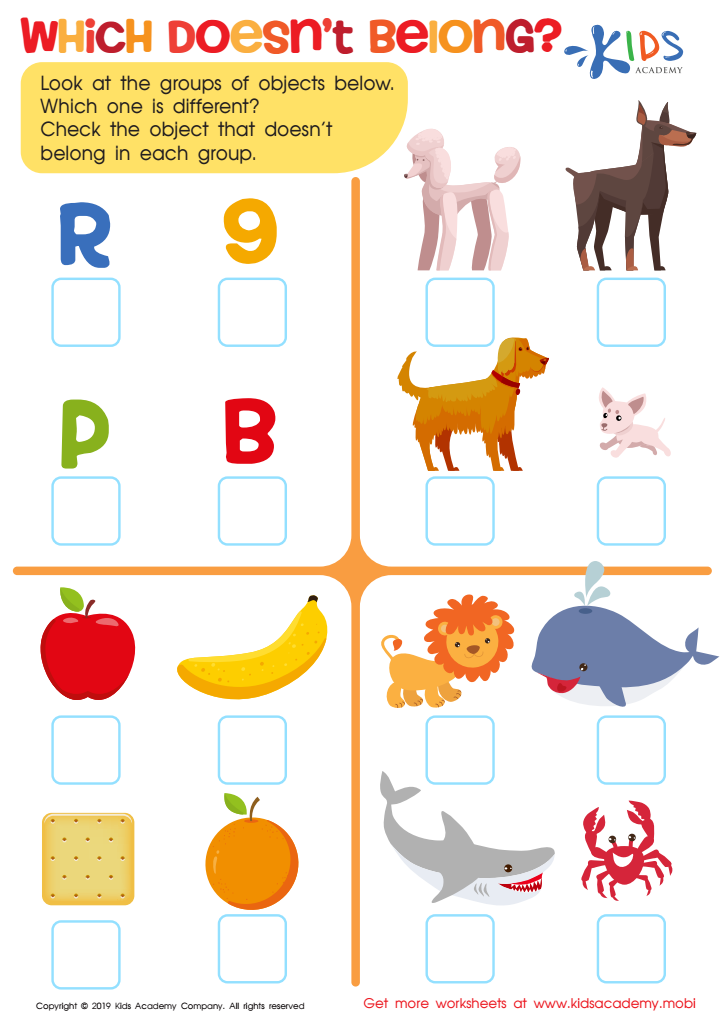
Which Doesn't Belong? Worksheet
 Assign to My Students
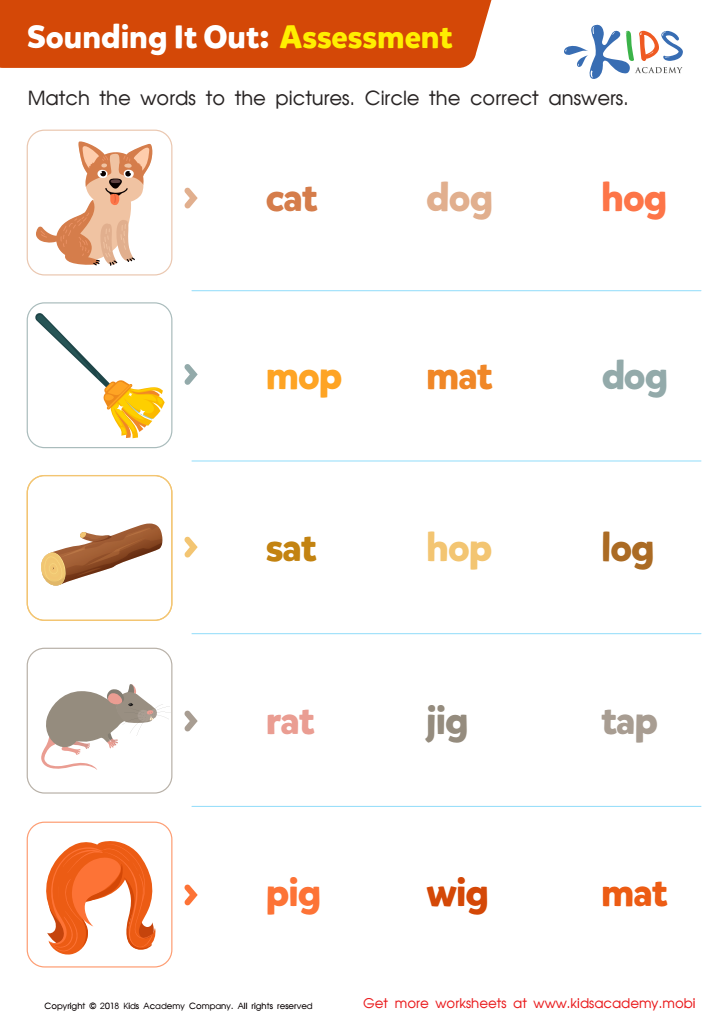
Sounding it Out: Assessment Worksheet
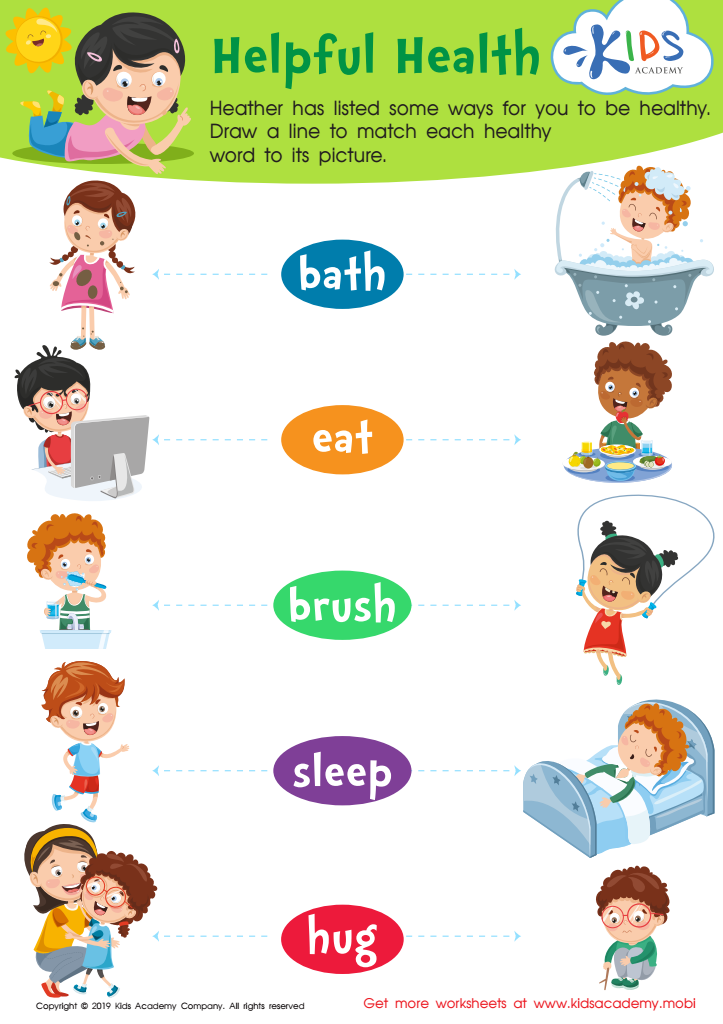
Helpful Health Worksheet






.jpg)

Logical reasoning is a critical cognitive skill that significantly impacts a child’s development, particularly between the ages of 3-4. During this stage, children's brains are rapidly developing, and they are beginning to understand the world around them through cause and effect, patterns, and basic problem-solving. Introducing logical reasoning activities during this formative period fosters cognitive growth, enhances critical thinking skills, and lays the foundational groundwork for future academic success.
Parents and teachers should be concerned with integrating logical reasoning activities into reading experiences because it nurtures children's curiosity and comprehension abilities. Engaging children in stories that challenge their thinking or ask them to predict outcomes promotes active learning and comprehension. Additionally, activities like puzzles, matching games, and sorting tasks complement reading, reinforcing the logical connections between ideas.
By caring about logical reasoning in early reading, parents and teachers equip children with the ability to analyze situations, think independently, and approach challenges creatively. This skill not only supports literacy development but also prepares them for kindergarten and beyond, where advanced reasoning and problem-solving skills become essential for academic achievement and life readiness. Ultimately, cultivating these abilities fosters confident learners who can navigate their educational journeys with ease.








