Problem-Solving Skills Normal Social Studies Worksheets for Ages 3-4
5 filtered results
Difficulty Level
Grade
Age
-
From - To
Subject
Activity
Standards
Explore our engaging Problem-Solving Skills worksheets designed specifically for children aged 3-4. These interactive social studies activities encourage young learners to think critically and creatively while navigating familiar situations. Our colorful and age-appropriate worksheets help kids develop essential problem-solving skills, such as identifying challenges, brainstorming solutions, and evaluating outcomes. Perfect for both home and classroom settings, these resources promote cognitive development while making learning fun. Encourage curiosity and confidence in your little ones as they tackle age-themed scenarios and improve their reasoning abilities. Download our problem-solving worksheets today to enhance your child's social studies experience and watch them thrive!
Favorites
With answer key
Interactive
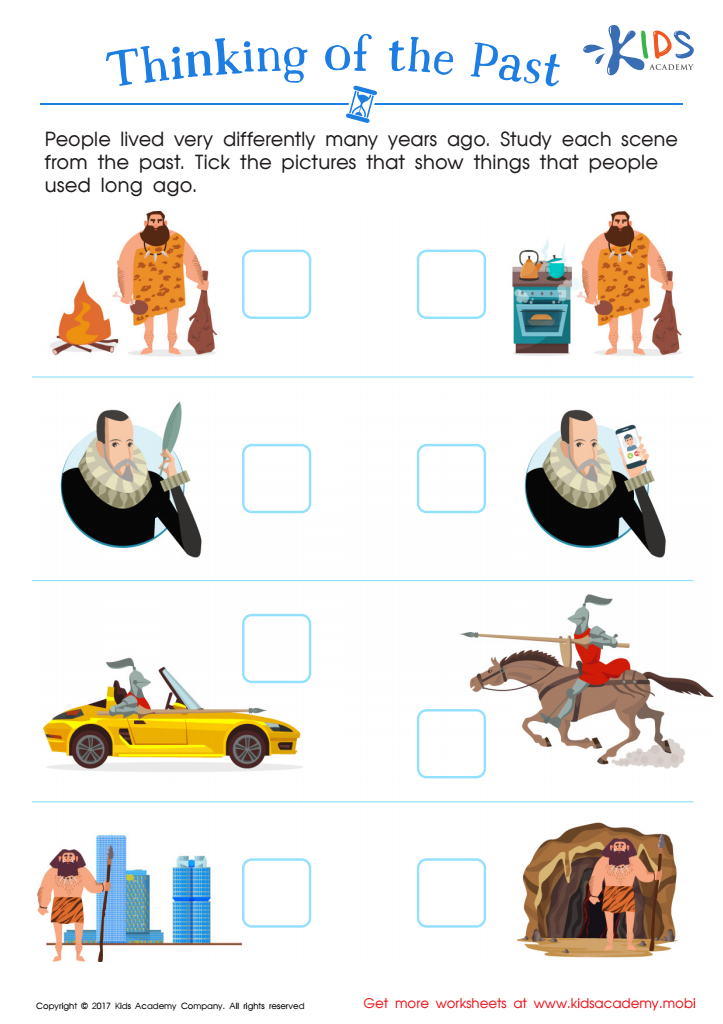
Thinking Past Printable
Bring the past to life for your kid with this fun worksheet! They'll use logic to choose the right answer, learning about different eras and how people lived in them. With a colorful caveman and modern skyscraper side by side, they won't even realize they're building historical knowledge.
 Assign to My Students
Thinking Past Printable
Worksheet
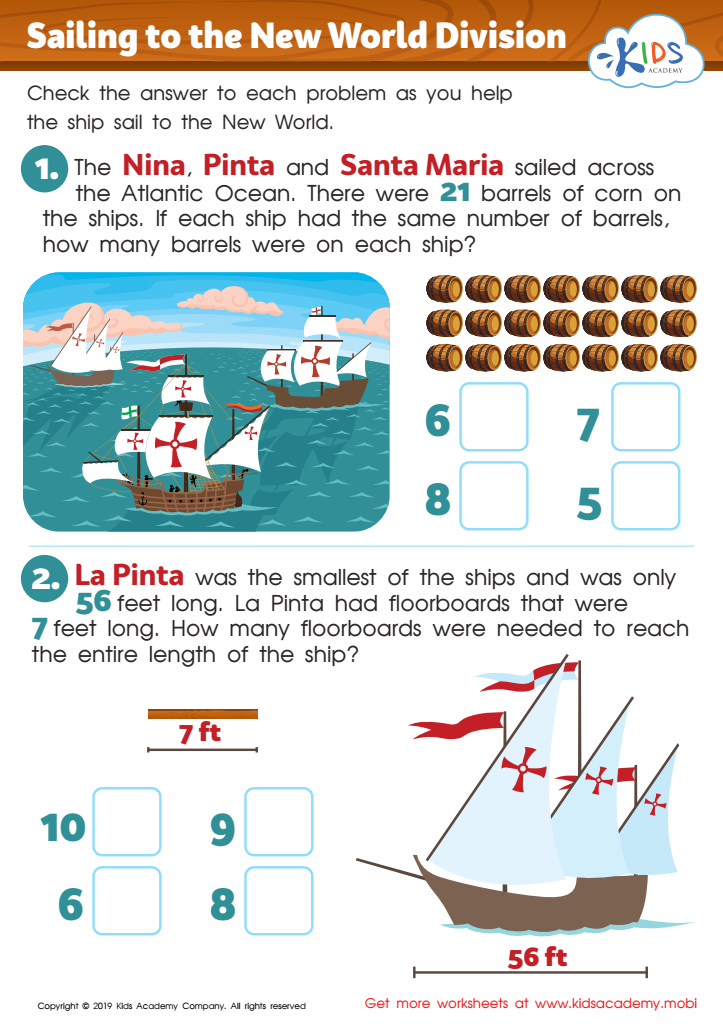
Sailing to the New World Division Worksheet
This worksheet combines history and math, helping kids make sense of problem-solving. Christopher Columbus sailing the ocean blue is combined with picture representations of division word problems in bold colors and highlighted numbers. Kids can learn while having fun figuring out the problems, regardless of whether it's math or history.
Sailing to the New World Division Worksheet
Worksheet

Towns Worksheet
Towns are generally quiet and safe, making them attractive for young families. Cities have more people, businesses and tall buildings. Roads are busy, and there is often plenty to do and see. Help your kids check which pictures in this worksheet show towns.
Towns Worksheet
Worksheet

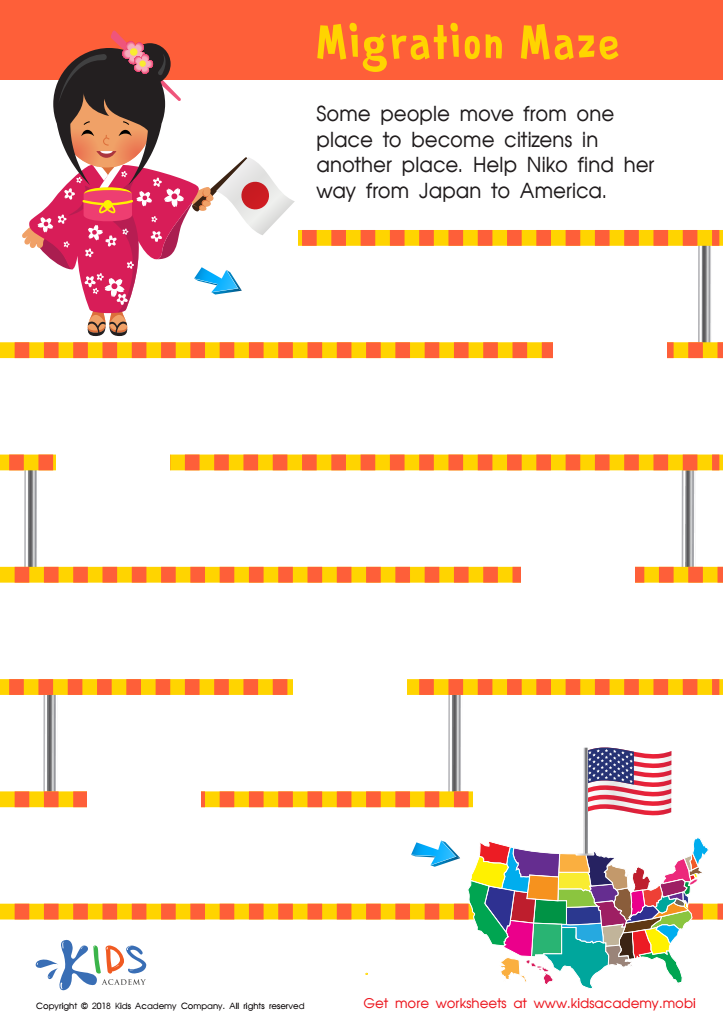
Migration Maze Worksheet
You are a citizen of your school, city and country. Many people migrate to become citizens of another place, like Niko in this worksheet. Ask your students to help her find her way from Japan to America.
Migration Maze Worksheet
Worksheet
Join Kids Academy for Free
Who is primarily going to use this learning content?







Problem-solving skills are essential for young children, especially in the context of Social Studies for ages 3-4. At this developmental stage, children are beginning to explore their environment and understand social interactions. Fostering strong problem-solving abilities equips them with the tools to navigate challenges they may face in their everyday lives.
Parents and teachers should care about these skills because they are foundational for both cognitive development and social-emotional growth. Through activities in Social Studies, children learn to collaborate, communicate, and think critically about the world around them. These skills help youngsters understand diverse perspectives, resolve conflicts, and work together on community issues, fostering empathy and social responsibility.
Moreover, early exposure to problem-solving empowers children to become confident decision-makers. In a world increasingly full of challenges, fostering these skills can instill a sense of agency and resilience. Ultimately, by emphasizing problem-solving in Social Studies, educators and parents can help lay the groundwork for lifelong learning, encouraging children to become inquisitive thinkers who can approach issues with creativity and reasoning. Supporting this early development is not just beneficial but crucial for nurturing well-rounded, socially-aware individuals.