Reading comprehension Normal World Around Us Worksheets for Ages 3-4 - Page 2
25 filtered results
-
From - To
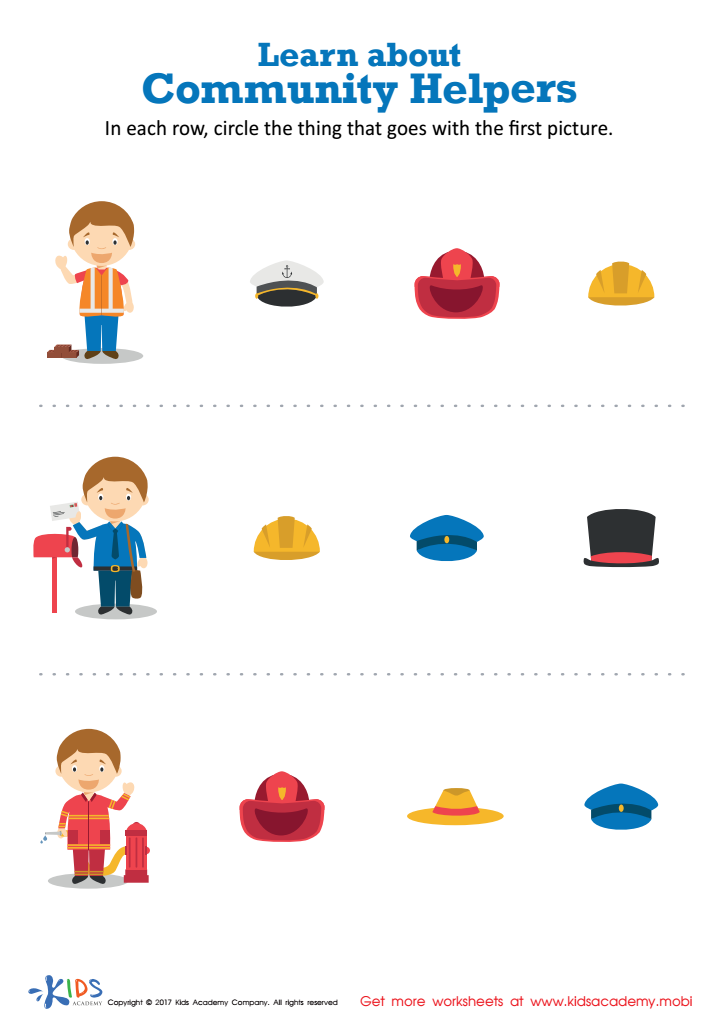
Learn about Community Helpers Printable
 Assign to My Students


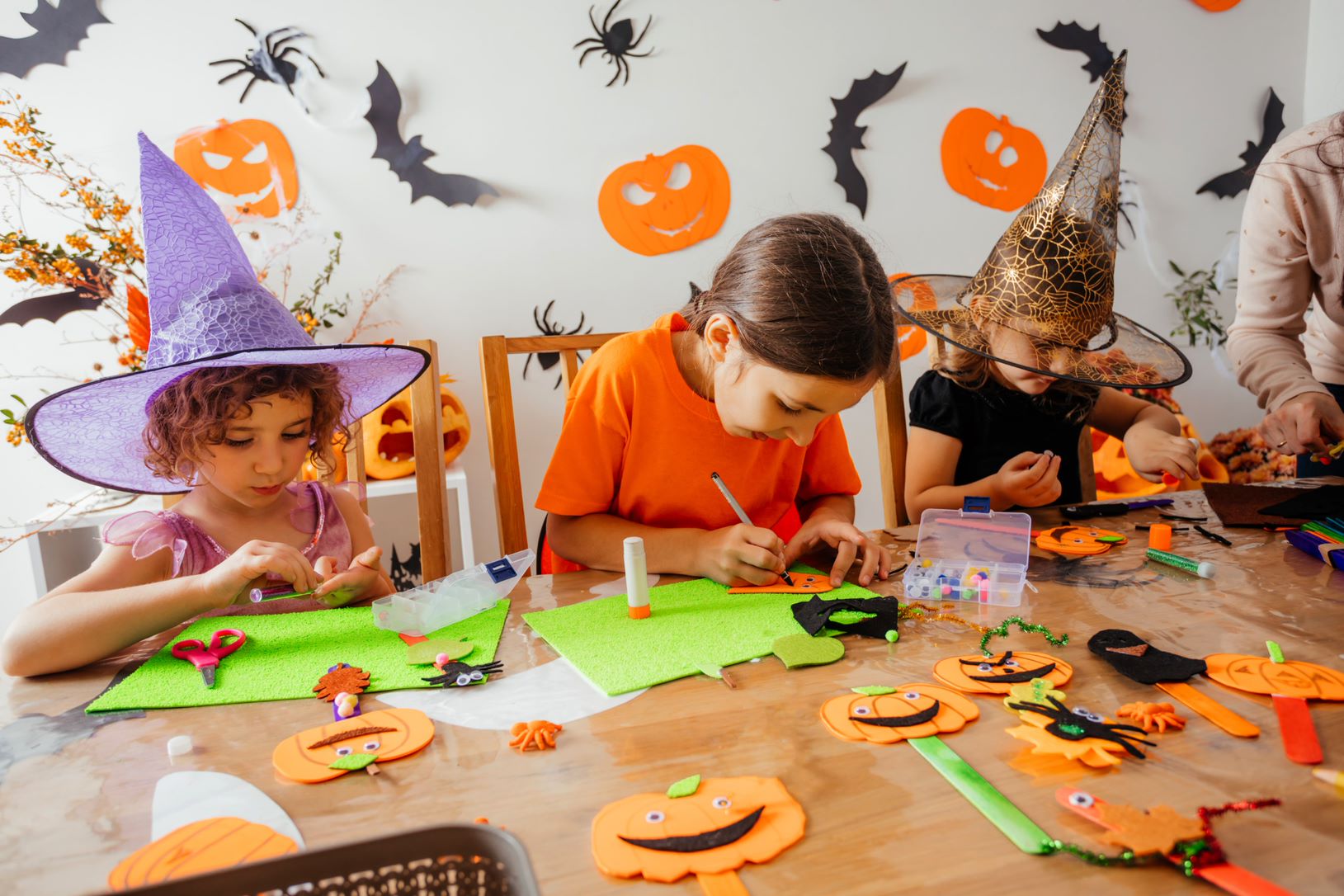





Reading comprehension in early childhood, particularly for ages 3-4, is vital for a child's cognitive and social development. During this age, children are naturally curious and eager to absorb information about the world around them. By focusing on reading comprehension, parents and teachers help foster a love for books, laying a strong foundation for literacy skills.
When children understand stories and concepts, they become more engaged during reading activities. This also enhances their vocabulary, as they encounter new words in context, promoting better language skills. Comprehension activities can introduce children to various topics, from nature and animals to community roles, helping them make sense of their environment and experiences.
Furthermore, reading comprehension strengthens critical thinking and imagination. As young learners visualize stories and relate them to their own lives, they develop empathy and emotional intelligence. This is crucial for building social skills and understanding differing perspectives.
Ultimately, prioritizing reading comprehension prepares children for formal education, empowering them to approach reading with confidence. Thus, parents and teachers who invest time in these early literacy skills contribute significantly to a child's academic success and overall development.