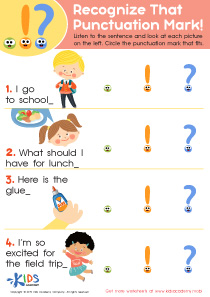
Fine Motor Skills Normal Writing Worksheets for Ages 3-4
5 filtered results
-
From - To
Enhance your child's fine motor skills with our engaging Normal Writing Worksheets designed specifically for ages 3-4. These worksheets offer fun and interactive activities that promote hand-eye coordination, grip control, and writing readiness. Each sheet features colorful illustrations and age-appropriate tasks that motivate young learners to practice essential skills. Children will develop confidence as they trace letters, shapes, and lines, paving the way for future writing success. Perfect for use at home or in the classroom, our fine motor skills worksheets provide a foundational tool for early childhood development. Get ready to inspire creativity and learning in your little ones today!

Snowman Tracing Winter Words Worksheet
 Assign to My Students
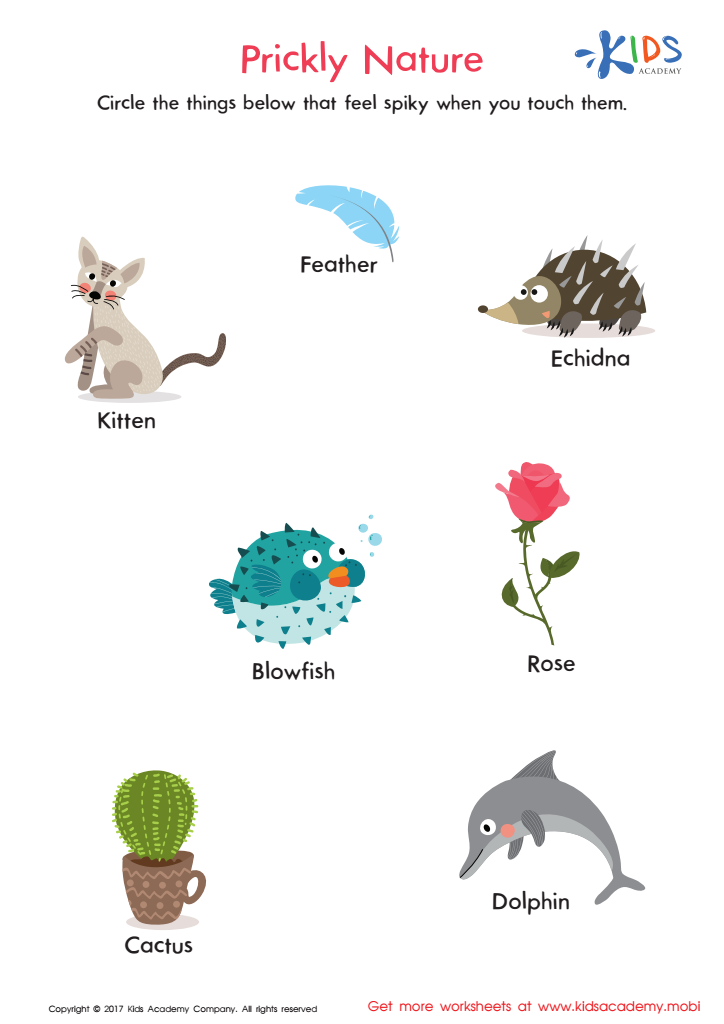
Prickly Nature Worksheet
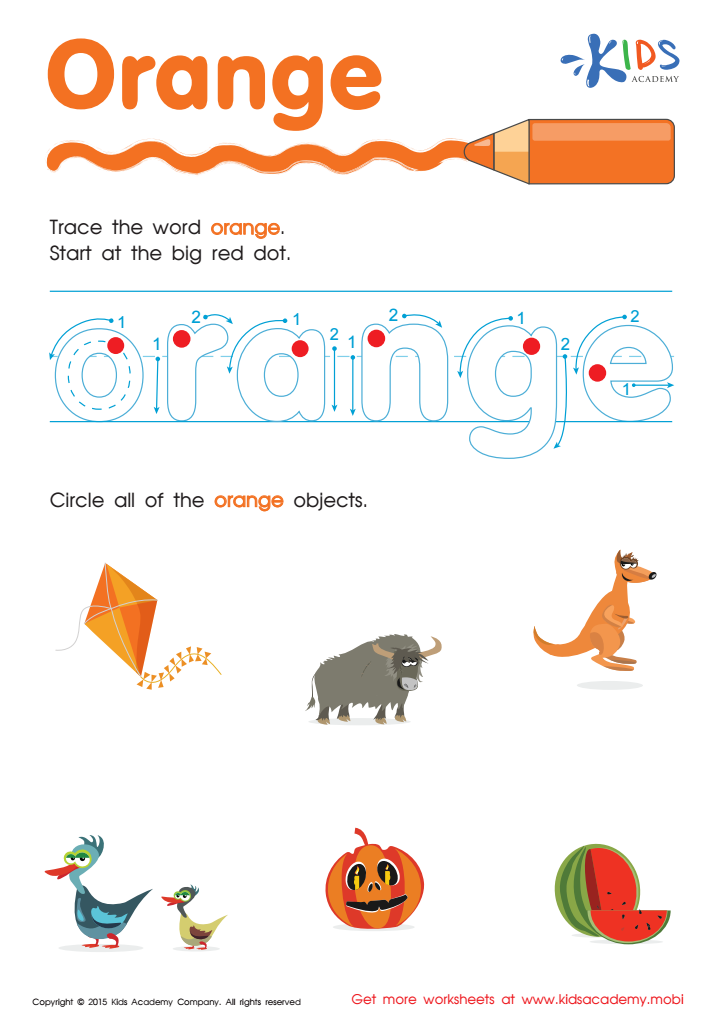
Orange Tracing Color Words Worksheet
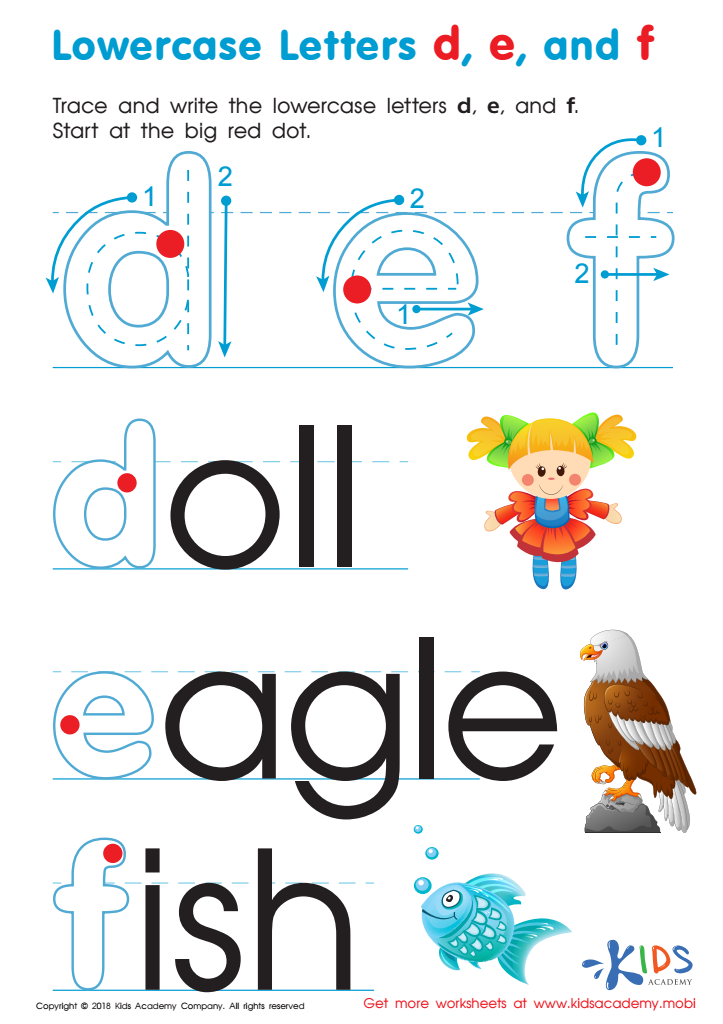
Lowercase Letters d e f Worksheet

White Tracing Color Words Worksheet







Fine motor skills are crucial for young children's development, especially at ages 3-4 when they are on the brink of literacy. These skills involve the small muscles in the hands and fingers, which are essential for tasks like holding a pencil, cutting with scissors, and manipulating small objects. Developing fine motor skills in early childhood sets the foundation for writing, drawing, and other educational activities.
Parents and teachers should prioritize fine motor skill development because it directly influences a child's academic success and general confidence. Strong fine motor skills help children control their writing instruments, leading to better letter formation and ultimately improving their writing quality. Furthermore, these skills foster independence as children learn to manage buttons, zippers, and other self-care tasks.
Engaging in activities such as coloring, crafting, and playing with building blocks not only promotes fine motor skills but also encourages creativity and problem-solving. By nurturing these abilities, adults facilitate an environment conducive to learning and exploration, allowing children to express themselves effectively. Ultimately, fostering fine motor skills at this age is an investment in a child’s future educational journey, helping them transition smoothly to more complex tasks in the years ahead.