Reading skills improvement Normal Alphabet Worksheets for Ages 3-5
6 filtered results
-
From - To
Boost your child's reading skills with our engaging Normal Alphabet Worksheets designed for ages 3-5. These worksheets promote early literacy through interactive activities focused on recognizing letters, sounds, and word formation. Each activity is tailored to enhance comprehension and foster a love for reading in young learners. With colorful illustrations and age-appropriate exercises, our worksheets make learning fun and effective. Perfect for parents and teachers alike, these resources aim to build a strong foundation in reading, preparing children for their educational journey. Discover the joy of reading with our specially crafted materials, designed to nurture your child's curiosity and confidence!
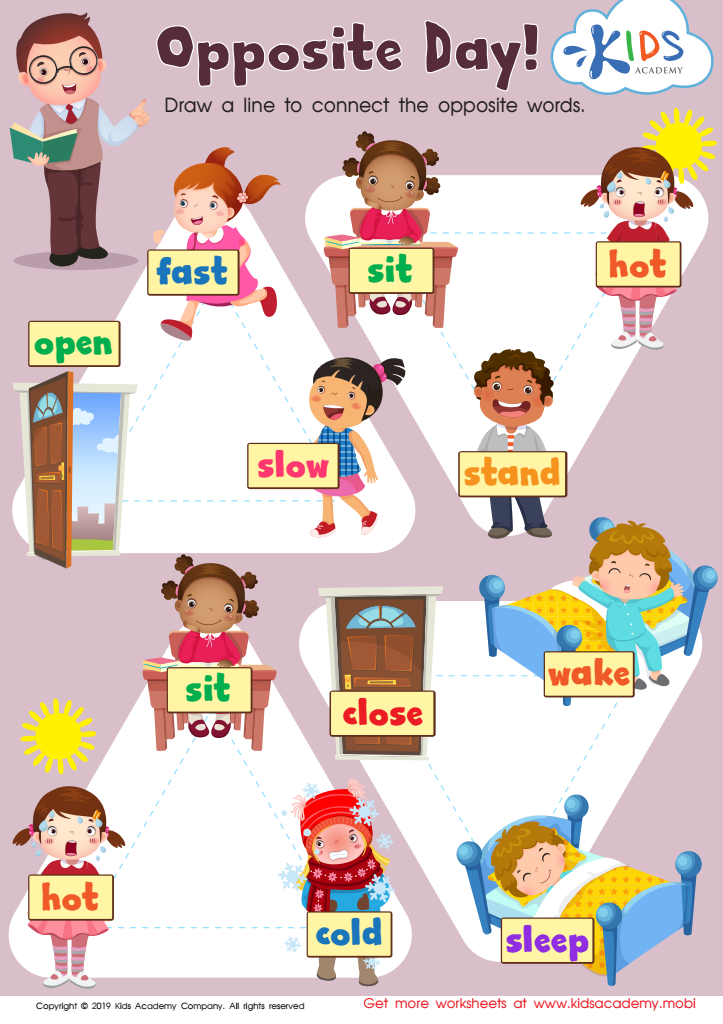
Opposite Day Worksheet
 Assign to My Students
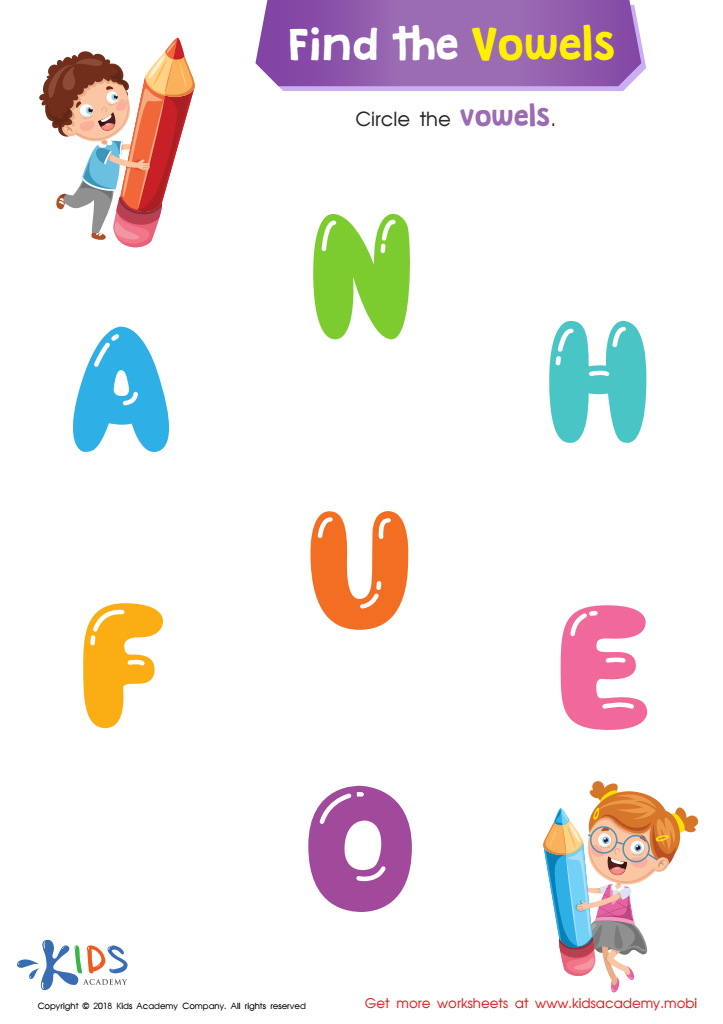
Find the Vowels Reading Worksheet
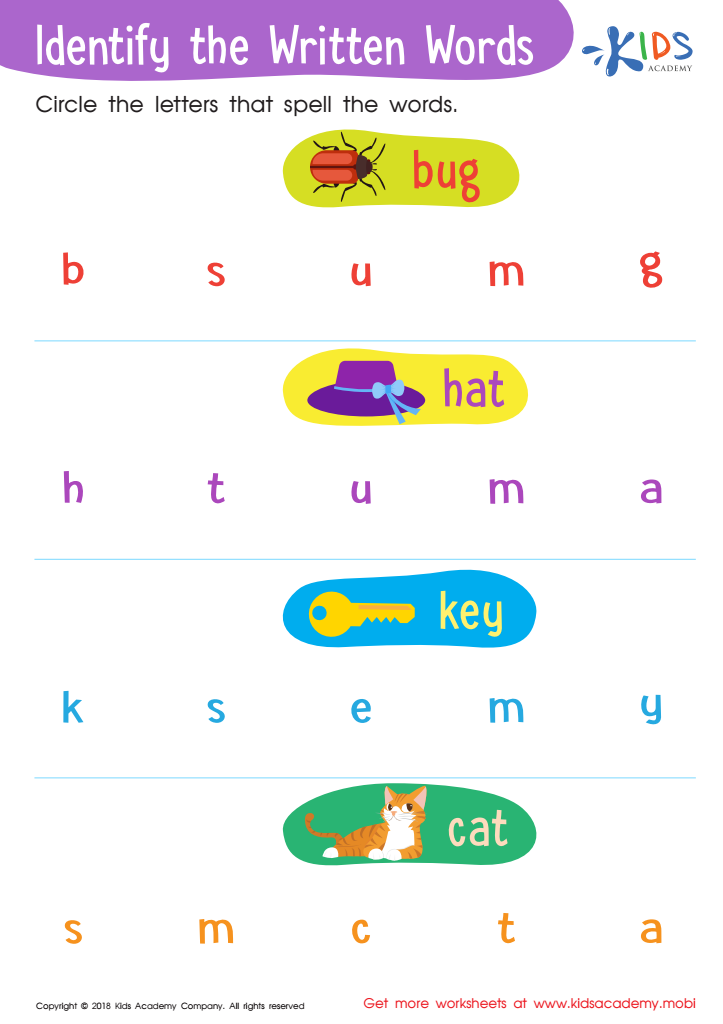
Identify the Written Words Worksheet
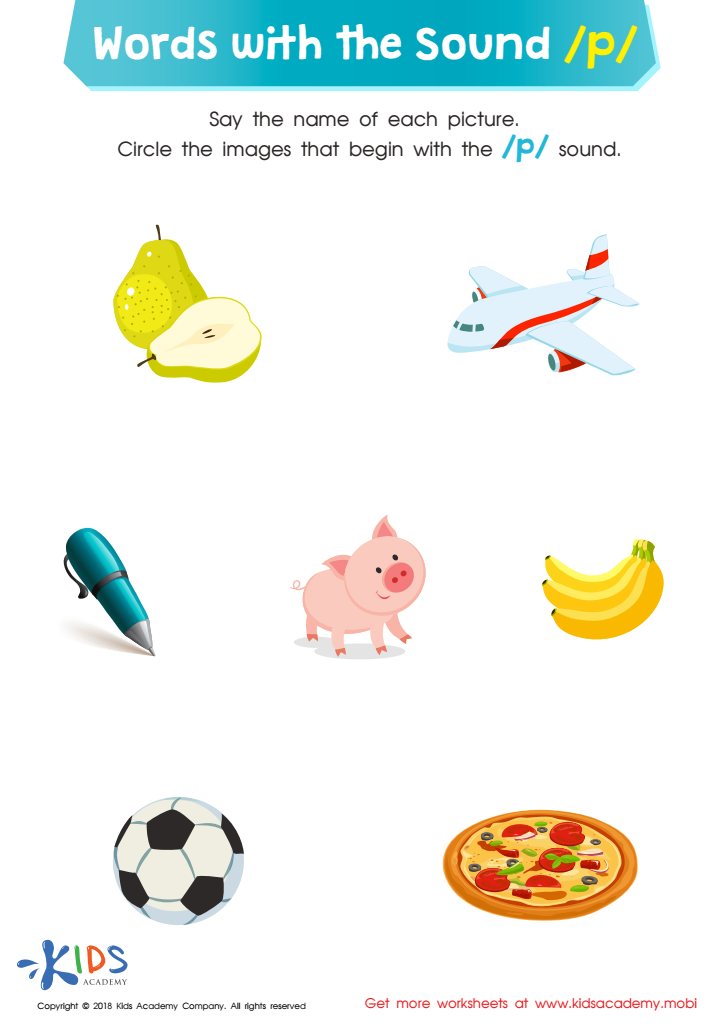
Words with sound p Reading Worksheet
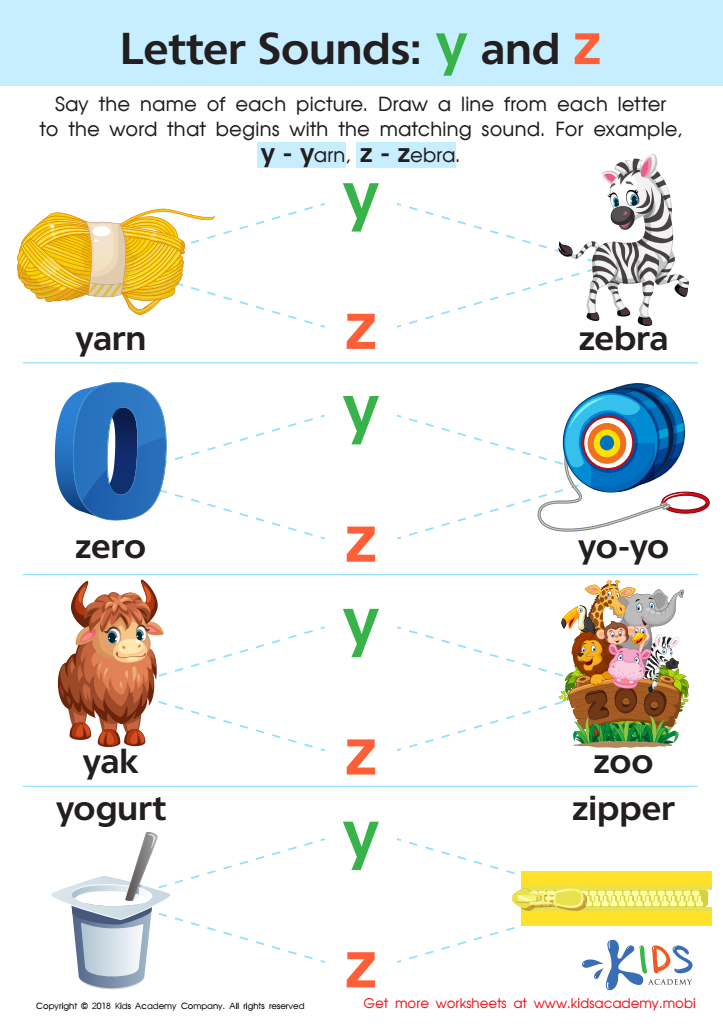
Letter Y and Z Sounds Worksheet
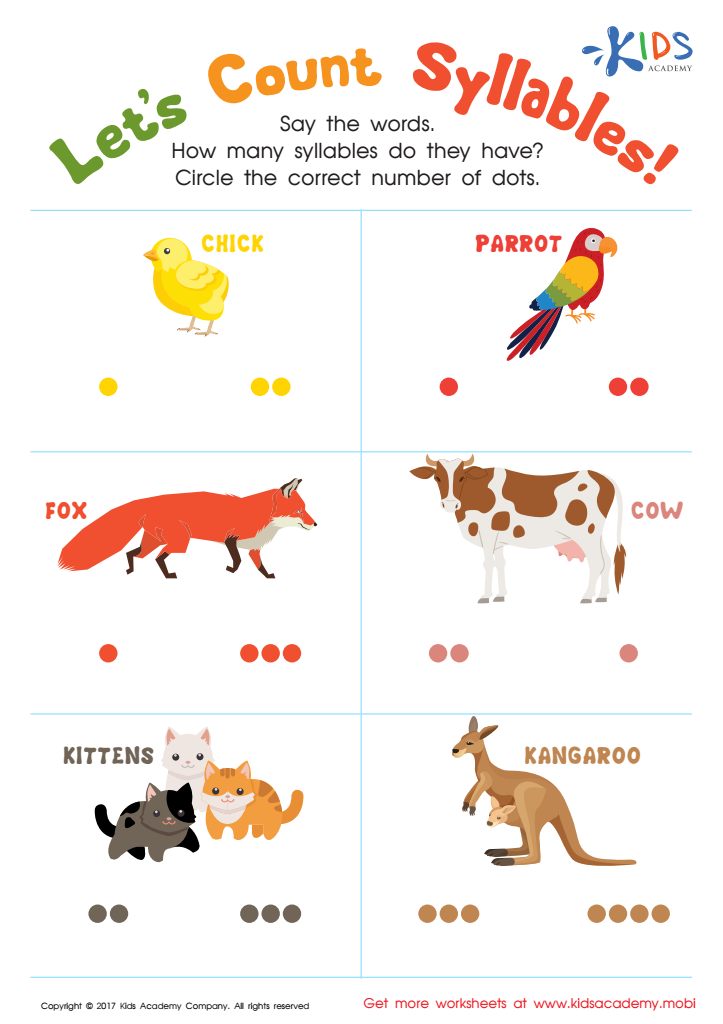
Lets Count Syllables Worksheet








Reading skills development in children aged 3-5 is crucial for their overall growth and future academic success. During these formative years, children start to develop foundational literacy skills that significantly impact their ability to communicate effectively and understand the world around them. Early reading experiences not only enhance vocabulary but also foster critical thinking, imagination, and creativity.
When parents and teachers prioritize reading skills improvement, they open the door for numerous benefits. Children who can read well are more likely to excel in school and engage with their peers through shared stories and ideas. This early engagement in reading also boosts confidence and a love for learning, setting a positive trajectory for lifelong education.
Moreover, strong reading skills are linked to improved emotional and social development. Children who can express themselves and comprehend narratives are better equipped to navigate their emotions and develop empathy toward others. Involving parents and caregivers in reading activities ensures that children receive the necessary support and encouragement. By investing time and effort into cultivating reading skills in young learners, we ensure their preparedness for future academic challenges and lifelong success.







