Fine Motor Skills Normal Tracing Letters Worksheets for Ages 3-5
20 filtered results
-
From - To
Enhance your child's fine motor skills with our "Fine Motor Skills Normal Tracing Letters Worksheets" designed specifically for ages 3-5. These carefully crafted worksheets help young learners develop precise hand movements essential for writing. Engaging tracing activities introduce the alphabet while strengthening hand-eye coordination and finger dexterity. Perfect for preschool and kindergarten readiness, our fun and educational worksheets ensure foundational skills are built with confidence. Download now and unlock your child's potential through interactive learning and practice. Ideal for parents and educators aiming to support early childhood development and successful writing experiences.
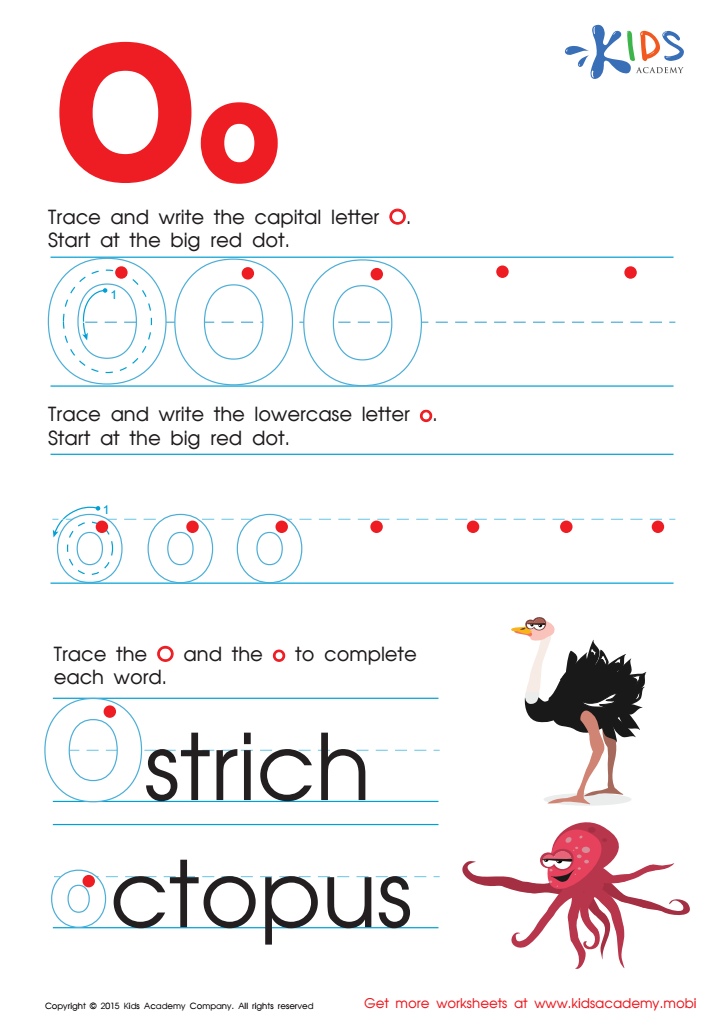
Letter O Tracing Page
 Assign to My Students
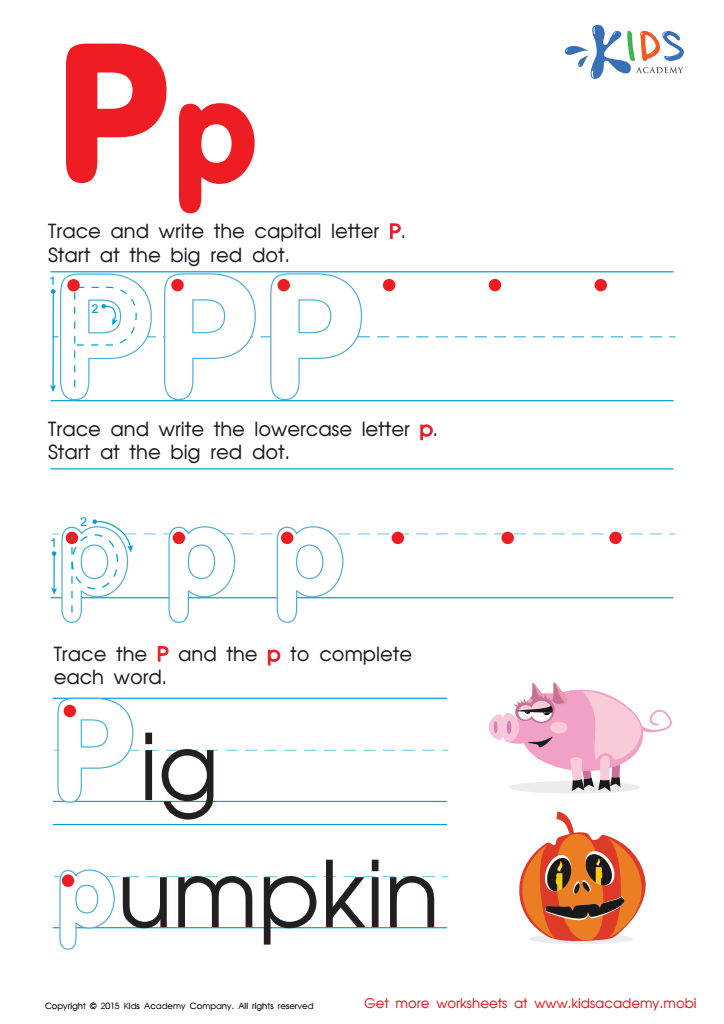
Letter P Tracing Page
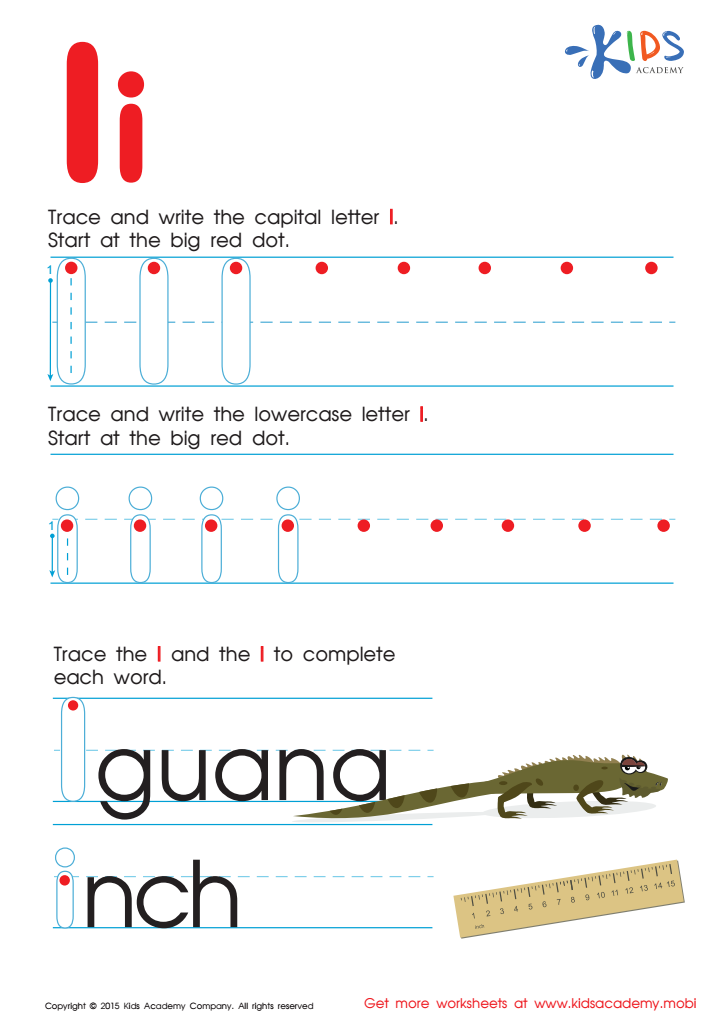
Letter I Tracing Page
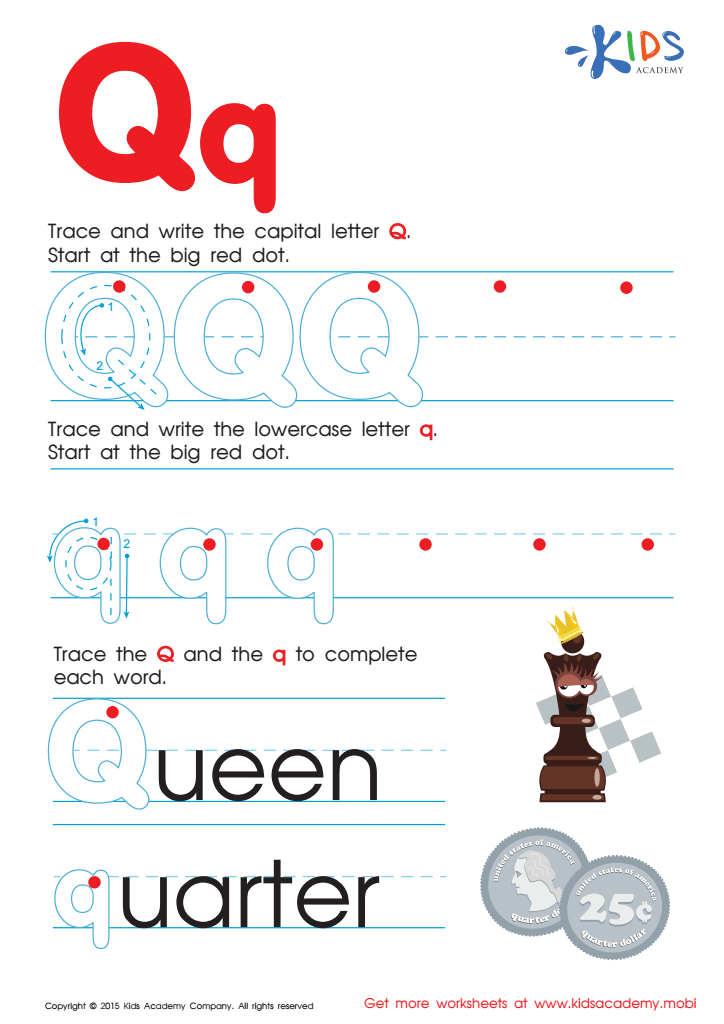
Letter Q Tracing Page
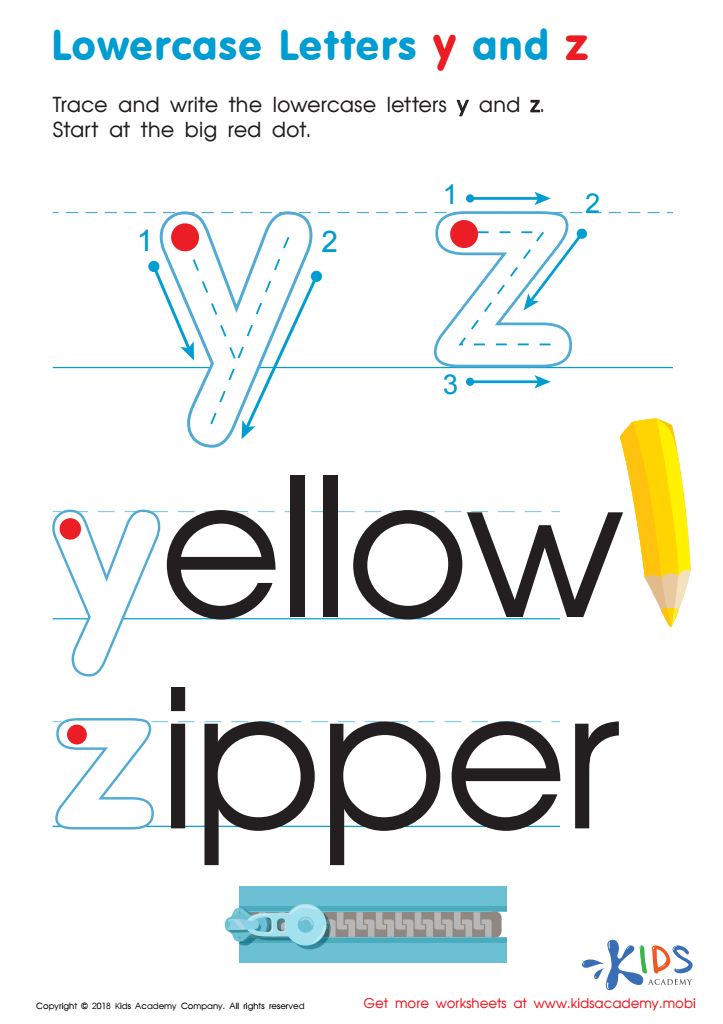
Lowercase Letters y z Worksheet
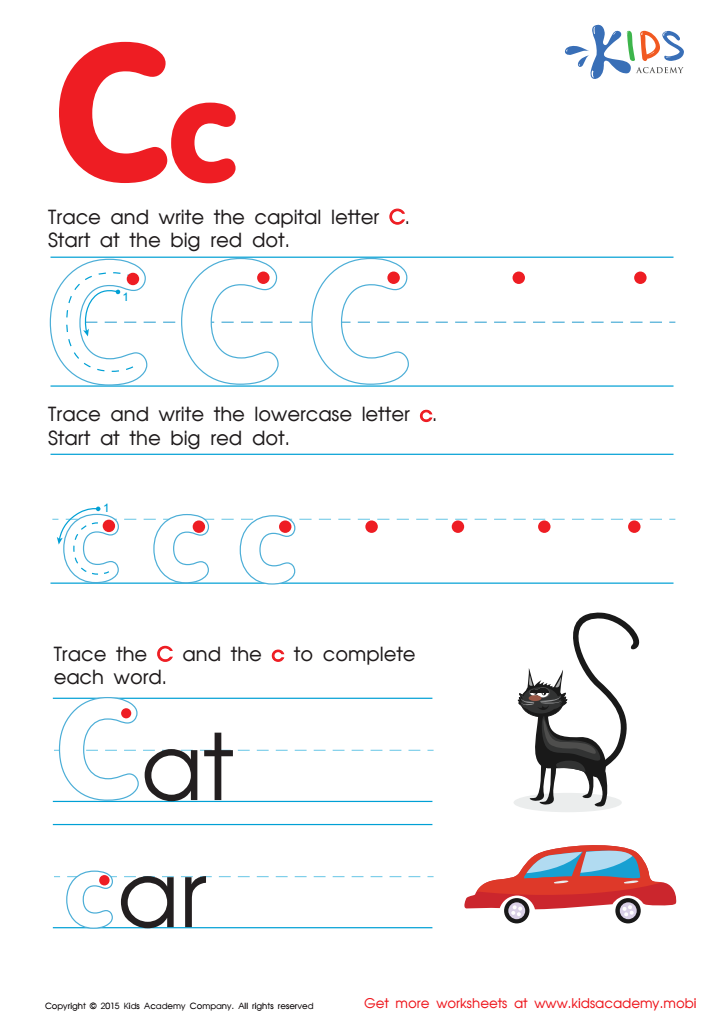
Letter C Tracing Page
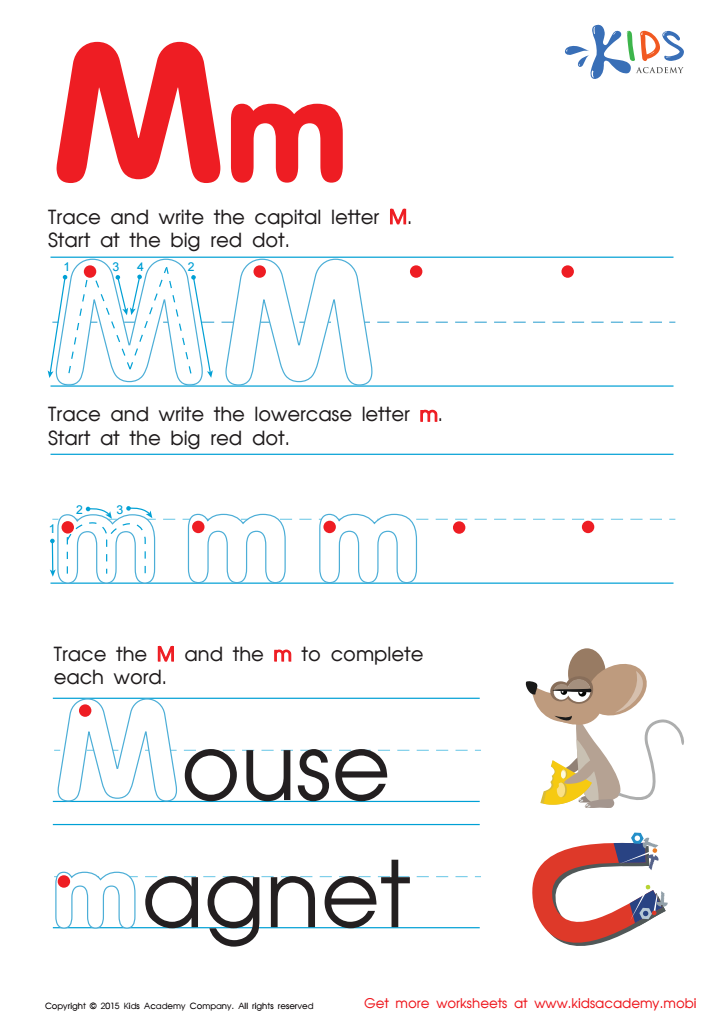
Letter M Tracing Page
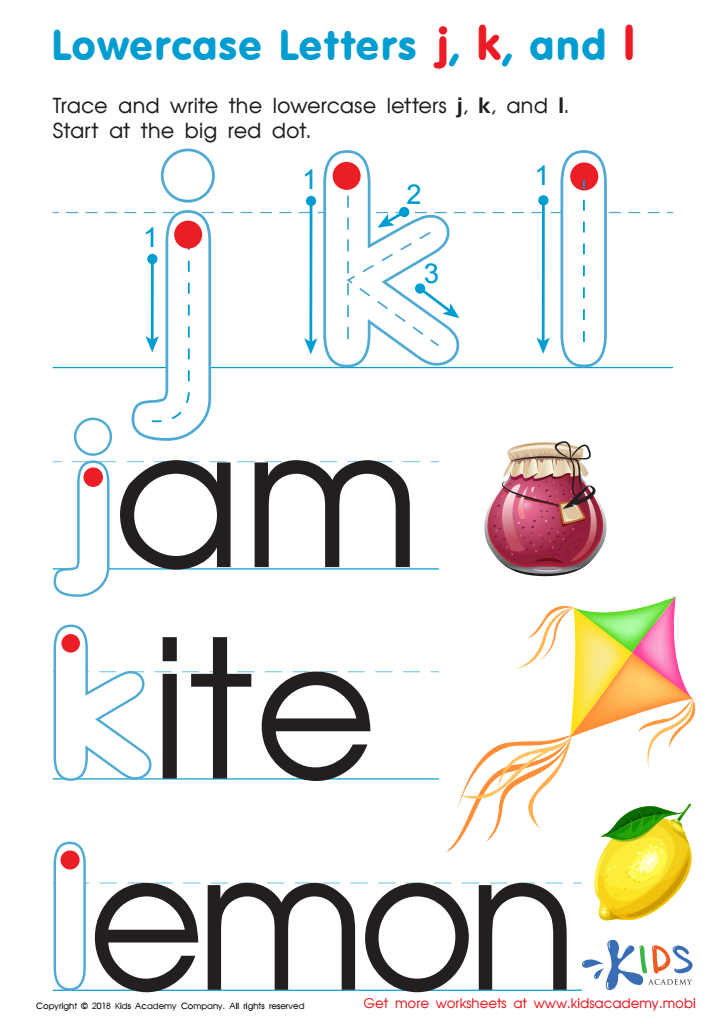
Lowercase Letters j k l Worksheet
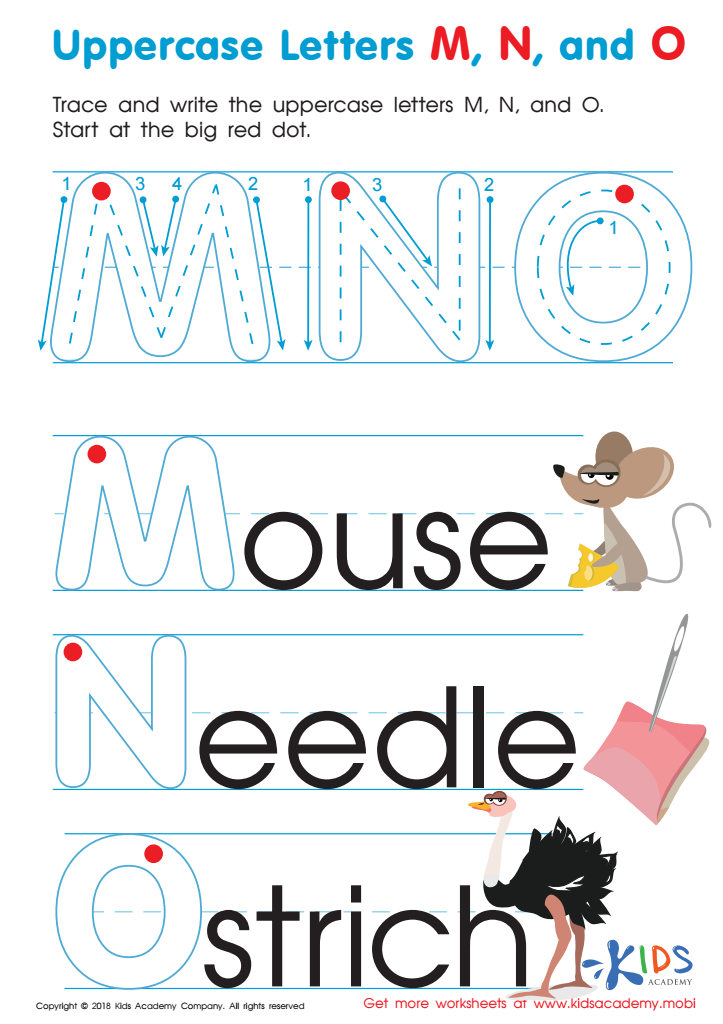
Uppercase Letters M, N, and O Worksheet
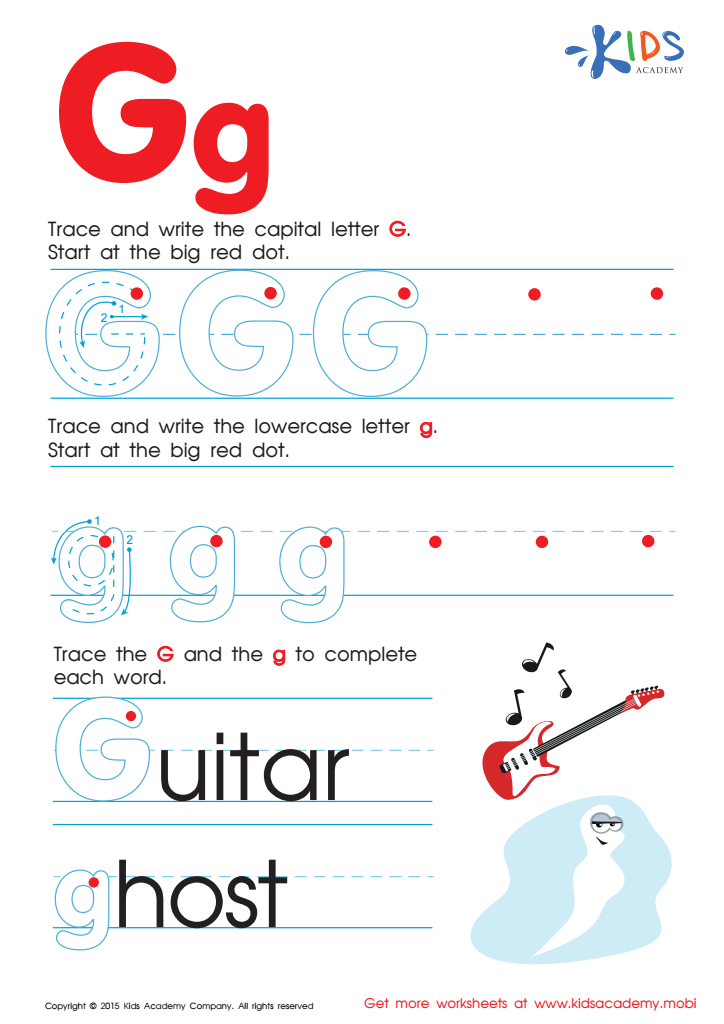
Letter G Tracing Page
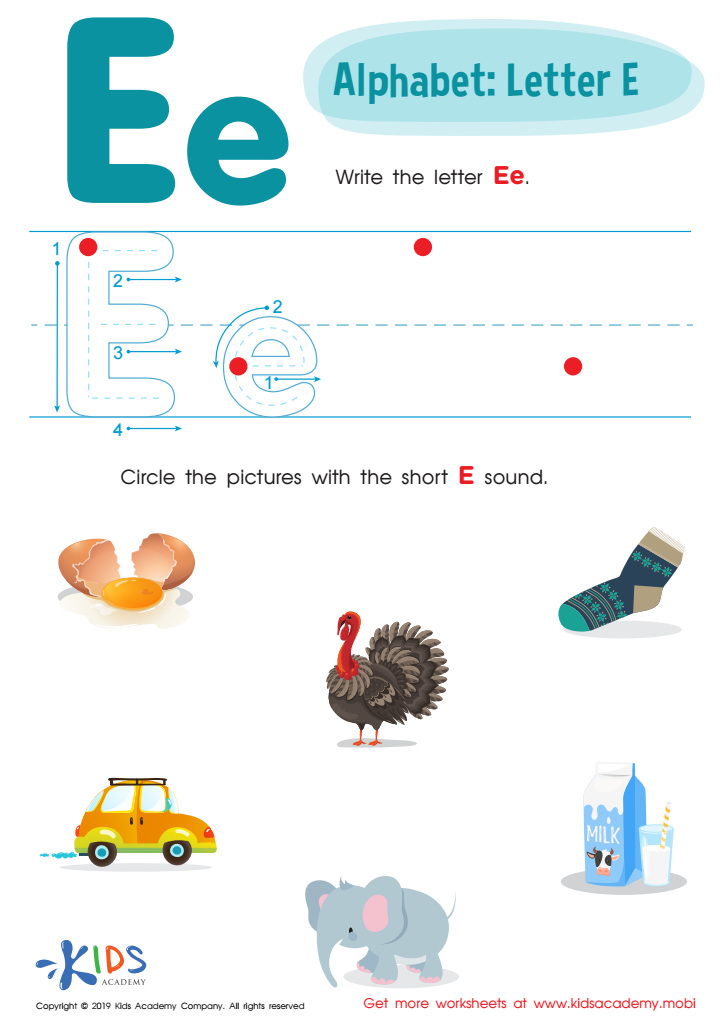
Letter E Tracing Worksheet
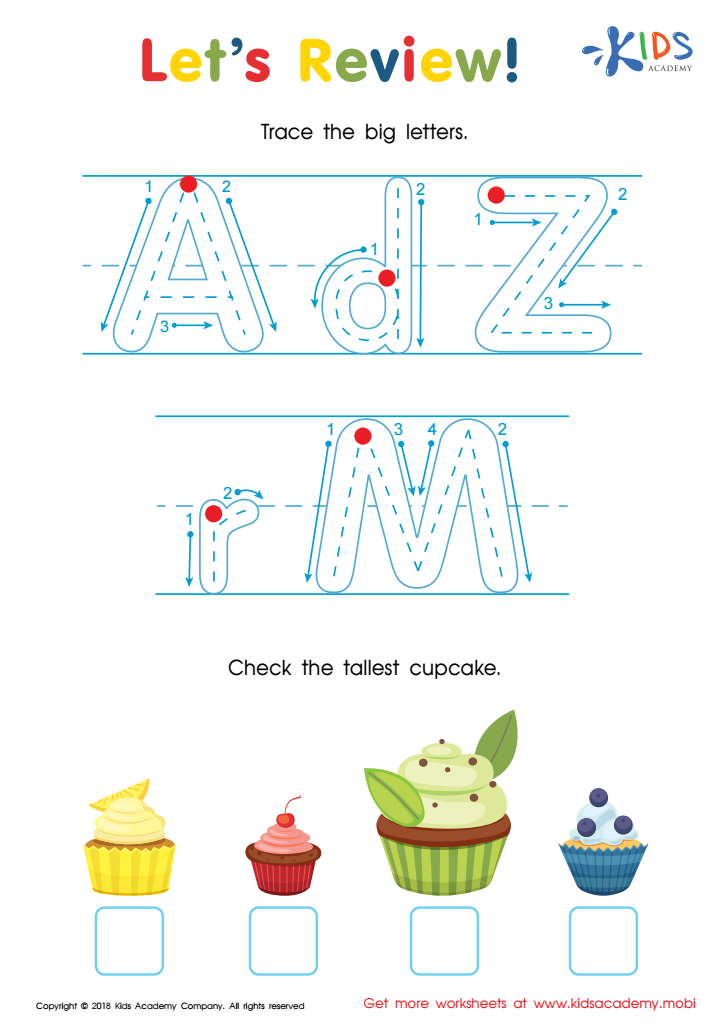
Let's Review! Big Letters Worksheet
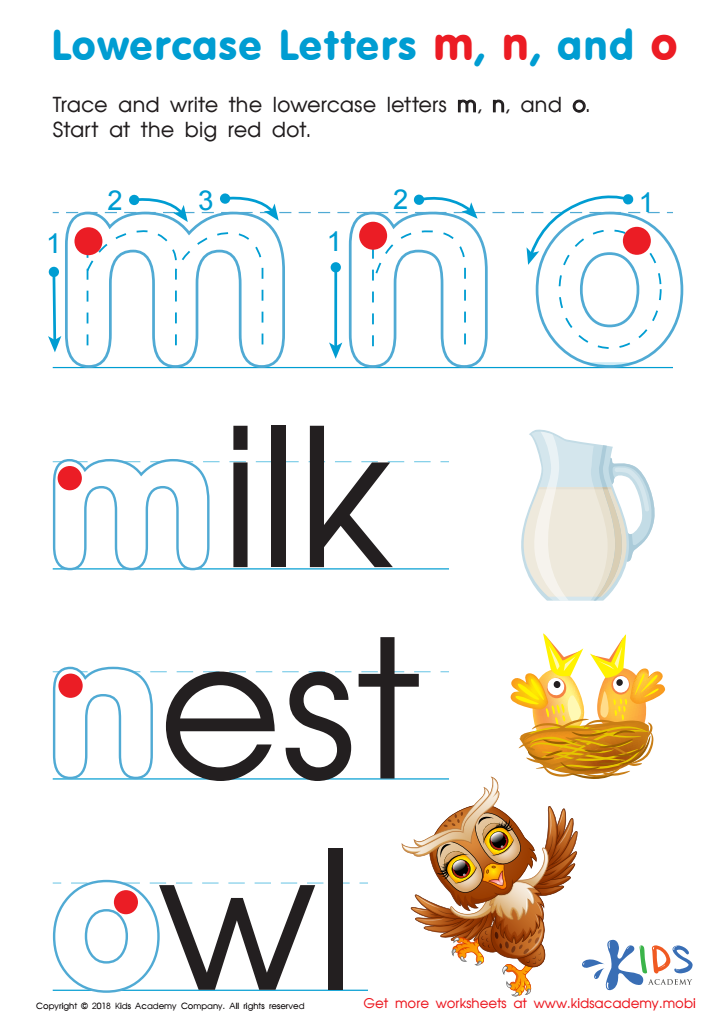
Lowercase Letters m n o Worksheet
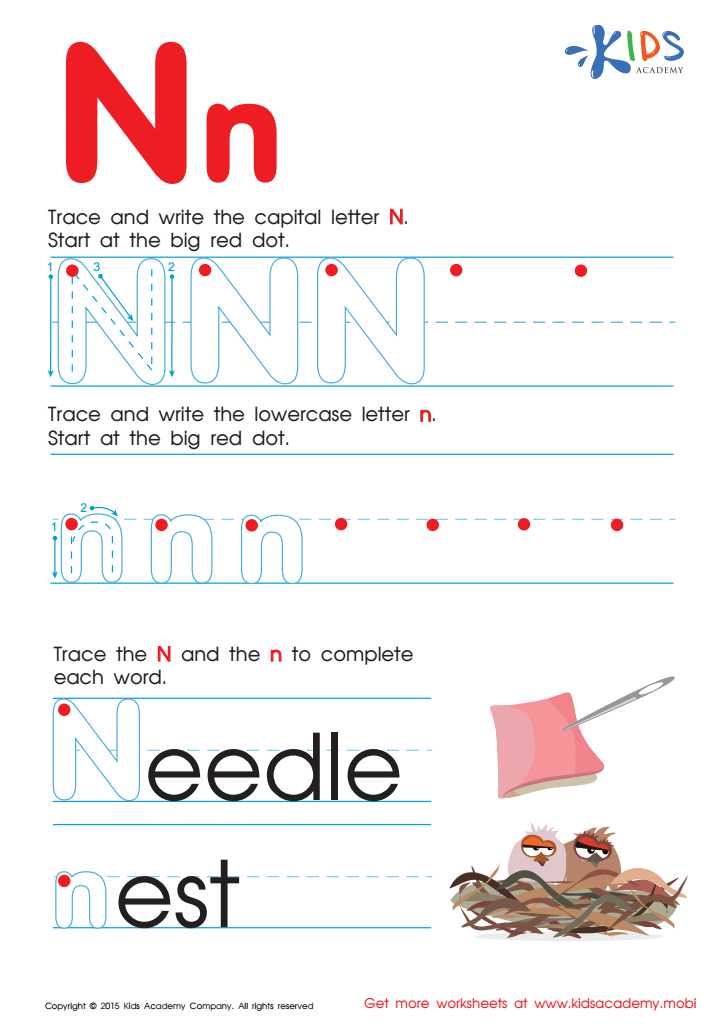
Letter N Tracing Page
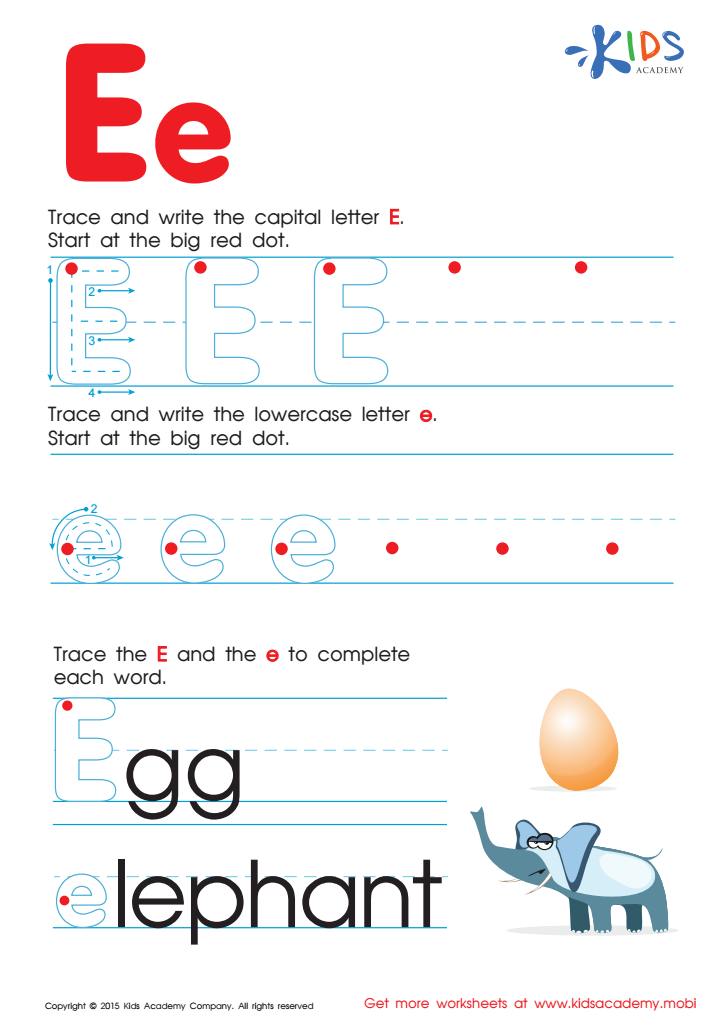
Letter E Tracing Page
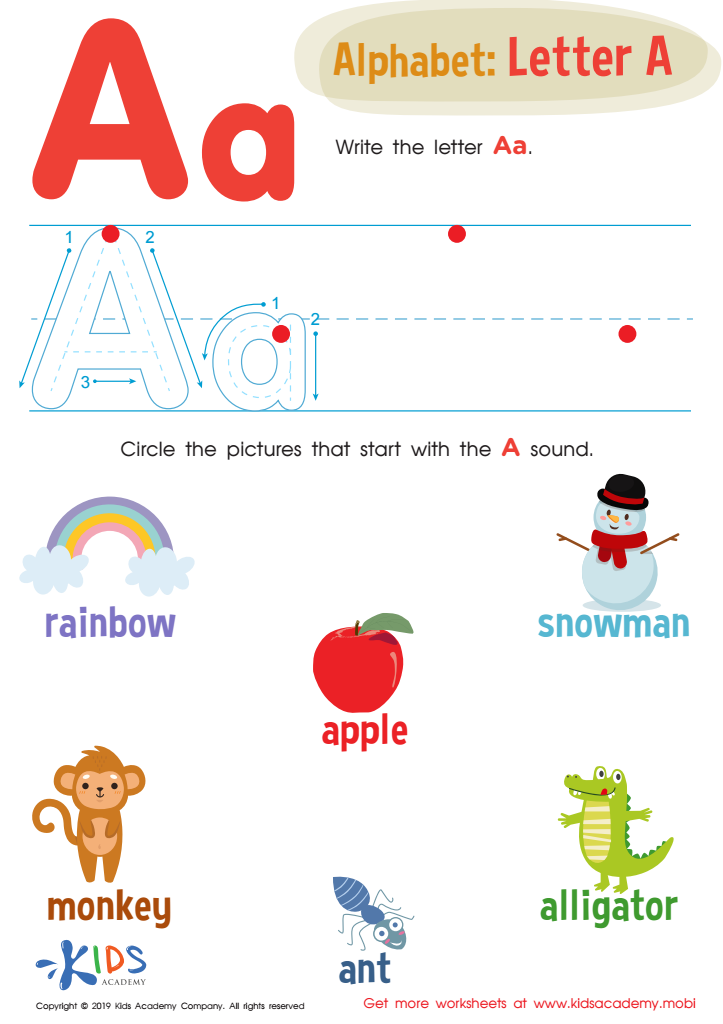
Letter A Tracing Worksheet
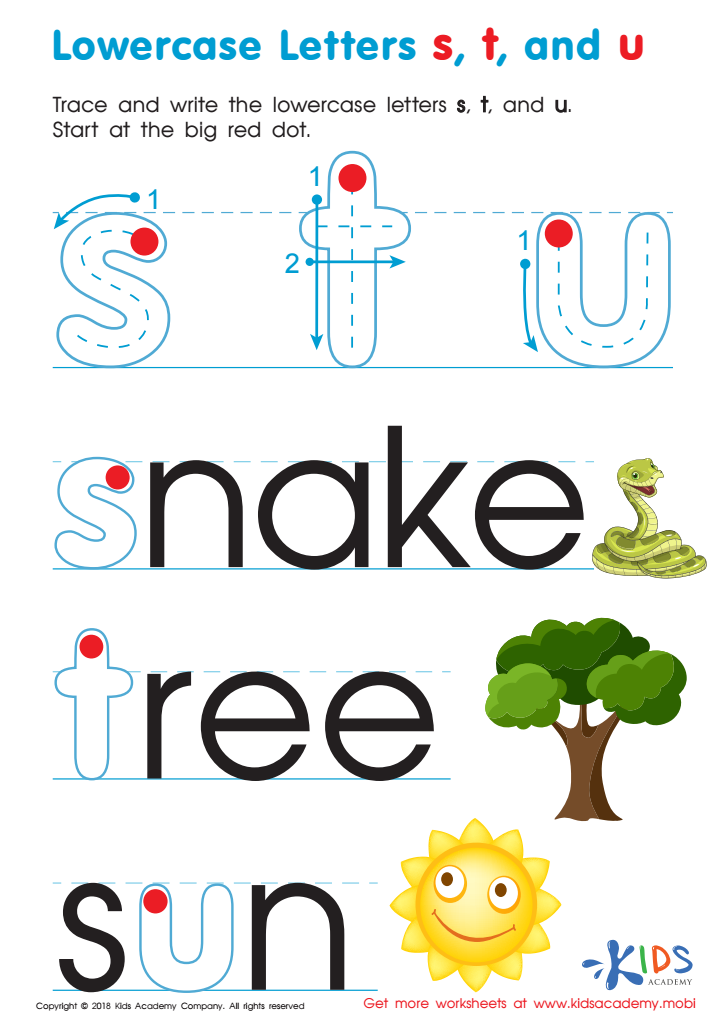
Lowercase Letters s t u Worksheet
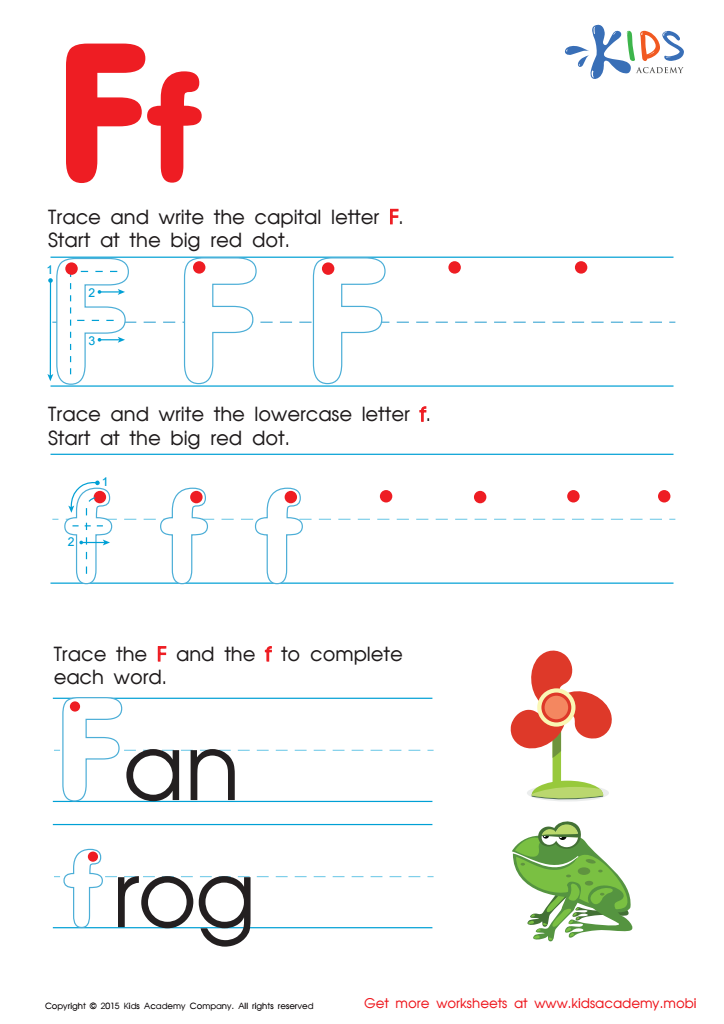
Letter F Tracing Page
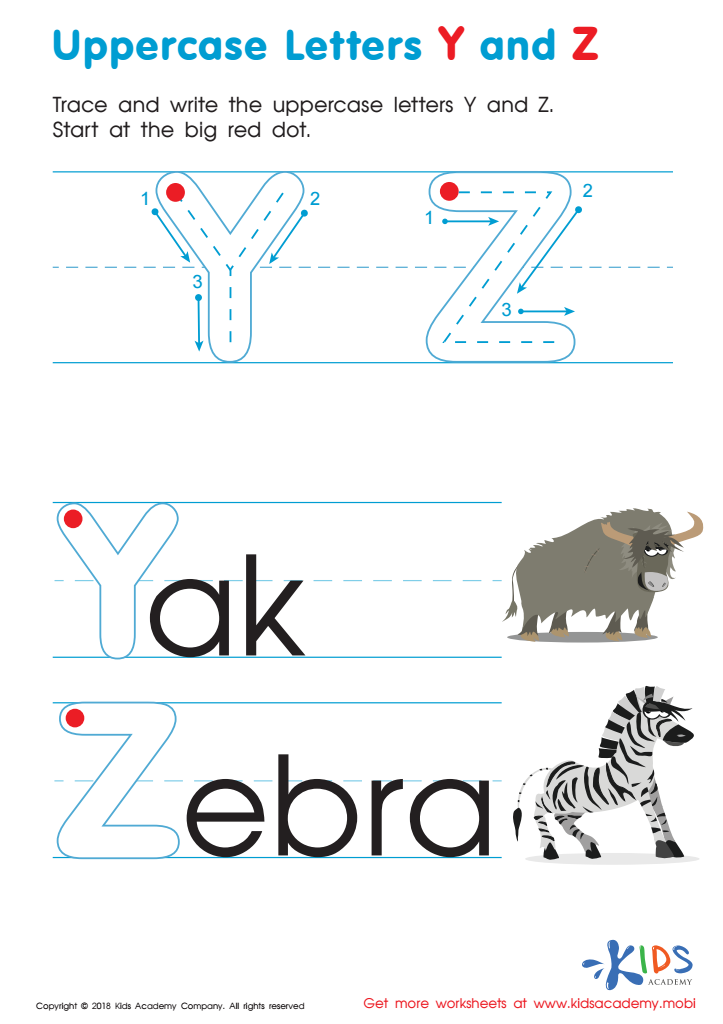
Uppercase Letters Y Z Worksheet

Letter D Tracing Page








Fine motor skills are crucial for children ages 3-5 as they lay the foundation for essential abilities like writing, cutting, and handling small objects. Normal tracing letters activities play a pivotal role in developing these skills. When children trace letters, they are not just learning to recognize and write the alphabet but also enhancing hand-eye coordination, dexterity, and precision.
This age is a critical window for neural development, and engaging in tracing activities stimulates brain regions that control fine motor movements. By consistently practicing tracing, children can strengthen the small muscles in their hands and fingers, which is fundamental to gaining control over a pencil and eventually handwriting.
Furthermore, tracing letters fosters cognitive development, as kids learn to identify shapes and patterns, boosting their readiness for more complex literacy and mathematical tasks. Emotional and social benefits are also evident; success in tasks like tracing can significantly boost a child’s confidence and independence, encouraging an enthusiasm for learning.
Therefore, parents and teachers should prioritize fine motor skills through tracing activities, ensuring that children develop a strong developmental base critical to future educational success and everyday life skills. Promoting these activities creates a well-rounded approach to early childhood education.








