Color recognition Normal Coloring Pages Worksheets for Ages 3-5
14 filtered results
Difficulty Level
Grade
Age
-
From - To
Subject
Activity
Standards
Enhance your child's color recognition skills with our engaging and educational Normal Coloring Pages Worksheets for ages 3-5. Tailored to preschoolers and kindergarteners, these printable worksheets feature fun and simple designs that encourage young learners to practice identifying and naming colors. Each page provides a delightful way for children to develop fine motor skills and creativity while boosting their confidence in color recognition. Perfect for home or classroom use, our worksheets cater to early childhood learning, making the transition to school seamless and enjoyable. Download and print today to inspire your little artist's journey of colorful discovery!
Favorites
With answer key
Interactive
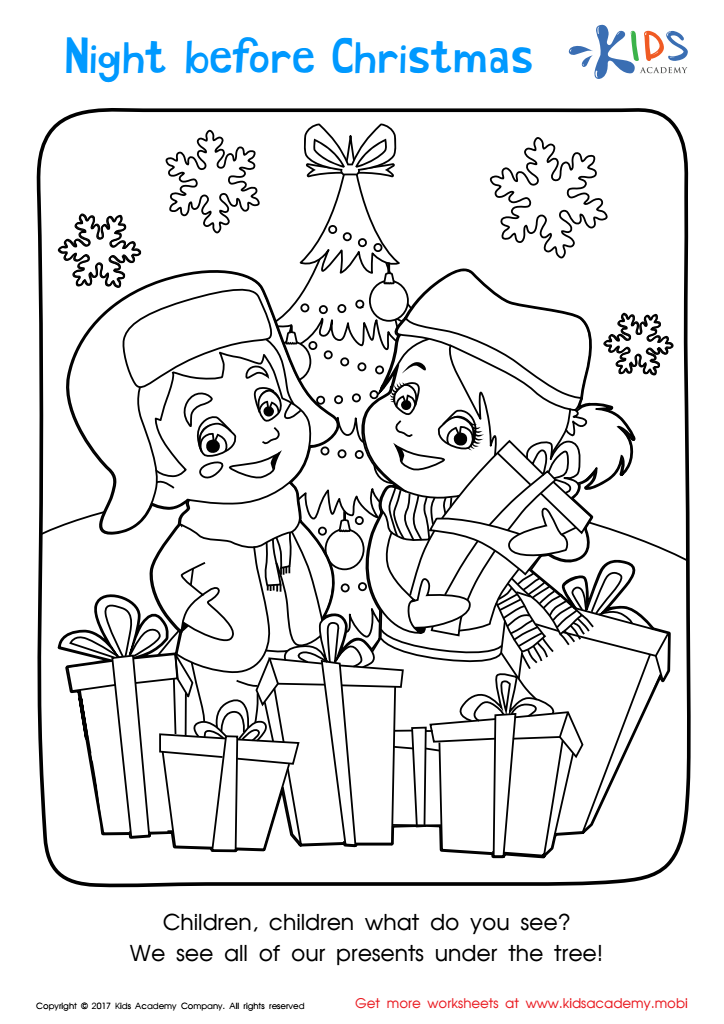
Christmas: Night Before Christmas Printable
Give your kids the gift of coloring this season! Use this boy and girl page to start a conversation on the spirit of giving. Ask your child what they'd like to give and remind them that giving is just as important as receiving. Then, help them pick the perfect colors to bring the image to life! Your child will get in the Christmas spirit while getting ready for Santa's arrival. Print the festive page and spread the joy of the season!
Download (PDF)
 Assign to My Students
Assign to My Students
Christmas: Night Before Christmas Printable
Worksheet
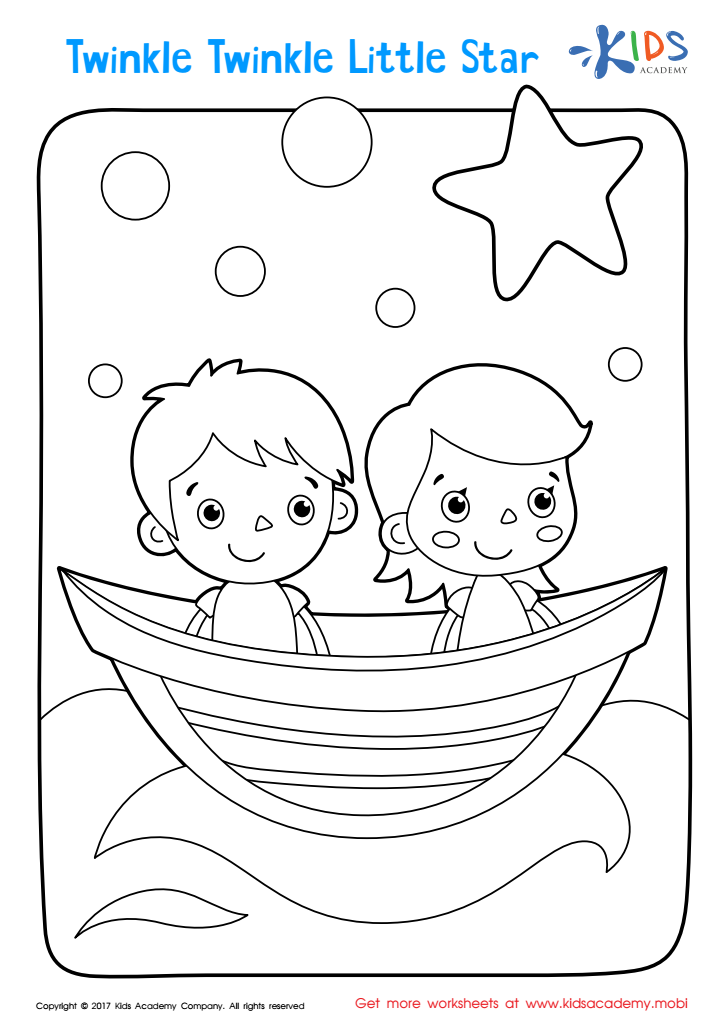
Twinkle Twinkle Little Star Coloring Page
Let your child wish upon a star as they color this scene of boy and girl stargazing. Sing Twinkle Twinkle Little Star while they choose colors to show the star twinkling in the night sky.
Download (PDF)
Assign to My Students
Assign to My Students
Twinkle Twinkle Little Star Coloring Page
Worksheet
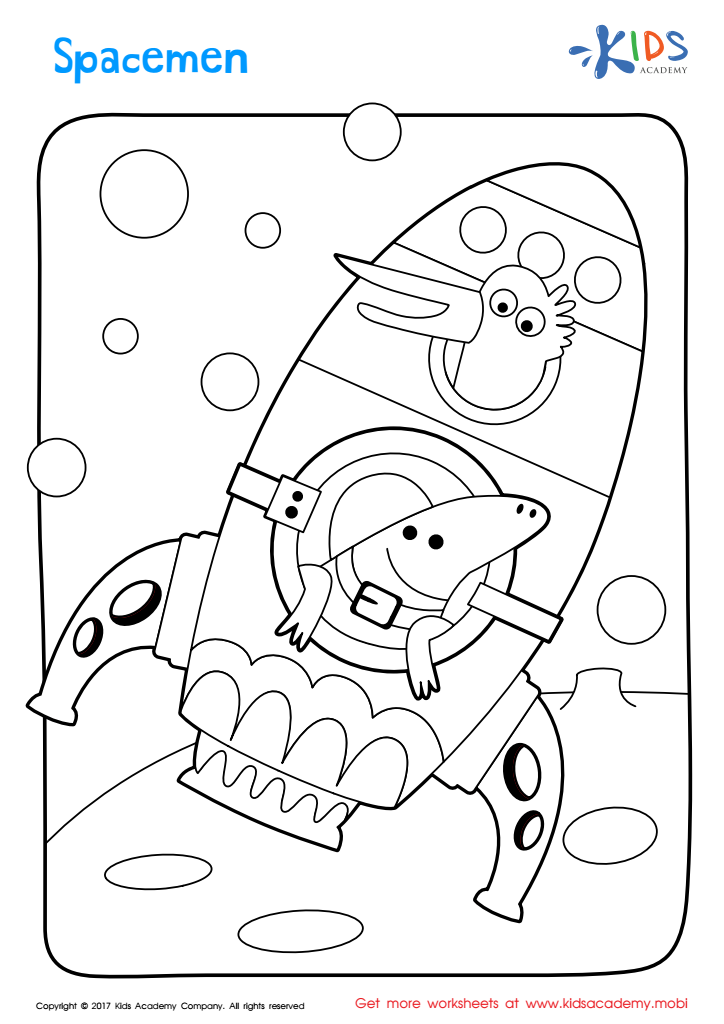
Spacemen Coloring Page
Let your child explore outer space with this fun coloring page featuring different spacemen shapes and sizes! From cute and funny creatures to distant planets and moons, this page is sure to spark your child’s imagination and interest!
Download (PDF)
Assign to My Students
Assign to My Students
Spacemen Coloring Page
Worksheet
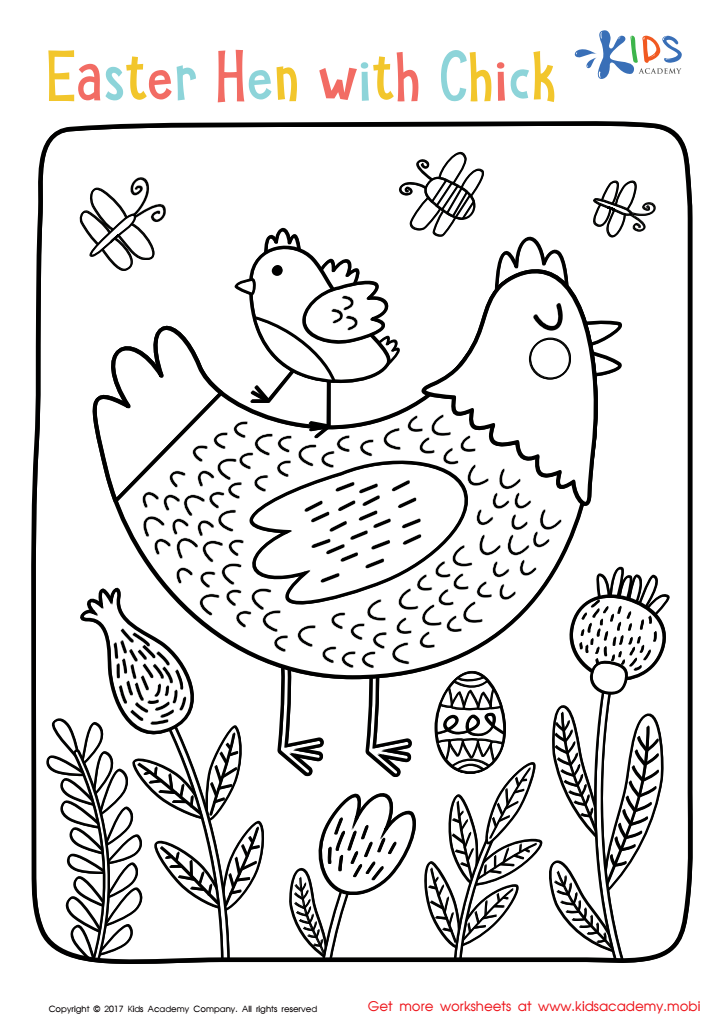
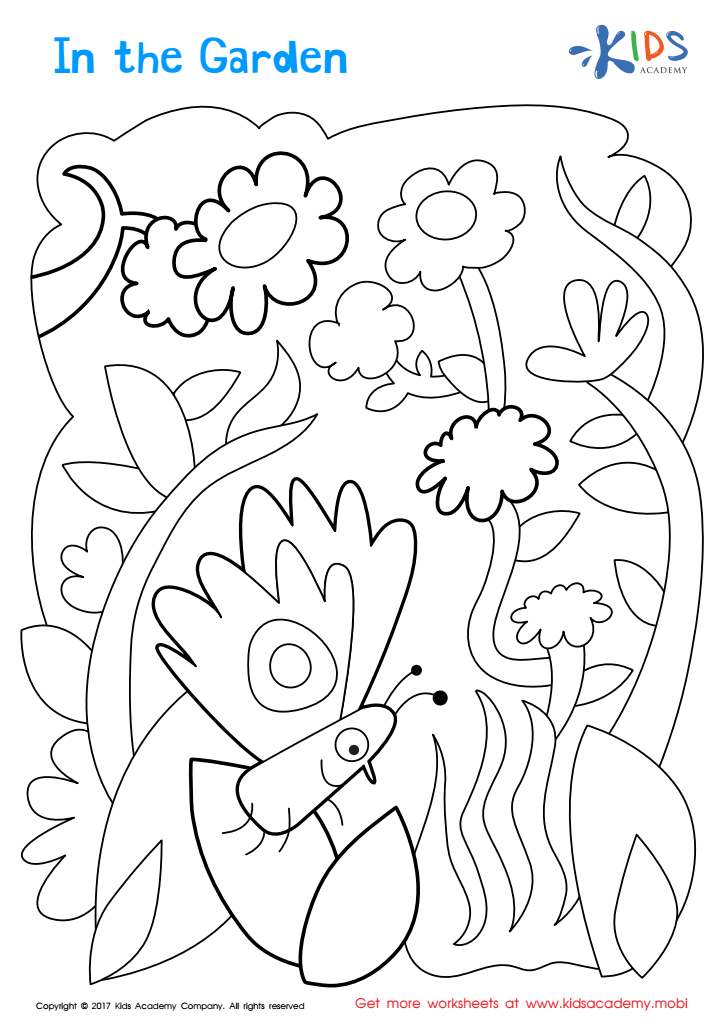
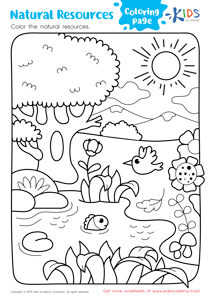
In The Garden Coloring Page
Explore nature with this fun coloring page! Take a walk out to the garden and observe the plants and animals. Help your kids learn and grow – connect the page to the natural wonders outside their window. In the Garden coloring page – make your kids smile!
Download (PDF)
Assign to My Students
Assign to My Students
In The Garden Coloring Page
Worksheet
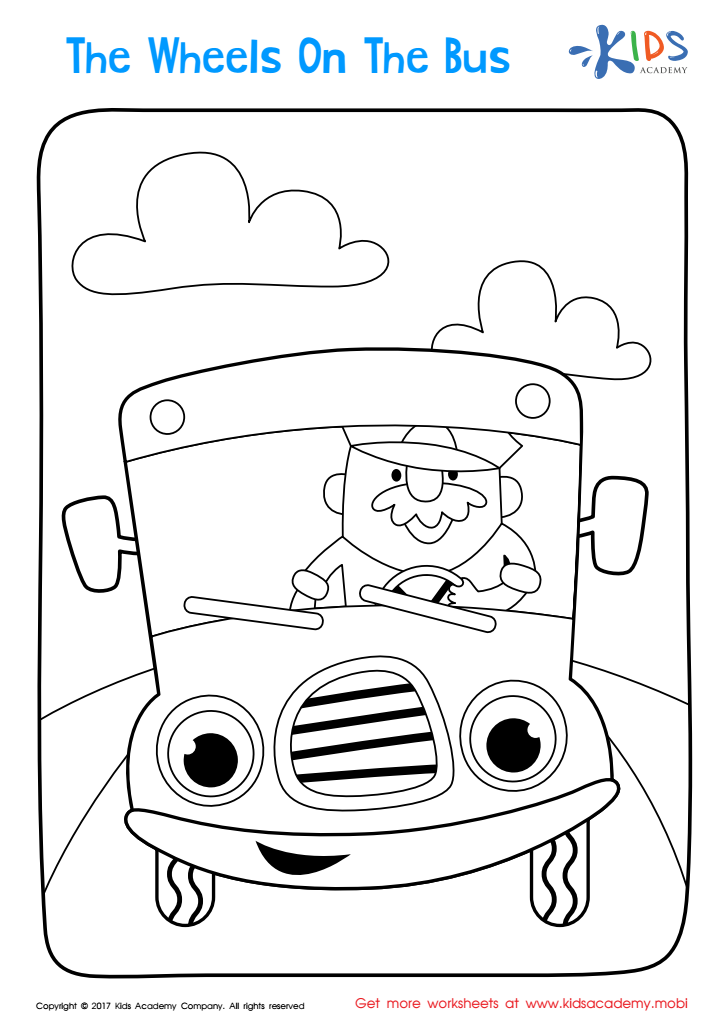
The Wheels on the Bus Coloring Page
Colour and sing with this printable Wheels on the Bus page! Let your child have fun singing the song with you as they colour. It'll make the activity even more entertaining and memorable.
Download (PDF)
Assign to My Students
Assign to My Students
The Wheels on the Bus Coloring Page
Worksheet
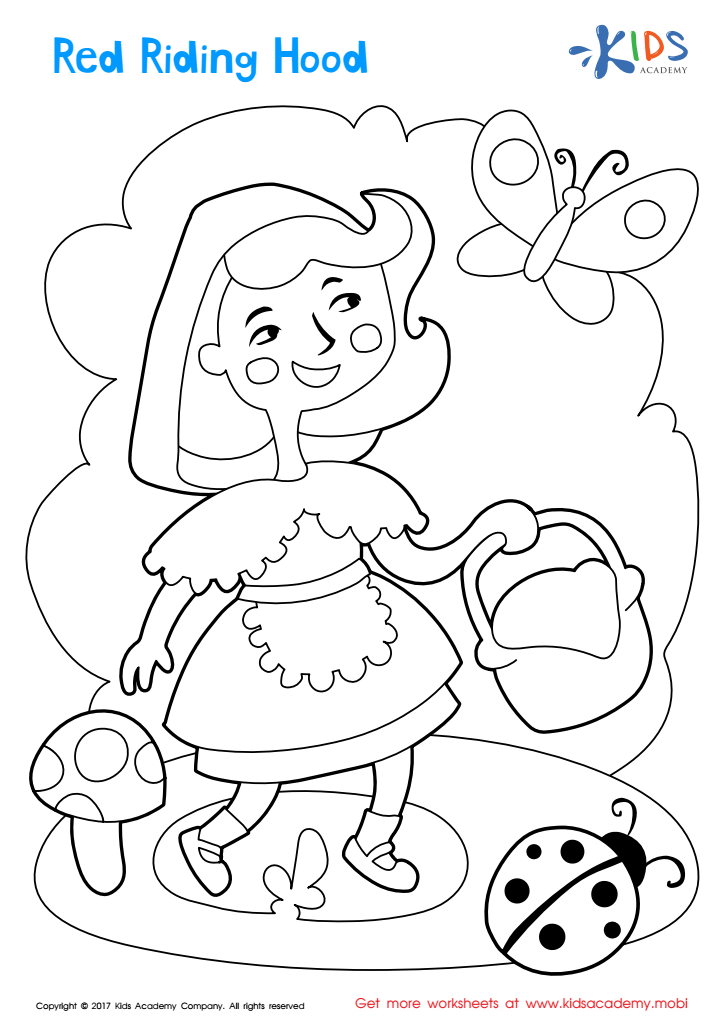
Red Riding Hood Coloring Page
Red Riding Hood awaits in the woods, with a butterfly, mushroom, and ladybug around her. Let your child bring the story to life with this magical printable coloring page. Fairytale fun for all!
Download (PDF)
Assign to My Students
Assign to My Students
Red Riding Hood Coloring Page
Worksheet
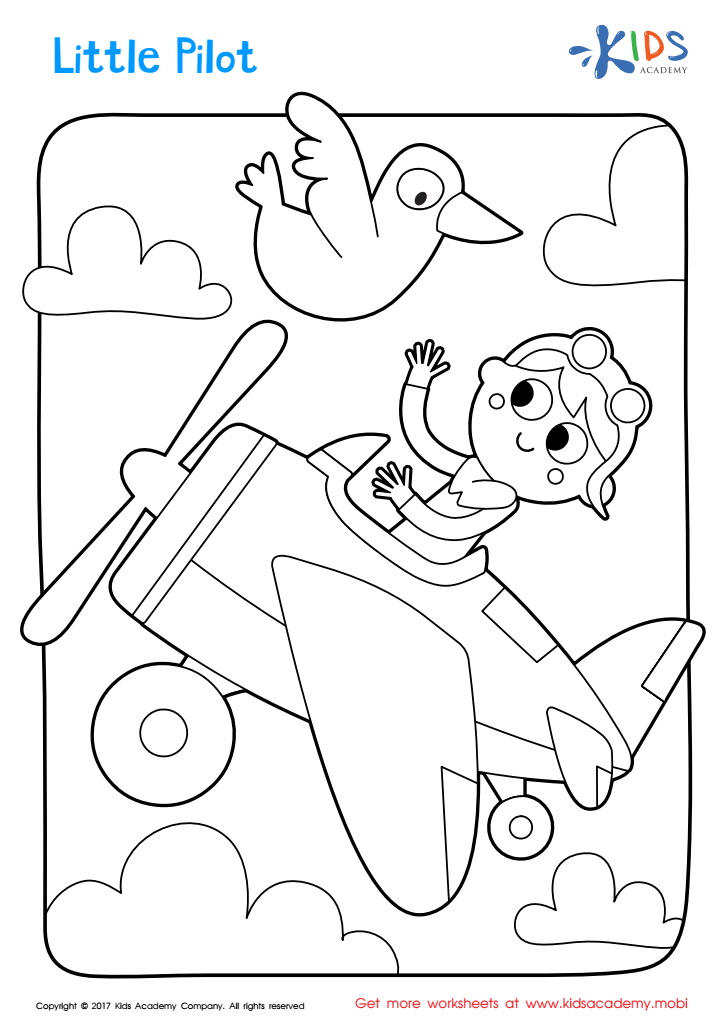
Little Pilot Coloring Page
Let your child's imagination soar with this printable coloring page: Little Pilot! They'll have fun coloring the friendly pilot flying up to greet the cute bird. Inspire creativity by asking them to choose different colors for the plane!
Download (PDF)
Assign to My Students
Assign to My Students
Little Pilot Coloring Page
Worksheet
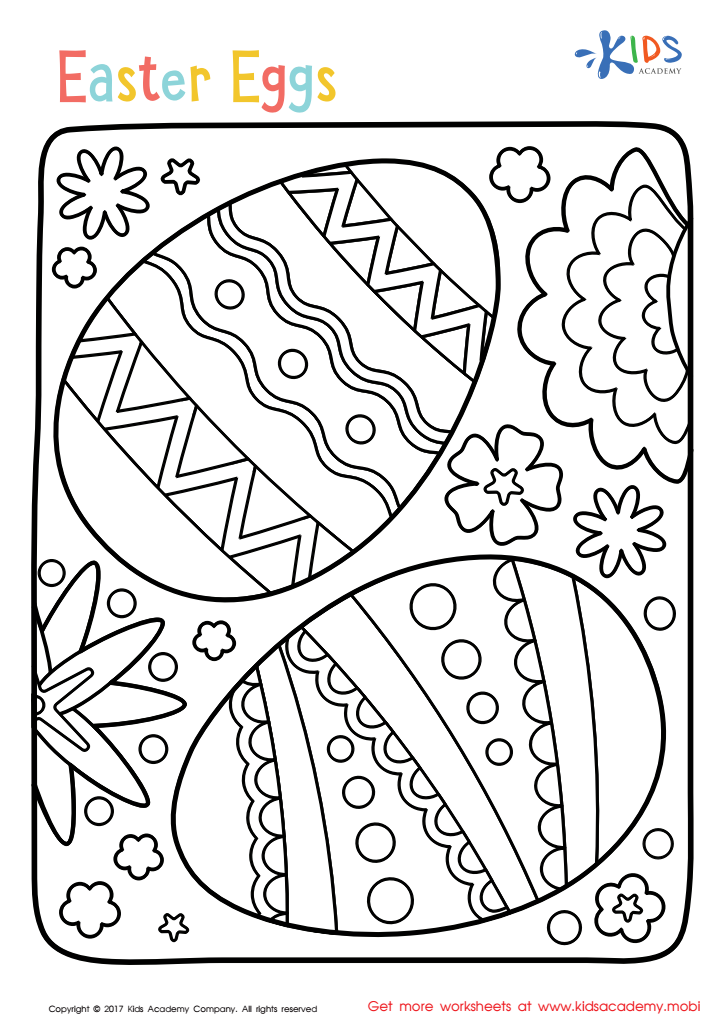
Easter: Easter Eggs Worksheet
Coloring Easter eggs is a beloved global tradition. Kids love to color eggs and hunt for goodies. This Easter, get your child excited with a printable coloring page. Let them use as many colors as they want and use it as inspiration to decorate real eggs. It's a time-honored tradition they'll look forward to each year!
Download (PDF)
Assign to My Students
Assign to My Students
Easter: Easter Eggs Worksheet
Worksheet
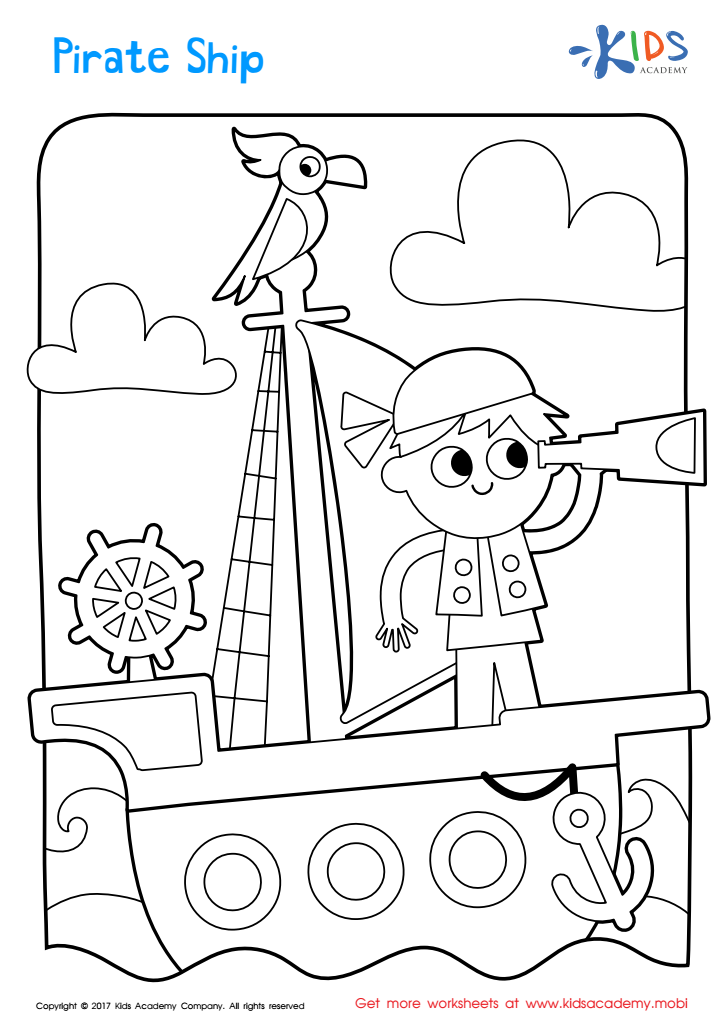
Pirate Ship Coloring Page
All hands on deck: your child can help navigate the sea with Pirate Ship. This printable encourages artistic expression, so get ready to set sail!
Download (PDF)
Assign to My Students
Assign to My Students
Pirate Ship Coloring Page
Worksheet
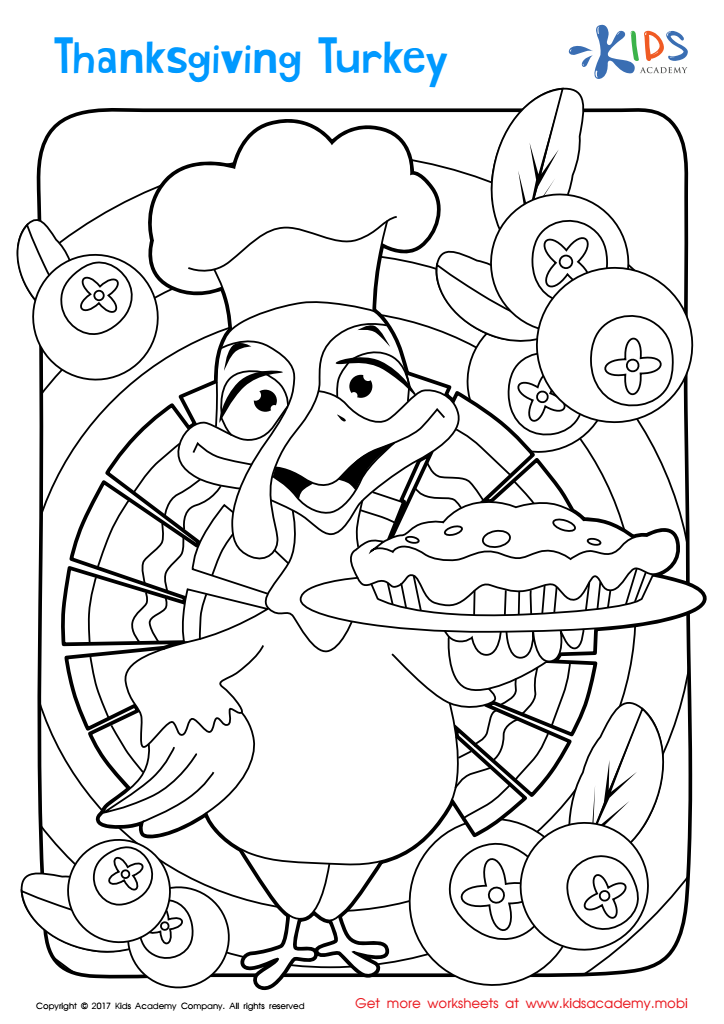
Turkey Thanksgiving Day Worksheet
Keep them occupied with a turkey-themed coloring page. Give them the opportunity to show off their creativity with colors related to the season. Make the car ride more enjoyable by letting them color as you travel. Let their imaginations soar!
Download (PDF)
Assign to My Students
Assign to My Students
Turkey Thanksgiving Day Worksheet
Worksheet
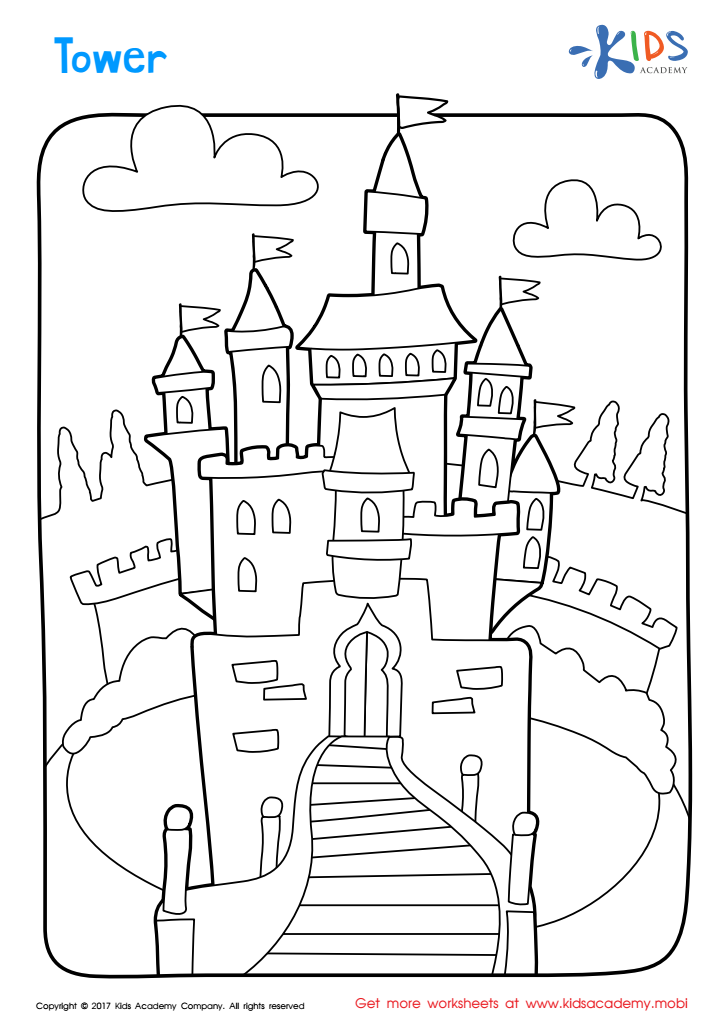
Tower Coloring Page
Bring your child's fairytales to life with this fun printable coloring page: Tower! Have your child pick the perfect colors to transform this magical tower and afterwards, ask them to recall stories that involve castles. Get those imaginations running!
Download (PDF)
Assign to My Students
Assign to My Students
Tower Coloring Page
Worksheet
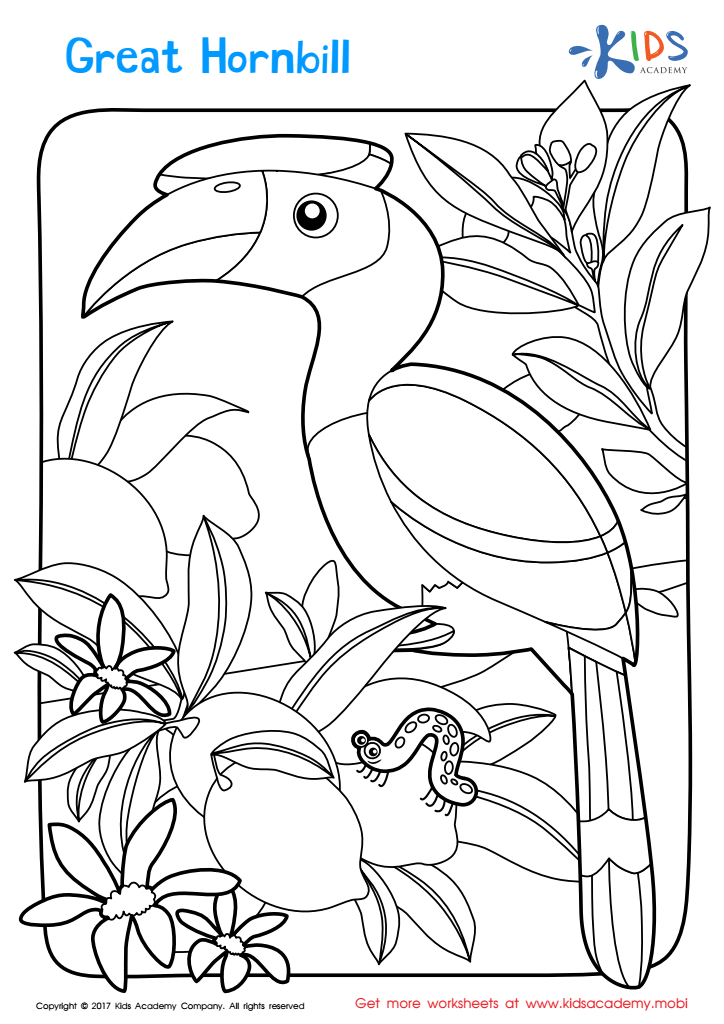
Great Hornbill Worksheet
Expand your child's knowledge with our exotic animal printable: the great hornbill coloring page. It’s a fun and easy way to explore this beautiful bird's stunning array of colors without leaving home. Look up pics online to get a better understanding of this incredible creature.
Download (PDF)
Assign to My Students
Assign to My Students
Great Hornbill Worksheet
Worksheet
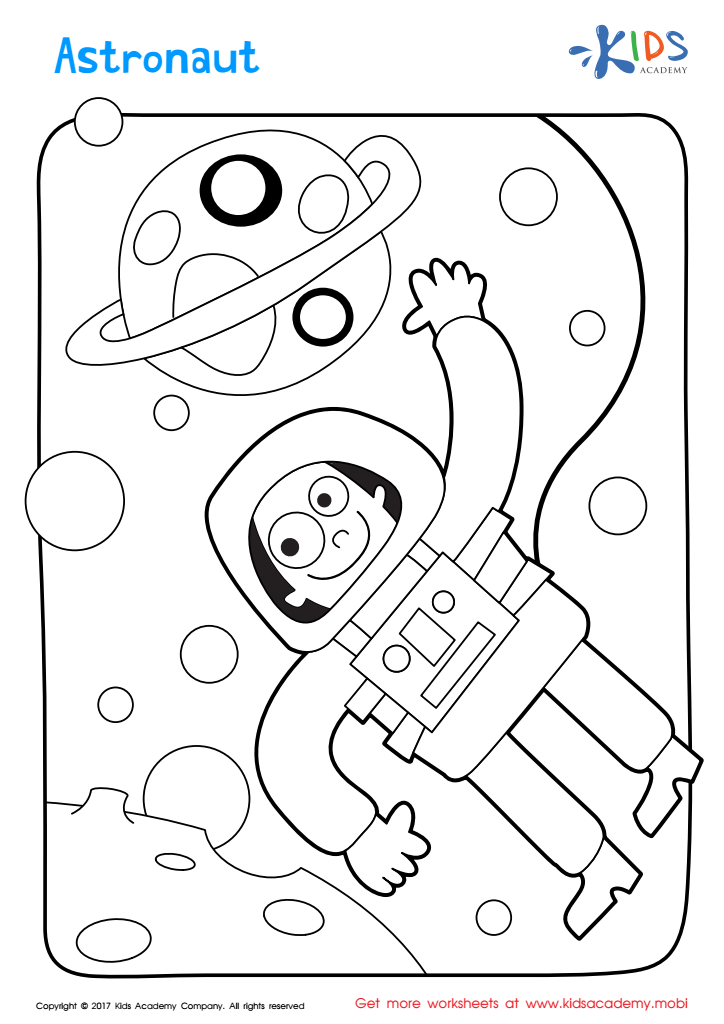
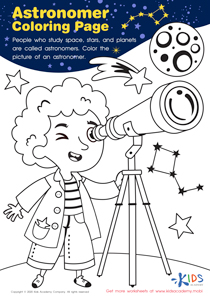
Astronaut Coloring Page
Let your child's creativity soar as they explore outer space with this fun Astronaut coloring page. They can pick the perfect colors to bring the printable to life. Then take it a step further and discuss the adventures of an astronaut.
Download (PDF)
Assign to My Students
Assign to My Students
Astronaut Coloring Page
Worksheet
Join Kids Academy for Free
Who is primarily going to use this learning content?






Color recognition and normal coloring pages play a significant role in early childhood development, making them an important focus for parents and teachers of children aged 3-5. During these formative years, engaging children with coloring activities facilitates various aspects of their cognitive and motor skills development.
Firstly, recognizing and naming colors enhances a child's ability to communicate their experiences and preferences effectively. It expands their vocabulary and promotes language acquisition. Color recognition also sharpens visual perception, helping kids to differentiate between objects based on color, which is a critical component of their cognitive development.
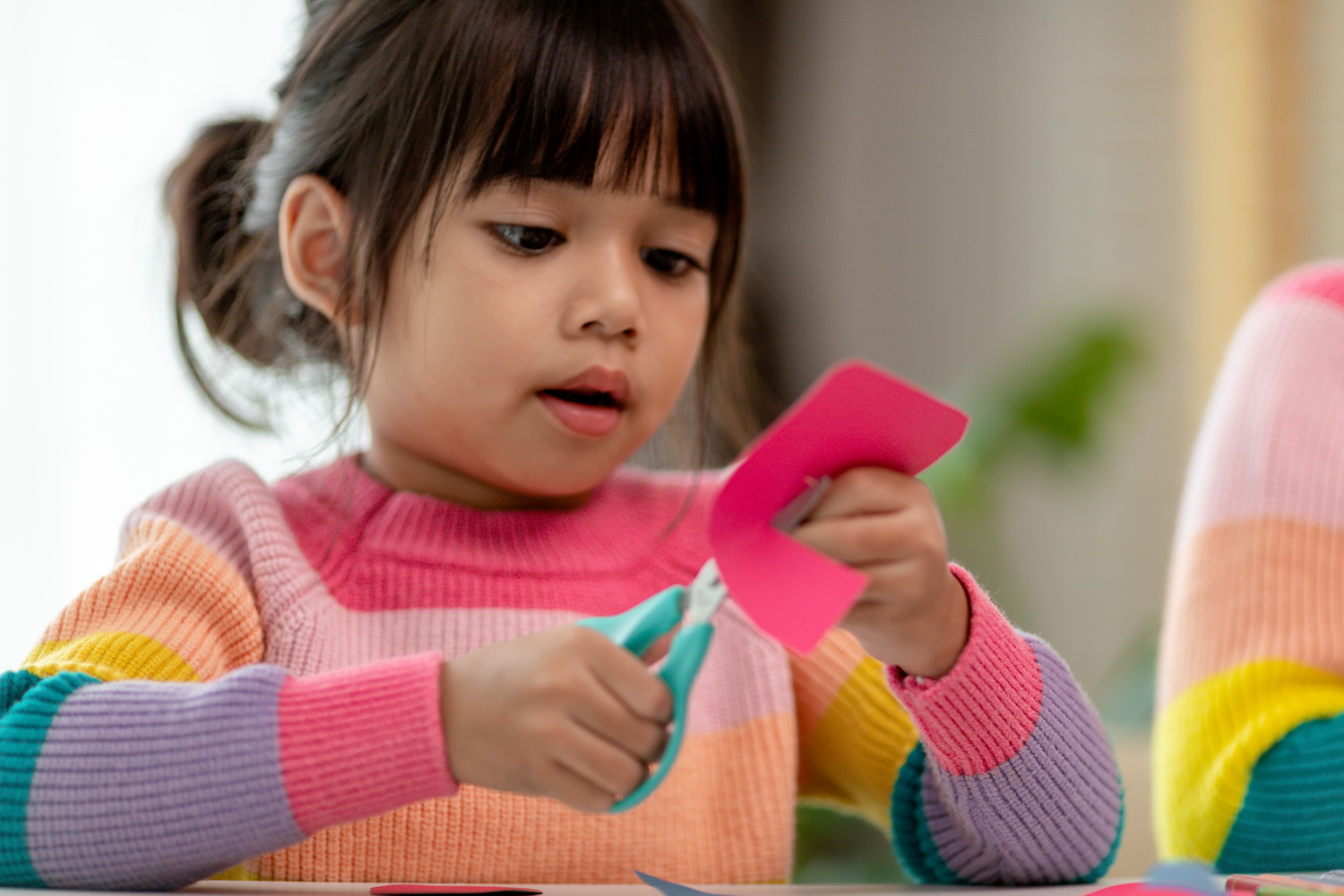
Coloring pages further aid in developing fine motor skills. The act of holding crayons, staying within lines, and filling in shapes enhances hand-eye coordination and strengthens the small muscles in the hands and fingers, which are crucial for writing readiness.
Additionally, coloring encourages creativity and self-expression, allowing children to make choices and experiment with colors in a way that reflects their unique ideas and emotions. It can also serve as a calming activity, promoting concentration and patience.
Overall, integrating normal coloring pages into a child's activities not only supports essential developmental skills but also provides a fun, relaxing, and expressive outlet for young learners. Thus, parents and teachers should prioritize these activities to foster comprehensive growth in early childhood.