Critical Thinking Normal Worksheets for Ages 3-5 - Page 2
38 filtered results
-
From - To
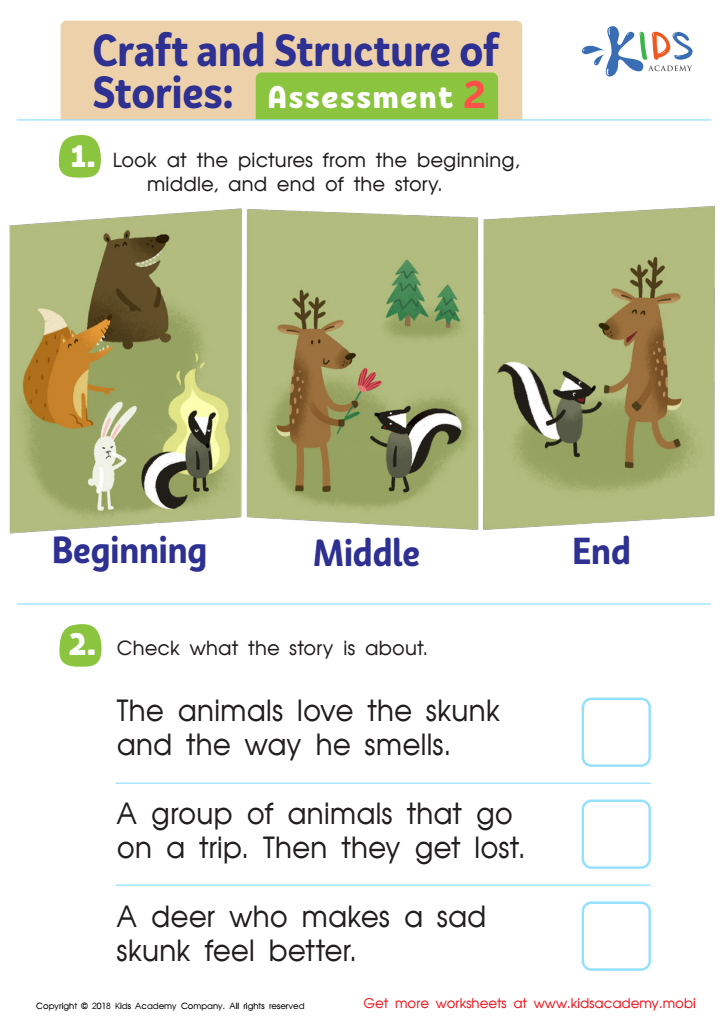
Craft and Structure of Stories: Assessment 2 Worksheet
 Assign to My Students
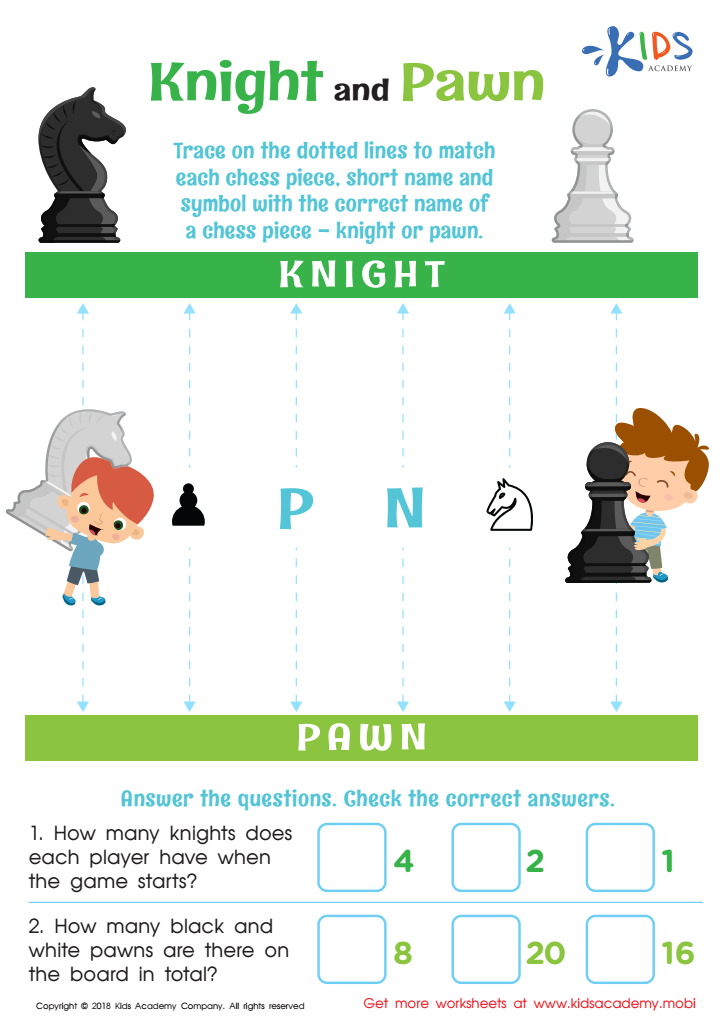
Knight and Pawn Worksheet
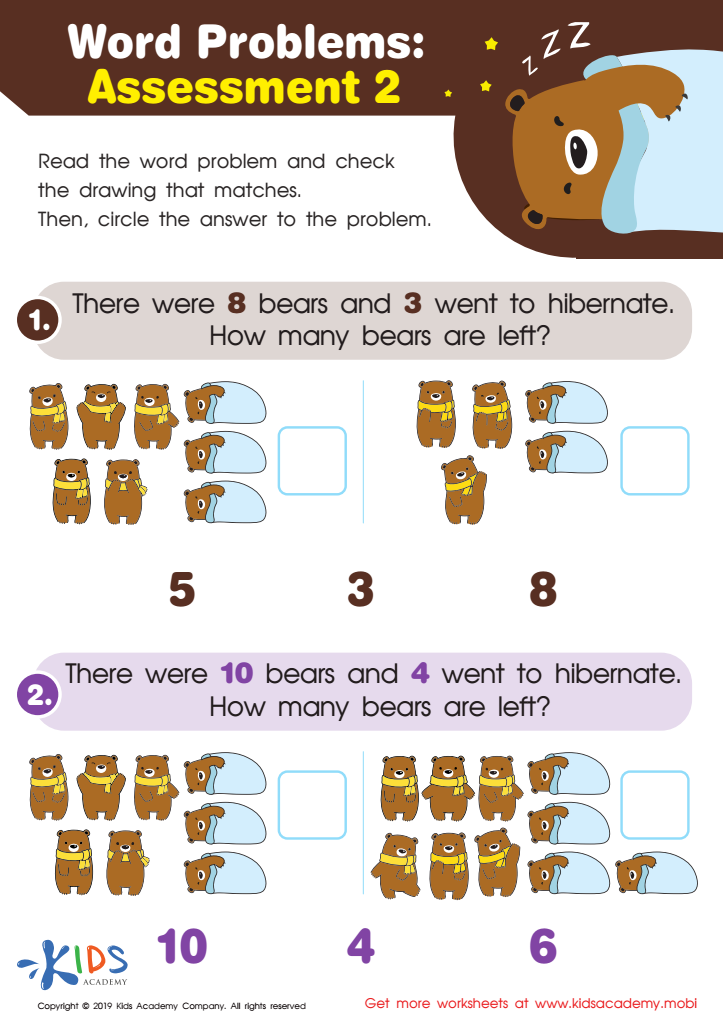
Word Problems: Assessment 2 Worksheet
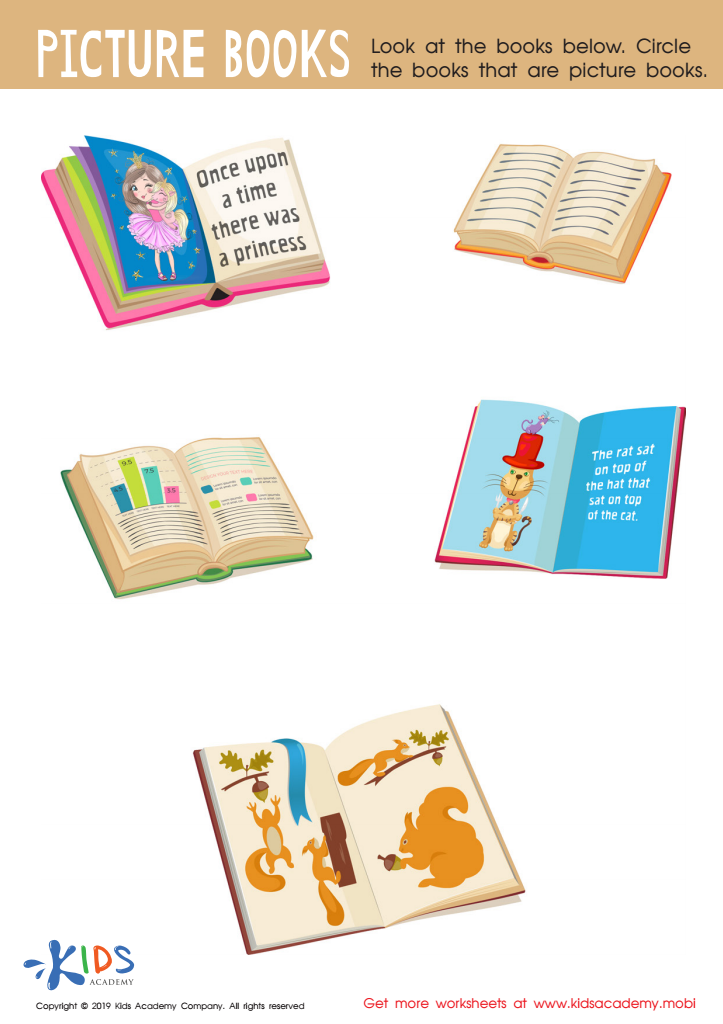
Picture Books Worksheet
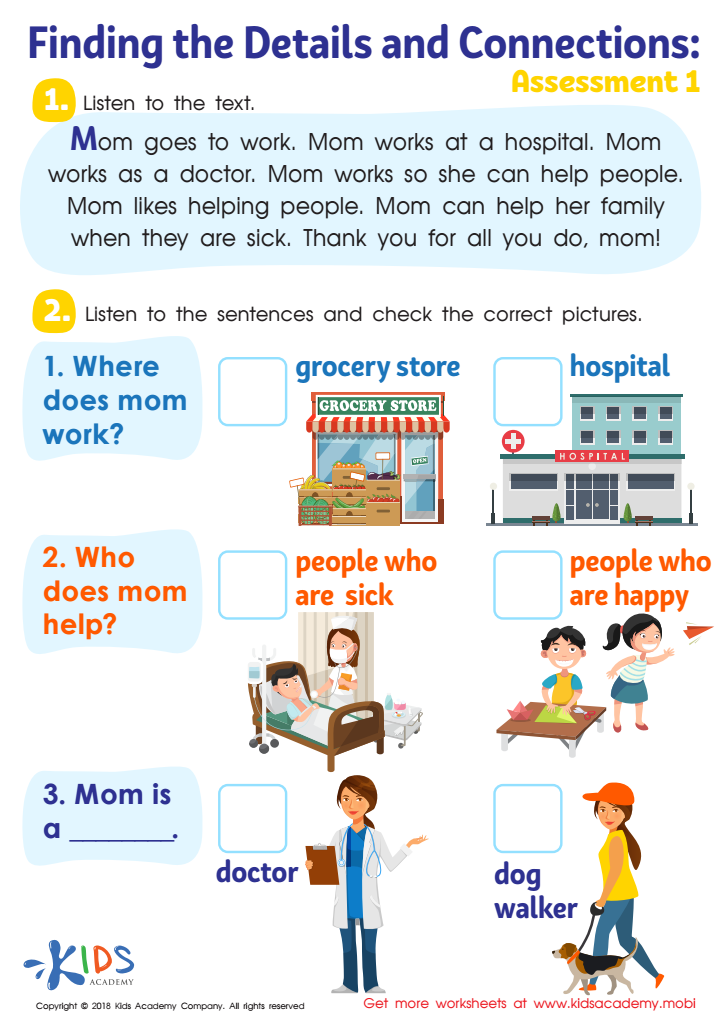
Finding the Details and Connections: Assessment 1 Worksheet
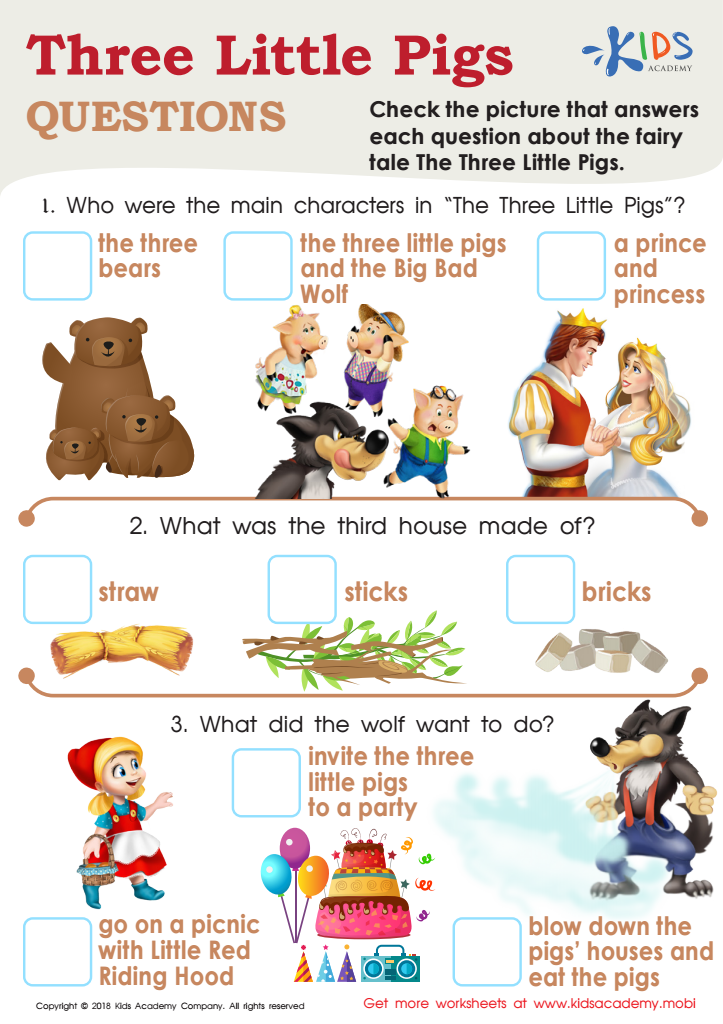
Three Little Pigs Questions Worksheet
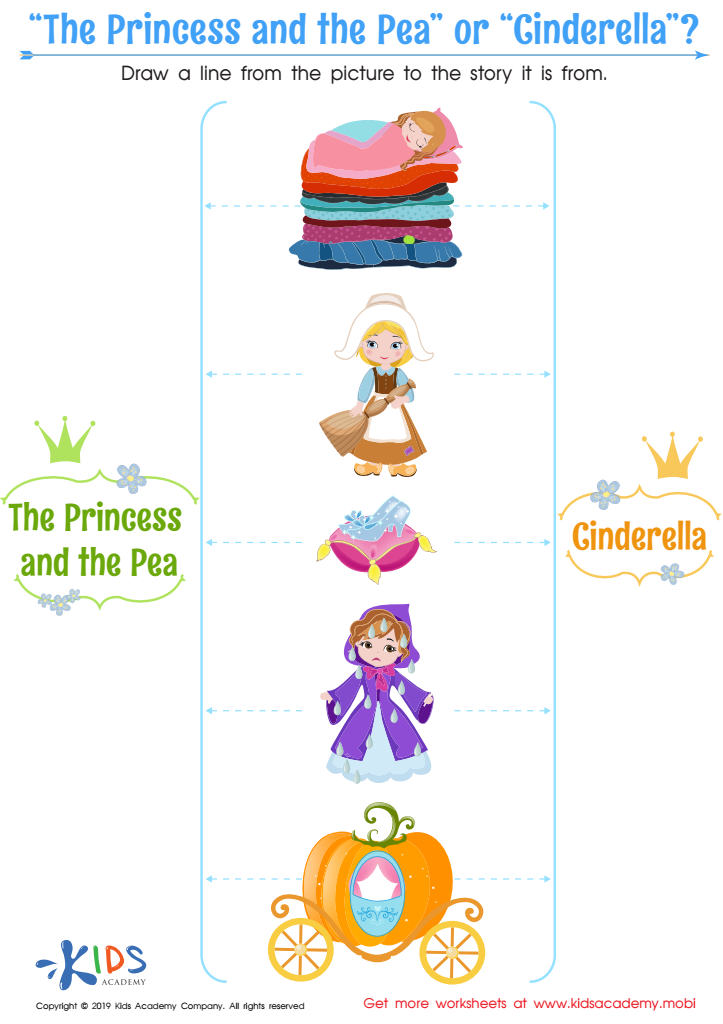
“The Princess and the Pea” or “Cinderella” Worksheet
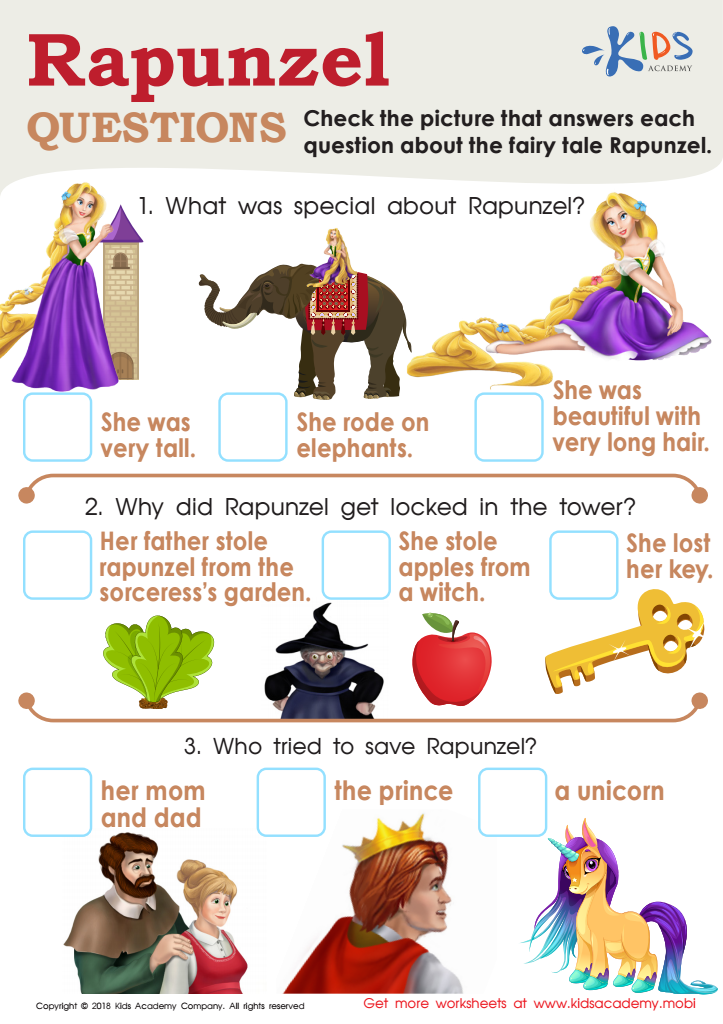
Rapunzel Questions Worksheet
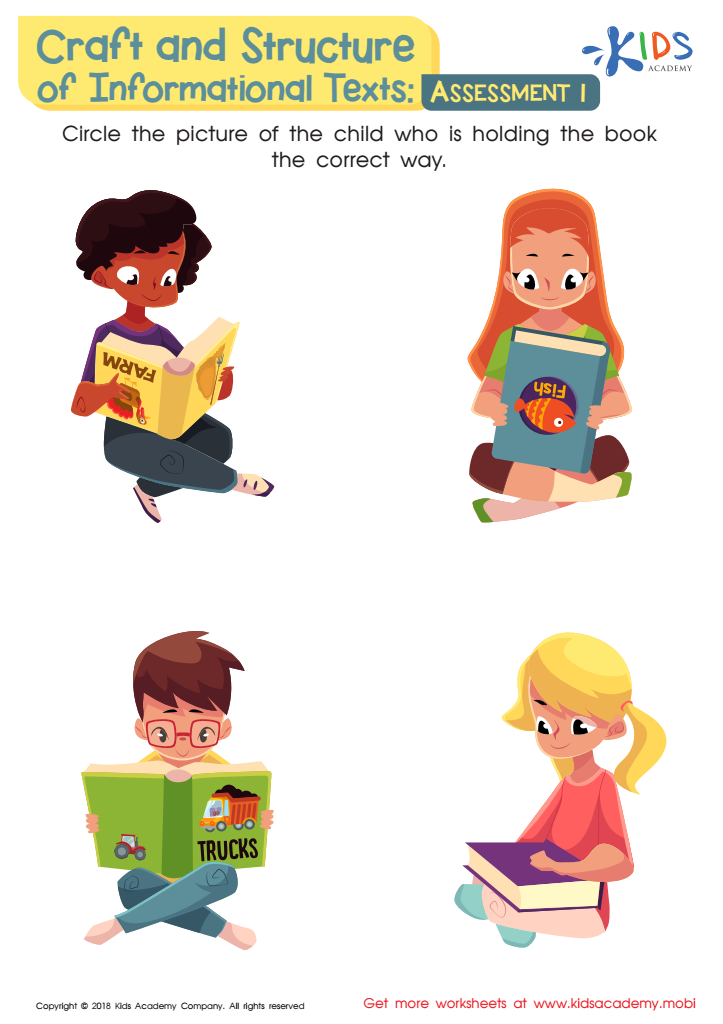
Craft and Structure of Informational Texts: Assessment 1 Worksheet
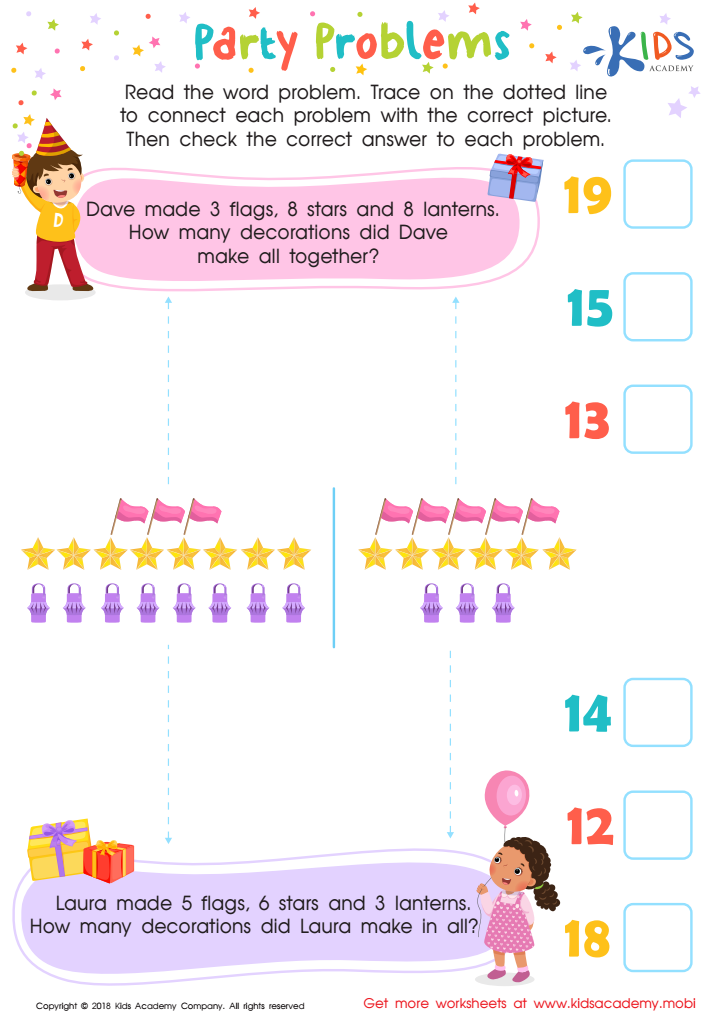
Party Problems Worksheet
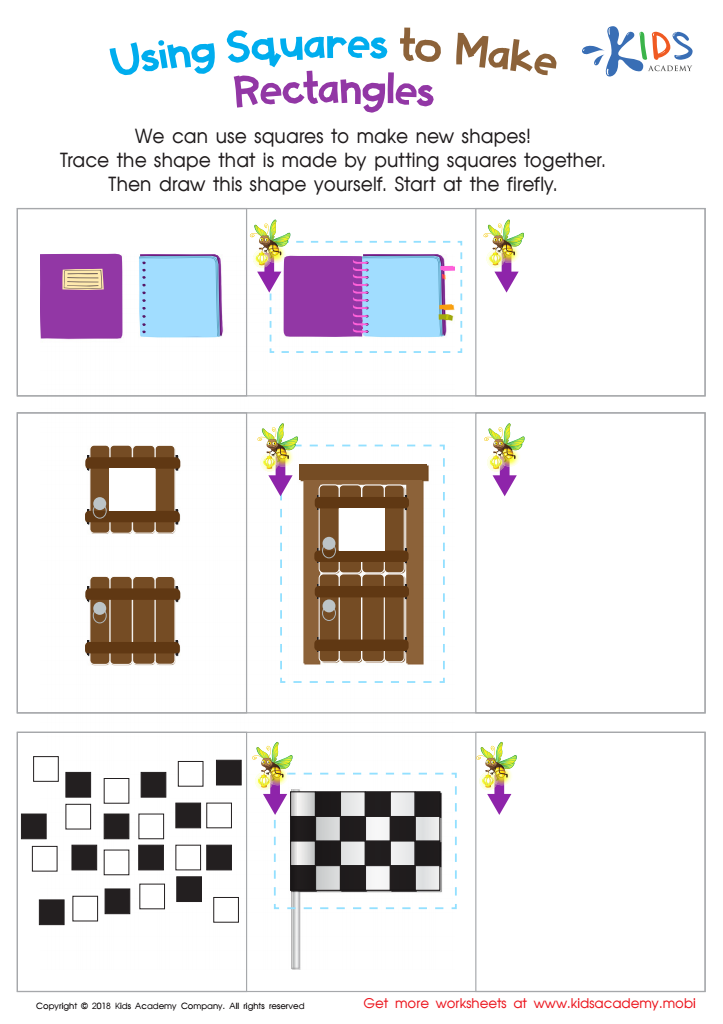
Using Squares to Make Rectangles Worksheet
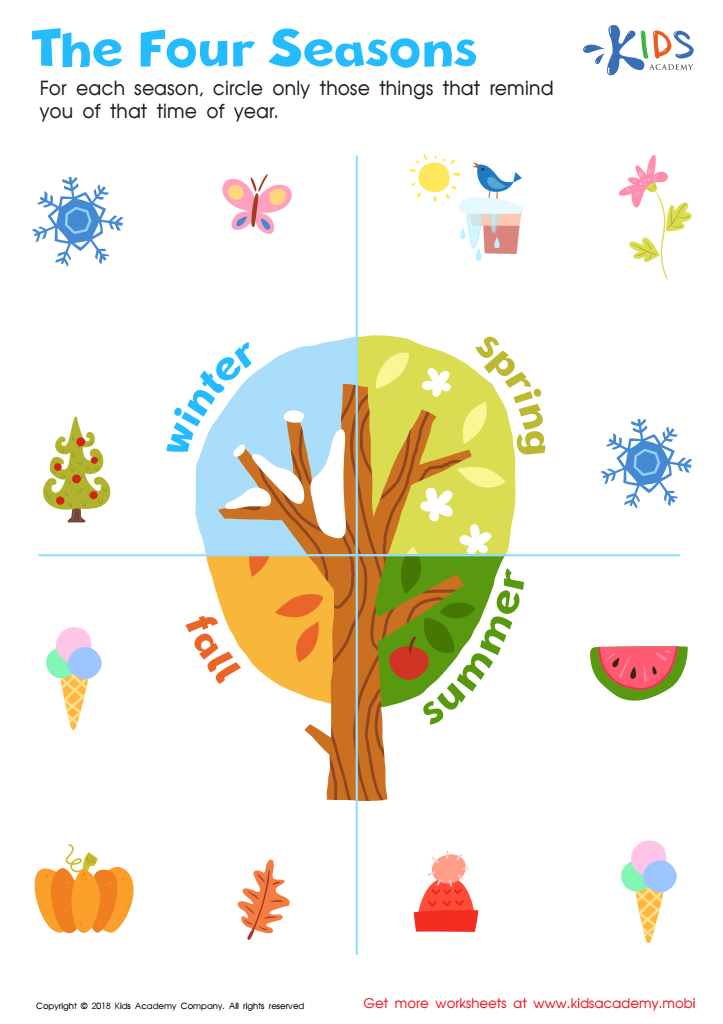
The Four Seasons Worksheet
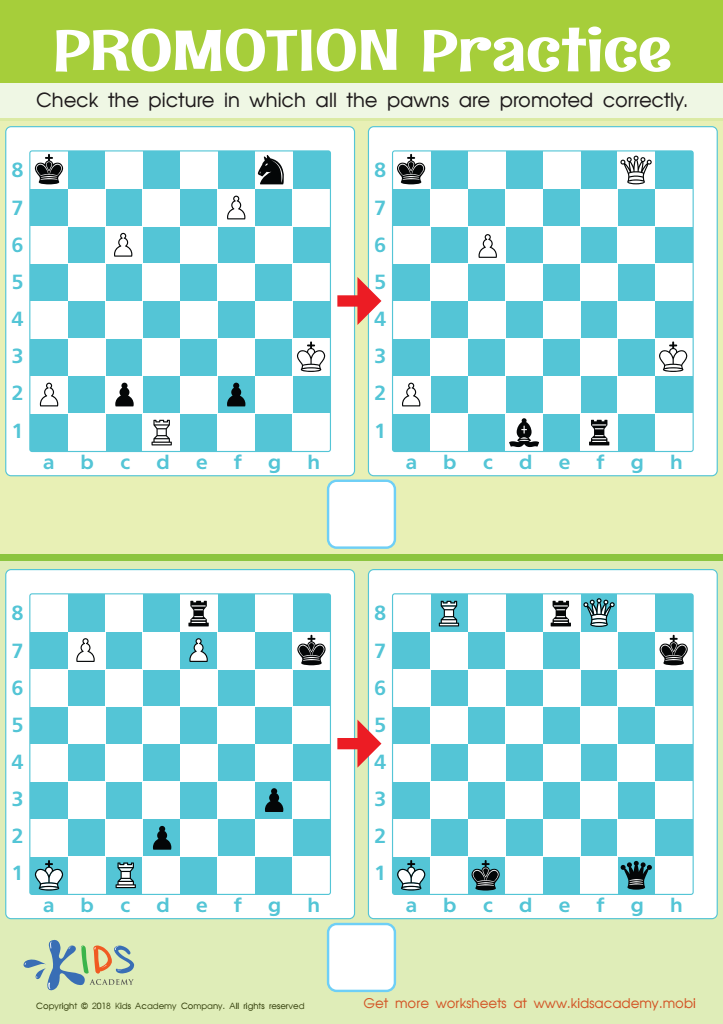
Promotion Practice Worksheet
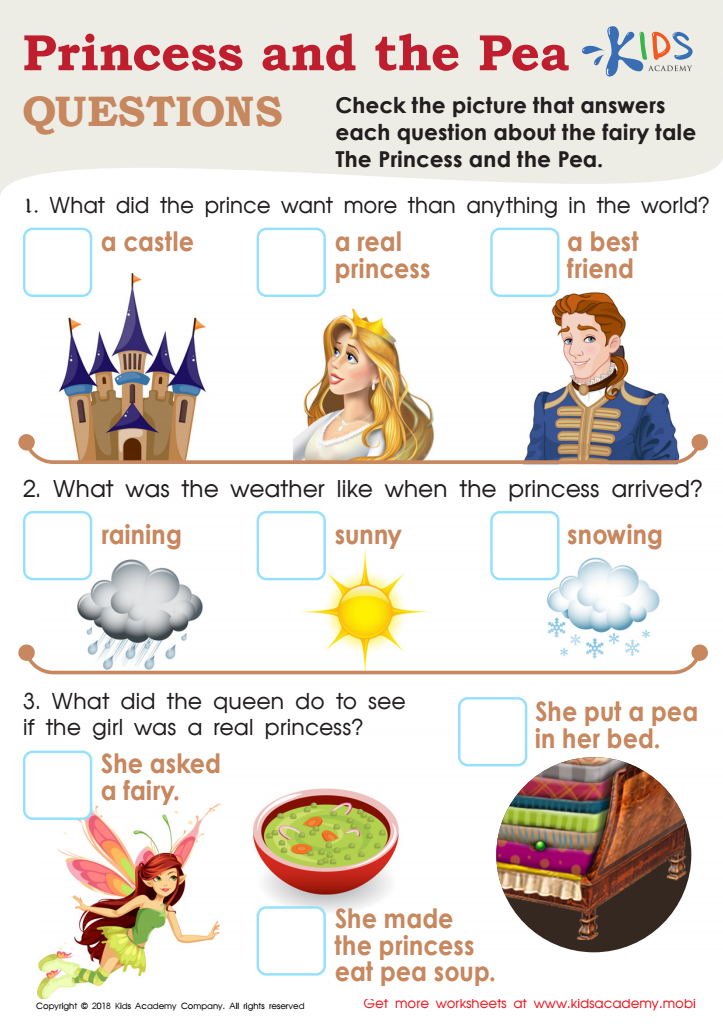
Princess and the Pea Questions Worksheet







Critical thinking is an essential skill that lays the foundation for effective problem-solving, decision-making, and communication. For children aged 3-5, this developmental stage is crucial for cognitive growth, as they begin to explore their surroundings, ask questions, and form their own opinions. Parents and teachers should prioritize fostering critical thinking because it encourages curiosity and a love for learning. When children learn to think critically, they gain the ability to analyze information, recognize patterns, and evaluate various perspectives.
Moreover, early development of critical thinking skills helps children navigate social situations by teaching them to consider the feelings and viewpoints of others. This promotes empathy and cooperation, essential for healthy relationships. As they engage in such exploratory thinking, children become more confident and capable of articulating their thoughts and ideas.
Furthermore, critical thinking prepares young learners for future education by enhancing their ability to engage in independent research and self-directed learning. A strong foundation in critical thinking not only benefits academic performance but also equips children with the tools necessary for everyday life challenges. Ultimately, cultivating these skills early on sets the stage for lifelong learners who can adapt to an ever-changing world.








